DbcultAccessing Vault...
6.5/10
Senior Film Conservator
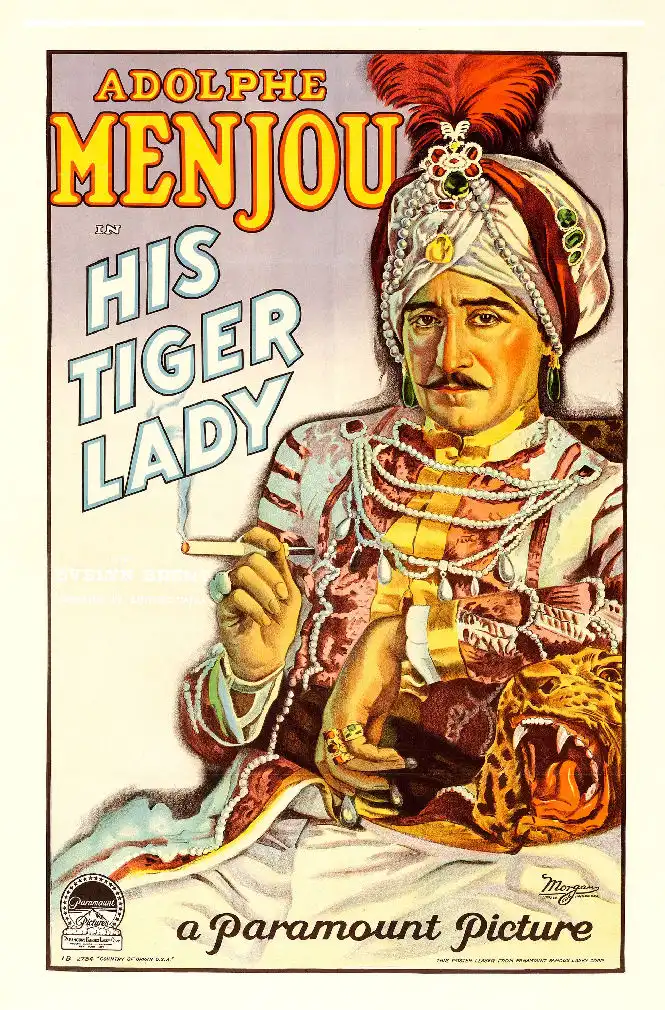
A definitive 6.5/10 rating for a film that redefined the boundaries of cult cinema. His Tiger Wife remains a cornerstone of transgressive art.
His Tiger Wife isn't exactly a lost masterpiece, but if you're the kind of person who enjoys a very specific flavor of silent-era romantic drama – the kind with a slightly absurd premise and some genuinely charming performances – then yes, it's worth digging up. If your idea of a good time at the movies involves explosions, coherent plot twists, or dialogue spoken aloud, you'll probably find it a rather quaint and perhaps even tedious curiosity. It's for the patient, the curious, and those who appreciate the subtle craft of early cinema, even when it stumbles a bit.
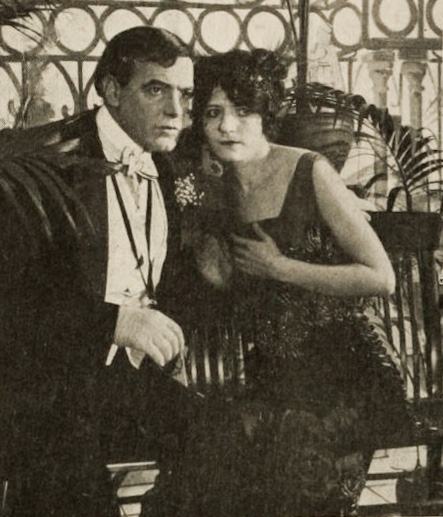
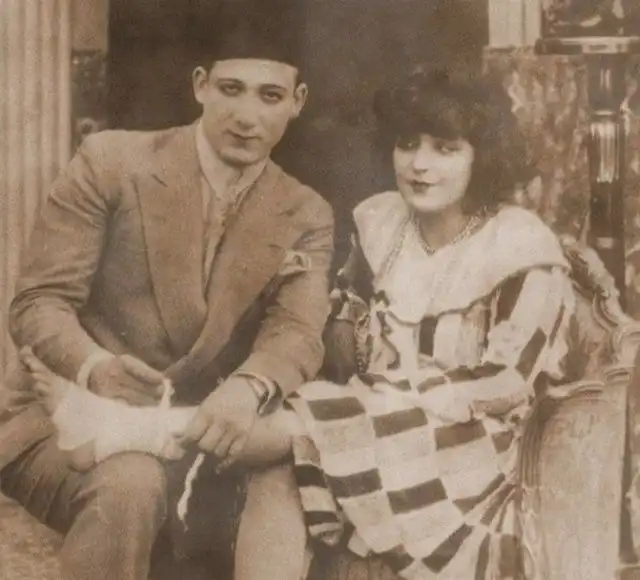
The core idea here is simple: a variety extra, played by Leonardo De Vesa, falls for a duchess (Evelyn Brent). To impress her, he pretends to be a rajah. It’s the kind of setup that could go wildly wrong, or surprisingly right, depending on the commitment of its leads. De Vesa, as the hopeful but awkward performer, carries the early scenes well. You feel his desperation to be someone else, to be worthy of her attention. There’s this one shot, very early on, where he’s watching her from afar, and his expression is just a little too intense, almost stalkerish, before it softens into pure longing. It’s a nice, uncomfortable beat.
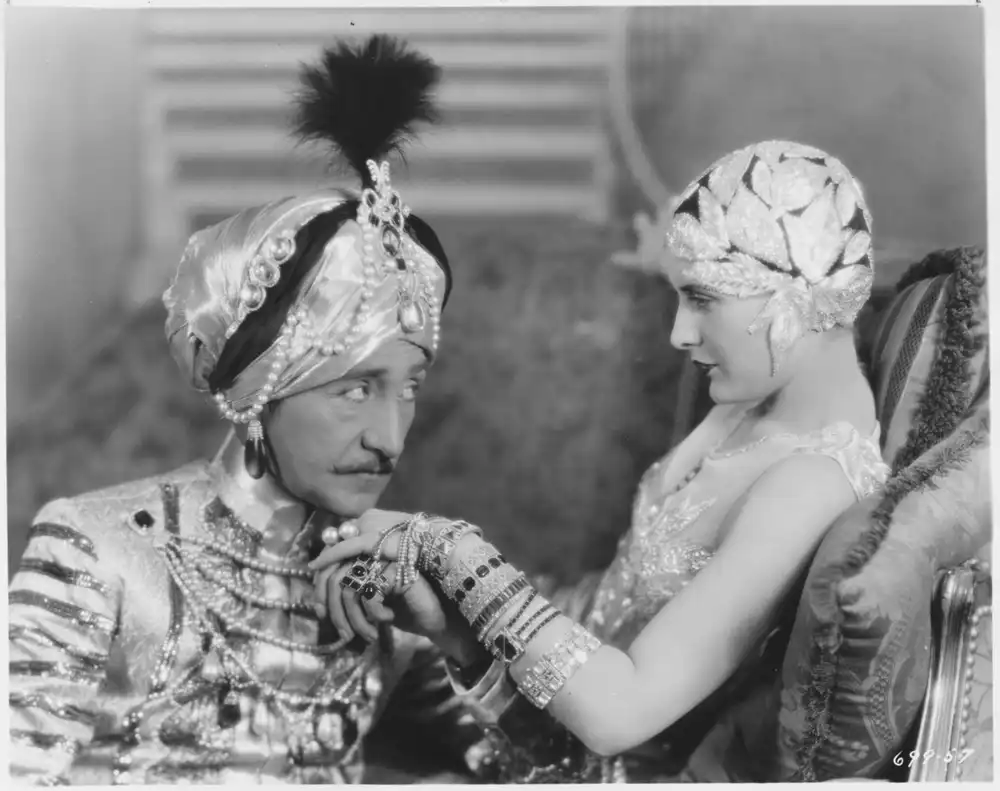
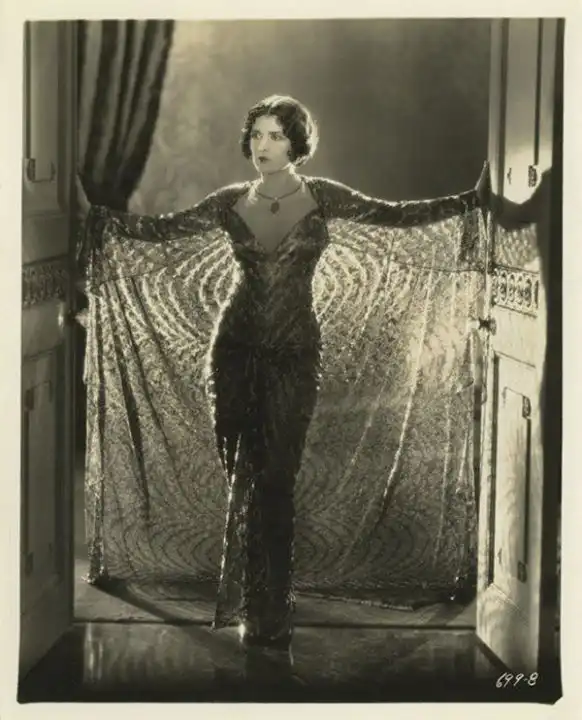
Evelyn Brent, though. She's the reason to stick with this. As the Duchess, she has this incredible poise, even when the script doesn't quite know what to do with her. Her eyes really do most of the heavy lifting. There's a scene where De Vesa, in his rajah guise, is trying to explain some exotic custom, and you can practically see her trying to decide if he's fascinating or just a bit mad. Her subtle eye rolls, almost imperceptible, are gold. It reminds me a little of her work in The Woman and the Puppet, where she just commands the frame without saying a word.
The pacing, for a good chunk of the middle, is surprisingly snappy. The whole charade of De Vesa's character trying to maintain his fake identity leads to some genuinely funny visual gags. There’s a moment where he almost blows his cover because he instinctively reaches for a prop that's not supposed to be part of his royal persona. It’s a tiny detail, easy to miss, but it lands because De Vesa sells the panic.
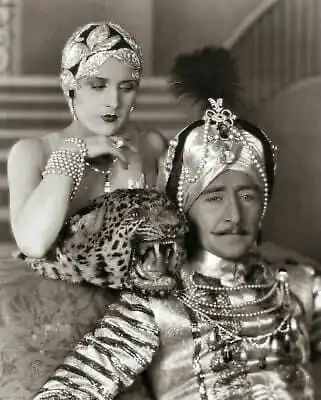
However, once the initial charm of the deception wears off, things get a little… stretched. The film starts to lean heavily into the dramatic consequences, and it feels like the writers (including Herman J. Mankiewicz, which is a surprise given the later sharpness of his work) couldn't quite decide how serious they wanted to be. The intertitles, which were quite witty in the first half, become much more declarative and less evocative. It’s like they suddenly remembered this was supposed to be a melodrama.
Adolphe Menjou pops up as a rival suitor, and he’s fine, but his character feels a bit underwritten. He’s mostly there to provide a contrast to De Vesa's earnestness, and to be generally slick. There's a scene where he's practically preening in the background while the Duchess is clearly more interested in the 'Rajah,' and Menjou's reaction shot lingers just a beat too long, making it a bit comical rather than genuinely threatening. Maybe that was the intent.
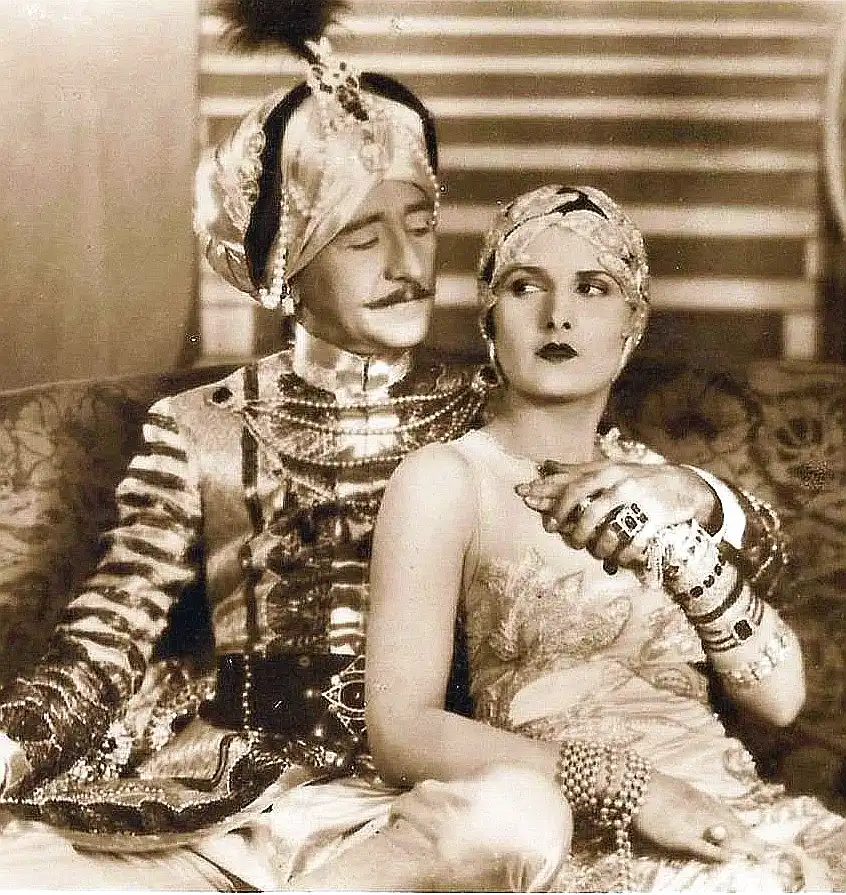
The 'tiger wife' aspect of the title, by the way, is barely there. It refers to a story De Vesa's character tells, a fable about devotion. It’s a nice touch, but the movie doesn't really earn the poetic weight it tries to give that particular narrative. It almost feels like a late addition to give the film a more intriguing title than its actual content might suggest.
When De Vesa's character finally confesses his deception, it's handled with a surprising amount of grace. He doesn't let things go too far, which is a relief. The film avoids the kind of drawn-out, agonizing reveal that would feel manipulative. Instead, he just… tells her. And then he leaves. It's a noble, if slightly anticlimactic, end to the charade. The silence in that scene, broken only by the score, really makes you feel the weight of his decision. You can almost feel the air leave the room.
The resolution, after all that, is a little too neat. It wraps things up with a bow that feels a bit forced, especially after the emotional rawness of the confession. But that's a common pitfall for many films of the era. They want that happy, clean ending, even if it means sacrificing some of the earlier, more nuanced character work.
Ultimately, His Tiger Wife is a film that's memorable for its moments rather than its overall arc. Evelyn Brent's performance, the initial cleverness of the deception, and a few well-timed comedic beats make it worthwhile for silent film enthusiasts. It's not a film you'll likely revisit often, but it's a pleasant enough diversion for an afternoon when you're in the mood for something a little different, a little old, and a little uneven.
IMDb —
1919
Community
Log in to comment.