DbcultAccessing Vault...
6.3/10
Senior Film Conservator
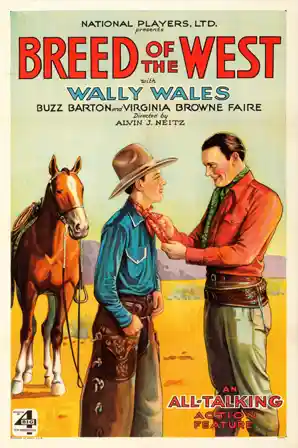
A definitive 6.3/10 rating for a film that redefined the boundaries of cult cinema. Breed of the West remains a cornerstone of transgressive art.
If you aren't already a fan of dusty, 1930s cowboy movies, you should probably skip this one. It is very much a product of its time, which means a lot of standing around and talking in front of rocks.
People who love old-school stunt work might find some joy here. If you hate slow pacing and actors who look like they’re waiting for their next line, you’ll probably want to turn it off after ten minutes.
I watched this on a Tuesday afternoon when I didn't want to think too hard. It’s a movie that feels like it was filmed in a single weekend with whatever horses were available.
The plot centers on this guy Longrope, who is the foreman on a ranch. He’s a total jerk, but for some reason, the Colonel trusts him more than anyone else.
The Colonel keeps firing people just because Longrope doesn't like them. It’s actually kind of frustrating to watch because the Colonel seems so incredibly gullible.
I kept waiting for someone to just tell the old man he was being played. But no, the movie drags that out as long as it possibly can.
Longrope is played by Slim Whitaker, and he has one of those faces that just looks like trouble from the start. You can see his evil plan coming from a mile away.
There is this one scene where Jim overhears the plan to rob the Colonel. It’s one of those classic 'hiding behind a bush' moments that feels very staged.
When Longrope shoots Jim, the sound effect is a bit late. It’s that weird 1931 audio where everything sounds like it was recorded inside a tin can.
This sends Wally—played by Buzz Barton—into action. Wally is supposed to be the hero, I guess, but he spends a lot of time just looking concerned.
Buzz Barton has this very specific way of riding a horse that looks almost uncomfortable. I noticed his hat stays perfectly still even when he’s galloping, which is a miracle of physics.
If you’ve seen At Devil's Gorge, you know the vibe of these early talkies. They are clunky and a bit awkward, but they have a certain charm if you’re in the right mood.
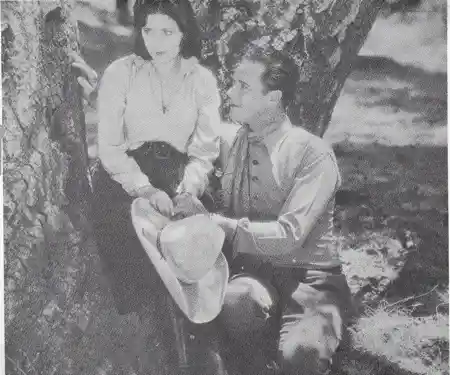
One reason to actually pay attention is Yakima Canutt. He’s in the cast, and he’s basically the god of movie stunts.
Even in a thin movie like this, you can see the difference when the real pros are on screen. The way people fall off horses in this era is just wild—no pads, just dirt.
I think I saw a background extra almost lose his balance during a scene at the ranch house. It’s those little mistakes that make these old movies feel more real than the polished stuff we get now.
The scenery is just a lot of scrub brush and hills. It reminded me a bit of the landscape in The Maverick, though maybe a bit more bleak.
The dialogue is pretty simple. "You're fired" and "I'll get you for this" are basically the two main themes of the script.
The writers, Alan James and Henry Taylor, didn't really try to reinvent the wheel here. They just wanted to get to the part where the good guy chases the bad guy.
There is a specific shot of a coffee pot that lingers for about five seconds too long. It doesn't mean anything, but it made me want coffee.
Also, the way the Colonel holds his cane makes it look like he’s never actually used one before. He just carries it around like a prop he was handed two minutes before the camera started rolling.
The ending is exactly what you think it will be. There are no surprises here, which is sometimes exactly what you want from a movie made in 1931.
It’s a fine movie. Not great, not terrible, just... there. It’s like a bowl of plain oatmeal—it fills the time but you won't be dreaming about it later. 🤠
If you're bored and want to see how they used to make 'em, give it a look. Just don't expect it to be the next The Black Pirate in terms of excitement.
The runtime is short, which is a blessing. It gets in, does its cowboy thing, and gets out before you get too restless.

IMDb —
1932
Community
Log in to comment.