DbcultAccessing Vault...
4.9/10
Senior Film Conservator
A definitive 4.9/10 rating for a film that redefined the boundaries of cult cinema. Mathusalem remains a cornerstone of transgressive art.
Is this film worth watching today? Short answer: Only if you are prepared to trade narrative logic for historical fascination. This is not a 'movie' in the modern sense, but a radical artifact of the avant-garde that demands a specific kind of patience.
This film is for the dedicated cinephile, the student of surrealism, and those who find beauty in the fragmented remains of early 20th-century experimentation. It is absolutely not for anyone seeking a coherent plot, emotional catharsis, or a traditional cinematic experience.
1) This film works because it captures the raw, unfiltered anxiety of the post-WWI European psyche through grotesque, anti-naturalistic imagery.
2) This film fails because its fragmented structure, originally designed to accompany a stage play, feels disjointed and alienating when viewed as a standalone piece of cinema.
3) You should watch it if you want to witness the exact moment when the theater of the 19th century collided with the experimental potential of the 20th-century lens.
Is Mathusalem a masterpiece of storytelling? No. It is a jagged, uncomfortable piece of art that refuses to settle into a comfortable rhythm. However, for those interested in the evolution of visual language, it is essential viewing. It offers a glimpse into a period where filmmakers were not yet bound by the 'rules' of Hollywood continuity.
It works. But it’s flawed. The experience of watching it is less like watching a story unfold and more like digging through a box of discarded, haunted memories from a dead civilization. If you value historical context over entertainment value, the answer is a resounding yes.
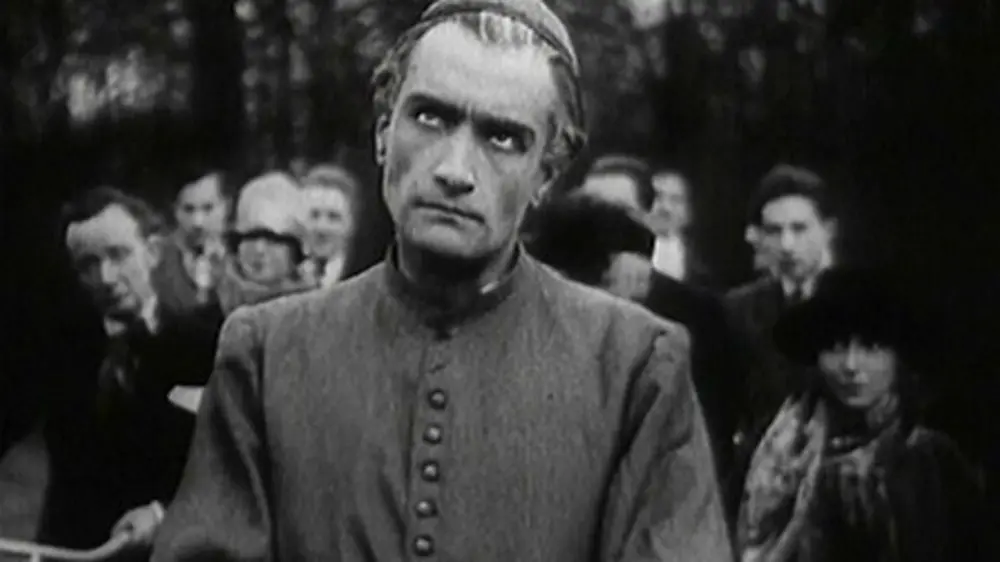
Ivan Goll’s vision for Mathusalem was never meant to be 'pleasant.' As a precursor to the Theater of the Absurd, the film segments—directed by the scientific-minded Jean Painlevé—seek to dehumanize the characters. They become cogs in a machine. They are masks rather than people. In one specific scene, the mechanical movements of the titular character are contrasted with the fluid, almost terrifying energy of a dream sequence involving animals. It is jarring. It is meant to be.
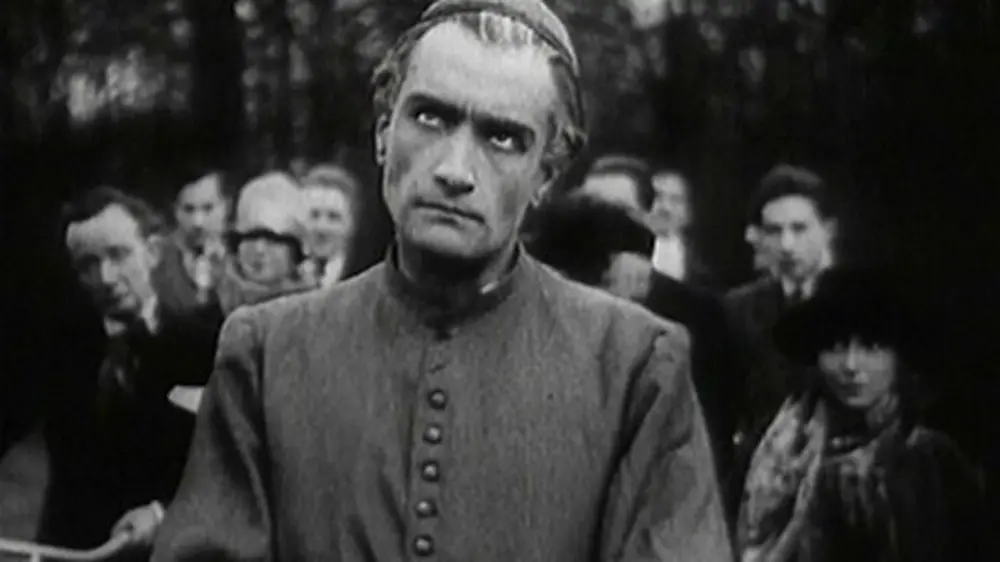
The presence of Antonin Artaud is perhaps the biggest draw for modern viewers. Artaud, who would go on to develop the 'Theater of Cruelty,' brings a vibrating, nervous energy to his role. Even in this early stage, you can see his rejection of traditional acting. He doesn't just perform; he exists on screen as a disruption. Compare his intensity here to the more stylized, romanticized performances in Satan's Rhapsody, and you see the birth of a much more aggressive form of art.
Jean Painlevé is better known for his scientific documentaries about seahorses and mollusks, but here he applies that same detached, observational eye to the human animal. The cinematography is stark. It lacks the lush, atmospheric lighting found in Nathan der Weise, opting instead for something that feels almost medical in its coldness. The camera doesn't flatter the actors; it examines them like specimens under a microscope.
The pacing is, frankly, a mess. Because these filmed sequences were intended to be interludes within a play, they lack a natural build-up. They are bursts of energy that stop as soon as they begin. This creates a staccato rhythm that can be exhausting. One moment you are watching a satirical dinner party, and the next you are plunged into a surrealist 'Dream of the Animals' that feels like a precursor to the works of Salvador Dalí. It is a sensory overload that lacks a tether.
The script, such as it is, is a brutal takedown of the industrialist class. Mathusalem is 'The Eternal Bourgeois.' He is a man who has outlived his own soul. The film uses exaggerated costumes and stiff, puppet-like choreography to suggest that wealth has stripped these people of their humanity. This isn't subtle social commentary. It’s a sledgehammer. It reminds me of the heavy-handed but effective moralizing seen in The Lost City, though Goll’s approach is far more experimental.
One of the most striking elements is the use of animal imagery. In the absurdist tradition, animals are often more articulate and 'human' than the human characters. This reversal serves to highlight the absurdity of the social hierarchies that Mathusalem clings to. When the animals speak (through title cards or implied dialogue), they expose the hollowness of the industrial world. It is a biting, cynical perspective that feels surprisingly modern.
Mathusalem is a difficult, prickly, and often baffling piece of cinema. It does not want to be liked. It wants to provoke. As a film critic, I find it impossible to ignore its influence, even if the actual experience of watching it is more of a chore than a joy. It is a vital link in the chain of film history, connecting the stage to the screen in a way that was decades ahead of its time.
"Mathusalem is not a movie; it is a scream from the past, a mechanical rattle of a dying class captured on a flickering reel."
If you are looking for a story, look elsewhere. If you are looking for the roots of the modern subconscious on film, you have found your destination. It is a broken machine that still manages to spark.
IMDb 5.7
1928
Community
Log in to comment.