DbcultAccessing Vault...
6.8/10
Senior Film Conservator
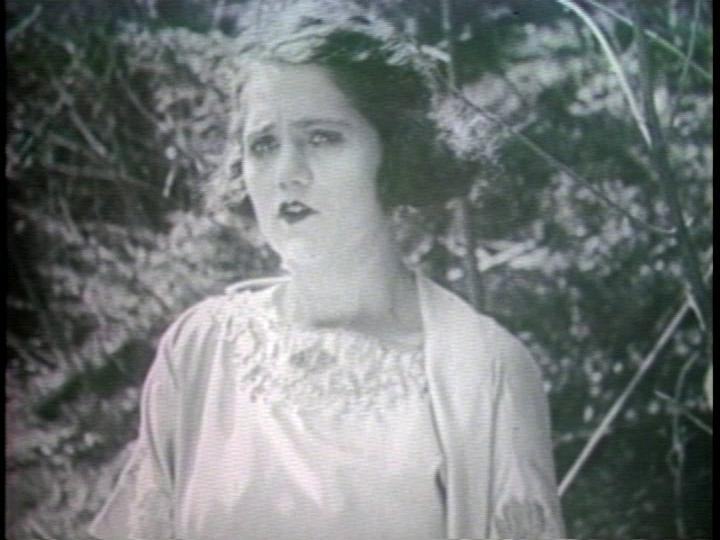
A definitive 6.8/10 rating for a film that redefined the boundaries of cult cinema. Cupid, Registered Guide remains a cornerstone of transgressive art.
The reel unspools like a tintype fever dream: cedar-plank platforms cantilevered over white water, hemp ropes singing under pulleys, and a florid country sawbones—stethoscope glinting like a sheriff’s star—cranking the windlass that dangles the future father-in-law above hypothermic doom. Cupid, Registered Guide may masquerade as a trifling 1911 one-reeler, yet its fourteen celluloid minutes coil tighter than a surgeon’s ligature around the throat of sentimental convention.
Forget moonlit balconies; here courtship transpires in a gusty crucible. The physician-hero—played with bristling confidence by William Peavey—does not plead for paternal blessing; he engineers it. By stranding the old man on a rope-railway plank, river spray needling gaunt cheeks, the film literalizes the era’s subtext: marriage is a transfer of property—specifically the daughter—signed under duress. The gag lands because the patriarch, Ben Hendricks Jr., sputters like a teakettle while his boots skate air. Every crank of the handle is a heartbeat; every refusal inches him closer to the foam. The comedy is surgical, a precise incision between vaudeville slapstick and Gothic suspense.
Once consent ricochets across the gorge, the narrative vaults to the opposite shore where Edna May Sperl’s ingenue waits among wildflowers and a preacher whose Bible flaps like a dove. The transition—from peril to pastoral—lasts a mere splice, yet the tonal whiplash feels oddly honest: love, once decriminalized, must be celebrated before second thoughts bloom.
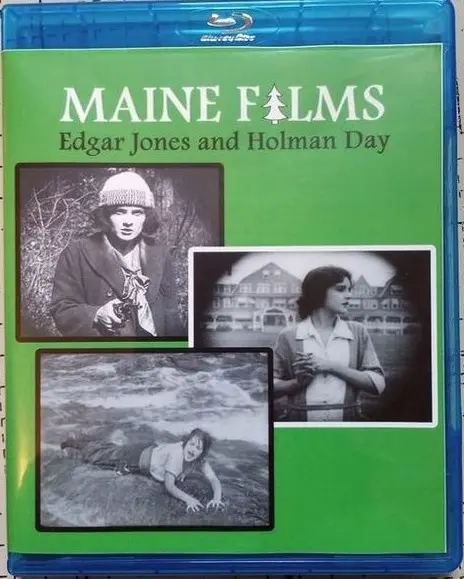
Peavey’s doctor never twirls a mustache; instead he blinks with feverish purpose, as though diagnosing the very moment paternal resistance will fracture. His body leans toward the windlass, a man tuning an enormous instrument of persuasion. Hendricks, meanwhile, graduates from bluster to frantic Morse code—each boot-scrape on the plank is a staccato plea. The pair choreograph a duet of leverage and panic, all while Edgar Jones’s camera holds medium-wide, trusting spatial stakes to milk the tension.
Edna May Sperl has perhaps the unspoken task of embodying the prize without objectifying herself. She darts between glances—half-thrilled, half-appalled—at the mechanized coercion unfolding in her name. The flicker in her eyes when the rope jitters is the moral axle on which the entire farce teeters.
Holman Francis Day, Maine’s chronicler of logging camps and tidal estuaries, imports pine-sap authenticity into what could have been a city-born gag. The rope-railway is no Rube Goldberg contraption but a plausible backwoods conveyance, the sort that once shuttled pulpwood across chasms. Day’s intertitles—laconic as frost—read like clipped telegrams: “Consent—or cataract!” Such regional specificity brands the film with documentary perfume, anchoring its absurdity in material truth.
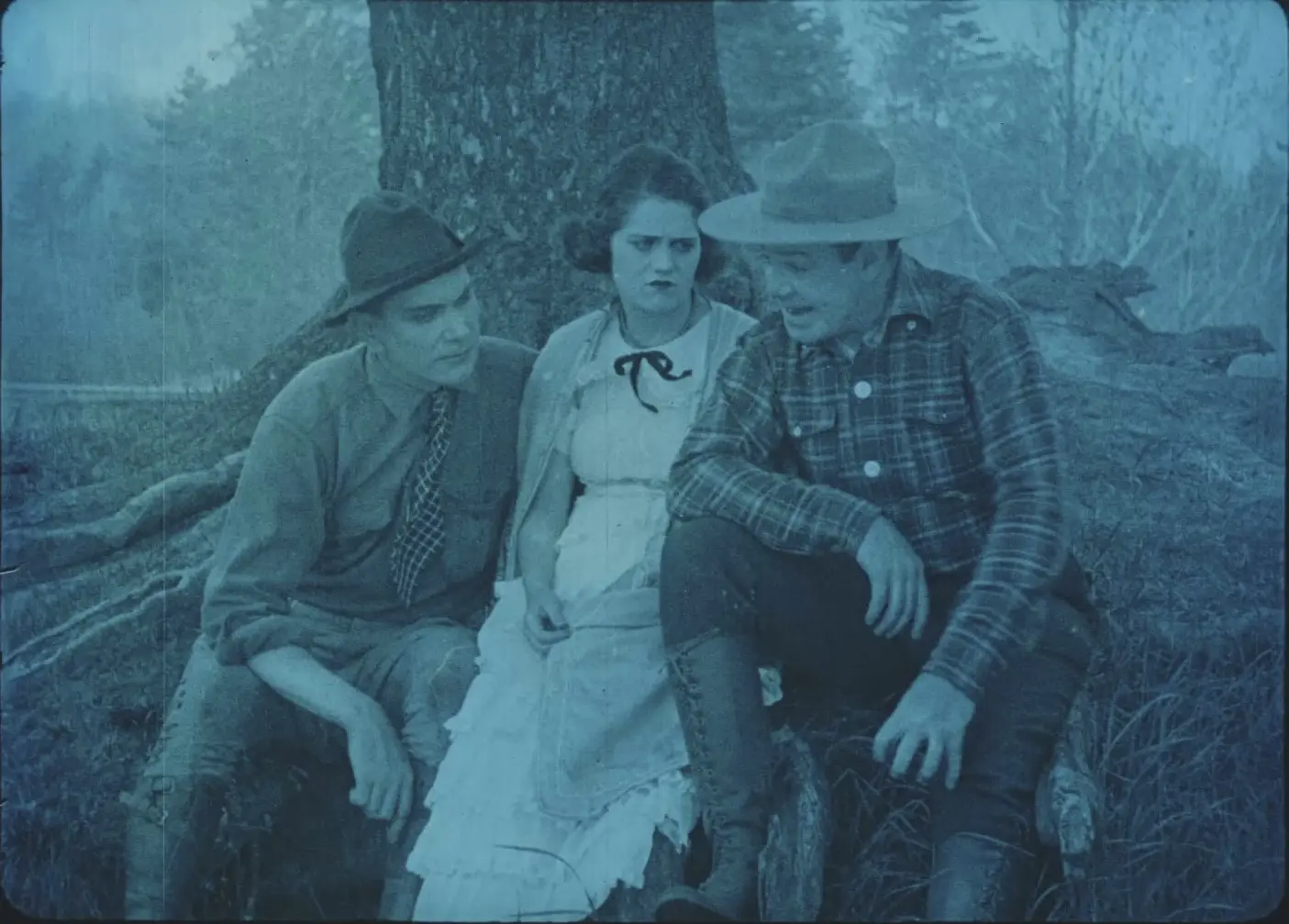
Surviving prints bear the amber bruise of nitrate age, yet this patina amplifies the peril; the gorge becomes a sepia maw. Jones positions his tripod to bisect the frame with the horizon line—rope and river intersecting like a crucifix. Depth is achieved not via tinting but through atmospheric haze: vapors rise, softening distant firs into Chinese-brush silhouettes. The eye clings to Hendricks’s suspenders, the sole vertical stripe amid horizontal chaos, a flag of mortal jurisdiction.
Clocking in at roughly fourteen minutes, the picture predates the three-reel narrative standard; thus every shot is a piston stroke. Compare it to The Eternal Sappho or The Pawn of Fortune, contemporaneous melodramas that luxuriate in tableau. Cupid instead anticipates the punchline economy of A He-Male Vamp and the kinetic peril of In a Pinch. Yet unlike those urban romps, the humor here is centrifugal, flinging its protagonist outward toward natural void rather than inward toward social pratfall.
Modern viewers might bristle: the woman is traded like a deed suspended mid-air. Yet the film’s very grotesquerie exposes that transaction. By foregrounding the apparatus—ropes, pulleys, windlass—it renders patriarchal leverage absurd, a Rabelaisian inversion. The daughter’s consent is never asked, but her gaze becomes the final intertitle, a silent indictment that sours the wedding cake. In this, Cupid is more proto-feminist parody than reactionary fantasy, akin to how Sunshine and Gold smuggles class critique inside gold-rush slapstick.
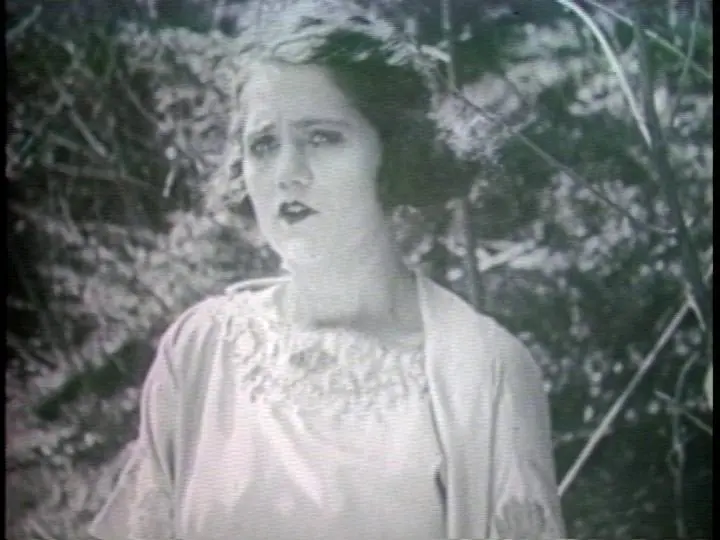
Exhibitors of the era often supplemented such reels with fiddle hoedowns or river-recorded effects. Imagine hearing the rope fibers fraying in real time, a bow scraping catgut to mimic tension. The absence of on-set audio invites synesthetic projection; viewers become foley artists. Compare this participatory vacuum to the urban clang of The Penalty or the narcoleptic hush of In Slumberland. Here, nature itself supplies the score—water, wind, and the percussive clatter of wooden ratchets.
For decades the negative languished in a Bangor attic, wedged between logging ledgers and temperance pamphlets. A 2018 Kickstarter funded a 4K wet-gate transfer, revealing previously illegible marginalia: a child’s scrawled heart on the final shot. The Library of Congress now stores a polyester copy colder than the original river, while a DCP circulates cinematheques, its pixels glowing like fireflies against digital void. Such resurrection situates Cupid alongside Alias Jimmy Valentine and Scars of Love in the pantheon of salvaged Americana.
Where A Romance of the Redwoods deploys outlaws and redemptive baptism, and Loose Lions and Fast Lovers opts for menagerie mayhem, Cupid distills courtship to its bare winch. No lions, no bandits—just gravity and promise. The economy is ruthless, closer to the existential slapstick of The Very Idea than the plush sentiment of Ce qu’on voit.
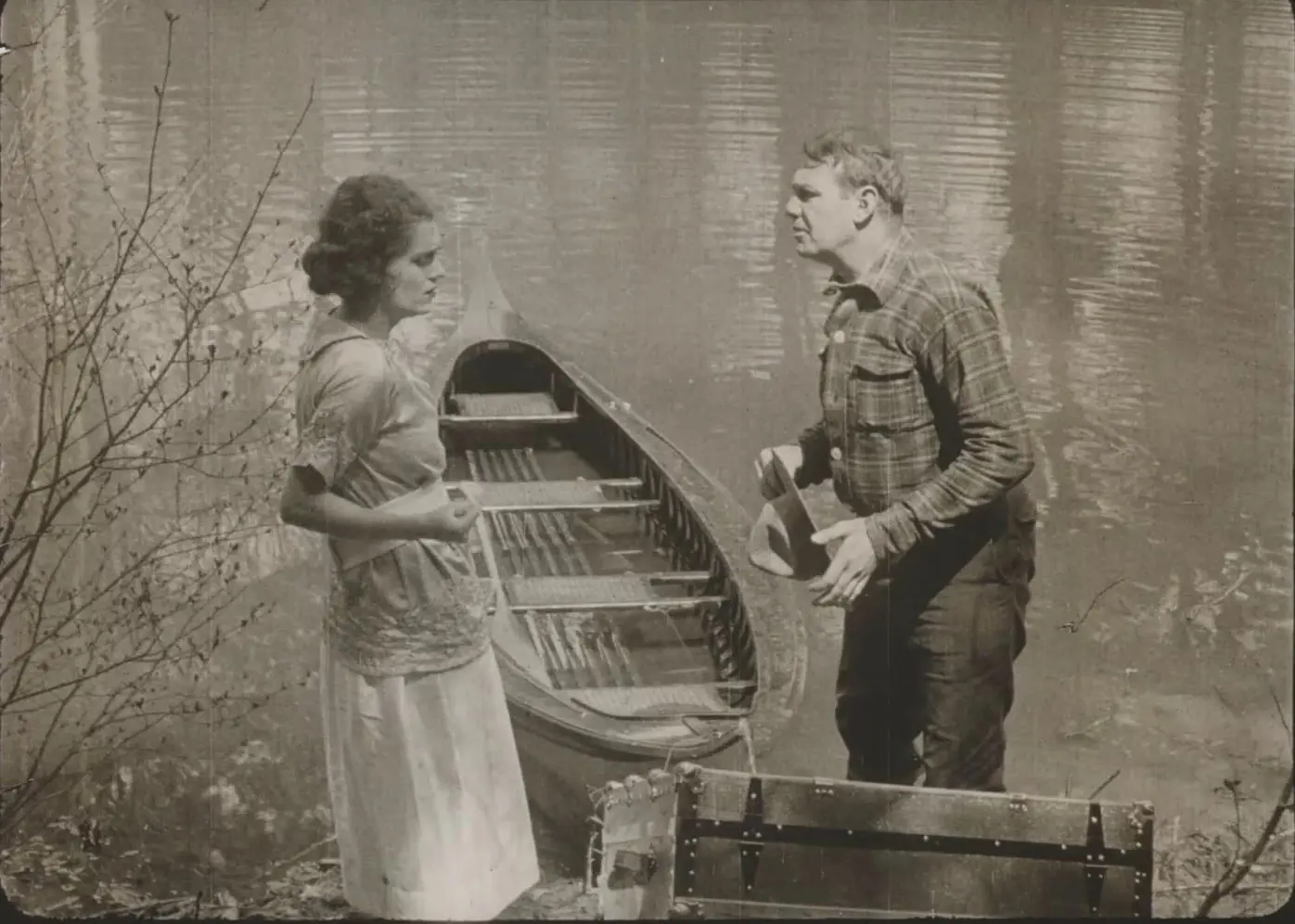
Great comedy is cruelty redeemed by timing; here the redemption is the rope’s sway. Each oscillation reminds the modern viewer that marriage once balanced on legal tender and male leverage. Yet the film’s brevity, its refusal to moralize, lets the audience dangle in ethical vertigo long after the wedding march. You laugh, you wince, you feel the abyss huffing on your neck—an aftertaste no CGI rom-com has recaptured.
Because the narrative arc is a single flourish, repeated viewings reveal micro-gestures: the doctor’s thumb stroking the crank as if testing pulse, the preacher’s shoes sinking into moss, a bridesmaid swallowing a giggle like contraband. The film becomes a flip-book of human appetites—fear, lust, relief—each frame a stanza in a pocket-sized epic.
Seek it out wherever silents are sanctified—whether at a regional archive with folding chairs or a 2 a.m. Vimeo rip. Let the river roar through the speaker crackle, let the rope hum. Remember that love, like cinema, is part miracle, part machinery, and always suspended inches above the drop.
IMDb —
1932
Community
Log in to comment.