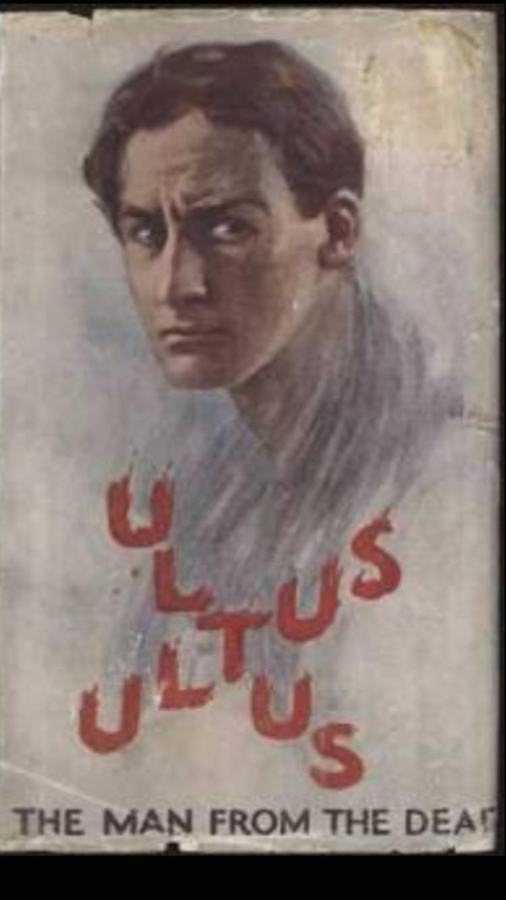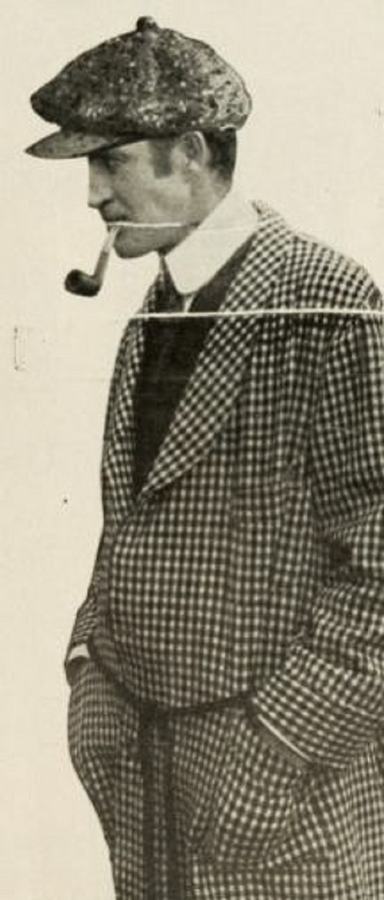
Sherlock Holmes solves a murder rooted in the Mormon trek of 1850..
Arthur Conan Doyle, Harry Engholm
United Kingdom
Historical Resonance and Narrative Duality A Study in Scarlet emerges as a striking fusion of detective fiction and historical allegory, its narrative scaffolding built upon the collision of two epochs. The film’s decision to interweave the 1850s Utah War—a period marked by violent clashes between settlers and ind...
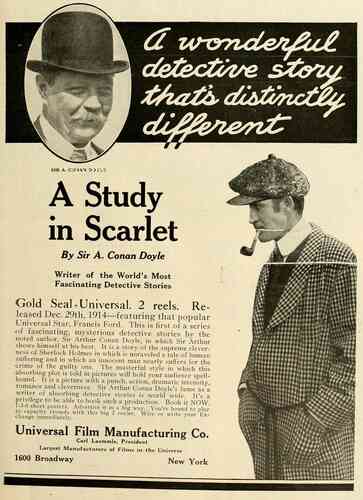
publicity
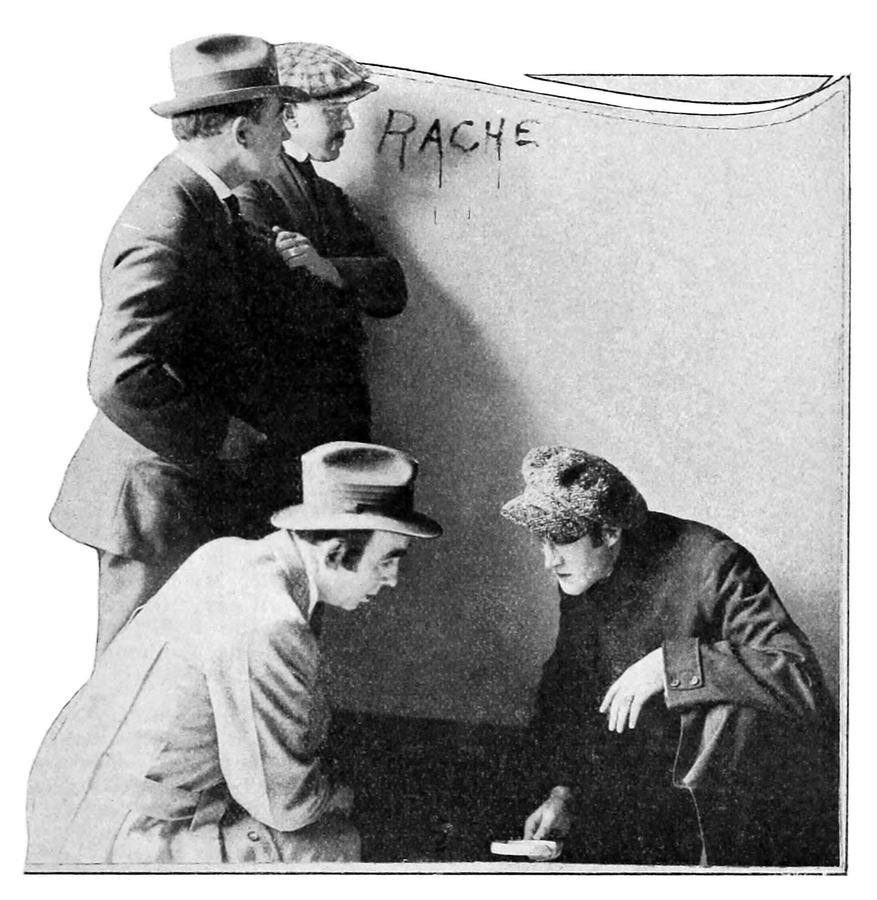
still_frame
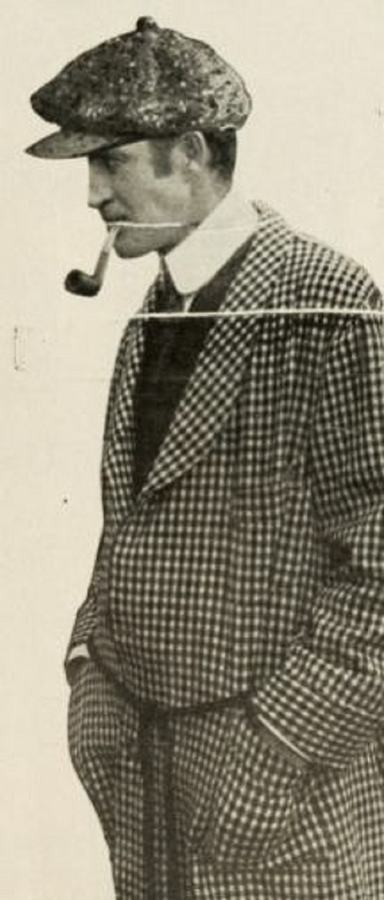
still_frame
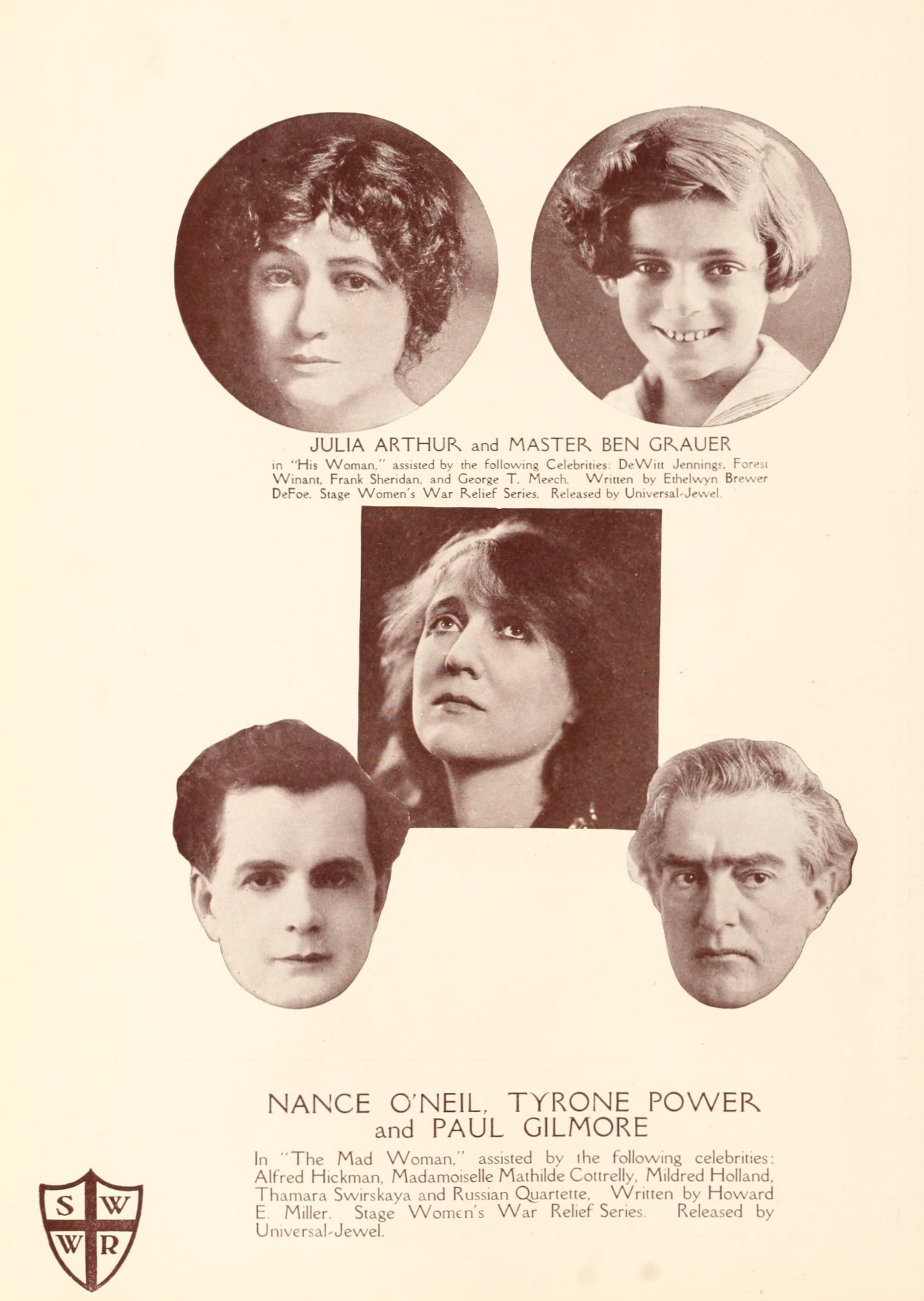
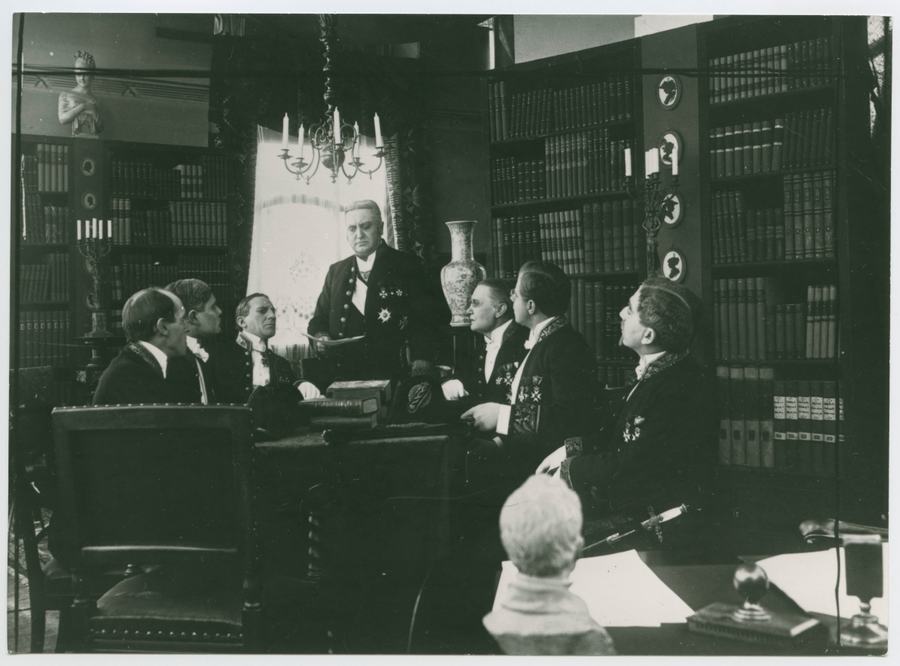
Comparing the cinematic DNA and archive impact of two defining moments in cult history.
George Pearson
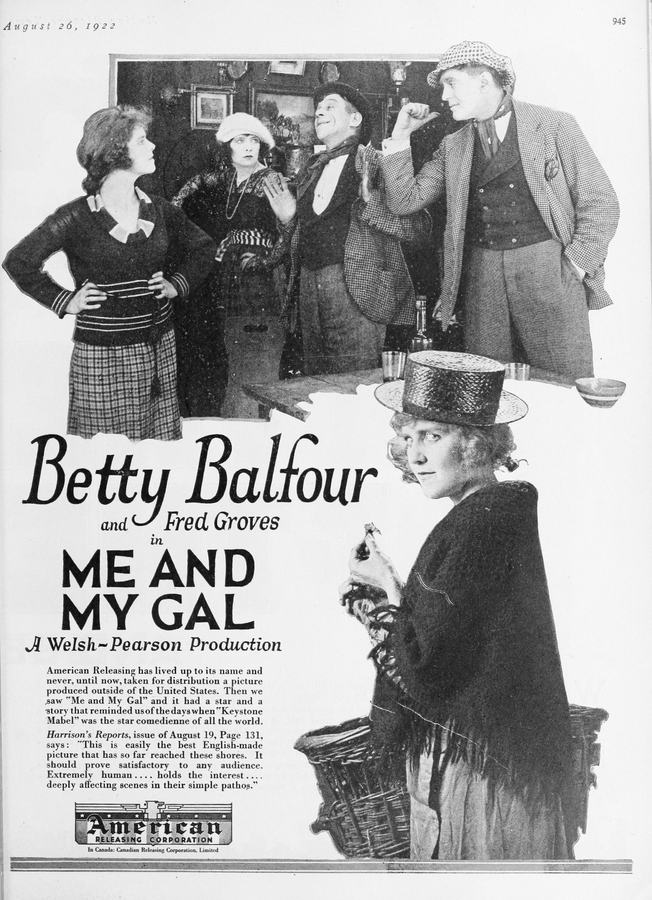
George Pearson
Community
Log in to comment.
" Historical Resonance and Narrative Duality A Study in Scarlet emerges as a striking fusion of detective fiction and historical allegory, its narrative scaffolding built upon the collision of two epochs. The film’s decision to interweave the 1850s Utah War—a period marked by violent clashes between settlers and indigenous populations—with a contemporary murder in London is not mere narrative contrivance but a deliberate interrogation of how history’s traumas reverberate across time. Arthur C..."
Deep dive into the cult classic
Discover similar cinematic experiences
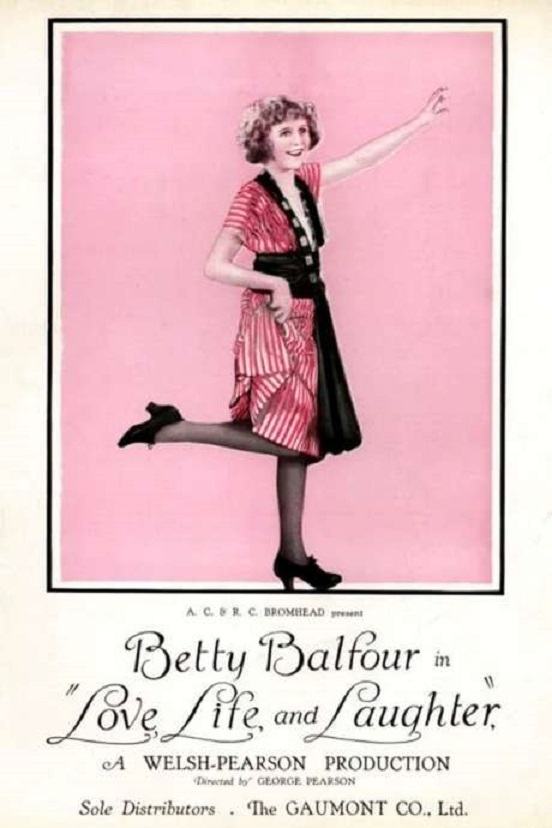
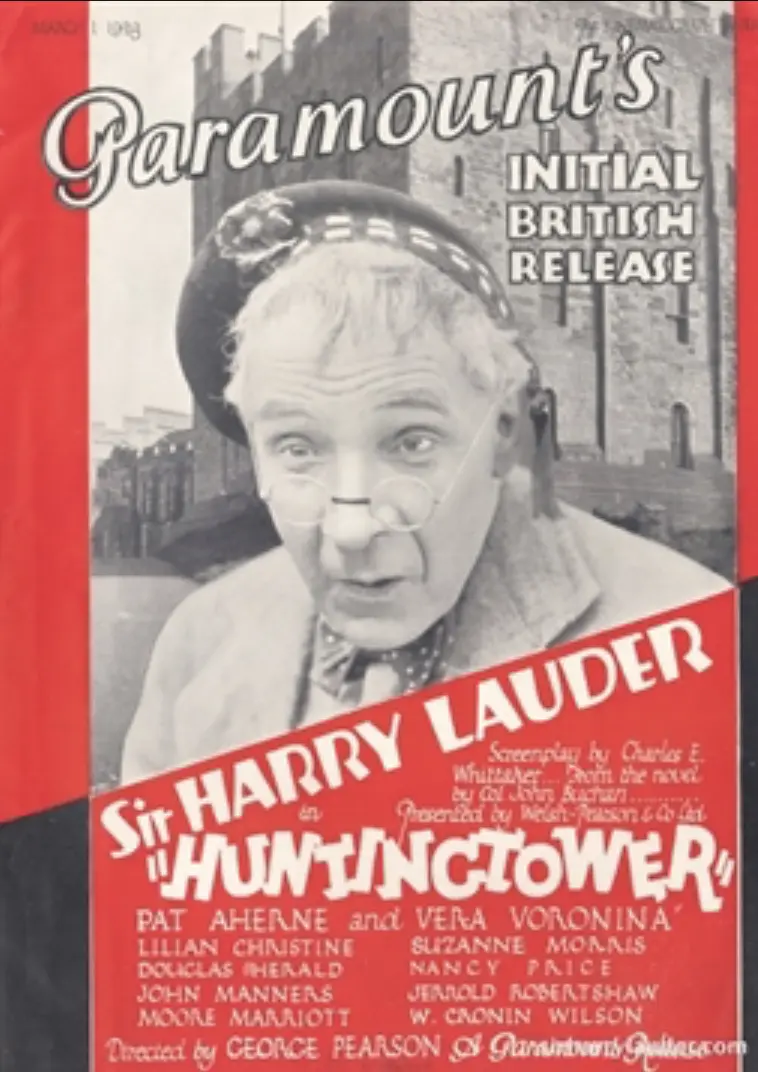
A Directorial Spotlight on George Pearson