DbcultAccessing Vault...
7.2/10
Senior Film Conservator
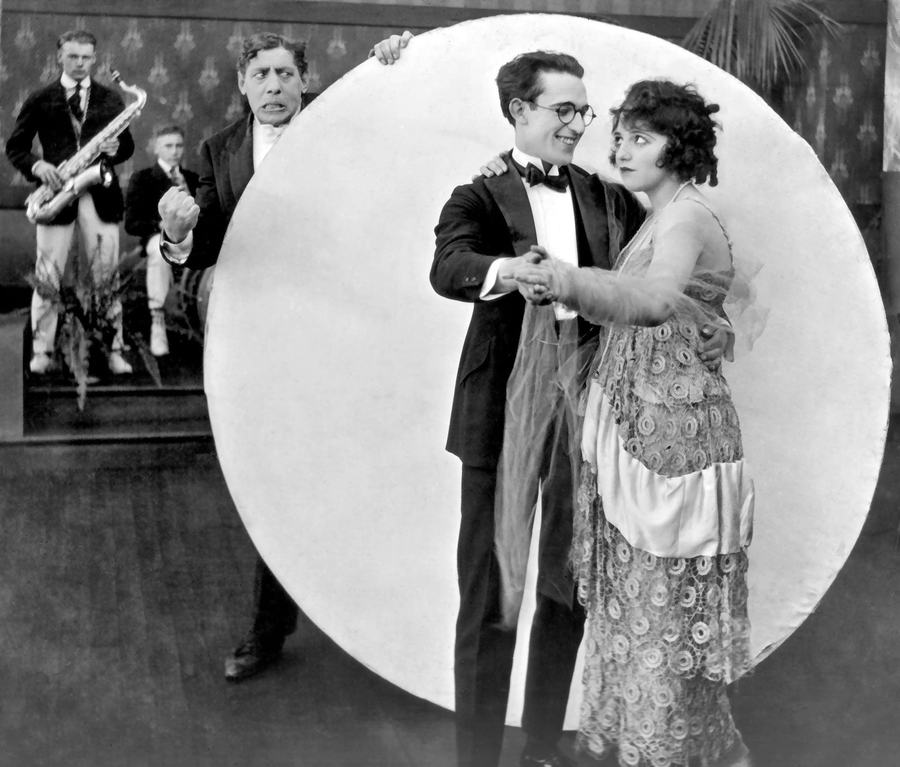
A definitive 7.2/10 rating for a film that redefined the boundaries of cult cinema. Soft Money remains a cornerstone of transgressive art.
The year 1919 stands as a monumental threshold in the evolution of cinematic grammar, a period where the primitive energy of the Keystone Comedies era began to coalesce into more sophisticated, character-driven narratives. At the epicenter of this transformation was Harold Lloyd, a performer who was rapidly shedding the derivative skin of 'Lonesome Luke' to embrace the 'Glasses' persona—a character that embodied the frantic, aspirational spirit of the post-war American male. In Soft Money, we witness a fascinating distillation of these themes: the intersection of class, the morality of survival, and the relentless machinery of urban comedy.
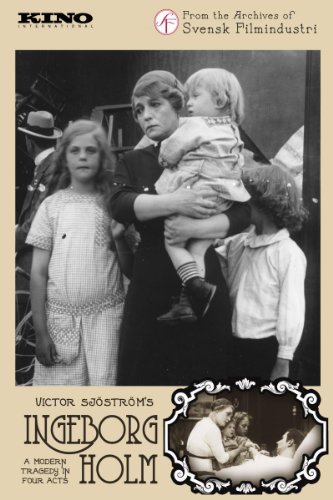
The premise of Soft Money is deceptively simple, yet it serves as a robust framework for Lloyd’s burgeoning physical virtuosity. Harold, portrayed with a desperate, wide-eyed hunger, is the quintessential 'have-not.' His encounter with a wealthy, intoxicated friend is not merely a chance meeting but a collision of two disparate social strata. The cabaret setting acts as a neutral ground where the rules of polite society are suspended, replaced by the hedonistic rhythm of the jazz age's infancy. Unlike the melodramatic gravity found in A Mother's Confession, Soft Money treats its moral lapses with a wink and a nudge, prioritizing the kinetic energy of the gag over the finger-wagging of the moralist.
The act of 'abstracting' the money is choreographed with the precision of a ballet. Lloyd’s movements are a study in economy; every slide of the hand and every nervous glance toward the periphery is calculated to elicit both tension and laughter. This isn't the crude thievery of a villain, but the resourceful maneuvering of a protagonist whom the audience is conditioned to root for, despite his ethically dubious actions. It reflects a zeitgeist where the 'little guy' was often forced to play outside the rules to secure a seat at the table—a theme explored with less levity in dramas like Fighting Cressy.
The cabaret scenes in Soft Money are a sensory feast, even within the monochromatic constraints of 1919 cinematography. The direction by Fred C. Newmeyer utilizes the space effectively, creating a sense of claustrophobic revelry. Here, the supporting cast shines, particularly the ever-reliable 'Snub' Pollard and the luminous Bebe Daniels. Daniels, often the 'Girl' in Lloyd's early shorts, provides a grounding presence amidst the slapstick whirlwind. Her interactions with Lloyd suggest a level of chemistry that would later be perfected in their more famous collaborations, though here it remains a vital component of the film's social texture.
The use of the drunken friend—played with a delightful, rubber-limbed abandon—serves as the perfect foil for Harold's sharp, staccato movements. This duality between the fluid, uncoordinated wealthy man and the rigid, hyper-focused poor man creates a visual metaphor for their economic positions. While the drunkard can afford to lose his senses (and his cash), Harold must remain preternaturally alert to survive. This dynamic is a far cry from the more static characterizations in contemporary pieces like Arizona, showcasing the rapid advancement in comedic performance art.
To analyze Soft Money is to engage with the very concept of *visuality*. In the absence of dialogue, the film relies on a sophisticated semiotics of gesture. The way Harold handles the stolen bills—with a mix of reverence and terror—conveys more about the weight of poverty than a thousand lines of script could. The 'softness' of the money refers not just to the physical currency but to its lack of permanence. It is a mercurial substance, flowing through fingers like water, a concept that mirrors the instability of the era itself.
One must also consider the contribution of H.M. Walker, whose titles and scenario development provided the scaffolding for Lloyd's improvisational genius. Walker understood that comedy is often the shadow of tragedy; the humor in Soft Money stems from the inherent cruelty of the situation—the exploitation of a friend's weakness for personal gain. Yet, the film avoids becoming a dirge by maintaining a breakneck pace and a relentless commitment to the next gag. It shares a certain DNA with The Love Hermit in its exploration of social isolation, but it chooses the path of the jester rather than the recluse.
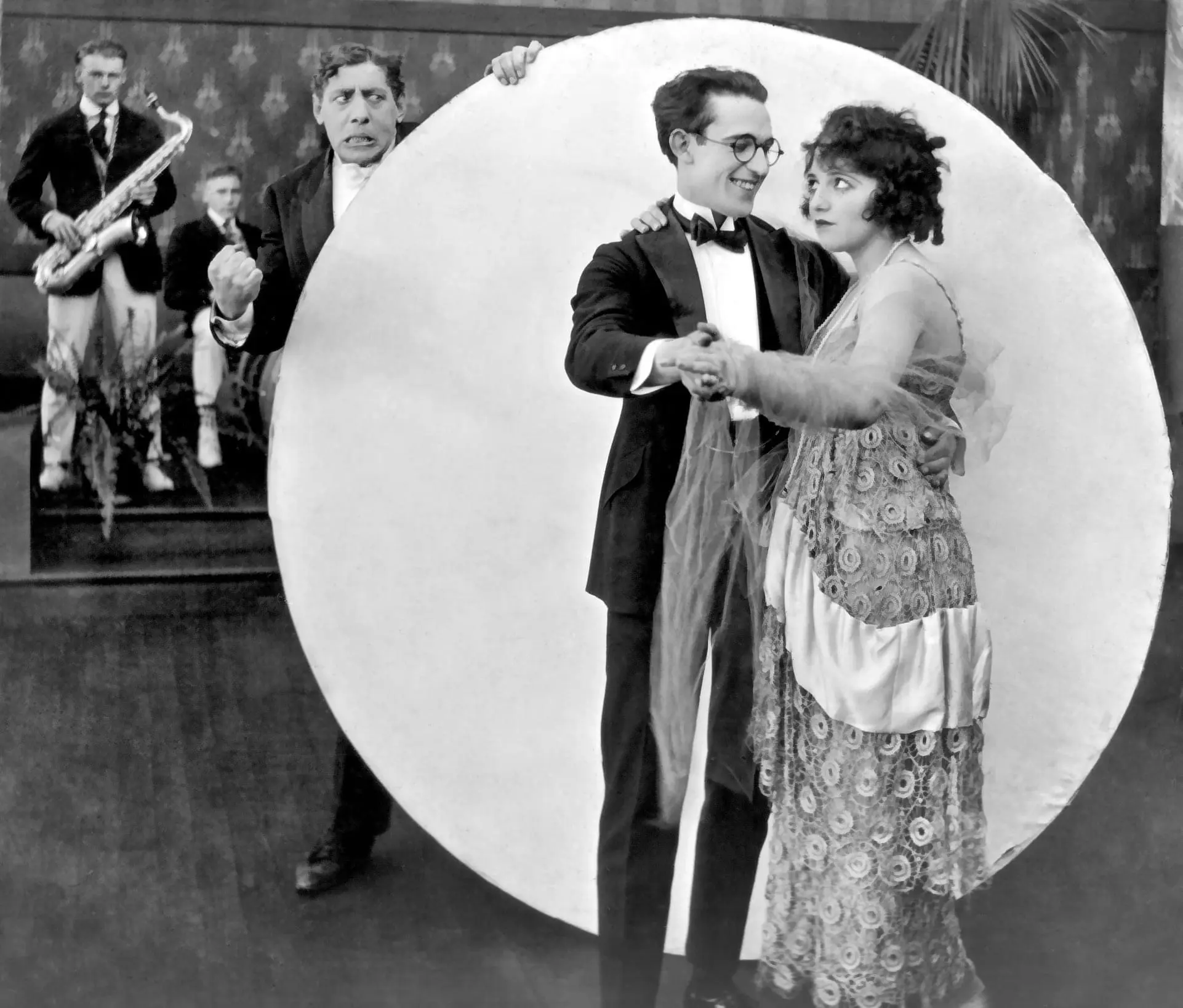
When placed alongside other 1919 releases, such as the more somber The Spotted Lily or the adventurous A Man's Man, Soft Money feels remarkably modern. While many films of the time were still bogged down in Victorian theatricality, Lloyd and Roach were experimenting with the medium's unique ability to compress and expand time. The cabaret sequence, in particular, feels like a precursor to the sophisticated 'sophisticated comedy' of the 1930s. It lacks the mawkish sentimentality of The Sentimental Lady or the historical rigidity of For Napoleon and France.
Furthermore, the film's cynical conclusion—Harold losing the money he worked so hard (and dishonestly) to obtain—serves as a poignant commentary on the cyclical nature of the lower class's struggle. It echoes the themes of fate and futility seen in Satana, albeit through a much lighter lens. This 'easy come, easy go' philosophy was a staple of the era, reflecting a world that had just seen the old order dismantled by war and was now trying to find its footing in a new, more volatile reality.
What makes Soft Money particularly compelling for the modern cinephile is the burgeoning confidence of the 'Glasses' character. In films like Little Lady Eileen or Betty in Search of a Thrill, the protagonists are often defined by their circumstances. Lloyd’s character, however, is defined by his *reaction* to his circumstances. He is an active agent of his own destiny, however misguided his methods may be. This agency is what separated Lloyd from his contemporaries and allowed him to eventually surpass the fame of even the most established stars of the The Matrimonial Martyr era.
The technical aspects of the film, from the lighting that highlights the sweat on Harold's brow to the editing that punctuates the 'abstraction' of the wallet, suggest a production team at the height of their powers. Even compared to international efforts like Der letzte Tag, the American slapstick tradition as represented by Soft Money displays a unique obsession with mechanical precision and physical geometry. The film is a clockwork toy, wound tight and released to spin across the screen in a blur of motion and mirth.
In the grand tapestry of silent cinema, Soft Money may be a shorter thread, but its color is vibrant and its weave is tight. It captures a moment in time when the world was changing, and comedy was the only way to make sense of the absurdity. The film reminds us that the pursuit of capital is often a fool's errand, a game of musical chairs where the music never stops until everyone is exhausted. It is a work of profound levity, a shimmering artifact of a lost world that still speaks volumes about the human condition.
As we look back on the career of Harold Lloyd, Soft Money serves as a vital link between his experimental beginnings and his eventual status as a cinematic icon. It is a testament to the power of the visual gag and the enduring appeal of the underdog—even an underdog with sticky fingers. This film is not just a relic; it is a living, breathing piece of art that continues to resonate with anyone who has ever found themselves at the bottom of the ladder, looking up and wondering how to steal a step.
Rating: 8.4/10 - A quintessential slice of Lloydian brilliance that balances moral ambiguity with impeccable comedic timing.
IMDb 5.9
1922
Community
Log in to comment.