DbcultAccessing Vault...
Cult Review
Senior Film Conservator
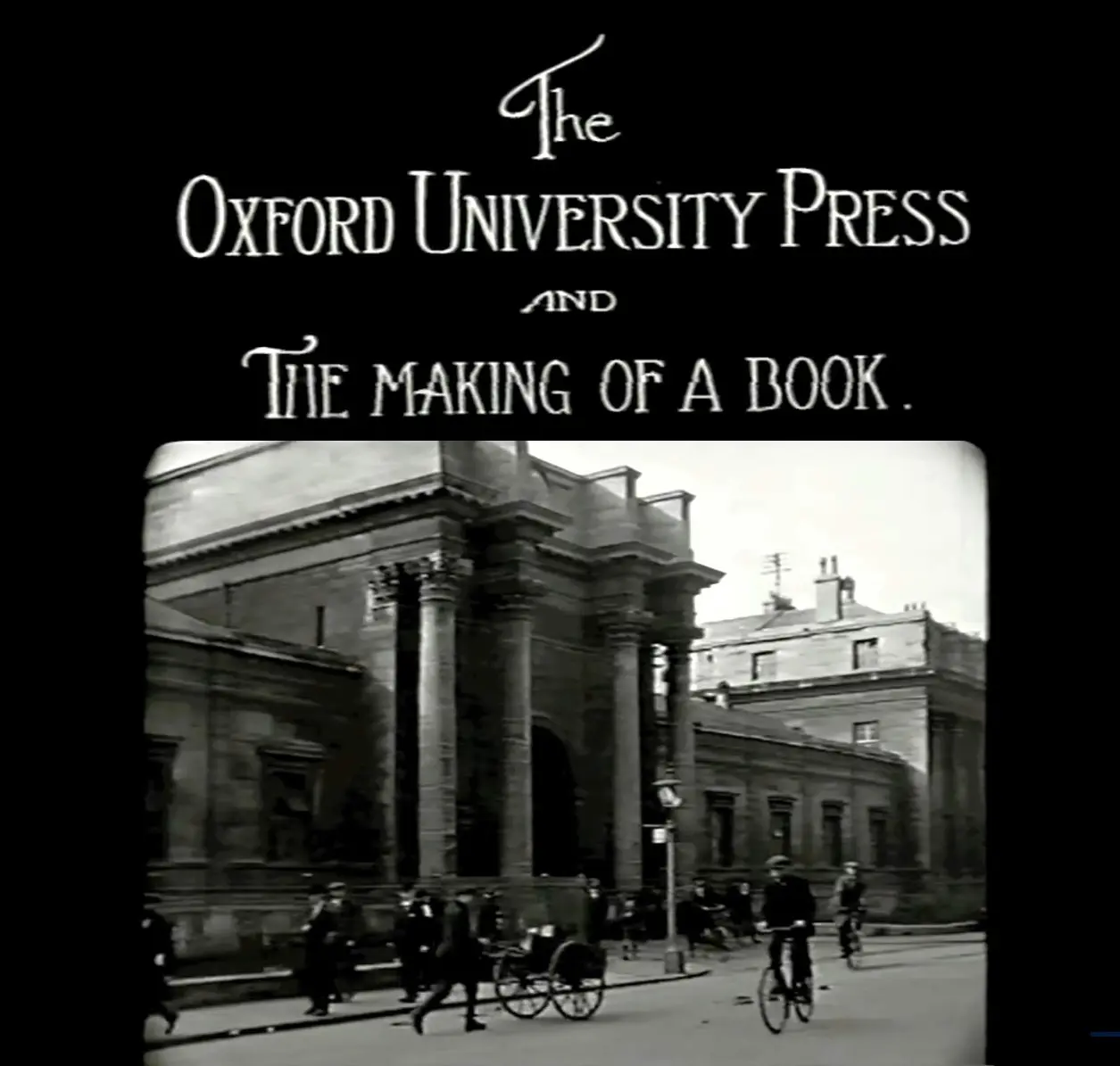
Short answer: Yes, but strictly as a historical artifact. This film is for the patient observer and the lover of physical media. It is NOT for anyone seeking a narrative arc, character development, or emotional catharsis.
1) This film works because it captures the visceral, oily reality of early 20th-century labor without the filter of modern nostalgia.
2) This film fails because its repetitive structure offers no reprieve for the casual viewer, making it feel longer than its actual runtime.
3) You should watch it if you find beauty in the mechanical repetition of a world that no longer exists.
This film provides a rare, unvarnished look at the industrial backbone of British academia. It matters because it bridges the gap between the Victorian craft era and the modern mass-production age. You see the human hand and the iron machine working in a synchronicity that has since been lost to automation.
Percy Nash was not a man known for subtlety, and in British Industries: The Oxford University Press, he leans into the raw power of the machinery. Unlike the more dramatic compositions found in The Pursuing Vengeance, Nash treats the printing press as his primary protagonist. There is a specific shot midway through the film where the camera lingers on the ink rollers. The way the light hits the viscous black liquid is almost hypnotic.
Nash doesn't care if you're bored. He cares that you understand the weight of the press. The cinematography is static, yet it feels heavy. Every frame is packed with the density of lead type and the smell of paper dust. It is a stark contrast to the escapism of films like A Manhattan Knight, which sought to hide the gears of society rather than expose them.
The pacing is rhythmic. It follows the machine. When the press moves, the film moves. When the workers pause to inspect a sheet, the film pauses. It is an early example of what we might now call 'process cinema.' It’s honest. It’s brutal. It works. But it’s flawed.
One of the most striking aspects of the film is the lack of self-consciousness in the workers. In 1917, the presence of a camera was still a novelty, yet these men and women seem entirely subsumed by their tasks. There is a sequence involving the hand-binding of a massive ledger that feels like a choreographed ballet. The precision of the folding, the application of the glue—it’s a performance of competence.
Compare this to the more staged heroism found in Heroes All. While that film sought to inspire through overt patriotism, Nash inspires through the quiet dignity of work. He doesn't need to wave a flag; the sheer output of the Oxford University Press is the flag. It is a subtle, perhaps unintentional, piece of wartime propaganda that suggests British intellect is an unstoppable factory.
There is a haunting quality to the film that Nash likely never intended. Watching these people work, knowing they are long gone, creates a sense of temporal vertigo. The machines they operate look like medieval torture devices compared to modern digital printers. Yet, there is a sense of permanency in their movements. They aren't just making books; they are making the 'Oxford' brand.
I’ll say it: modern documentaries are too loud. They rely on talking heads and rapid-fire editing to keep us engaged. Nash lets the image speak. Even if that image is just a man moving a stack of paper from left to right for thirty seconds. There is a meditative quality here that you won't find in the frantic energy of The Adventures of Ruth.
The film is essentially a corporate brag-sheet, yet it feels more honest than a modern 'Behind the Scenes' feature. There are no polished interviews, just the grit. You see the stains on the floor. You see the flickering light. You see the reality of an empire built on paper and ink.
If you are looking for a story, look elsewhere. If you want to see the literal gears of history turning, this is essential viewing. It is a film that demands you slow down. In our age of instant digital gratification, watching the slow, agonizing process of creating a single book is a necessary corrective.
It is a film that rewards the observant. Notice the way the workers interact—or don't. Notice the hierarchy of the factory floor. The film says more about British class structure in twenty minutes than many narrative features do in two hours. It is a document of a world that was about to be forever changed by the end of the Great War.
British Industries: The Oxford University Press is a monochrome fever dream of gears and glue. It is a stubborn film. It refuses to entertain you in the traditional sense, opting instead to immerse you in the mundane reality of production. While it lacks the narrative sweep of Toilers of the Sea, it possesses a structural integrity that is hard to ignore.
It is a reminder that culture is not just an abstract idea; it is a physical product that requires labor, machinery, and time. Percy Nash has captured the soul of the machine. It’s not pretty, and it’s not particularly exciting, but it is undeniably real. If you can handle the silence and the soot, you’ll find a strange beauty in these halls of paper.
"Nash doesn't just show us how a book is made; he shows us the weight of the word in a world of iron."
Community
Log in to comment.