DbcultAccessing Vault...
6.4/10
Senior Film Conservator

A definitive 6.4/10 rating for a film that redefined the boundaries of cult cinema. Luck and Pluck remains a cornerstone of transgressive art.
The silent era, often romanticized for its grand gestures and melodramatic narratives, occasionally gifted us with cinematic gems that transcended simple storytelling, weaving intricate tapestries of human emotion against backdrops of high stakes and moral ambiguity. Among these stands 'Luck and Pluck' (1919), a film that, despite its seemingly straightforward title, plunges viewers into a complex world where chance encounters ignite profound transformations and the line between hero and villain blurs with every twist. It’s a testament to the era's storytelling prowess, a noirish precursor that deftly combines the thrill of espionage with the unexpected tenderness of nascent romance.
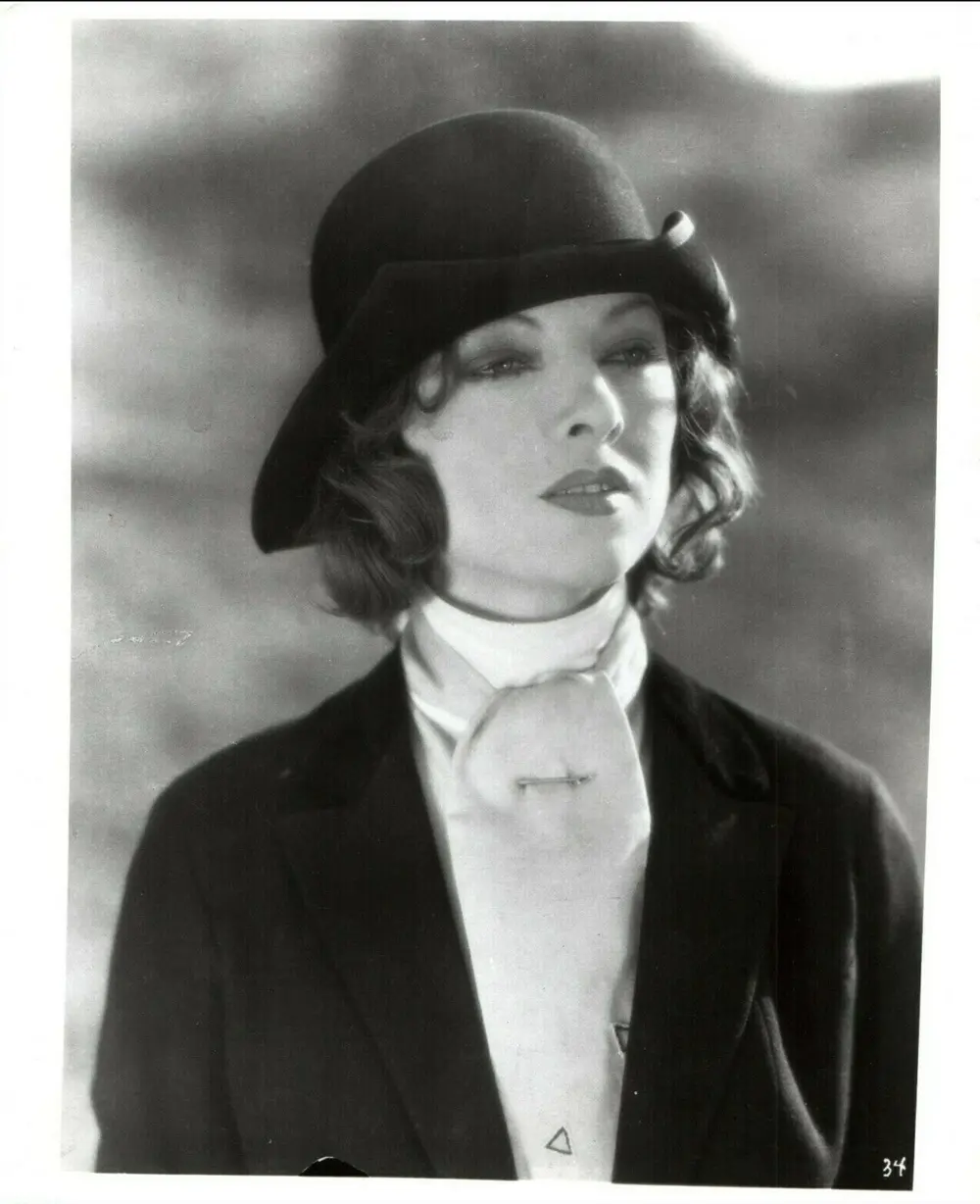
Our narrative opens with Joe Grim, portrayed with a compelling blend of roguish charm and latent decency by George Fisher, a professional thief meticulously planning his next audacious score: the Wall Street subtreasury. New York City, a character in itself, pulses with unseen currents, its Central Park serving as a momentary respite before his descent into the underworld. Yet, destiny, or perhaps just sheer happenstance, intervenes with the force of a runaway horse. The sight of Laura White (Virginia Lee), a vision of innocent beauty, in peril on a bolting steed, compels Grim to abandon his immediate criminal preoccupations. His subsequent heroic rescue is not merely an act of bravery; it is the unexpected catalyst that derails his life's trajectory, setting him on a course he could never have foreseen.
This initial encounter is the fulcrum upon which the entire narrative pivots. Grim, a man accustomed to taking what he desires through force or cunning, finds himself unexpectedly captivated. His burgeoning affection for Laura is a stark contrast to his hardened exterior, a vulnerability he hasn't anticipated. It's a fascinating character study: a man whose very identity is forged in illicit enterprise suddenly grappling with the purity of genuine emotion. This internal conflict is exquisitely conveyed through Fisher's nuanced performance, relying on facial expressions and body language—the very essence of silent film acting—to communicate a profound shift within his character. His attempt to pilfer a mere photograph of Laura, a sentimental keepsake rather than a valuable asset, underscores this transformation. It's a small, intimate act that speaks volumes about his desire to possess a piece of her, even if only an image, rather than gold or jewels.
However, this seemingly innocuous act of romantic larceny leads Grim into a far more dangerous web than any subtreasury heist. He is discovered, not by Laura, but by her enigmatic friend, Countess Briand, portrayed with chilling composure by Corene Uzzell. The Countess, with her aristocratic bearing and deceptive charm, is the true spider at the center of this intricate web. Her discovery of Grim isn't an accident; it's an opportunity. Unbeknownst to the guileless Laura, the Countess is no mere socialite; she is the ruthless head of a sophisticated German spy ring, operating with insidious intent on American soil. This revelation immediately elevates the stakes, transforming a personal drama into a matter of national security, a theme that resonates with other films of the era exploring patriotism and hidden threats, such as Stripes and Stars, though 'Luck and Pluck' infuses it with a more personal, morally complex core.
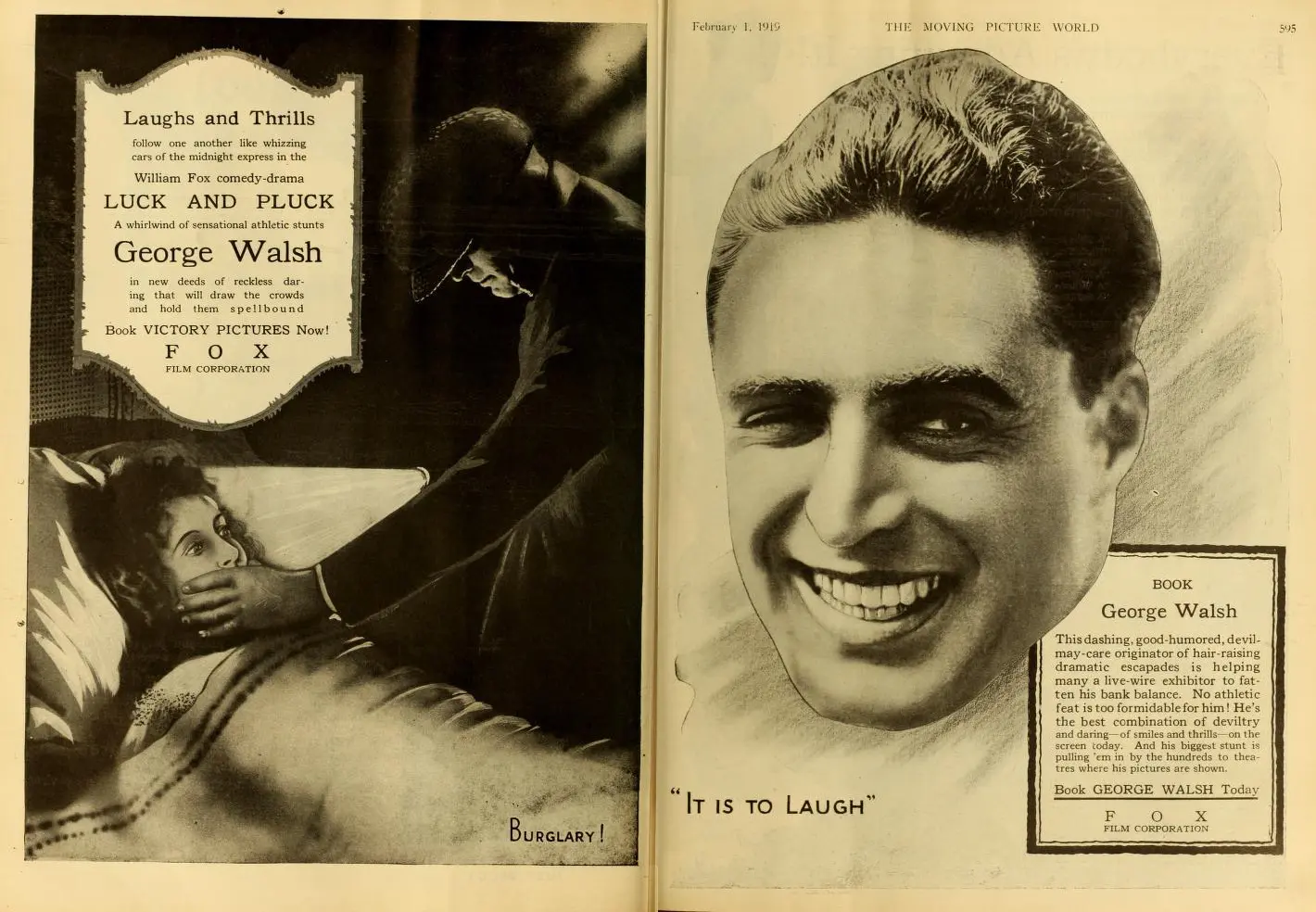
The Countess is a magnificent antagonist, a character whose intelligence and cold calculation make her truly formidable. Her manipulation of Grim is a masterclass in psychological warfare. Recognizing his nascent feelings for Laura, she exploits them with cynical precision. She weaves a plausible, yet entirely fabricated, tale: that the papers she needs him to steal are being used to blackmail Laura. This lie, preying on Grim’s newfound protectiveness, is the perfect bait. It transforms his criminal impulses into what he believes is an act of chivalry, aligning his illicit skills with a seemingly noble cause. This moral gray area is where the film truly shines, forcing both its characters and its audience to question the nature of right and wrong when intentions are twisted by deception.
The revelation that Laura's fiancé, Karl Richter (George Walsh), is also a member of the Countess's spy ring adds another layer of betrayal and dramatic irony. Laura, surrounded by those who ostensibly care for her, is completely oblivious to the treacherous currents swirling beneath the surface of her life. This dramatic irony is a powerful tool, building suspense as the audience is privy to the danger she faces, enhancing the tension as Grim, now entangled in this espionage plot, finds himself protecting the woman he loves from her own trusted circle. The film, in this regard, shares thematic resonance with The Honorable Friend, where loyalty and betrayal among close acquaintances drive much of the narrative’s tension, albeit with 'Luck and Pluck' offering a more visceral, immediate threat.
Cinematically, 'Luck and Pluck' is a marvel of its time. The direction, likely a collaborative effort given the silent film production methods, maintains a brisk pace, crucial for a thriller. The visual storytelling is paramount, with every gesture, every lingering glance, every carefully composed shot contributing to the unfolding drama. The use of close-ups allows the audience to connect intimately with the characters' internal struggles, particularly Grim's moral quandary and Laura's innocent vulnerability. The intertitles, rather than merely advancing the plot, are crafted to enhance the emotional texture, often hinting at deeper motives or foreshadowing impending danger. The cinematography effectively captures the contrasting worlds of elegant society and shadowy intrigue, using lighting and framing to delineate the characters' moral standings.
The performances, as expected in the silent era, are highly expressive. Virginia Lee's Laura is a picture of charming naivety, making her eventual realization of the deception all the more impactful. George Fisher's transformation from hardened criminal to reluctant hero is thoroughly convincing, his internal conflict palpable even without spoken dialogue. Corene Uzzell’s Countess Briand is a standout, her subtle yet menacing portrayal making her a truly memorable villain. Her ability to project intelligence and malevolence through mere glances is a testament to the power of non-verbal communication in cinema. Her character, in her cunning and ability to orchestrate complex deceptions, brings to mind the intricate plots found in films like The Secret of the Old Cabinet, where hidden agendas and intricate schemes drive the suspense.

The film delves deeply into themes of fate versus free will. Joe Grim's initial encounter with Laura is pure chance, a stroke of 'luck.' Yet, his subsequent choices—to protect her, to allow himself to be manipulated for her perceived safety—are acts of 'pluck,' demonstrating courage and resolve. This interplay between external circumstances and internal fortitude forms the very backbone of the narrative. It suggests that even the most hardened individual can be swayed by genuine affection, and that redemption is a path often found through unexpected detours. The notion of destiny and unforeseen consequences, where a single event can irrevocably alter lives, is powerfully explored, echoing the narrative turns found in films such as Thunderbolts of Fate.
Deception is another pervasive theme. Not only is the Countess a master manipulator, but Grim himself lives a life of deception. The film forces us to consider the various forms deception can take—from the grand schemes of espionage to the personal lies told to protect or to exploit. Laura's eventual awakening to the duplicity surrounding her, particularly from her own fiancé, is a poignant moment, highlighting the pain of shattered illusions. This exploration of moral compromise and the difficult choices faced when confronted with betrayal resonates with the ethical dilemmas presented in films like I Accuse, where characters are forced to confront uncomfortable truths and make decisions with profound consequences.
"'Luck and Pluck' doesn't merely entertain; it provokes, asking us to ponder the inherent contradictions within human nature and the transformative power of a single, unexpected connection."
While 'Luck and Pluck' might not be as widely discussed as some other silent epics, its intricate plot, compelling characters, and thematic depth make it a film worthy of re-evaluation. It's a testament to the fact that even in an era often characterized by simplicity, filmmakers were capable of crafting sophisticated thrillers that explored complex human motivations. The film's ability to blend genres—romance, crime, and espionage—seamlessly within a cohesive narrative framework is particularly noteworthy. It doesn't shy away from the darker aspects of human nature but ultimately champions the idea that even in a world riddled with deceit, genuine connection and a moral compass can guide one toward a semblance of redemption.
The film offers a fascinating glimpse into the post-World War I anxieties of the era, where fears of foreign espionage were very real and palpable. The German spy ring isn't just a plot device; it taps into a societal undercurrent of suspicion and vulnerability. This historical context adds another layer of richness to the viewing experience, allowing us to appreciate how cinema often reflects the contemporary fears and preoccupations of its audience. The film, in its depiction of hidden threats and secret agendas, also subtly touches upon the fragility of trust, much like the delicate dynamics explored in Love Watches, where observation and suspicion play key roles in relationships.
Ultimately, 'Luck and Pluck' is more than just a forgotten relic of the silent screen; it's a vibrant, engaging piece of cinematic history that still holds power today. It reminds us that compelling storytelling, rich character development, and a keen understanding of human psychology are timeless ingredients for impactful cinema. Its narrative, full of unexpected turns and moral quandaries, keeps the audience engaged, demonstrating that even without the benefit of spoken dialogue, a film can convey profound emotional depth and thrilling suspense. It is a film that rewards close attention, revealing new layers with each viewing, and solidifying its place as a quietly influential work within the silent film canon.

IMDb 5.7
1936
Community
Log in to comment.