DbcultAccessing Vault...
Cult Review
Senior Film Conservator
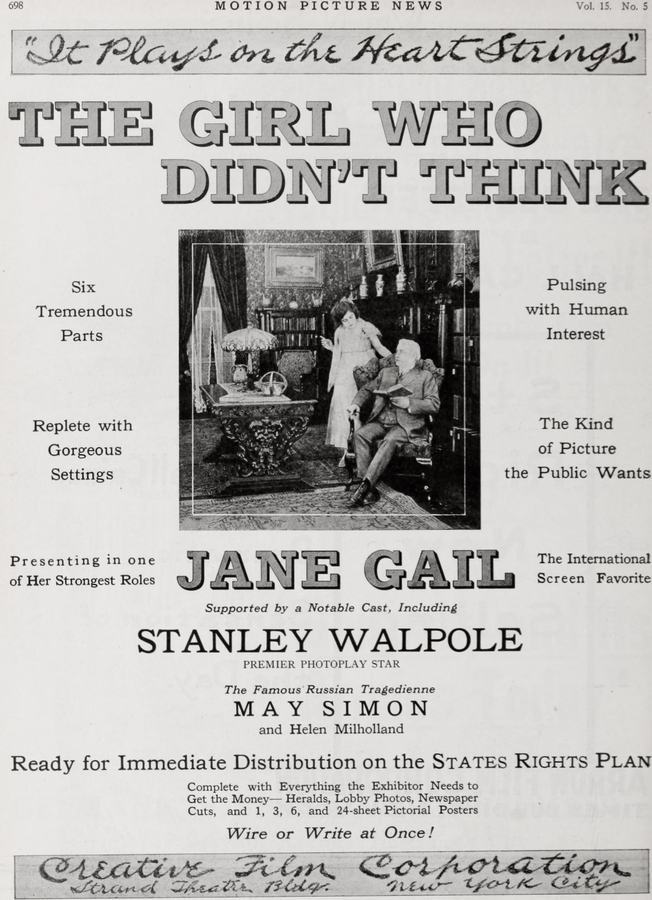
In the annals of early cinema, where moral tales often played out with stark, unambiguous lessons, there exists a particular kind of quiet power in films that dared to confront the prevailing societal hypocrisies head-on. *The Girl Who Didn't Think*, a compelling if somewhat tragically titled drama, emerges from this era not as a mere relic, but as a surprisingly resonant piece of social commentary. It’s a narrative that, despite its century-old vintage, still pulsates with the timeless tensions between class, gender, and the often-brutal consequences of unchecked male privilege. Violet Stuart’s screenplay, brought to life by a dedicated ensemble including Jane Gail as the beleaguered Lucille Ryan and Stanley Walpole as the cad James Lambert, offers a window into a world where a woman’s reputation was her most fragile asset, and its loss could spell utter ruin. The film, in its stark depiction of betrayal and eventual, if forced, restitution, asks us to ponder the very foundations of justice and accountability in a society riddled with double standards.
At the heart of this cinematic exploration is Lucille Ryan, a shopgirl whose life, by all accounts, is one of quiet labor and modest aspirations. Her world, however, is irrevocably disrupted by the magnetic, yet ultimately deceptive, allure of James Lambert. Lambert, portrayed by Stanley Walpole with a certain oily charm that effectively conveys his character’s duplicity, is the quintessential playboy – a figure of wealth and social standing, accustomed to having his desires met without consequence. His attentions, initially flattering and intoxicating, quickly evolve into a calculated campaign of seduction, culminating in promises of marriage. For a woman like Lucille, these vows are not mere sweet nothings; they are a lifeline, a promise of escape from the drudgery and social limitations of her station. The film, through Jane Gail’s expressive performance, masterfully conveys the vulnerability inherent in Lucille’s position. Her susceptibility is not a flaw of character, but rather a tragic consequence of a patriarchal society that afforded women like her few avenues for upward mobility or security outside of matrimony. This dynamic of unequal power, where a man's word holds immense sway over a woman's destiny, is a central theme that resonates deeply. It echoes the struggles seen in other contemporary dramas, like The Sorrows of Love, which similarly delved into the emotional and social costs of romantic deception.
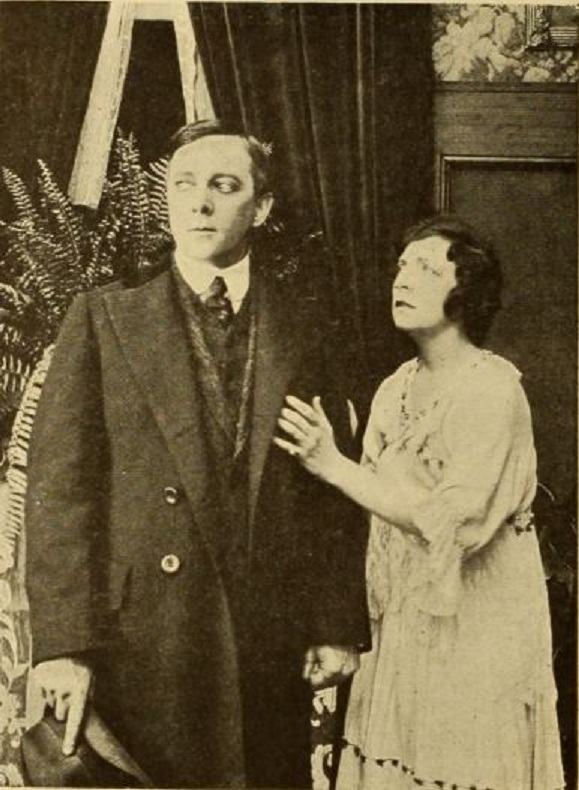
The subsequent discovery of her pregnancy transforms Lucille’s precarious joy into an agonizing dilemma. This revelation, a life-altering event for any woman, becomes a catastrophic threat to Lucille, threatening to cast her into the abyss of social ostracism and economic hardship. The narrative here is unflinching in its portrayal of the stark realities faced by unwed mothers in that era. Without the legitimizing cloak of marriage, Lucille’s future, and that of her unborn child, hangs by a thread. Lambert’s swift and brutal abandonment, made all the more cruel by his immediate pursuit of socialite Irene Wallace (played by May Simon, who embodies the detached elegance of the upper crust), serves as the ultimate betrayal. His callous disregard for Lucille’s plight underscores a profound moral failing, a stark contrast to the societal expectations of chivalry and honor that men of his standing were ostensibly meant to uphold. This abandonment is not just personal; it's a societal indictment, exposing the moral bankruptcy lurking beneath the gilded façade of the elite.
The true emotional and thematic core of *The Girl Who Didn't Think* manifests in Lucille’s audacious act of public denunciation. Upon reading the society pages detailing Lambert’s impending nuptials to Irene Wallace, Lucille is propelled by a potent cocktail of desperation, righteous anger, and maternal instinct. Her decision to storm the altar is not born of a desire for revenge, but a desperate, primal scream for justice and recognition for her child. This scene, undoubtedly the film's most iconic and impactful, is a masterclass in silent film dramatics. Jane Gail's portrayal of Lucille’s raw, unbridled emotion—the fear, the indignation, the sheer force of will—would have captivated audiences. It is a moment of profound courage, a woman breaking free from the suffocating strictures of societal expectation to demand accountability from a man who believed himself above reproach. The halting of the ceremony is a symbolic triumph, a temporary disruption of the established order, where the voice of the marginalized momentarily silences the pronouncements of the powerful.
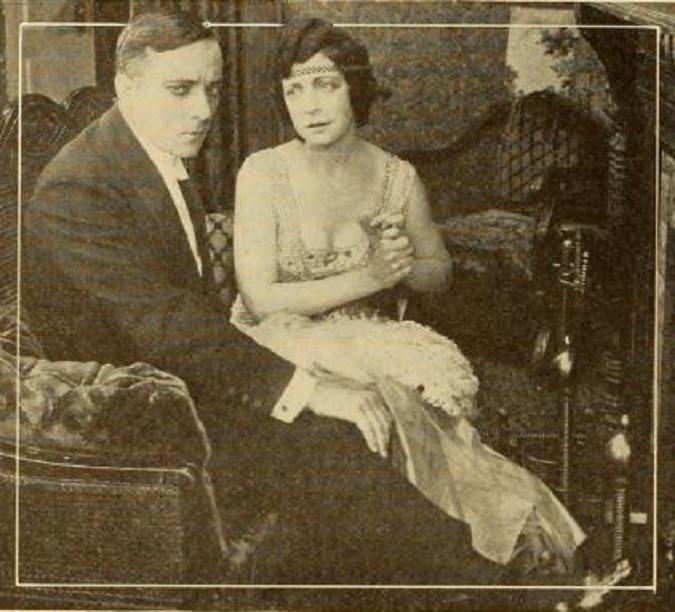
The fallout from this dramatic interruption is immediate and far-reaching. Lambert, caught in a scandal that threatens his reputation and social standing, is forced to confront the consequences of his actions. His subsequent agreement to marry Lucille is not a gesture of love or even genuine contrition, but a reluctant acceptance of responsibility, coerced by the specter of public disgrace. This resolution, while providing a degree of security for Lucille and her child, is tinged with a bittersweet irony. It highlights the transactional nature of marriage in certain social contexts and the power imbalances that dictated such unions. The film doesn't romanticize this forced marriage; instead, it presents it as a pragmatic, if imperfect, outcome of a deeply flawed system. It’s a narrative arc that shares thematic threads with films like Should a Woman Divorce?, which similarly interrogated the societal pressures and moral quandaries surrounding matrimonial bonds in a rapidly changing world.
The success of *The Girl Who Didn't Think* rests heavily on the shoulders of its cast, particularly Jane Gail. In a medium where exaggerated gestures and facial expressions were paramount to conveying emotion, Gail delivers a performance that manages to be both theatrical and deeply empathetic. Her transformation from naive girl to resolute mother is compelling, allowing the audience to viscerally connect with Lucille’s journey of suffering and eventual, hard-won defiance. Stanley Walpole, as the antagonist James Lambert, skillfully portrays the character’s blend of superficial charm and underlying moral cowardice. His shift from confident seducer to humiliated groom is palpable, even without spoken dialogue. Agnes Neilson and William J. Butler, along with May Simon, Helen Milholland, and William Mandeville, provide solid supporting performances that flesh out the social landscape of the film, from the concerned parents to the disapproving society figures. The ensemble works in concert to create a believable, if melodramatic, world where class distinctions dictate much of the interpersonal drama.
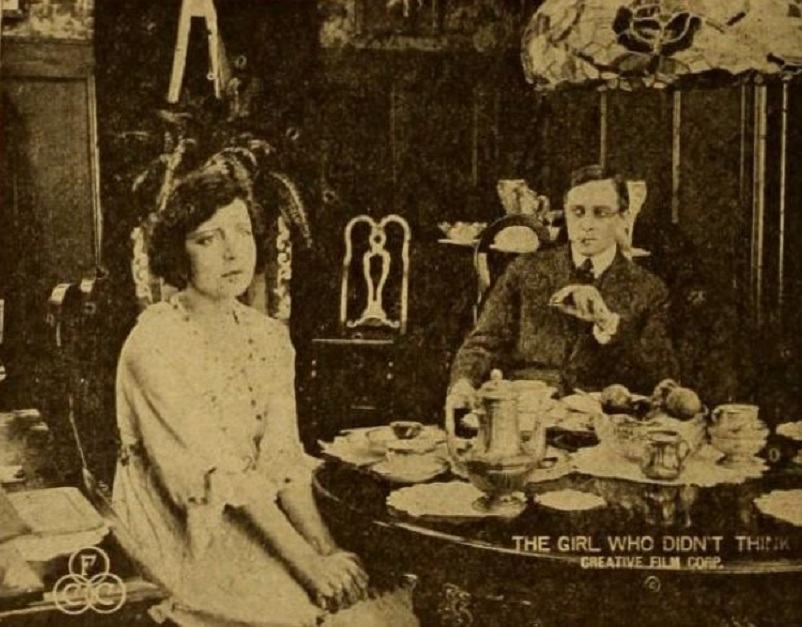
Violet Stuart’s screenplay is the backbone of this compelling drama. Her writing, while adhering to the conventions of early 20th-century storytelling, demonstrates a keen understanding of human nature and societal pressures. Stuart crafts a narrative that, despite its seemingly straightforward plot, delves into complex moral questions. She doesn't merely present a story of good versus evil; instead, she explores the grey areas of human behavior, the consequences of choices, and the societal forces that shape individual destinies. The film, through Stuart's vision, functions as a powerful critique of the double standards prevalent in the era, where a man’s transgressions were often overlooked, while a woman’s could lead to irreversible ruin. Her exploration of female resilience in the face of immense adversity is particularly noteworthy, positioning Lucille not as a passive victim, but as an active agent in her own narrative, albeit one operating within severely constrained circumstances. This narrative sophistication elevates *The Girl Who Didn't Think* beyond a simple melodrama, imbuing it with a lasting relevance that speaks to broader themes of gender inequality and social justice. It’s a testament to Stuart’s skill that the emotional beats feel authentic, drawing the viewer into Lucille’s plight with remarkable effectiveness. The film manages to avoid becoming overtly preachy, instead letting the story itself carry the weight of its social commentary, a mark of truly effective writing.
*The Girl Who Didn't Think* serves as a fascinating historical document, not just of early cinematic techniques, but of the social mores and anxieties of its time. It reflects a period when the nascent women’s rights movement was gaining traction, challenging traditional gender roles and advocating for greater autonomy and equality. Lucille’s act of public defiance, while fictional, mirrors the growing assertiveness of women in real life who were beginning to demand a fairer shake from a society that often sought to diminish their voices. The film, therefore, can be viewed as a cultural artifact that both reflects and subtly contributes to the ongoing discourse surrounding women's place in society. Its themes of betrayal, accountability, and the struggle for justice are universal, transcending the specific historical context in which the film was produced. One might even draw parallels to the stark social commentary found in films like The Auction Block, which also explored the commodification of women and the inequities of marriage within different class structures.
Even a century later, the core dilemma faced by Lucille Ryan — the vulnerability of the less powerful in the face of the privileged — remains distressingly relevant. While the specifics of social stigma surrounding unwed mothers have evolved, the broader issues of power dynamics, consent, and accountability continue to be debated and redefined. The film’s somewhat ambiguous ending, where marriage is forced rather than chosen, invites contemporary audiences to consider the true meaning of justice and whether a coerced union truly rectifies a profound wrong. It leaves us pondering the unspoken future of Lucille and Lambert, a future built on obligation rather than affection. This lingering question is perhaps the film’s greatest strength, allowing it to resonate beyond its dramatic climax. In its quiet yet impactful way, *The Girl Who Didn't Think* stands as a testament to the enduring power of storytelling to illuminate societal flaws and champion the voices that, against all odds, refuse to be silenced. It’s a film that, despite its title, encourages us all to think deeply about the choices we make and the world we inhabit, a truly remarkable feat for a picture born in the silent era.
The dramatic tension between societal expectation and individual plight is masterfully handled, not just by the actors, but by the directorial choices that emphasize Lucille's isolation against the backdrop of bustling society. The visual storytelling, characteristic of the era, uses stark contrasts: the opulence of Lambert’s world against the humble confines of Lucille’s, the celebratory atmosphere of the wedding against her heartbroken despair. These elements coalesce to form a powerful visual rhetoric that enhances Violet Stuart's compelling narrative. The film, in its quiet defiance, ultimately serves as a reminder of the enduring struggles for dignity and agency, particularly for those whose voices are often marginalized. It's a cinematic experience that, while rooted in its time, offers a surprisingly modern commentary on the perennial battles against social injustice and personal betrayal. The enduring power of films like this lies in their ability to transcend their initial context, speaking to universal human experiences that continue to shape our understanding of morality, responsibility, and the indomitable spirit of those who dare to challenge the status quo. In this sense, *The Girl Who Didn't Think* didn't just tell a story; it sparked a conversation, one that still echoes today.
IMDb —
1923
Community
Log in to comment.