DbcultAccessing Vault...
6.2/10
Senior Film Conservator
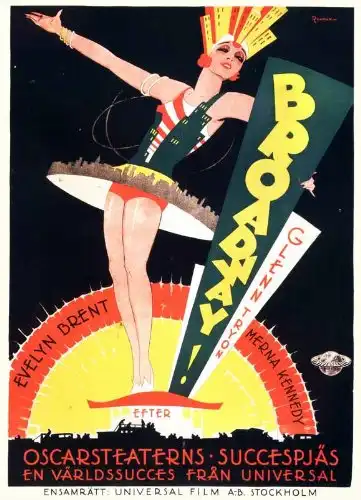
A definitive 6.2/10 rating for a film that redefined the boundaries of cult cinema. Broadway remains a cornerstone of transgressive art.
Okay, so Broadway from 1929. Is it worth sitting through today? Absolutely, if you’re into the quirks of early sound films and want a real look at the era. If you need super tight plotting or modern pacing, you might find yourself a little… lost.
It’s a loud, frantic plunge into a Prohibition-era nightclub, the Paradise. They really wanted you to feel the noise and the crowds. 🤯
The story follows Billie, a dancer, who’s a bit too innocent for the shady dealings going on. Bootlegging is the name of the game, right there backstage.
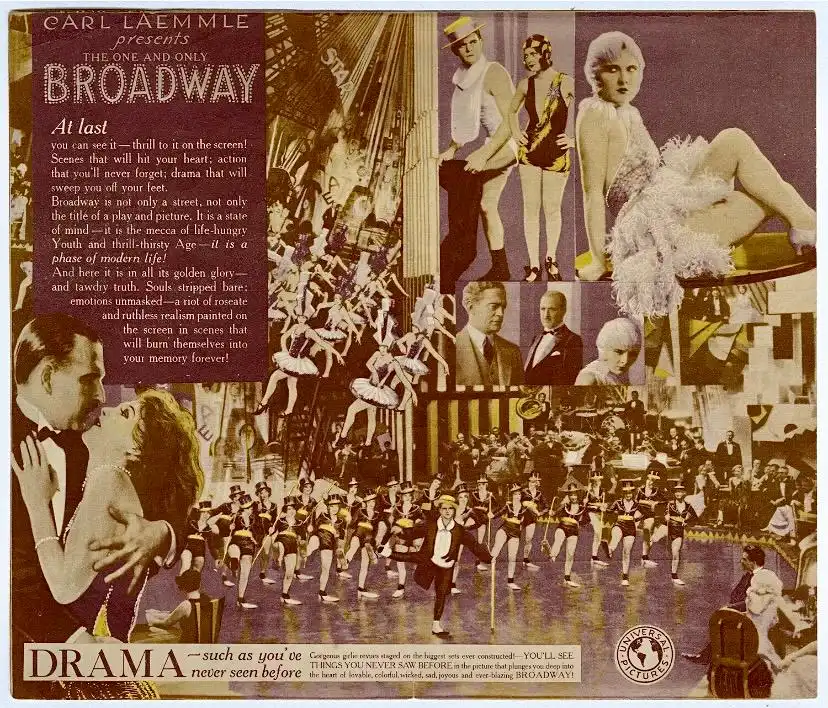
Merna Kennedy, playing Billie, has this wide-eyed charm. You can almost see her trying to figure out if someone’s just really popular or if they’re actually moving illegal gin.
And then a murder happens! Suddenly, the stakes feel a lot higher than just dodging the feds. It all unfolds pretty quickly.
The club itself is a character. The sets are huge, almost overwhelming, with all these little nooks and crannies. You can practically smell the stale cigarette smoke and cheap perfume.
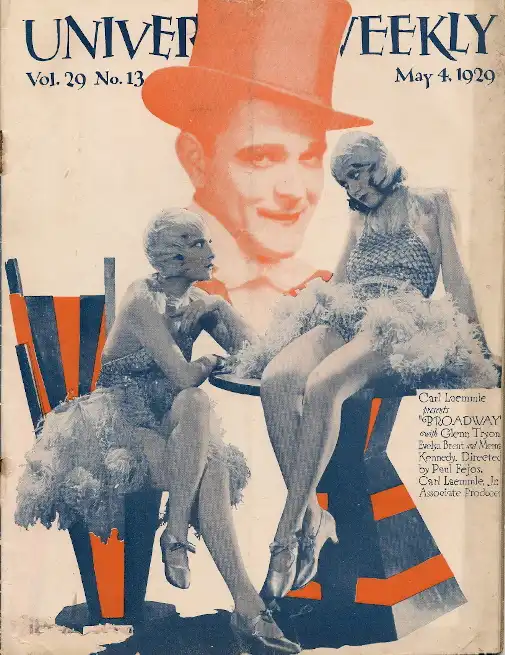
The dance numbers are big and chaotic. Sometimes it feels like they’re trying to shove everyone on stage at once. One moment, a dancer seemed to genuinely trip, and they just left it in!
It’s a good reminder that filmmaking was still figuring itself out. These weren't perfectly polished productions.
Edgar Dearing plays the detective, and he’s got this intense stare. There’s a shot where he just holds it for what feels like an eternity after someone says something suspicious. What was he thinking about?
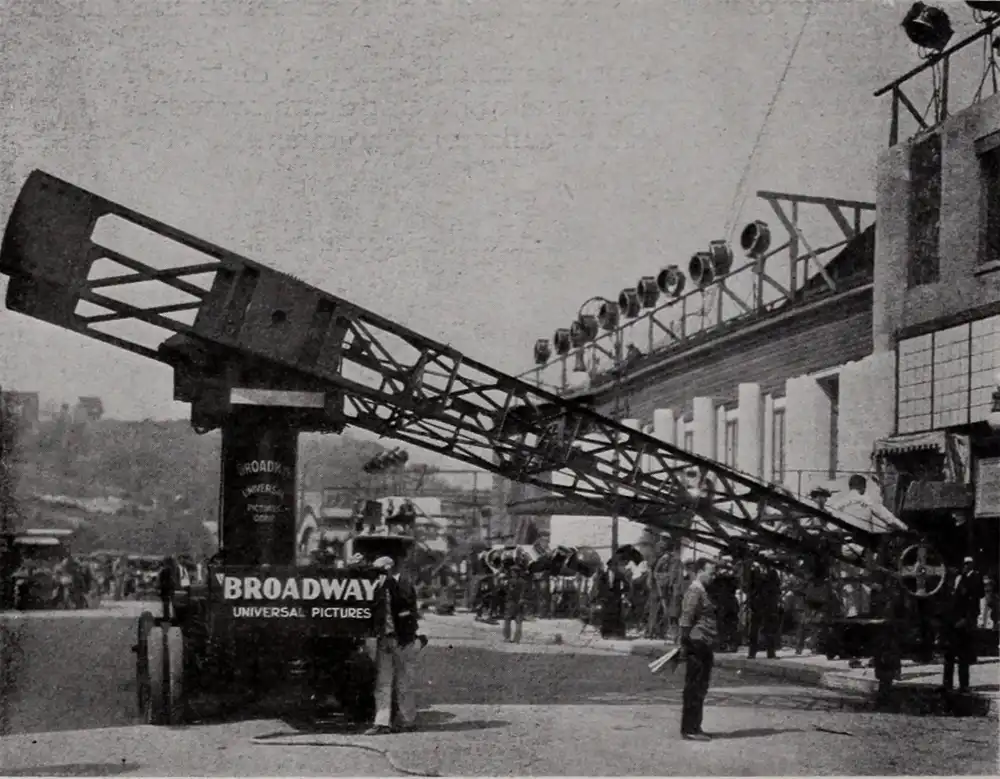
The sound mix is… interesting. Sometimes the music is booming, sometimes a whisper. It’s a bit all over the place, like they were still messing with the dials. 🔊
There are these great little moments, too. Like when Otis Harlan, as the club owner Dan McCorn, tries to smooth things over with a wink and a shrug. He’s just trying to keep his business afloat, bootlegging and all.
Fritz Feld as the snooty headwaiter is a highlight. His exasperated sighs alone are worth the price of admission. He’s just so over everyone.
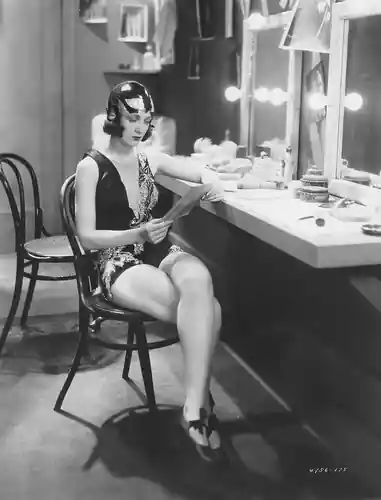
The dialogue can feel a bit staged, like it's pulled straight from a play, which, to be fair, it kind of was. The writers, including Philip Dunning and George Abbott, brought a lot of that stage sensibility.
But that’s part of the charm. You’re seeing actors learn how to perform for a microphone, not just a live audience. Their movements are often bigger, more expressive.
The bootlegging aspect isn't treated as super serious crime, more like a lively secret everyone knows. It’s only when the murder happens that things get properly tense. And even then, it's a specific kind of tension, not a modern gritty one.
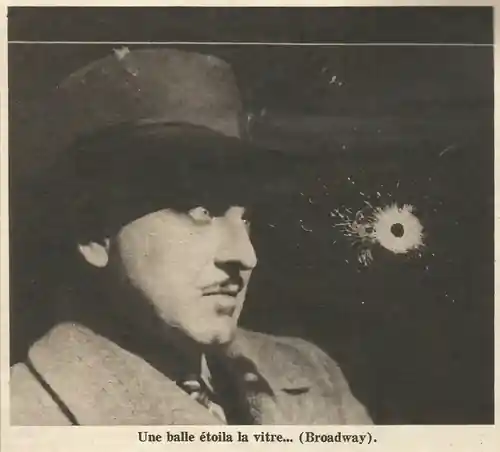
There’s a scene where Billie is just trying to rehearse, and all this drama is unfolding around her. She just wants to dance, bless her heart. 💃
The police investigation feels a little clumsy, but it’s entertaining in its own way. Everyone has a secret, and they’re all terrible at hiding them.
You get a real sense of the desperation and excitement of the era. Everyone’s trying to make a buck, trying to have a good time, even if it’s a bit illegal.
It’s not The Winding Stair or some profound drama. It’s a slice of life, albeit a very loud, jazzy, and murderous one.
If you're into the history of film, or just curious about what the Roaring Twenties actually sounded like on screen, give it a shot. It's a fun, if sometimes a bit wobbly, experience. You’ll definitely feel like you stepped back in time. 🕰️
IMDb 9
1932
Community
Log in to comment.