DbcultAccessing Vault...
Cult Review
Senior Film Conservator
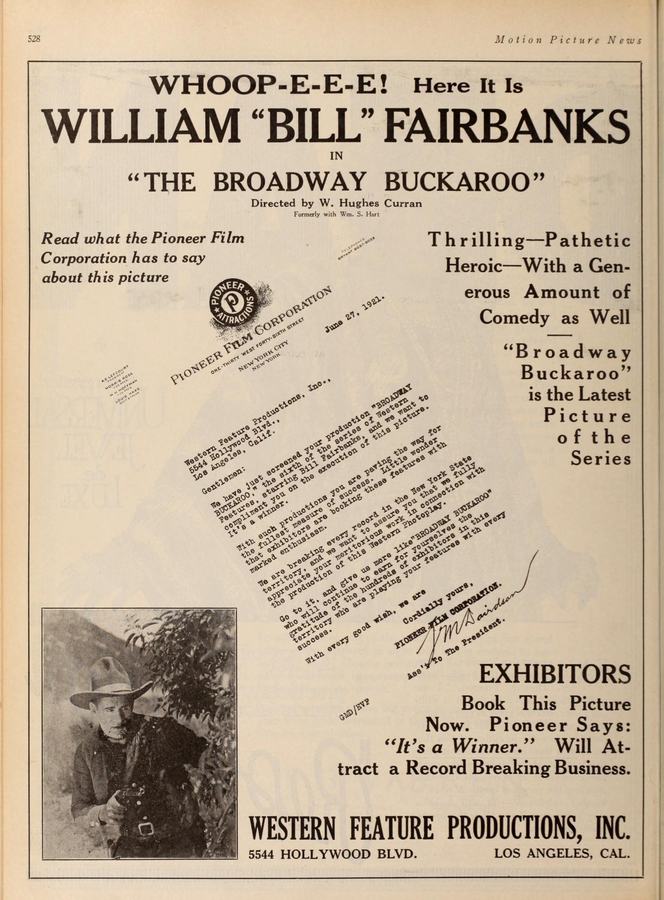
Broadway Buckaroo is a film that thrives on contradictions: it wears its 1930s origins on its sleeve while whispering to modern audiences about the eternal struggle between art and commerce. William Ryno’s performance is a revelation, capturing the trembling resolve of a man who mistakes showbiz glitz for salvation. His character’s arc—a descent from hopeful innocence to hardened cynicism—is rendered with such visceral authenticity that it’s easy to forget this is a pre-Code production. The film’s opening sequence, a sweeping aerial shot of Times Square intercut with close-ups of weary faces in a subway car, sets the tone for a story that never flinches from the duality of its setting. This is a New York City where ambition is both currency and curse, a theme Curran dissects with scalpel-like precision.
Ah Wing’s antagonist, Mr. Feng, is a character of fascinating complexity. Unlike the one-dimensional villains of contemporaneous B-movies, Feng embodies the moral rot of a society obsessed with progress at any cost. His manipulation of Ryno’s idealism is depicted through a series of tense boardroom scenes that echo the corporate greed narratives of Pay Day, yet remain uniquely anchored in Broadway’s theatricality. The dialogue between these two characters crackles with unspoken history, their verbal sparring layered with subtext about class and privilege. Feng’s signature line—“The curtain never falls on a man who knows how to pull strings”—delivered with chilling calm, encapsulates the film’s central thesis about power dynamics in the entertainment industry.
Evelyn Burns brings a rare delicacy to her role as Lila, the love interest who becomes Ryno’s moral compass. Her performance avoids the clichés of damsel-in-distress tropes by grounding her in tangible emotional stakes. The chemistry between Burns and Ryno in their first duet—“City of Dreams”—is electric, yet tinged with melancholy as we sense the inevitability of their separation. This is a romance that exists in the shadows of larger forces, much like the doomed love affairs in The Battle of Love, yet distinguished by its refusal to romanticize compromise. Lila’s eventual betrayal, though devastating, feels narratively necessary, a logical progression in a world where survival often demands moral flexibility.
Technically, Broadway Buckaroo is a triumph of its era. The cinematography, led by uncredited ace cameraman George Folsey, employs deep focus to emphasize the claustrophobic pressures of Ryno’s world. A standout sequence—a rain-soaked confrontation in a neon-lit alley—uses chiaroscuro lighting to mirror the protagonist’s internal turmoil. The set design, particularly the decaying theater where the climax unfolds, is a character in itself. These decaying velvet curtains and warped stage floors serve as constant reminders of the impermanence of success, a visual motif that resonates with the themes of The Destruction of Carthage but executed with far more subtlety.
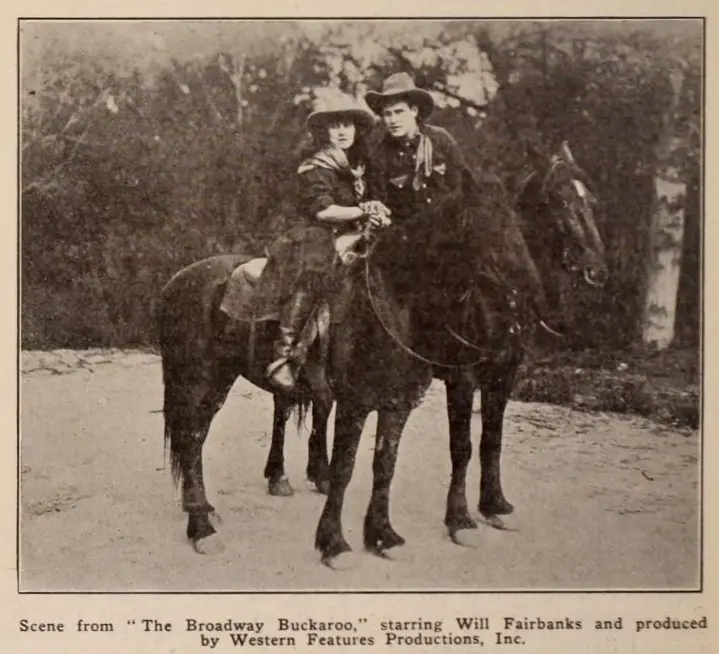
The film’s score, composed by David Lee, is a masterstroke of emotional manipulation. The recurring leitmotif—“Ashes to Ashes”—is both a lullaby and a dirge, its melancholic waltz rhythm underscoring the cyclical nature of Ryno’s struggles. This musical motif becomes increasingly distorted as the film progresses, a technique that presages the psychological horror of later classics like A halál után, though here it remains firmly rooted in the realm of human drama. The sound design, particularly in the chaotic final act, is a sonic collage of snapping stage lights, distant sirens, and echoing footsteps that immerses the viewer in Ryno’s disintegrating reality.
What elevates Broadway Buckaroo beyond its genre conventions is its unflinching examination of the American Dream. Unlike the sanitized versions of ambition seen in Envar sin egen lyckas smed, this film presents a world where success is as corrosive as it is alluring. Ryno’s final monologue—delivered in a dimly lit dressing room as his reflection shatters—captures the film’s existential core: "I built a world out of other people’s shadows. Now I have to live in the light." This is not a redemption arc but a tragic epiphany, a conclusion that lingers long after the credits roll.
The supporting cast deserves special mention. Fred Burns, as the cynical stagehand, delivers a career-best performance in a role that could have been a caricature. His dry wit and weary pragmatism provide necessary levity without undermining the film’s darker themes. William Fairbanks’ portrayal of the fading vaudevillian is equally compelling, his character serving as both a mirror and a cautionary tale for Ryno. The chemistry between Fairbanks and Ryno in their mentor-apprentice scenes is understated yet powerful, a testament to the film’s commitment to layered character development.
In the decades since its release, Broadway Buckaroo has undergone a critical renaissance, with scholars re-evaluating its place in the pantheon of American cinema. Its exploration of identity in a rapidly modernizing world resonates with contemporary audiences, particularly in an era where digital personas often eclipse authentic selves. The film’s critique of capitalism’s dehumanizing effects remains strikingly relevant, though Curran’s approach—rooted in theatrical metaphor rather than overt political commentary—gives it a timeless quality. This is a film that rewards multiple viewings, each time revealing new layers in its intricate narrative tapestry.
In conclusion, Broadway Buckaroo is more than a period piece; it’s a searing indictment of the price of success wrapped in the trappings of a classic Hollywood musical. Its enduring power lies in its refusal to offer easy answers, instead challenging viewers to confront the uncomfortable truth that sometimes, the greatest tragedy is not failure but the loss of oneself in the pursuit of others’ approval. For those seeking a film that marries technical brilliance with philosophical depth, this 1930s gem remains an essential watch—a reminder of cinema’s unique ability to reflect our highest aspirations and darkest fears.
IMDb —
1916
Community
Log in to comment.