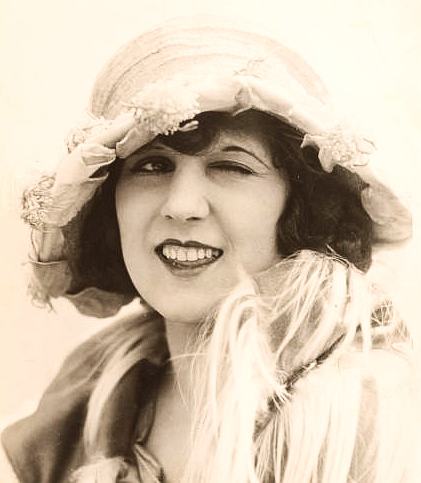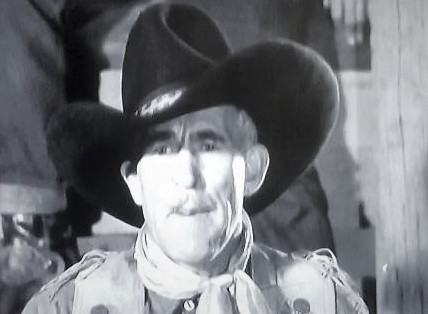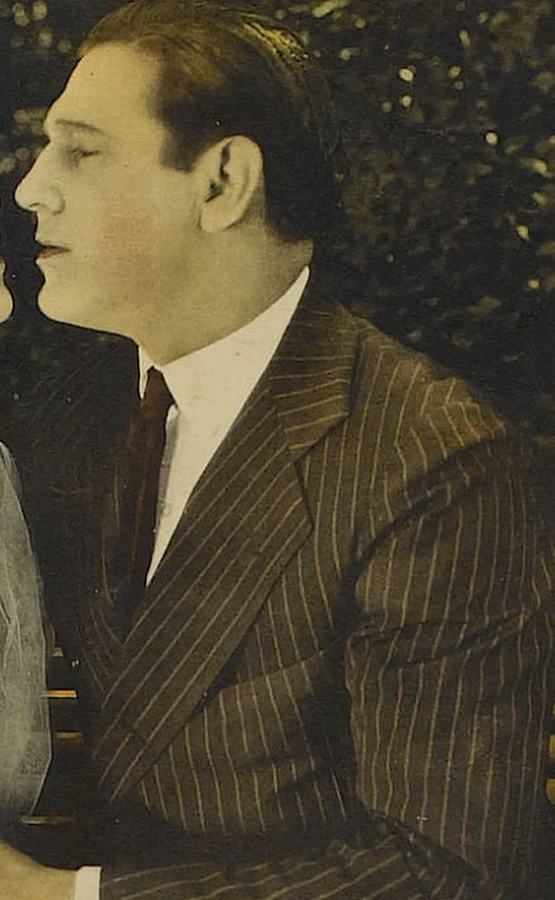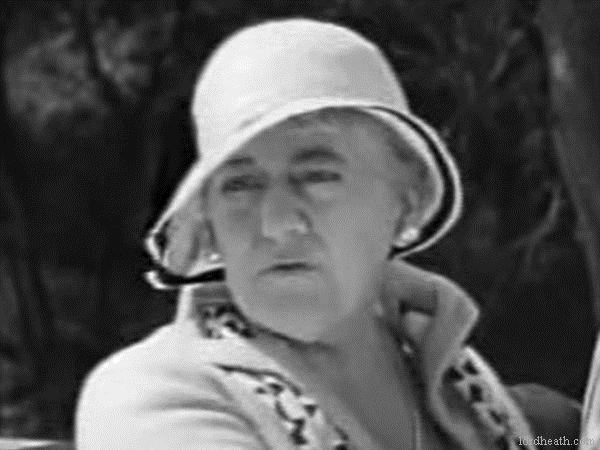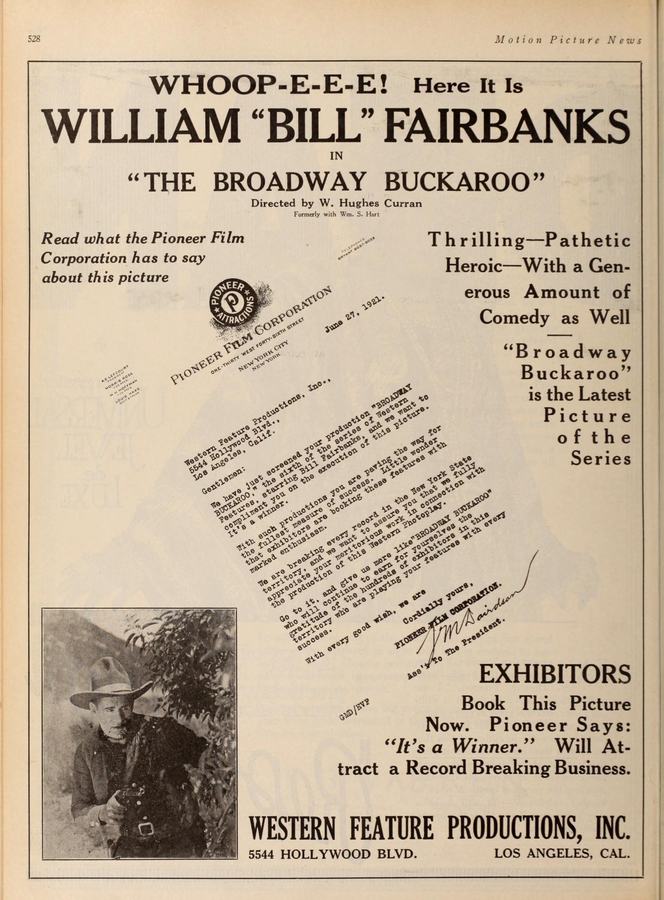
Broadway Buckaroo is a film that thrives on contradictions: it wears its 1930s origins on its sleeve while whispering to modern audiences about the eternal struggle between art and commerce. William Ryno’s performance is a revelation, capturing the trembling resolve of a man who mistakes showbiz glitz fo...
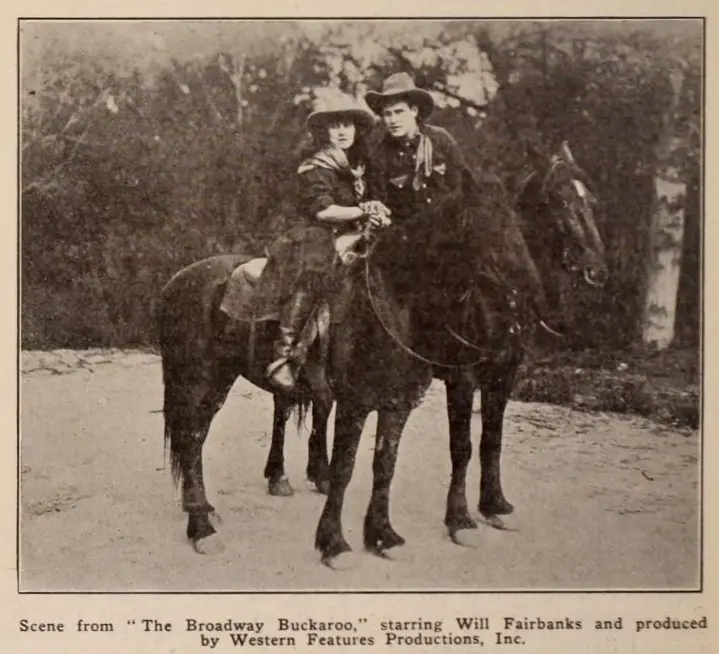
still_frame
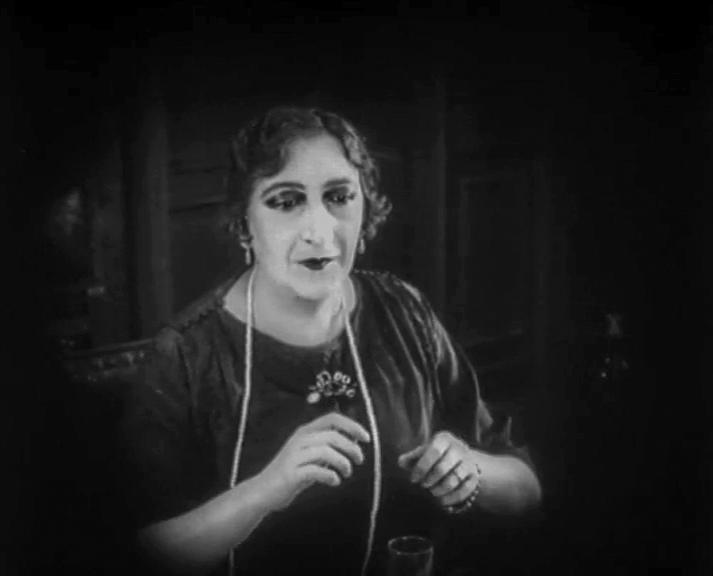
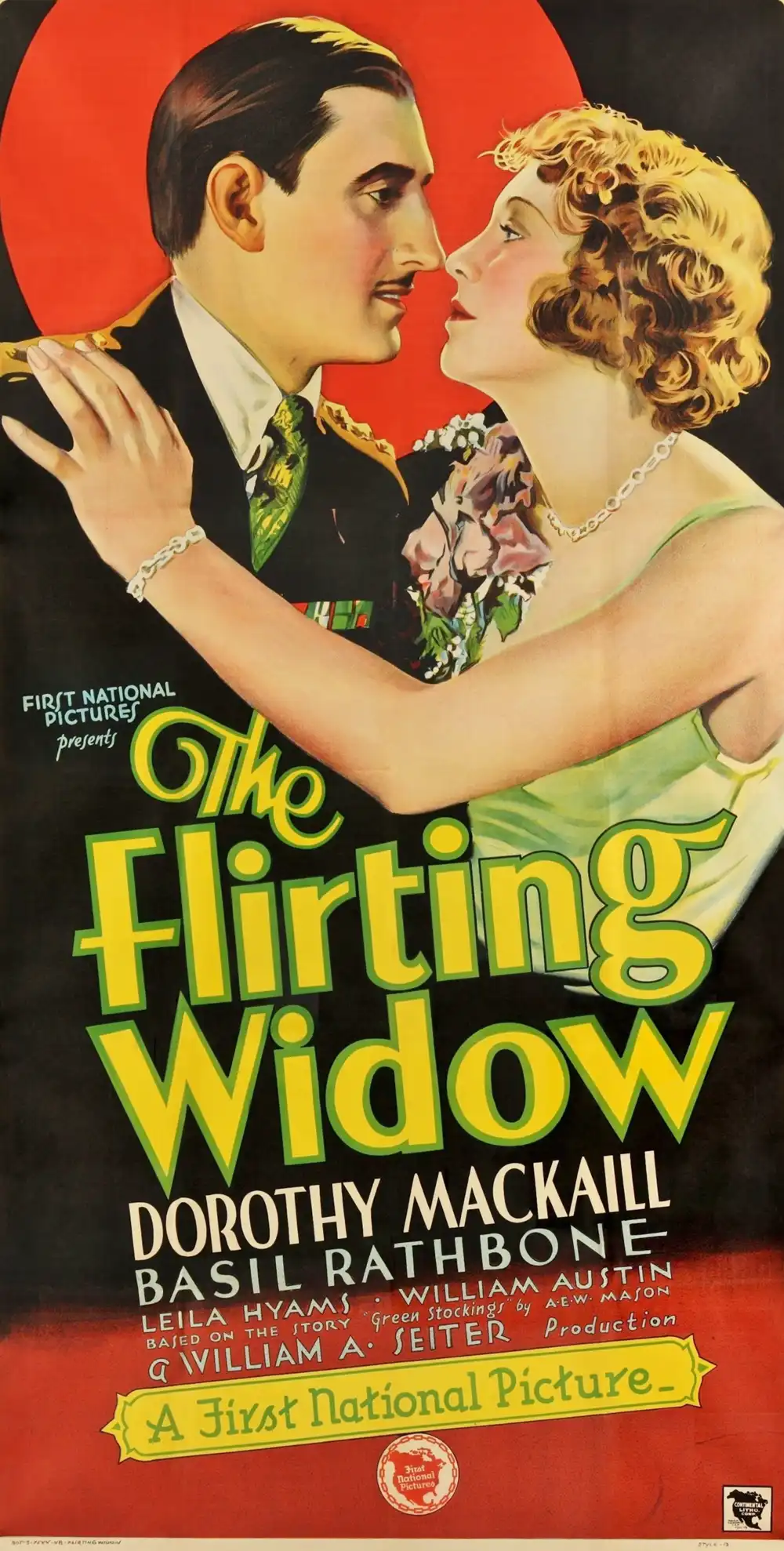
Comparing the cinematic DNA and archive impact of two defining moments in cult history.
William Hughes Curran
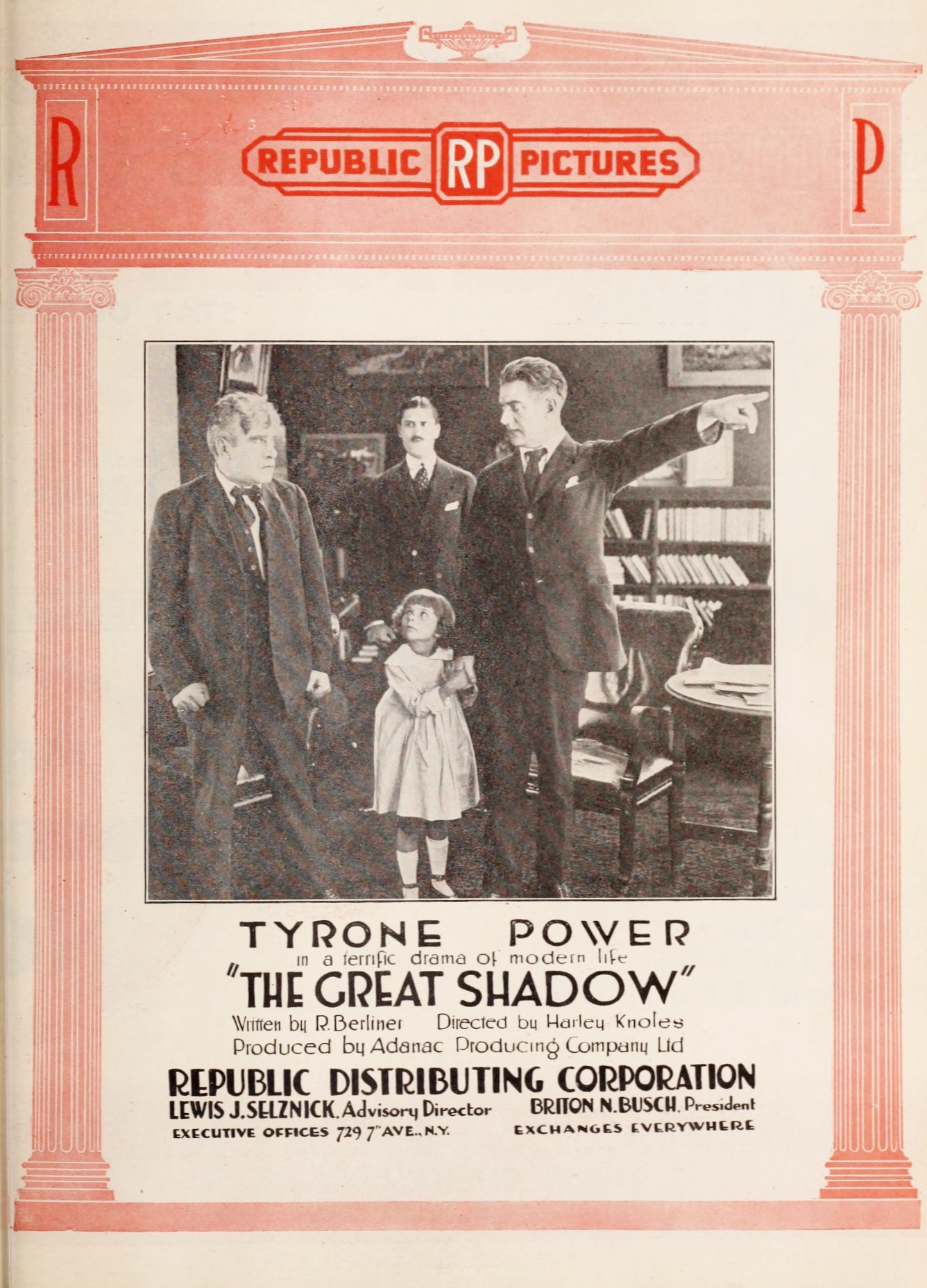
Harley Knoles
Community
Log in to comment.
" Broadway Buckaroo is a film that thrives on contradictions: it wears its 1930s origins on its sleeve while whispering to modern audiences about the eternal struggle between art and commerce. William Ryno’s performance is a revelation, capturing the trembling resolve of a man who mistakes showbiz glitz for salvation. His character’s arc—a descent from hopeful innocence to hardened cynicism—is rendered with such visceral authenticity that it’s easy to forget this is a pre-Code produ..."
William Hughes Curran
United States
Deep dive into the cult classic
Discover similar cinematic experiences
A Directorial Spotlight on William Hughes Curran