DbcultAccessing Vault...
6.2/10
Senior Film Conservator
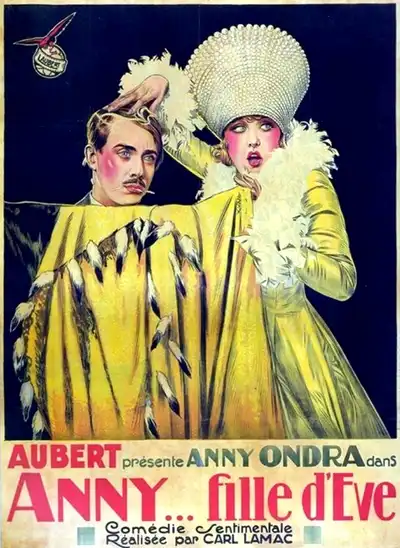
A definitive 6.2/10 rating for a film that redefined the boundaries of cult cinema. Daughters of Eve remains a cornerstone of transgressive art.
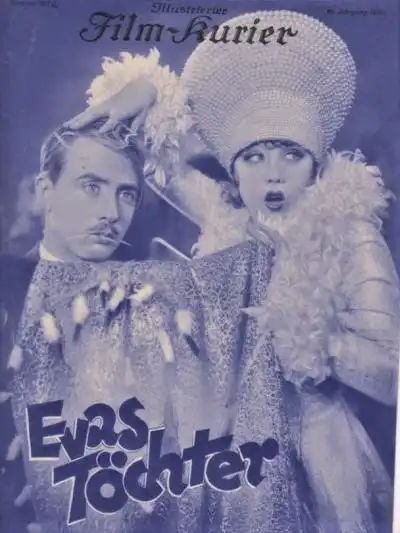
"Daughters of Eve," a silent film from 1928, isn't going to be for everyone today. If you're a silent film buff or someone curious about how stories were told before sound, there's definitely something here for you. But if you struggle with intertitles and a slower pace, you'll probably find it a bit of a drag. It’s a peek into a specific time, both cinematically and socially.
The premise is straightforward enough: a showgirl, Mary, decides to bring a rather dashing fellow along on her vacation. You can almost feel the collective gasp from the fictional society around her. This sets off a chain of very polite, very silent judgment.
Anny Ondra, as Mary, is really the main draw here. She's got this incredible expressiveness, even without words. Her eyes do so much work. You watch her face, especially during those moments when she’s just observing the disapproving glances, and you totally get what she's feeling. There’s a scene where she just slowly turns her head, a slight frown playing on her lips, after a particularly frosty stare from another woman. It says everything.
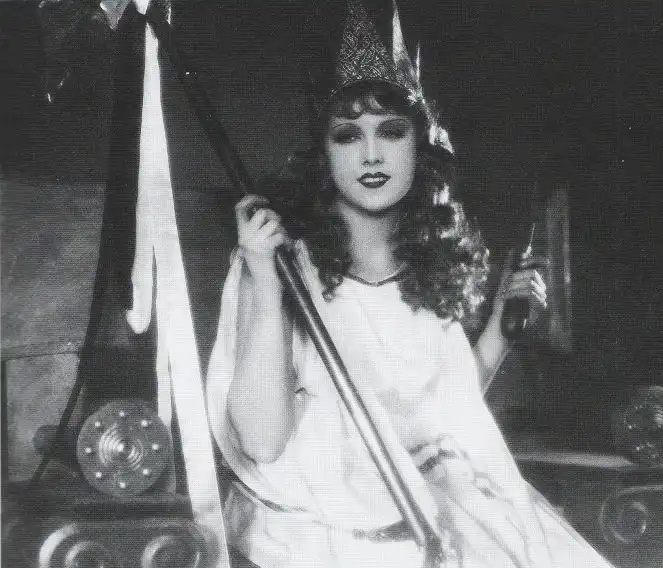
Her companion, played by Wolfgang Zilzer, is interesting. He’s handsome, sure, but also a bit... vague. Is he genuinely smitten or just enjoying the ride? The film doesn't quite nail his intentions, which leaves you wondering a bit. Maybe that’s the point, to keep us guessing about the nature of their relationship.
The whole idea of "distress of others" plays out in lots of subtle ways. You see it in the quick, hushed conversations between minor characters. It's in the way people at a resort cafe turn their heads just a little too quickly. It’s not grand confrontation, but a constant hum of disapproval that feels pretty real for the era. The silent nature actually helps here; the unspoken judgments hang heavy.
There’s a moment with a small dog that felt oddly out of place, but also kind of sweet. It just sort of wanders into a scene, gets a pat, then wanders off. It doesn't add anything to the plot, but it's a little slice of life, I guess. Like someone just left the camera rolling for a second too long.
The pacing can be a challenge. Sometimes a scene will just linger. One shot of a character looking thoughtful goes on for what feels like 10, maybe 15 seconds too long. You start to think, "Okay, I get it, they're thinking." It's not bad, just a different rhythm than we're used to.
I appreciated how the film wasn't trying to make Mary into some grand rebel. She just wanted to enjoy her vacation with someone she liked. The "rebellion" is purely in the eyes of others. It’s a very personal story, despite the wider social commentary.
There are some really nice shots of the scenery, too. When they're out walking by the water, the light is quite lovely. Nothing groundbreaking, but it adds a certain charm. It grounds the somewhat small-scale drama in a pleasant, if unremarkable, backdrop.
It's clear the film wants you to side with Mary. The way the "others" are portrayed, they’re not necessarily villains, just a bit stiff and judgmental. You can almost feel the movie trying to gently push you towards her perspective. And it works, mostly.
While it’s not exactly a forgotten masterpiece, "Daughters of Eve" does offer a solid performance from Ondra and a quiet, observant look at social expectations. It makes you think about how much has (or hasn't) changed in how society judges personal choices. Definitely worth checking out if you’re into the deeper cuts of silent cinema. 🎞️

IMDb 6.5
1929
Community
Log in to comment.