DbcultAccessing Vault...
Cult Review
Senior Film Conservator
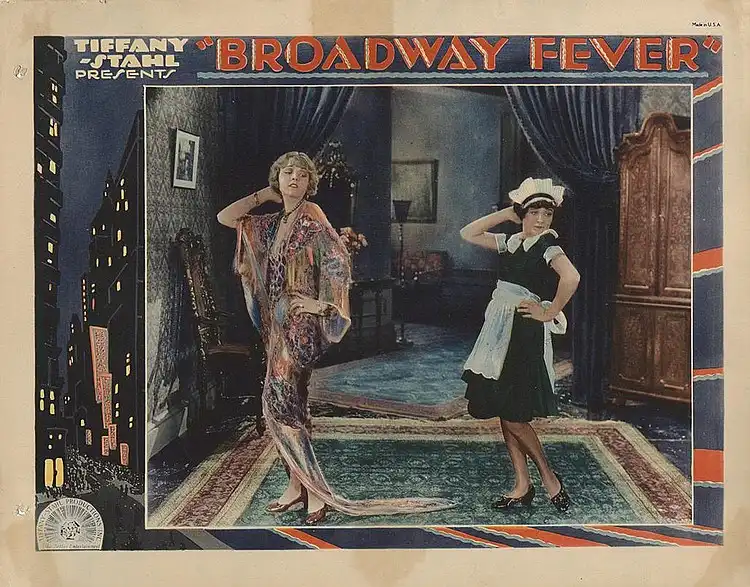
Alright, so 'Broadway Fever' is one of those films. You know, the kind you stumble upon late at night, or maybe dig out from some dusty archive. Is it worth watching today? Probably only if you're a serious film historian or just really, really into the 1920s stage scene. For anyone else, it’s a bit of a slog.
If you're looking for fast pacing or deep character studies, you'll probably hate it. But if you have a soft spot for silent-era ambition and maybe a few accidental laughs, *then* you might find something.
The premise is simple enough: a young woman, fresh off the bus, trying to make it as a dancer. Sally O'Neil plays her, and she’s got that bright-eyed enthusiasm that works for the era. She’s often framed against these surprisingly detailed sets, considering the film's age. I particularly liked the set design for the *backstage area*. It felt lived-in, somehow, even through all the graininess.
There's this moment, early on, where O'Neil's character is just standing by a theater door, watching the more established dancers. The shot lingers a little too long, actually. You can almost feel her *thinking* about her big chance. It’s a nice, quiet beat, but then it just… keeps going. Like, maybe 10 seconds too long. You start wondering if the editor just fell asleep at the wheel there. 😴
Calvert Carter plays the demanding theater manager, and he’s every bit the stern, cigar-chomping type you’d expect. He barks orders, he paces. He doesn’t really get much beyond that. He’s more of a plot device than a person, really.
What really sticks with me, though, are the dance numbers. Now, these aren’t the synchronized spectacles we see today. They’re charming in their own way, full of flapper energy. There’s one sequence where everyone’s kicking so high, and one dancer in the background, she just looks a little *off*. Like she missed a beat, or maybe her shoe came loose. It’s tiny, almost unnoticeable, but it adds this weird, real touch to it. Ballet mécanique this is not.
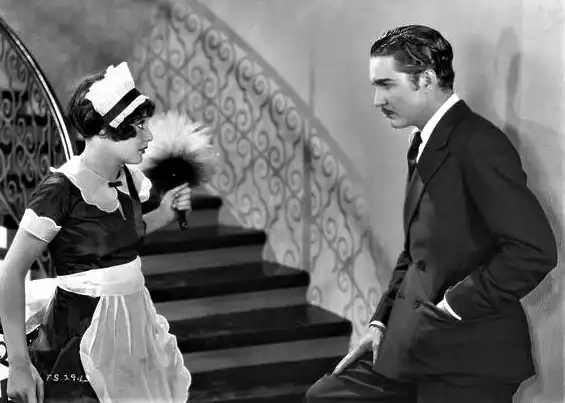
The film *really* tries to make you care about the romantic subplot between O'Neil and Roland Drew’s character. He’s the handsome, slightly brooding leading man. Their chemistry felt… constructed. Like the script told them to be in love, so they were.
“They sure are giving each other some intense looks,” I wrote in my notes, “but I’m not buying it.”
The pacing is pretty slow, especially during the dramatic moments. There are these long, drawn-out close-ups when someone is supposed to be feeling a lot of emotion. You just see their face, and they’re doing their best, but it just feels so… *held*. Like they’re waiting for the audience to catch up, or maybe for the director to yell cut.
One weird thing: the costumes for the show within the movie. They’re supposed to be glamorous, right? But some of them look a bit cobbled together, almost like they ran out of fabric. Especially during the big ensemble number near the end. You see a few performers whose outfits just don't quite match the others. It's a small detail, but it caught my eye.
Honestly, the movie gets noticeably better once it stops trying to be so serious and just lets the dance numbers, however clunky, carry things for a bit. There’s a scene where a character gets stage fright, and the way they portray it, with shaky hands and wide eyes, is actually pretty effective. For a brief moment, it feels *real*.
It’s a peculiar artifact, Tenderloin might be a more engaging watch from this period. This one, 'Broadway Fever,' it’s a snapshot of a time, a little dusty, a little wobbly, but it’s there. A good reminder of how movies used to tell stories, even if not always perfectly. Maybe keep it for a rainy Sunday afternoon, with a big cup of coffee. ☕
IMDb 6.5
1936
Community
Log in to comment.