DbcultAccessing Vault...
5.7/10
Senior Film Conservator
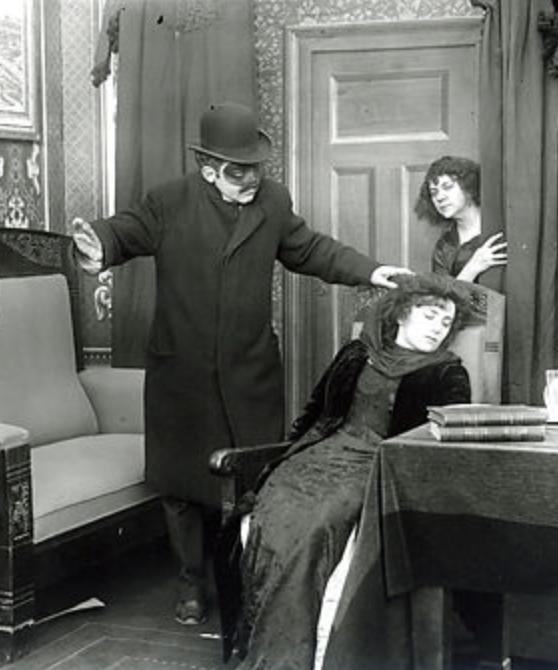
A definitive 5.7/10 rating for a film that redefined the boundaries of cult cinema. Den hvide Slavehandels sidste Offer remains a cornerstone of transgressive art.
Den hvide Slavehandels sidste Offer is a film that delves into the darkest recesses of human history, shedding light on the appalling treatment of vulnerable individuals during the slave trade era. The movie's narrative is centered around the abduction of young white girls, who are subsequently held captive and threatened with sexual molestation by a Moorish slaveholder. This character, driven by a desire to expand his harem, embodies the cruel and exploitative nature of the slave trade, highlighting the ways in which human beings were reduced to mere commodities.
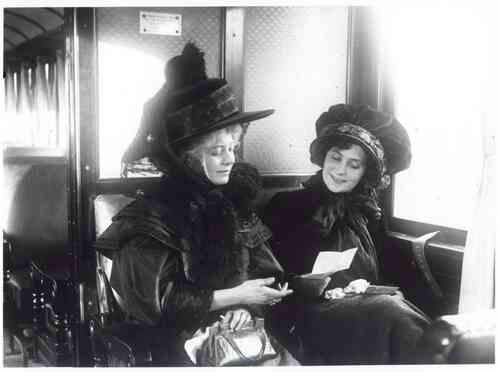
The film's writer, Peter Christensen, tackles this difficult subject matter with a sense of urgency and moral outrage, using the story to condemn the atrocities committed during this period. Through the characters' experiences, Christensen exposes the harsh realities of slavery, including the violent suppression of resistance, the destruction of families, and the dehumanizing effects of captivity. The cast, which includes Lauritz Olsen, Clara Pontoppidan, and Otto Lagoni, delivers powerful performances that bring depth and nuance to the narrative.
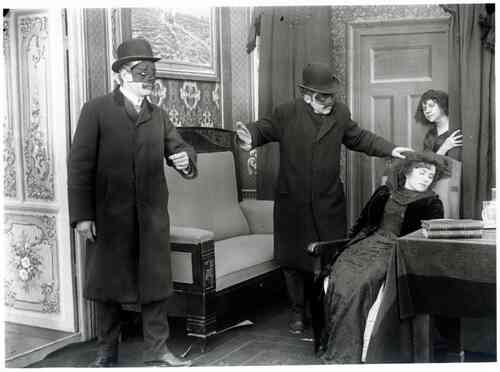
One of the most striking aspects of Den hvide Slavehandels sidste Offer is its unflinching portrayal of the slave trade's brutalities. The film does not shy away from depicting the harsh conditions faced by enslaved individuals, including physical abuse, emotional trauma, and the constant threat of violence. This approach serves as a powerful indictment of the system, emphasizing the need for accountability and justice. By exploring the complexities of the slave trade, the movie encourages viewers to confront the darker aspects of human history and to consider the ongoing impact of these events on contemporary society.
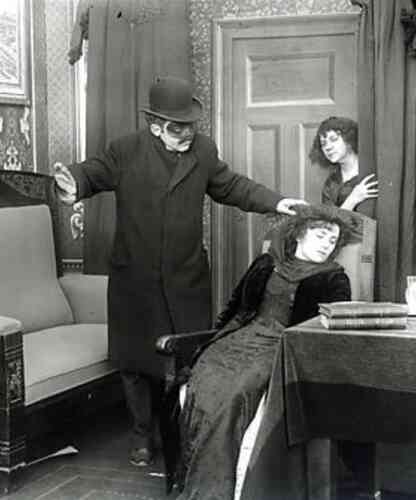
In comparison to other films of the era, such as Birmingham and The Corbett-Fitzsimmons Fight, Den hvide Slavehandels sidste Offer stands out for its thought-provoking and deeply unsettling subject matter. While these other films may have focused on more lighthearted or spectacle-driven content, Christensen's movie tackles a difficult and important topic with sensitivity and courage. The result is a film that is both a powerful work of social commentary and a haunting exploration of the human condition.
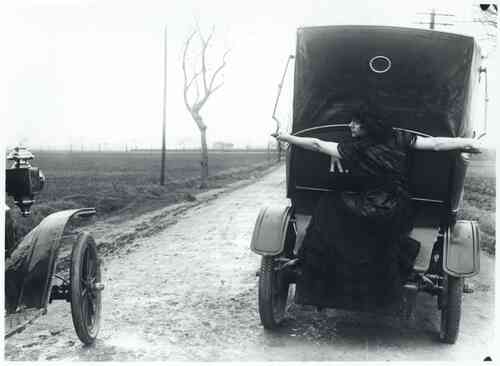
The film's use of dark orange and yellow hues creates a sense of foreboding and unease, drawing the viewer into the nightmarish world of the slave trade. The sea blue tones that appear in certain scenes serve as a poignant reminder of the freedom and escape that the characters long for, but are unable to attain. This thoughtful use of color adds an extra layer of depth to the narrative, underscoring the emotional resonance of the story and the characters' experiences.
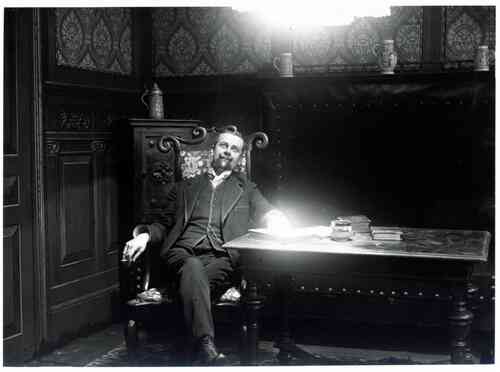
In conclusion, Den hvide Slavehandels sidste Offer is a film that demands attention and reflection. Its unflinching portrayal of the slave trade's brutalities, combined with its thoughtful exploration of the human condition, makes for a movie experience that is both haunting and thought-provoking. As a work of social commentary, the film encourages viewers to confront the darker aspects of human history and to consider the ongoing impact of these events on contemporary society. With its powerful performances, striking visuals, and courageous storytelling, Den hvide Slavehandels sidste Offer is a movie that will linger in the viewer's mind long after the credits have rolled.
IMDb 5.6
1922
Community
Log in to comment.