DbcultAccessing Vault...
Cult Review
Senior Film Conservator
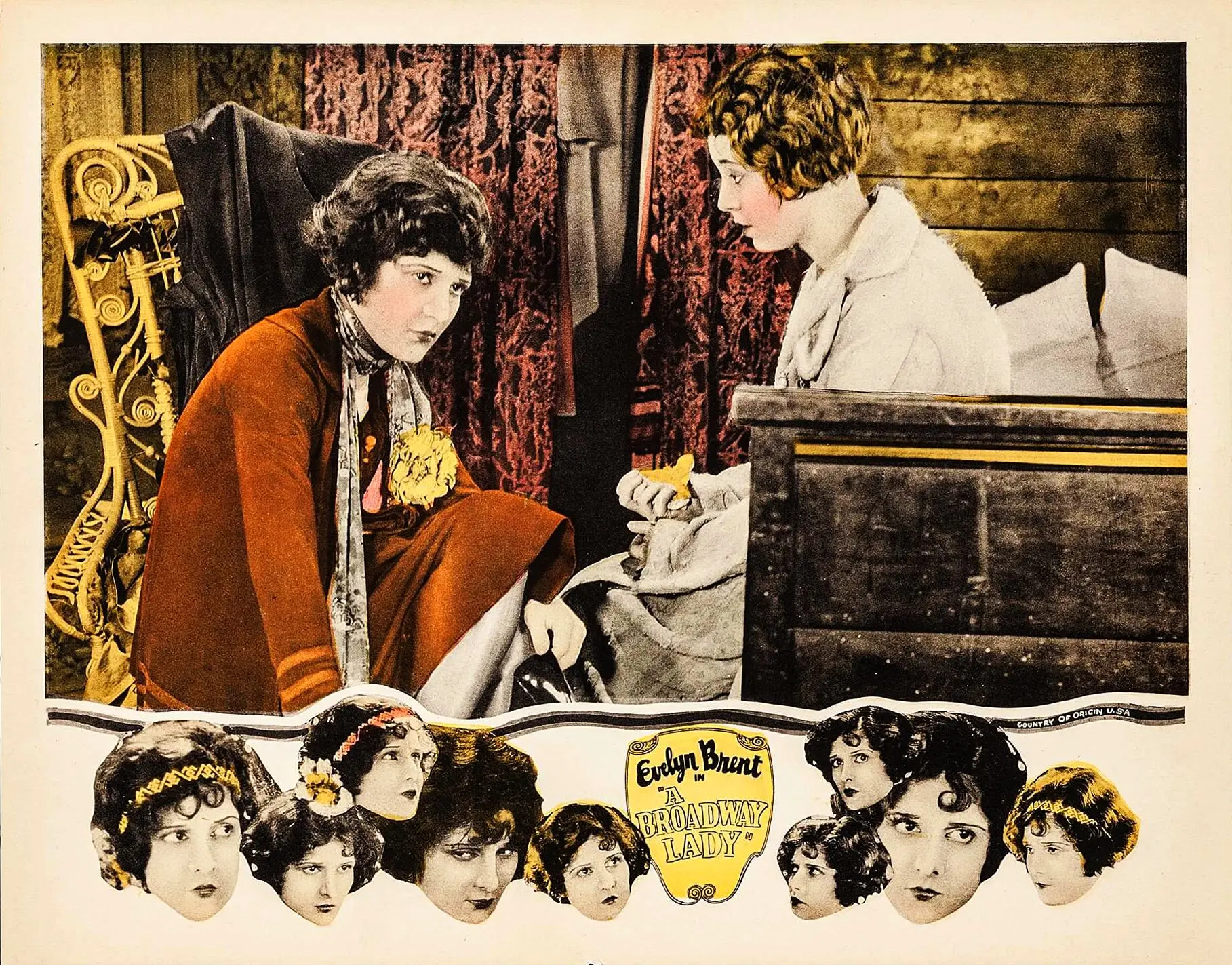
From the moment the curtain rises on Broadway Lady, we are thrust into a vibrant, yet often unforgiving, world where ambition clashes with entrenched privilege, and the dazzling lights of the stage conceal shadows of deceit. This cinematic gem, penned by the astute Fred Myton, is far more than a simple melodrama; it's a biting commentary on class distinctions, the hypocrisy of high society, and the indomitable spirit of a woman caught in a maelstrom not of her own making. At its heart is Rosalie Ryan, brought to incandescent life by Miki Morita, a chorus girl whose effervescent charm belies a core of unwavering integrity.
Morita’s portrayal of Rosalie is a masterclass in nuance. She isn't merely a pretty face; she's a symbol of the burgeoning independence of women in the Roaring Twenties, a woman who understands her worth beyond the superficial glitz of Broadway. Her initial encounter with Bob Westbrook, the wealthy playboy portrayed with a compelling blend of charm and tormented weakness by Ernest Hilliard, sets the stage for a conflict that transcends mere romance. Westbrook, a man seemingly adrift in his own opulence, is captivated by Rosalie's genuine spirit, a stark contrast to the jaded women of his own social circle. His proposal, however, is met with a resolute refusal. Rosalie, discerning and principled, sees through the veneer of his wealth to the destructive habit of his heavy drinking, a vice that would undoubtedly poison any union.
The turning point, a pivotal moment that irrevocably alters Rosalie’s trajectory, arrives with the brazen insults hurled by Westbrook's family. Here, the film truly excavates the chasm between social strata. The family, embodied by the sneering disdain of characters like those played by Clarissa Selwynne, views Rosalie not as a human being, but as an audacious interloper, a stain on their pristine lineage. Their snobbery is palpable, a suffocating arrogance that seeks to diminish and control. This contempt, rather than deterring Rosalie, ignites a fierce, almost primal, sense of defiance within her. Her subsequent acceptance of Bob's proposal is not an act of love or ambition, but a calculated strike against their condescension, a magnificent gesture of rebellion designed solely to prick their inflated egos. It’s a move that echoes the bold spirit seen in films like The Branded Woman, where a woman’s reputation is weaponized against her, forcing her to fight back with cunning and resolve.
This decision, born of wounded pride and a desire for retribution, propels Rosalie into a world far more treacherous than the glittering stage. She finds herself navigating the labyrinthine corridors of wealth, where appearances are everything and secrets fester beneath polished surfaces. Her initial objective was simple — to get under their skin. But the intricate web of aristocratic deceit soon ensnares her in a much grander, and far more perilous, drama. Myton's script expertly layers these motivations, ensuring Rosalie remains sympathetic even as she makes choices driven by anger, a testament to the depth of her characterization.
The true complexity of the plot unfolds when Rosalie uncovers a shocking revelation concerning Bob's sister, Phyllis, portrayed with a delicate vulnerability by Marjorie Bonner. Phyllis is planning to elope with Martyn Edwards, a cad whose charming façade conceals a history of betrayal. Theodore von Eltz imbues Edwards with a chillingly smooth malevolence, making him a truly formidable antagonist. What makes this discovery particularly poignant for Rosalie is that Edwards once betrayed a close friend of hers. This detail is crucial; it shifts Rosalie’s motivation from mere personal vendetta against the Westbrook family to a higher moral imperative. Her sense of loyalty, her inherent protectiveness, compels her to intervene, to prevent Phyllis from falling victim to the same manipulative tactics that scarred her friend. This narrative turn elevates the stakes, transforming the story from a simple class struggle into a moral quandary with grave implications.
Rosalie’s decision to confront Phyllis is fraught with peril. She ventures into Phyllis's apartment, not knowing the dark forces already at play. This scene is a masterclass in building tension, a slow burn that culminates in explosive revelation. The atmosphere crackles with unspoken threats and hidden agendas. It’s a moment reminiscent of the intricate domestic deceptions found in mysteries like Green Eyes, where the sanctuary of a home becomes a stage for deadly secrets. Rosalie, an outsider, becomes an unwitting witness, her presence disrupting a carefully constructed illusion.
The confrontation takes a horrific turn, plunging Rosalie into a nightmare. She finds herself inextricably involved in, and subsequently arrested for, a murder. This sudden, dramatic pivot is a testament to Myton's ability to craft a tightly wound plot, ensuring that the audience remains on the edge of their seats. The film doesn't waste time in establishing Rosalie's predicament; her arrest is immediate, stark, and deeply unjust. The irony is bitter: her attempt to prevent one tragedy inadvertently lands her in the middle of another, far more devastating one. The legal system, often portrayed as impartial, now looms as a formidable, unyielding adversary, ready to crush the innocent under its weight.
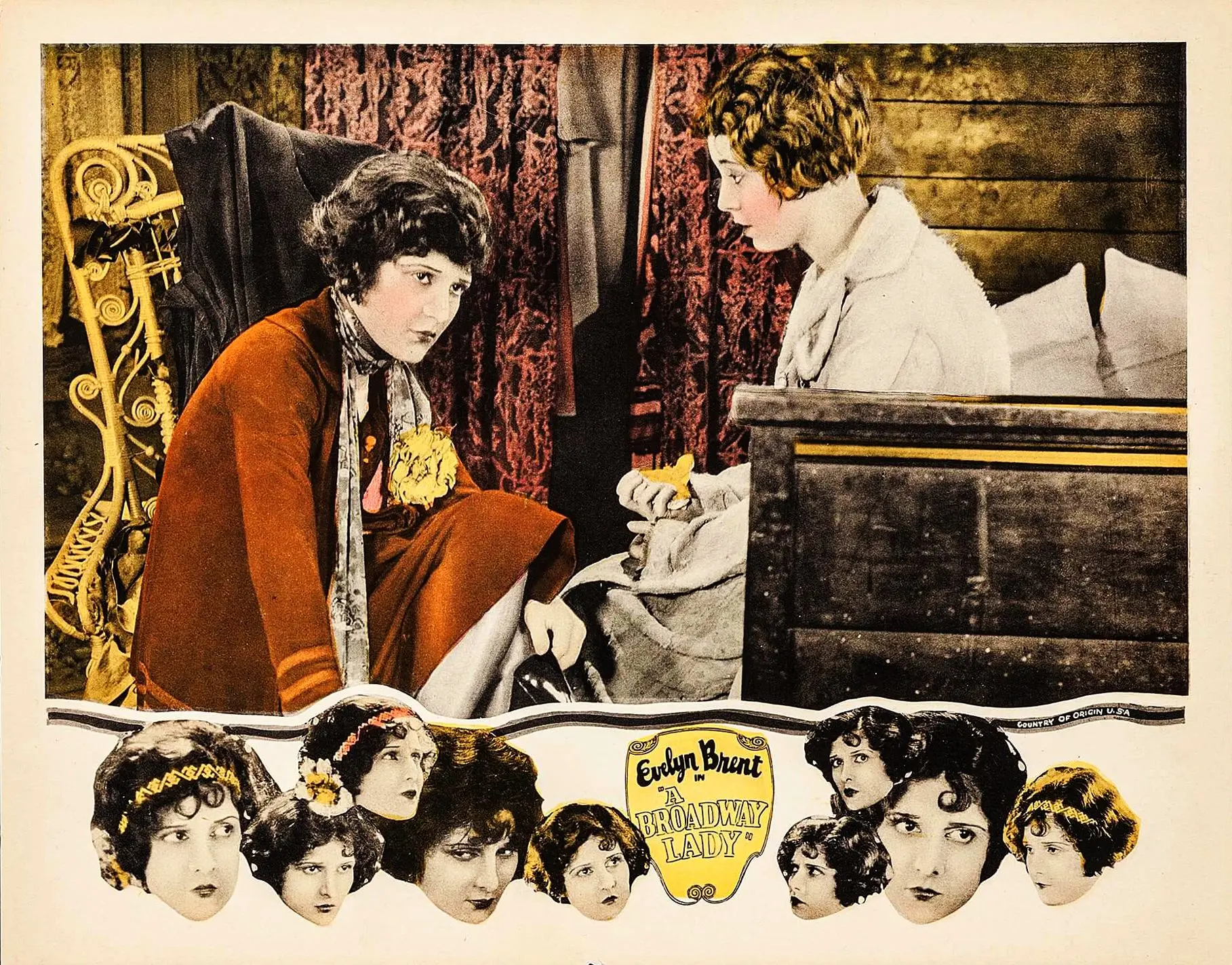
The supporting cast members, including Evelyn Brent, John Gough, and Joyce Compton, undoubtedly contribute to the tapestry of intrigue surrounding this central event. Their characters, whether allies or antagonists, add layers of complexity to the unfolding mystery, each playing a crucial part in either obfuscating the truth or aiding in its eventual discovery. The film masterfully uses the murder as a catalyst, forcing Rosalie to not only fight for her freedom but also to expose the rot at the core of the Westbrook family’s seemingly impeccable façade. It's a gripping turn of events, where the stakes are not just personal reputation, but life itself.
Broadway Lady transcends its genre confines to offer a piercing critique of society, particularly the stark disparities and moral failings prevalent in the early 20th century. The film subtly, yet powerfully, questions the very definition of 'respectability.' Is it inherent in wealth and lineage, or is it found in integrity and courage, regardless of one's station? Rosalie Ryan, the chorus girl, emerges as the moral compass of the story, her values contrasting sharply with the moral bankruptcy often found within the Westbrook clan. This thematic exploration aligns with other films that delve into societal pressures and the constraints placed upon individuals by their social standing, such as Married in Name Only, which often explored the compromises made for social acceptance.
The narrative’s strength lies in its refusal to paint characters in simplistic black and white. Bob Westbrook, for instance, is not merely a villain; he is a man burdened by his own weaknesses and the expectations of his family, a character ripe for redemption, or further descent. Hilliard's nuanced performance allows us to glimpse the tormented soul beneath the playboy exterior. Similarly, Rosalie's journey is one of self-discovery and resilience. She is not a passive victim; she is an active agent in her own destiny, even when circumstances conspire against her. Her fiery spirit, so captivatingly conveyed by Morita, makes her an unforgettable protagonist, a woman who fights back not with brute force, but with intelligence and an unwavering belief in justice.
Fred Myton's screenplay for Broadway Lady is a testament to his understanding of dramatic structure and character development. The pacing is meticulous, building momentum slowly but surely, allowing the emotional weight of each revelation to land with maximum impact. The film never feels rushed, yet it never drags, a delicate balance that is often difficult to achieve. Myton expertly weaves together threads of romance, mystery, and social commentary, creating a rich tapestry that engages the intellect as much as it tugs at the heartstrings. His dialogue, even if implied in a silent film or subtly delivered in an early talkie, would have been sharp and incisive, propelling the narrative forward with precision.
The atmosphere of the film is another one of its unsung strengths. From the bustling energy of the Broadway stage to the opulent, yet suffocating, interiors of the Westbrook mansion, the settings are more than mere backdrops; they are extensions of the characters' internal states. The contrast between these worlds underscores Rosalie's journey – from the candid honesty of her own milieu to the deceptive grandeur of high society. The visual storytelling, characteristic of the era, would have relied heavily on expressive performances and evocative set designs, creating a vivid sense of place and mood. This careful construction of atmosphere ensures that the audience is fully immersed in Rosalie's harrowing experience, feeling her isolation and desperation as the walls of accusation close in.
Broadway Lady stands as a compelling example of early cinema's capacity for complex storytelling and social critique. It's a film that resonates because its core themes – the fight against injustice, the struggle for personal autonomy, and the exposure of societal hypocrisy – are timeless. Miki Morita’s Rosalie Ryan remains a powerful figure, a woman who, despite being an outsider, possesses an inner strength that allows her to challenge the most formidable adversaries. Her journey from defiant chorus girl to wrongly accused murder suspect is a gripping one, fraught with emotional highs and devastating lows. The film doesn't shy away from the darker aspects of human nature, yet it ultimately champions the enduring power of truth and resilience.
Comparing it to other films of its period, one can see its unique contribution. While The Shuttle might explore cross-cultural romances and class, Broadway Lady dives specifically into the American social ladder, where the 'new money' of industry and 'old money' of lineage often collided, and where talent from humble beginnings could both dazzle and threaten. It's a story that asks us to look beyond superficial judgments and to question who truly holds moral authority in a world obsessed with appearances. The film’s enduring appeal lies in its ability to blend thrilling suspense with profound social commentary, leaving a lasting impression on anyone who experiences its dramatic narrative. It’s a powerful reminder that sometimes, the most dangerous stages are not those found on Broadway, but within the gilded cages of high society itself.
IMDb 6.9
1930
Community
Log in to comment.