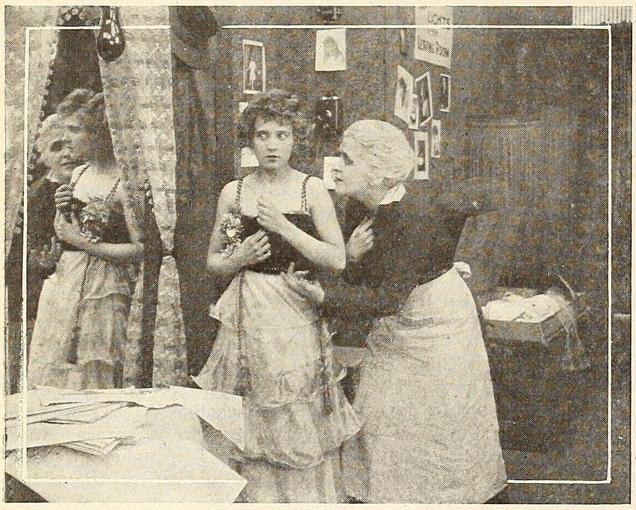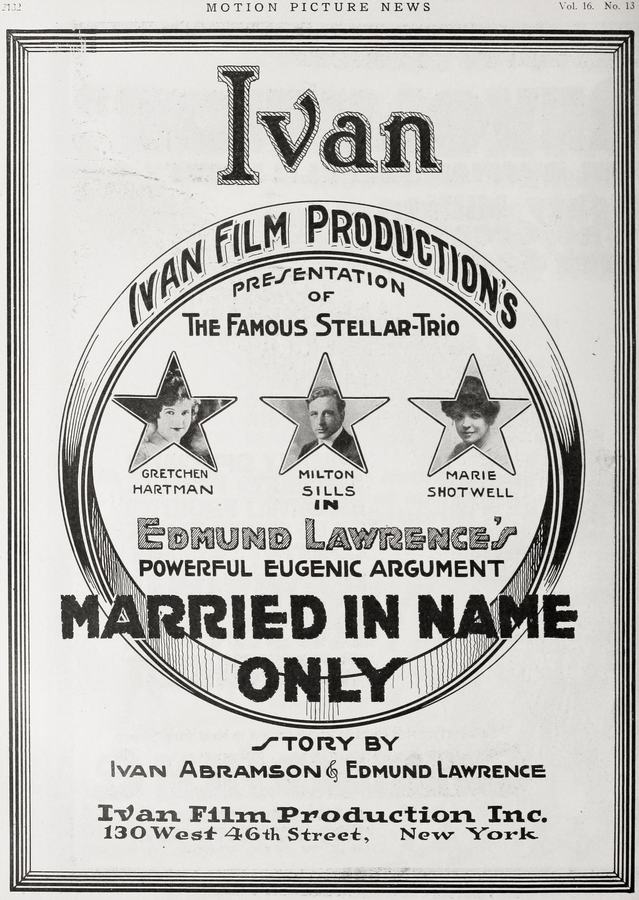
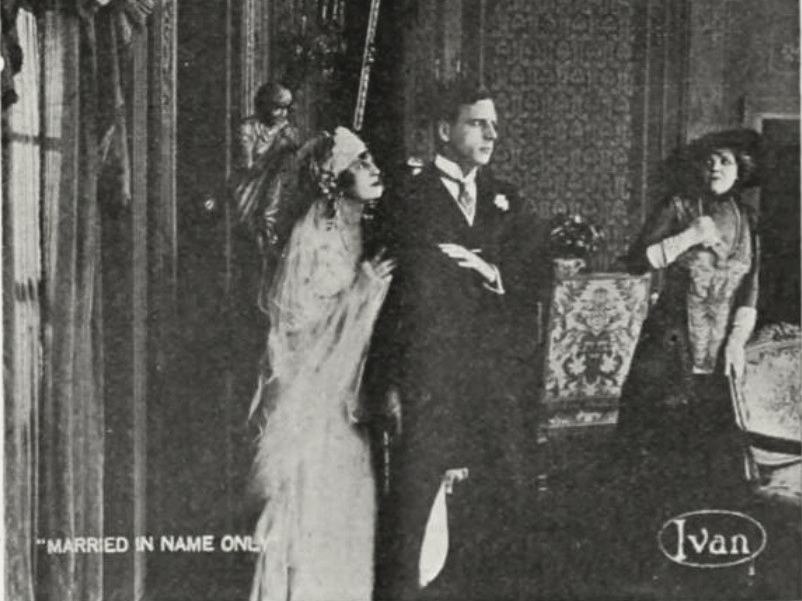
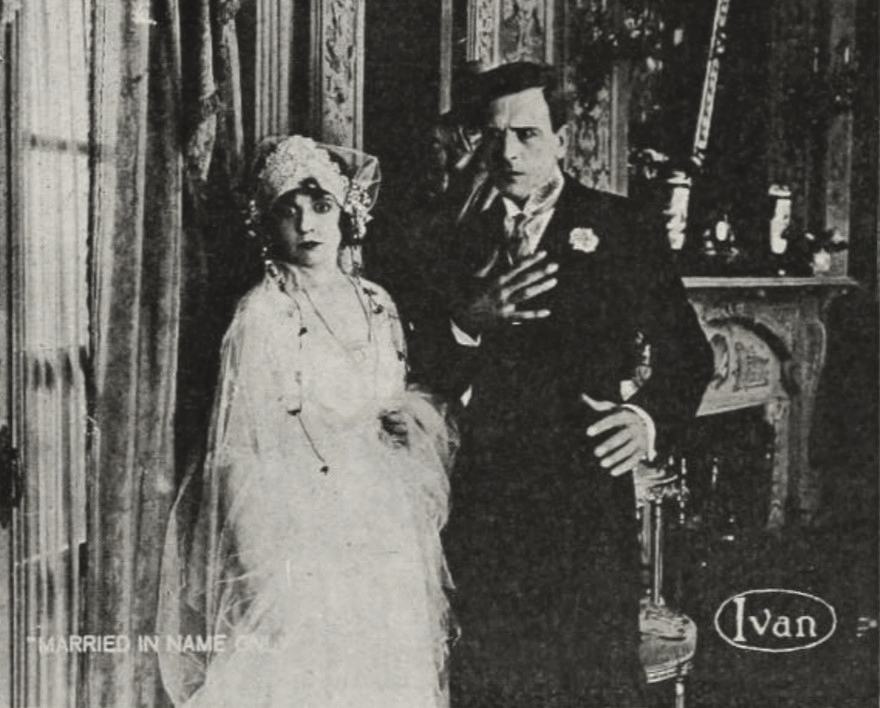
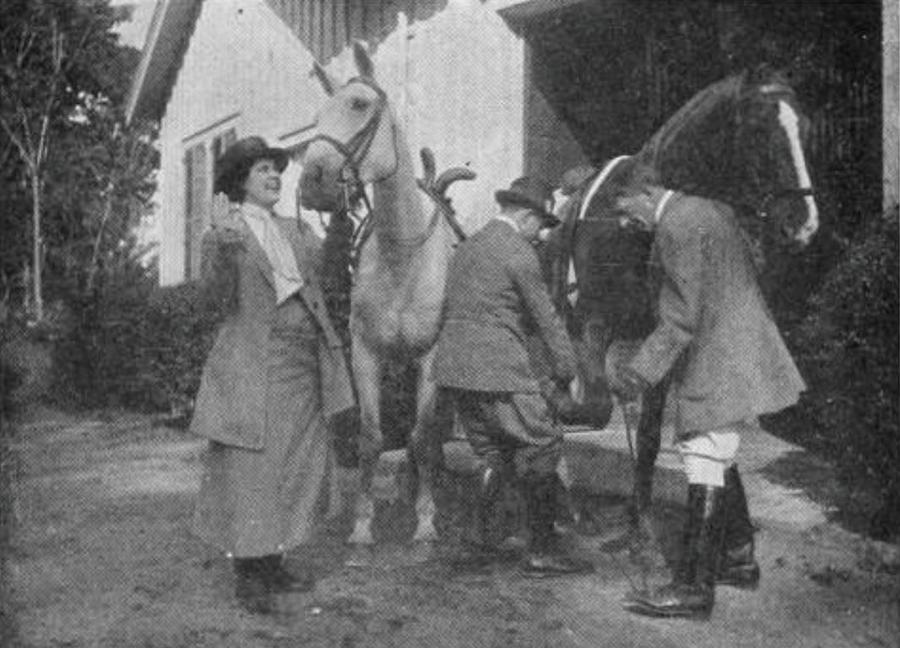
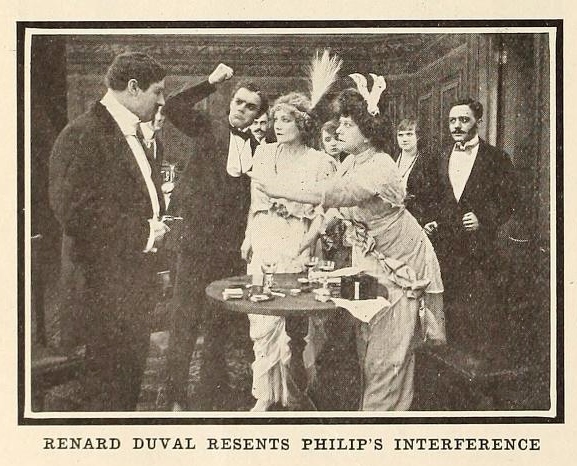
Robert Worthing marries his sweetheart, Madeline Francis, but the wedding is ruined by his mother, who announces that because she and her parents are insane, he possesses tainted genes. Fearing that he will pass the disease on to his children, the bridegroom avoids his new wife and locks the door between their rooms.
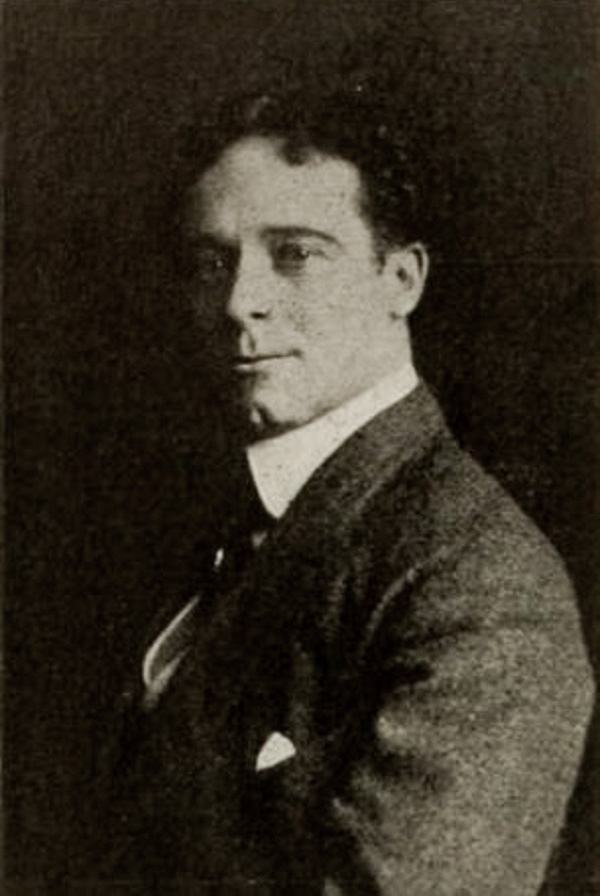
Ivan Abramson, Edmund Lawrence
United States
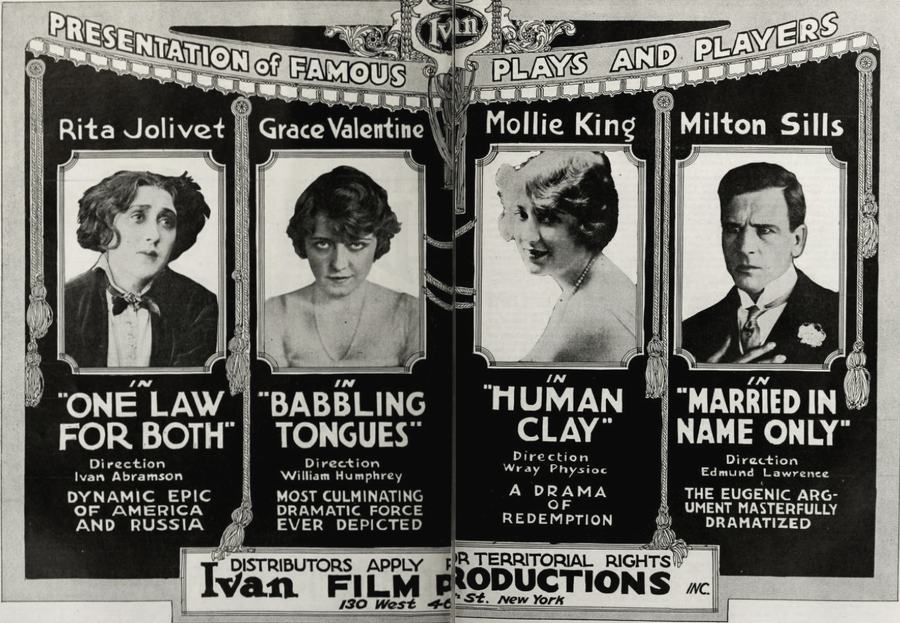
Picture, if you can, a wedding cake sliced by the blade of eugenics: Ivan Abramson’s Married in Name Only is that cake, its frosting laced with arsenic whispers and its bridal figurines frozen in a tableau of dread. Released in October 1917 while Europe still dug trenches in Flanders, this five-reel psychological mel...
still_frame
still_frame
publicity
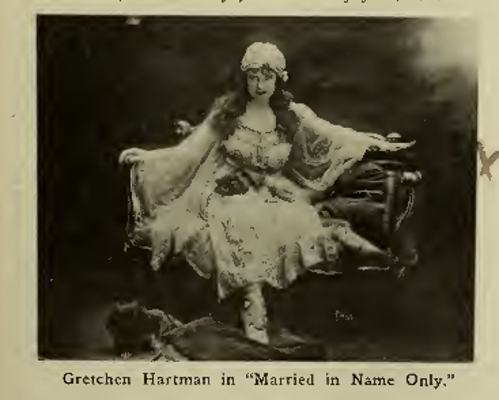
production_art
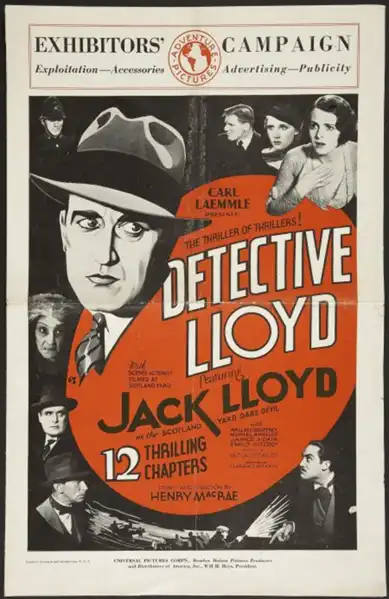
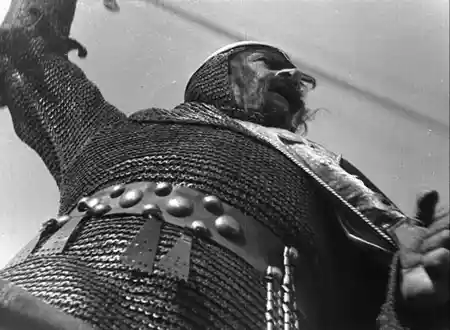
Comparing the cinematic DNA and archive impact of two defining moments in cult history.
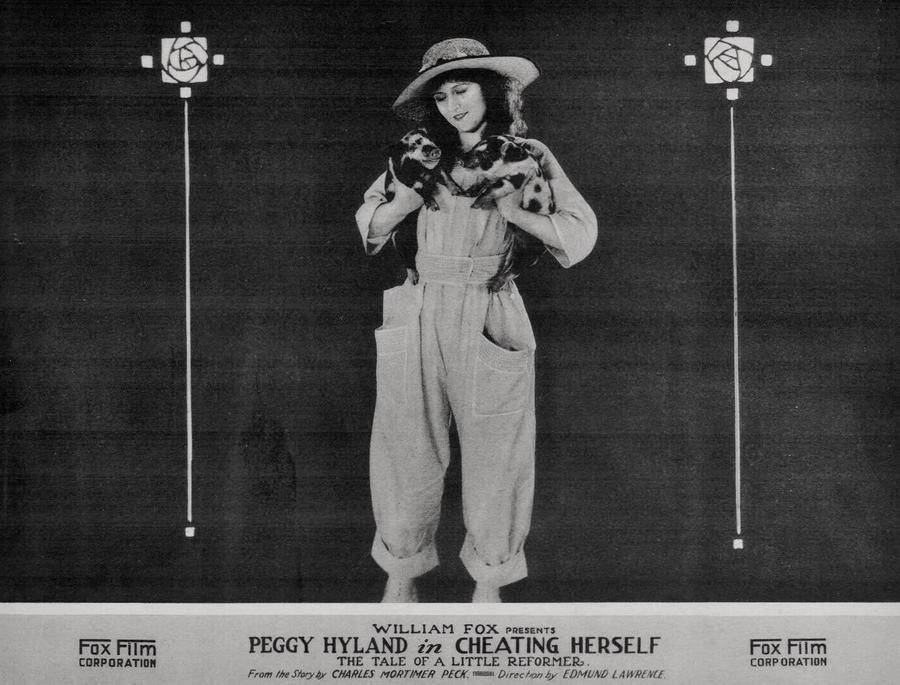
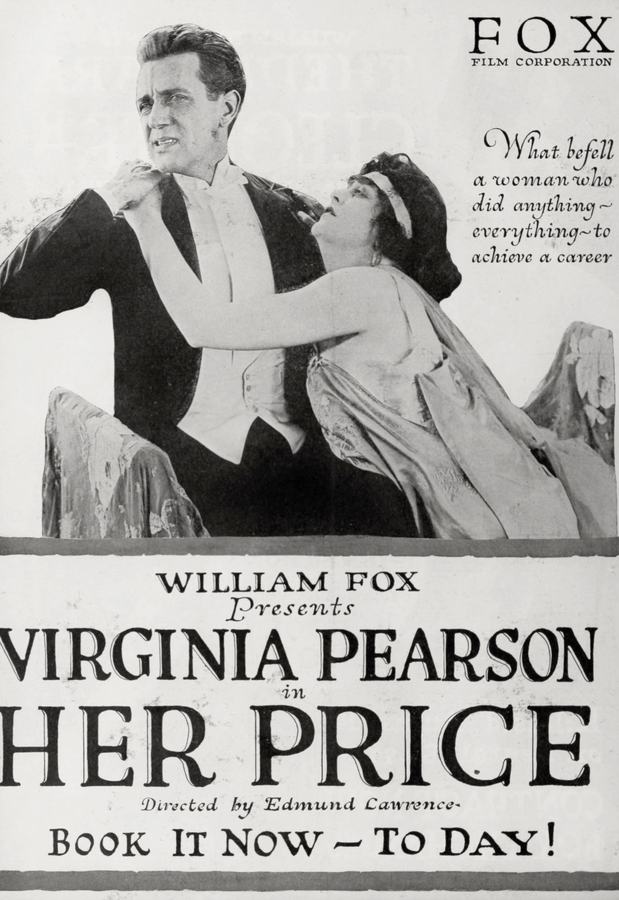
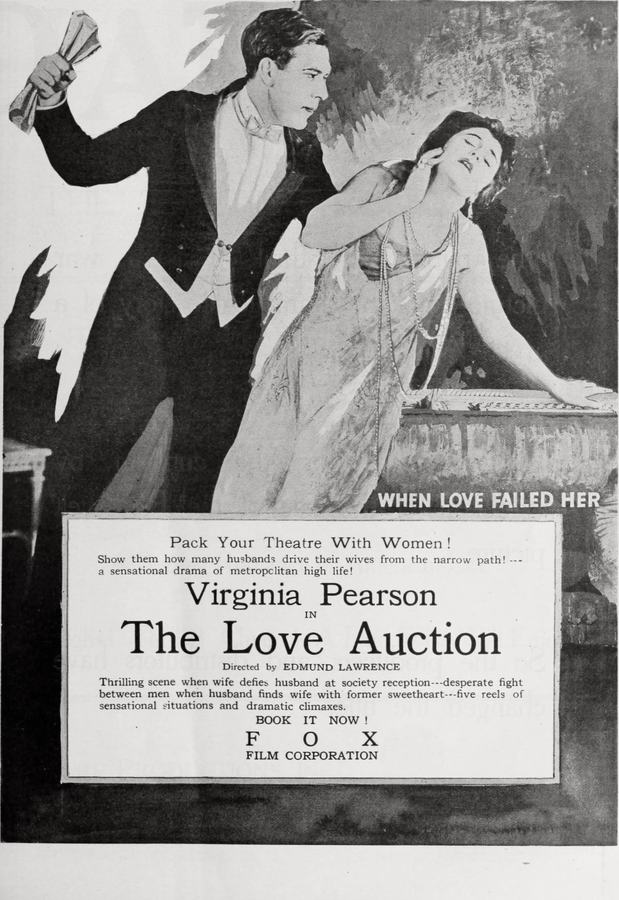
Edmund Lawrence
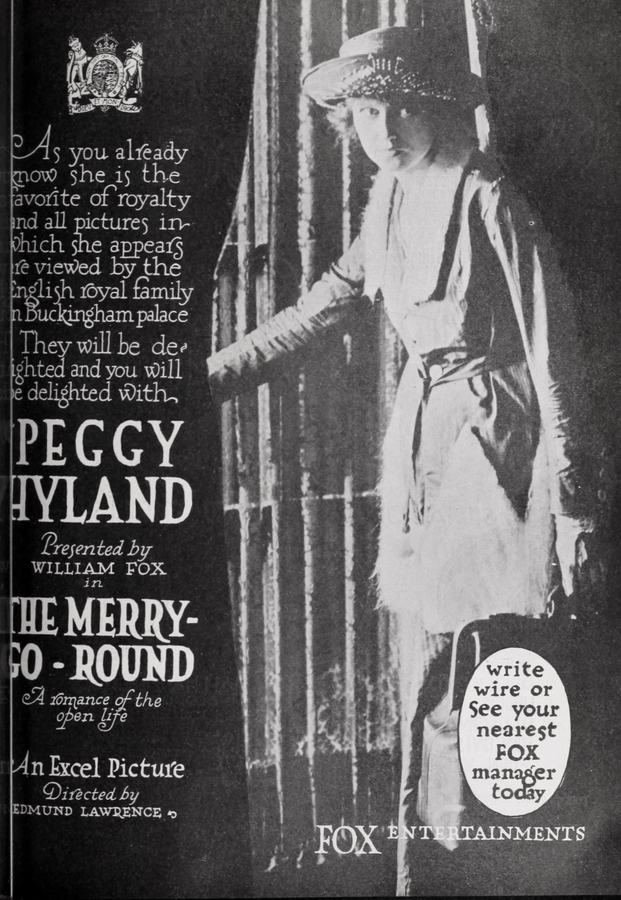
Edmund Lawrence
Community
Log in to comment.
" Picture, if you can, a wedding cake sliced by the blade of eugenics: Ivan Abramson’s Married in Name Only is that cake, its frosting laced with arsenic whispers and its bridal figurines frozen in a tableau of dread. Released in October 1917 while Europe still dug trenches in Flanders, this five-reel psychological melodrama arrived as both escapism and mirror, reflecting home-front anxieties about blood, duty, and the future of the race. Visual Lexicon of Repression Director Abramson, moonligh..."
Deep dive into the cult classic
Discover similar cinematic experiences
A Directorial Spotlight on Edmund Lawrence