DbcultAccessing Vault...
6/10
Senior Film Conservator
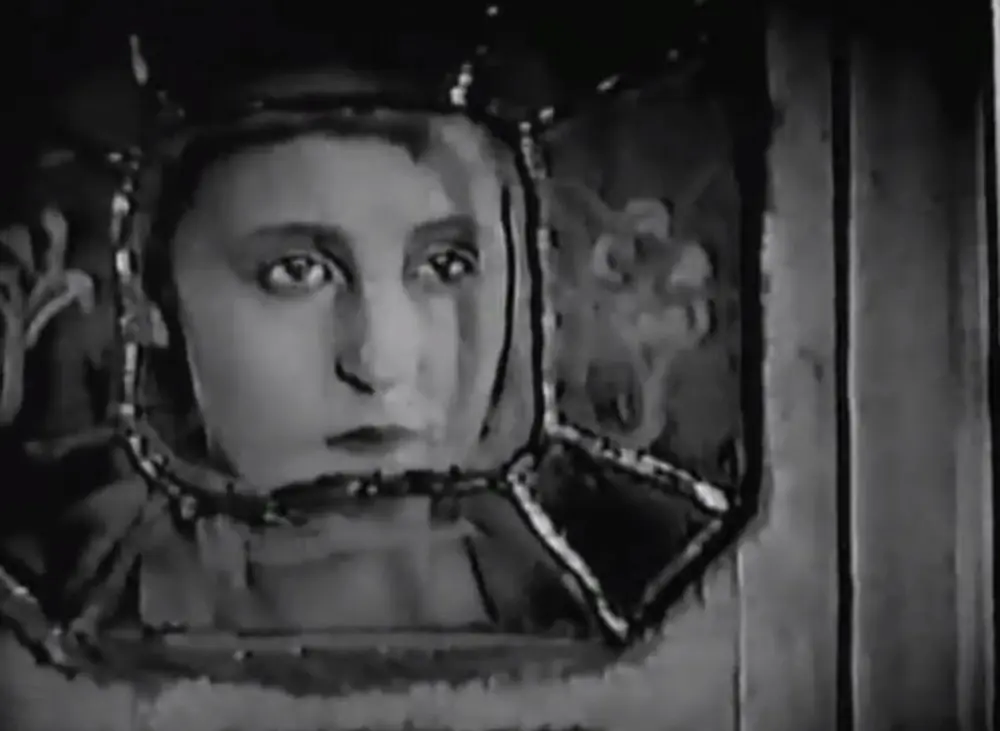
A definitive 6/10 rating for a film that redefined the boundaries of cult cinema. Am Rande der Welt remains a cornerstone of transgressive art.
Is this film worth watching today? Short answer: yes, but only if you have the patience for the deliberate, almost suffocating pacing of high-era Weimar Expressionism. This film is designed for the cinephile who wants to see the DNA of the modern anti-war movement, yet it is decidedly not for those who require rapid-fire editing or a clear-cut heroic narrative.
1) This film works because it transforms a single location—a mill—into a psychological pressure cooker that mirrors the anxiety of 1920s Europe.
2) This film fails because its heavy-handed symbolism occasionally overrides the human emotion of its characters, making them feel like archetypes rather than people.
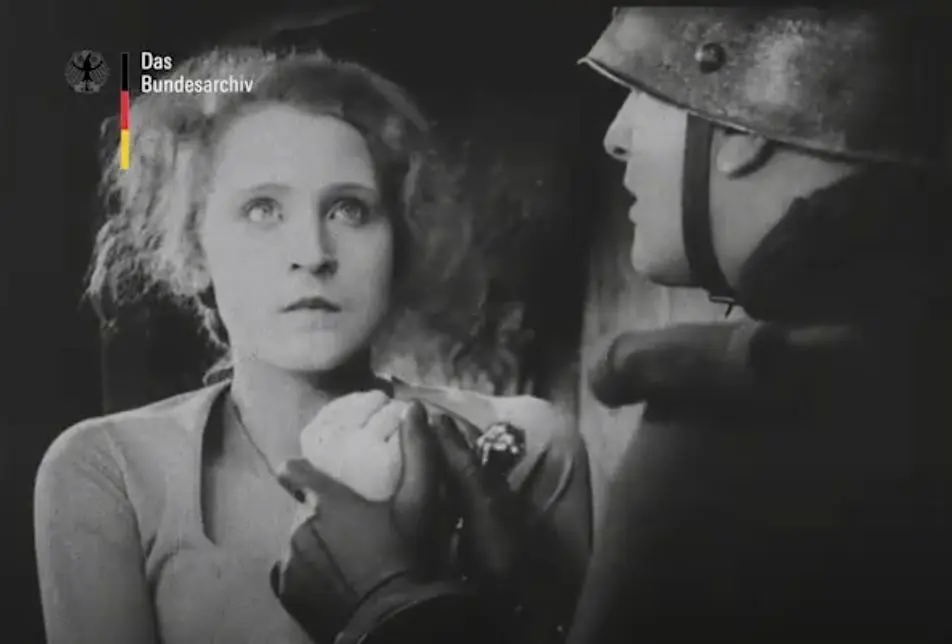
3) You should watch it if you want to see Brigitte Helm deliver a performance that rivals her work in Metropolis, or if you are interested in how silent film used architecture to tell a story.
To answer the question directly: Am Rande der Welt is an essential piece of historical cinema that demands your attention through its sheer visual audacity. It isn't 'entertainment' in the modern sense. It is an experience of mounting dread. If you appreciate the way shadows and light can communicate more than dialogue ever could, then the answer is a resounding yes. However, if you find silent-era melodrama taxing, this won't be the film to change your mind. It requires an active viewer, one willing to lean into the screen and decode the visual metaphors Karl Grune meticulously placed in every frame.
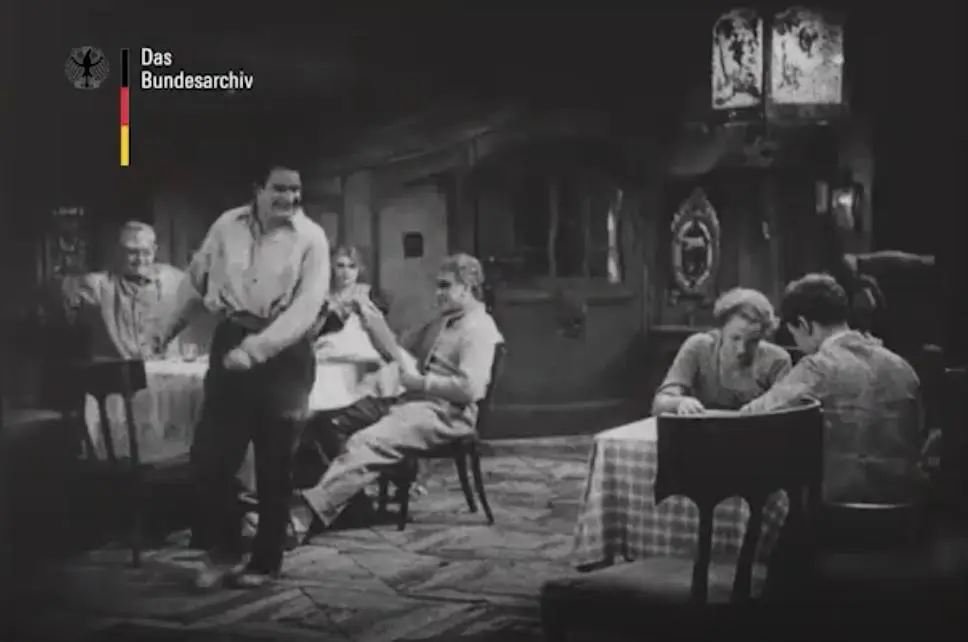
Karl Grune, working with the visionary writers Hans Brennert and himself, creates a world where the geography is the primary antagonist. The mill, situated 'at the edge of the world,' is a masterpiece of set design. It feels ancient, creaking under the weight of a future it cannot withstand. Unlike the more fantastical sets of The Mysteries of Myra, the mill here feels grounded in a dirty, tactile reality. You can almost smell the grain and the dust.
The way Grune shoots the border is fascinating. It isn't a wall; it's an invisible line that dictates life and death. In one particular scene, where the soldiers first arrive at the mill, the framing is tight, forcing the audience to feel the intrusion. The soldiers don't just enter a house; they violate a sanctuary. This isn't the sweeping spectacle of North of 36. This is intimate, domestic horror disguised as a political drama.
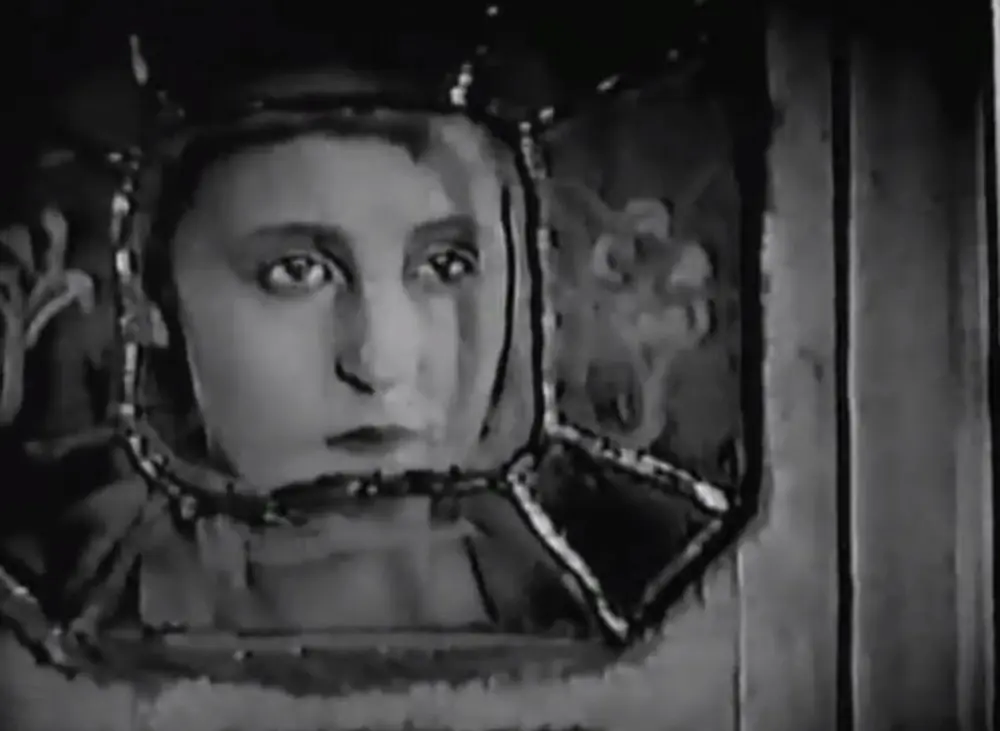
Brigitte Helm is the gravitational center of this film. While most remember her for the mechanical coldness of Maria in Metropolis, here she displays a raw, fragile humanity. Her face is a landscape of anxiety. There is a moment halfway through the film where she looks out from the mill's upper window, watching the horizon for signs of smoke. The shot lingers. It's uncomfortable. It's a masterclass in silent acting—telling us everything about the fear of the unknown without a single intertitle.
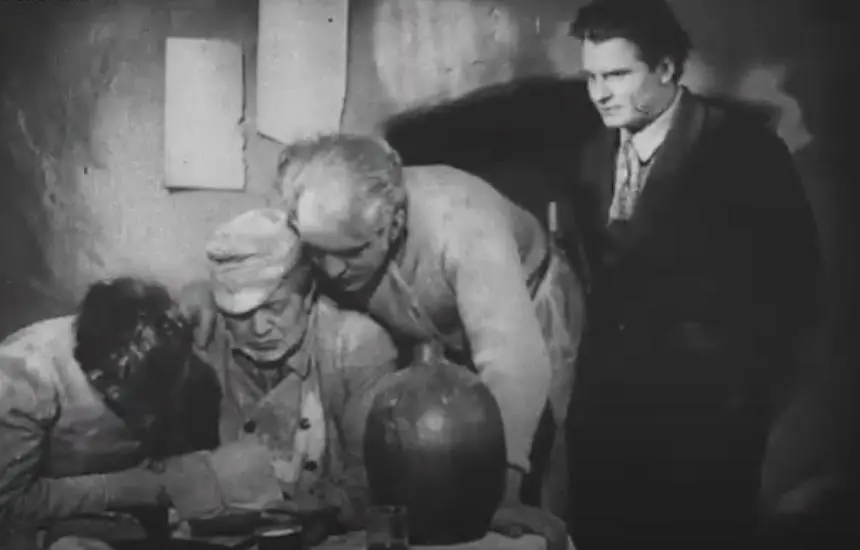
Max Schreck also appears, bringing that same unsettling energy he channeled in Nosferatu. Here, he isn't a vampire, but his presence feels equally predatory. He represents the creeping rot of the war machine. When he shares a scene with Albert Steinrück, the contrast between the old world and the encroaching 'future war' is palpable. It is a clash of acting styles that works perfectly for the film's themes.
One of the most debatable aspects of the film is Grune's decision to keep the warring nations unnamed. On one hand, it makes the message universal. War is a meat grinder, regardless of the flag flying over the trench. On the other hand, this lack of specificity can feel cowardly. By refusing to name the threat, the film occasionally drifts into abstract territory where the stakes feel theoretical rather than visceral. It lacks the grounded, tragic weight of something like Anna Karenina (1920), where the social structures are clearly defined.
The pacing is another point of contention. The second act drags. Grune is so enamored with the atmosphere of the mill that he allows the narrative to stall. We spend a long time watching the family wait. While this effectively communicates the boredom and tension of life on a border, it makes for a challenging viewing experience. The film is a slow burn that occasionally forgets to keep the fire lit.
Pros:
- Stunning visual composition that prefigures the noir aesthetic.
- A powerhouse performance from Brigitte Helm that humanizes the abstract plot.
- A haunting, prophetic view of how technology and industry would fuel 20th-century warfare.
Cons:
- The pacing is incredibly slow, even by 1920s standards.
- The 'unnamed countries' trope can feel a bit too safe and detached.
- Some of the supporting performances lean into the more hyperbolic tendencies of silent acting.
Am Rande der Welt was released in 1927, a time when Europe was desperately trying to convince itself that the 'Great War' was the last one. Grune didn't buy it. The film feels like a warning. It suggests that as long as we have borders, we will have people who are willing to destroy everything to move them. It is a cynical film, and that cynicism is its greatest strength. It doesn't offer easy answers. It just shows the mill being crushed.
In many ways, it is more relevant now than it was then. We still live in a world where ordinary people find themselves at the edge of someone else's conflict. The mill might be a digital infrastructure now, or a supply chain, but the feeling of being a pawn remains the same. Grune captured that feeling perfectly. It is a brutal, honest assessment of human folly.
Am Rande der Welt is a flawed, beautiful, and deeply somber piece of art. It is not a film you watch for a good time. You watch it to understand how the world felt between the two greatest catastrophes of the modern age. It works. But it’s flawed. The visual storytelling is top-tier, even if the narrative structure occasionally buckles under the weight of its own importance. If you can handle the slow pace, you will be rewarded with some of the most haunting imagery of the silent era. It is a film that lingers in the mind long after the final frame fades to black. It is a necessary watch for anyone serious about the history of the moving image.
IMDb —
1923
Community
Log in to comment.