DbcultAccessing Vault...
7.2/10
Senior Film Conservator
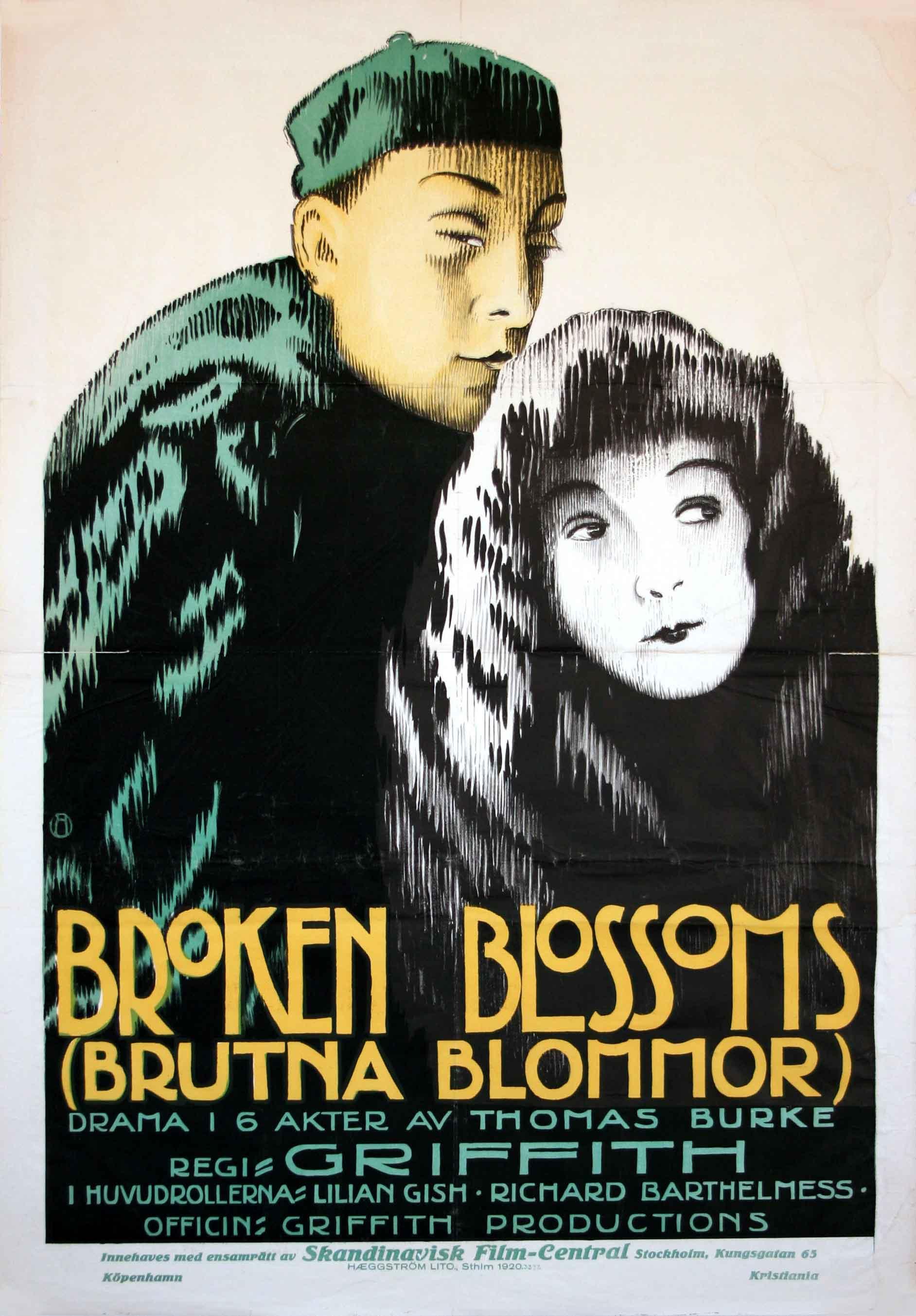
A definitive 7.2/10 rating for a film that redefined the boundaries of cult cinema. Broken Blossoms remains a cornerstone of transgressive art.
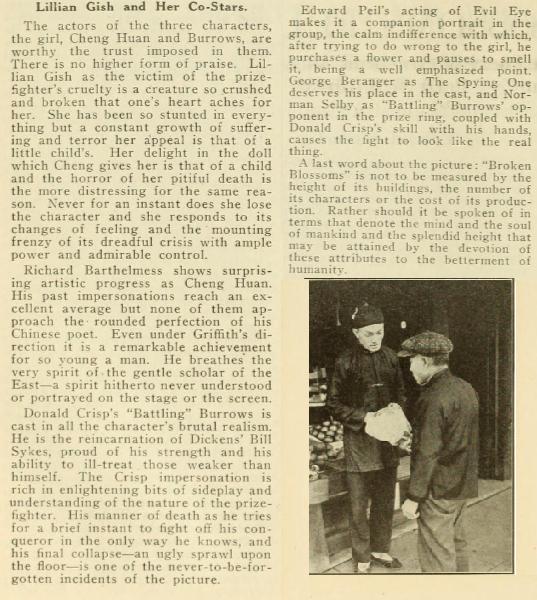
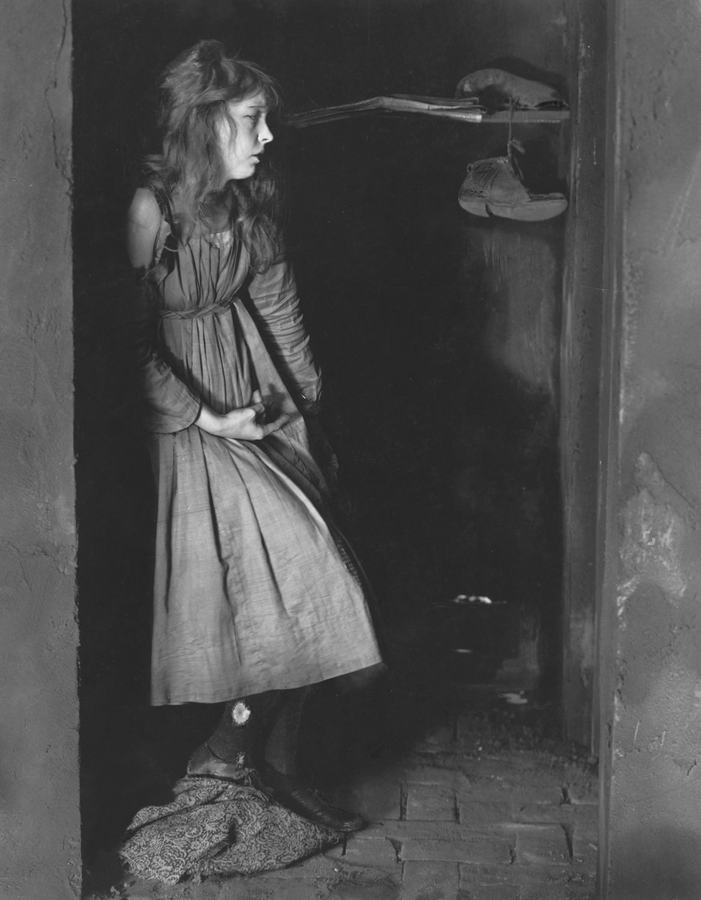
When D.W. Griffith turns his camera toward the fog‑shrouded streets of early twentieth‑century London, he does more than capture a setting; he summons an atmosphere thick with oppression, yearning, and the unspoken tremors of cultural dislocation. Broken Blossoms unfolds like a chiaroscuro painting, each frame a brushstroke of light and shadow that delineates the stark contrast between the bruised innocence of Lucy (Bessie Wong) and the stoic melancholy of Cheng Huan (Richard Barthelmess). The narrative, distilled to its essence, is a study in the cruelty of patriarchal dominance and the fragile interstices where compassion can, however briefly, take root.
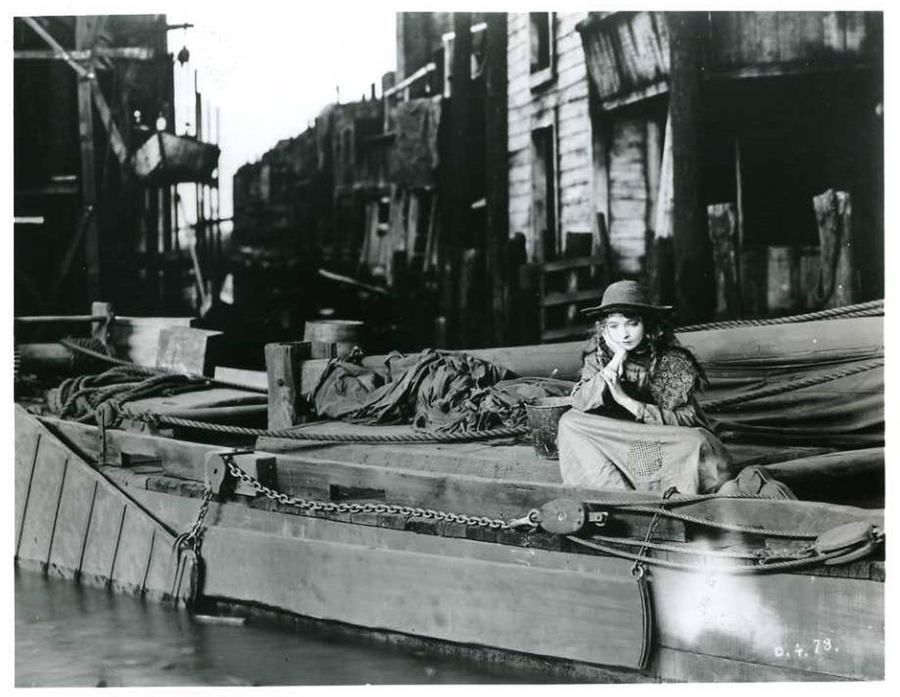
Griffith’s storytelling is deliberately paced, allowing the audience to linger on the squalor of Limehouse’s back‑streets—cracked cobblestones, soot‑caked shutters, and the perpetual din of dockworkers—before introducing the central dyad. Lucy, a waif whose very posture suggests perpetual surrender, is rendered with a haunting vulnerability that transcends the limitations of silent cinema. Her father, a brutish boxer whose name is never spoken, embodies the raw, unrefined violence of a world that values muscle over mind. In stark juxtaposition, Cheng Huan arrives as an embodiment of Eastern philosophy, his demeanor measured, his eyes reflecting an inner tempest of grief.
The film’s inciting incident—Lucy’s accidental fall into the river and Cheng’s rescue—acts as a visual metaphor for baptism, a cleansing that briefly washes away the filth of her environment. Their ensuing friendship is conveyed through lingering glances, delicate hand gestures, and an almost tactile intimacy that defies the era’s cinematic conventions. The subtlety of their connection is underscored by Griffith’s use of soft focus during their shared moments, a technique that imbues the scenes with an ethereal quality reminiscent of The Lie's dreamlike interludes.
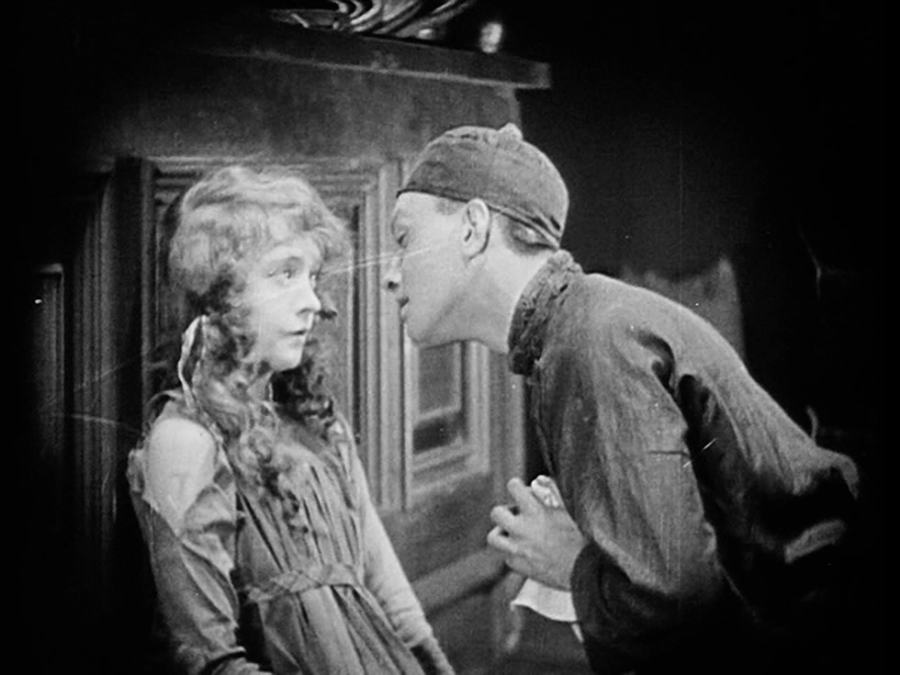
Cinematographer G.W. Bitzer employs a palette that, while monochrome, is rich in tonal contrast. The interplay of light and darkness is not merely aesthetic; it is narrative. In the dimly lit interiors where Lucy’s father menaces her, shadows creep like predatory beasts, whereas the scenes set in Cheng’s modest abode are bathed in a gentle, almost reverential glow. This chiaroscuro mirrors the internal dichotomy of the characters: Lucy’s oscillation between terror and hope, Cheng’s balance between sorrow and compassion.
The film’s most iconic tableau—Lucy’s silent scream as Cheng is assaulted—utilizes a rapid montage of close‑ups, each cut a heartbeat that accelerates the viewer’s pulse. The camera lingers on Lucy’s trembling hands, the sweat on Cheng’s brow, and the glint of a weapon, forging a visceral tableau that transcends dialogue. This technique anticipates later works such as A Night in New Arabia, where montage becomes a conduit for emotional crescendo.
At its core, Broken Blossoms interrogates the notion of otherness. Cheng’s Chinese heritage is not exoticized for spectacle; instead, his alienation is palpable, his gestures restrained by a cultural code that forbids overt displays of affection. The film subtly critiques the xenophobia of early twentieth‑century Britain, positioning Cheng as a moral compass in a society that otherwise revels in brutality.
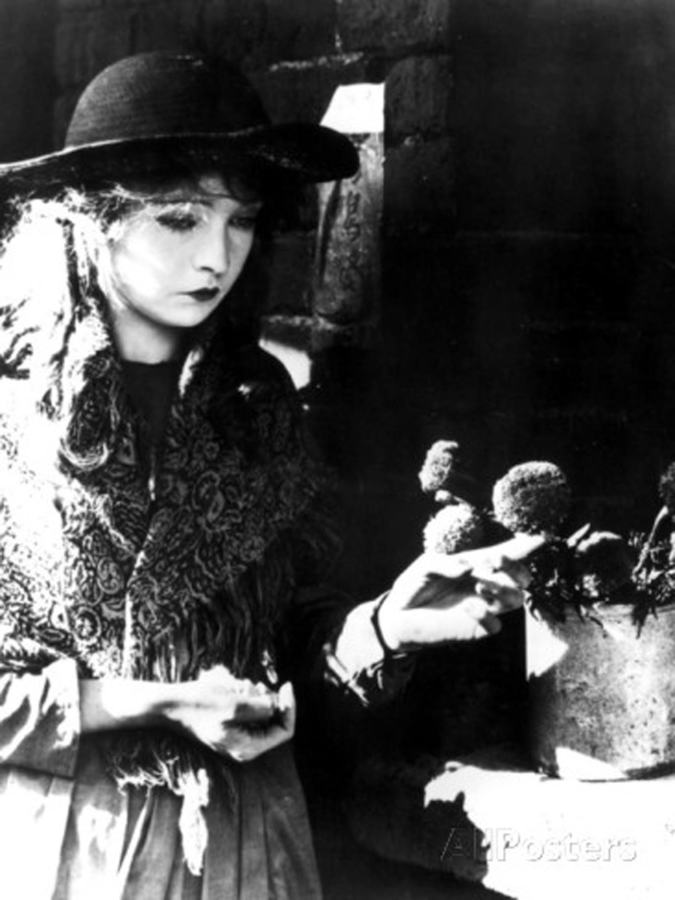
The juxtaposition of Eastern restraint against Western aggression is further accentuated through costume design. Cheng’s simple, muted garments contrast sharply with the garish, flamboyant attire of Lucy’s father and his boxing cohort, a visual cue that underscores the moral chasm between the two worlds. This thematic exploration resonates with later silent epics such as Tosca, where cultural clashes drive narrative tension.
Richard Barthelmess delivers a performance that is at once restrained and incandescent. His eyes convey a depth of sorrow that words could never articulate, a testament to the actor’s mastery of silent expression. Bessie Wong, though limited by the era’s stereotypical casting, infuses Lucy with a haunting fragility that elicits both empathy and dread. Their chemistry, achieved without spoken dialogue, is a triumph of physical storytelling.
Supporting actors, particularly Donald Crisp as the menacing father, provide a visceral counterpoint. Crisp’s portrayal is a study in kinetic menace—every clenched fist, every snarling glance amplifies the oppressive atmosphere. The ensemble’s collective performance creates a tapestry of human experience that is both specific to its historical context and universally resonant.
The film’s crescendo arrives when Lucy’s father discovers the burgeoning bond between his daughter and Cheng. The ensuing confrontation is a masterclass in silent tension: the camera tracks the father’s looming silhouette, the rustle of his coat, the glint of a knife—each element a prelude to inevitable bloodshed. Cheng’s attempt to shield Lucy culminates in a brutal assault that leaves both protagonists physically and emotionally maimed.
Griffith eschews melodramatic excess; the tragedy unfolds with a stark, almost clinical precision. Lucy’s final moments are rendered in a lingering close‑up of her face, eyes half‑closed, a single tear tracing a path down her cheek—a visual echo of the film’s title, where the blossom, once vibrant, lies broken upon the cold pavement.
Over a century later, Broken Blossoms remains a touchstone for scholars exploring early cinematic representations of race, gender, and class. Its daring portrayal of an interracial friendship predates the more overt social commentaries of the 1930s and 1940s, positioning Griffith as a paradoxical figure—both a pioneer of narrative cinema and a product of his time’s prejudices.
Modern critics often juxtapose the film with later works that grapple with similar themes, such as Serdtse dyavola, where the intersection of love and violence is similarly explored through a silent lens. The film’s influence can also be traced to contemporary auteurs who employ stark visual contrasts to underscore emotional turbulence, a lineage that can be seen in the works of directors like Wong Kar‑wai and Alejandro González Iñárritu.
Griffith’s use of cross‑cutting, particularly during the climactic assault, predates the more sophisticated editing techniques popularized in the late 1920s. The rapid intercutting of Lucy’s terrified visage with Cheng’s desperate struggle creates a kinetic rhythm that heightens the audience’s anxiety. Moreover, the film’s diegetic sound—though absent in the original silent version—has been re‑scored in modern restorations, adding a haunting orchestral backdrop that accentuates the narrative’s emotional gravity.
The set design, meticulously crafted to evoke the claustrophobic alleys of Limehouse, utilizes forced perspective to amplify the sense of entrapment. The use of practical lighting—candles flickering in dim rooms, streetlamps casting elongated shadows—imbues each scene with a tangible realism that modern digital effects often struggle to replicate.
When placed alongside other silent dramas of the era, such as Love's Law or The Pursuit of the Phantom, Broken Blossoms distinguishes itself through its nuanced treatment of cross‑cultural empathy. While many contemporaneous films resorted to caricature, Griffith opts for a more measured, albeit still imperfect, portrayal of the Chinese immigrant experience.
The film’s pacing, slower than the kinetic action of The Double Event, allows for a contemplative immersion into the characters’ internal landscapes. This deliberate tempo invites viewers to linger on the emotional resonance of each tableau, fostering a deeper engagement with the narrative’s moral complexities.
Upon its 1920 release, critics praised the film’s visual poetry but were divided on its handling of race. Some lauded Griffith’s daring empathy, while others criticized the perpetuation of the “exotic other” trope. Contemporary scholarship tends to view the film through a dual lens: as a progressive step toward interracial representation and as a reminder of early Hollywood’s entrenched stereotypes.
Academic essays often cite the film’s climactic tableau as a seminal example of silent-era narrative climax, noting its influence on later directors who sought to convey emotional intensity without reliance on dialogue. The film’s restoration by the Library of Congress in 2015 sparked renewed interest, prompting retrospectives that highlight its relevance to discussions of gendered violence and immigrant marginalization.
Broken Blossoms endures not merely as a relic of silent cinema but as a living artifact that continues to challenge and inspire. Its synthesis of visual storytelling, thematic depth, and daring social commentary renders it a cornerstone for any serious examination of early twentieth‑century film. For scholars, cinephiles, and casual viewers alike, the film offers a haunting reminder that compassion can blossom even in the darkest of soils—only to be shattered by forces that refuse to acknowledge its fragile beauty.
IMDb —
1928
Community
Log in to comment.