DbcultAccessing Vault...
6.7/10
Senior Film Conservator
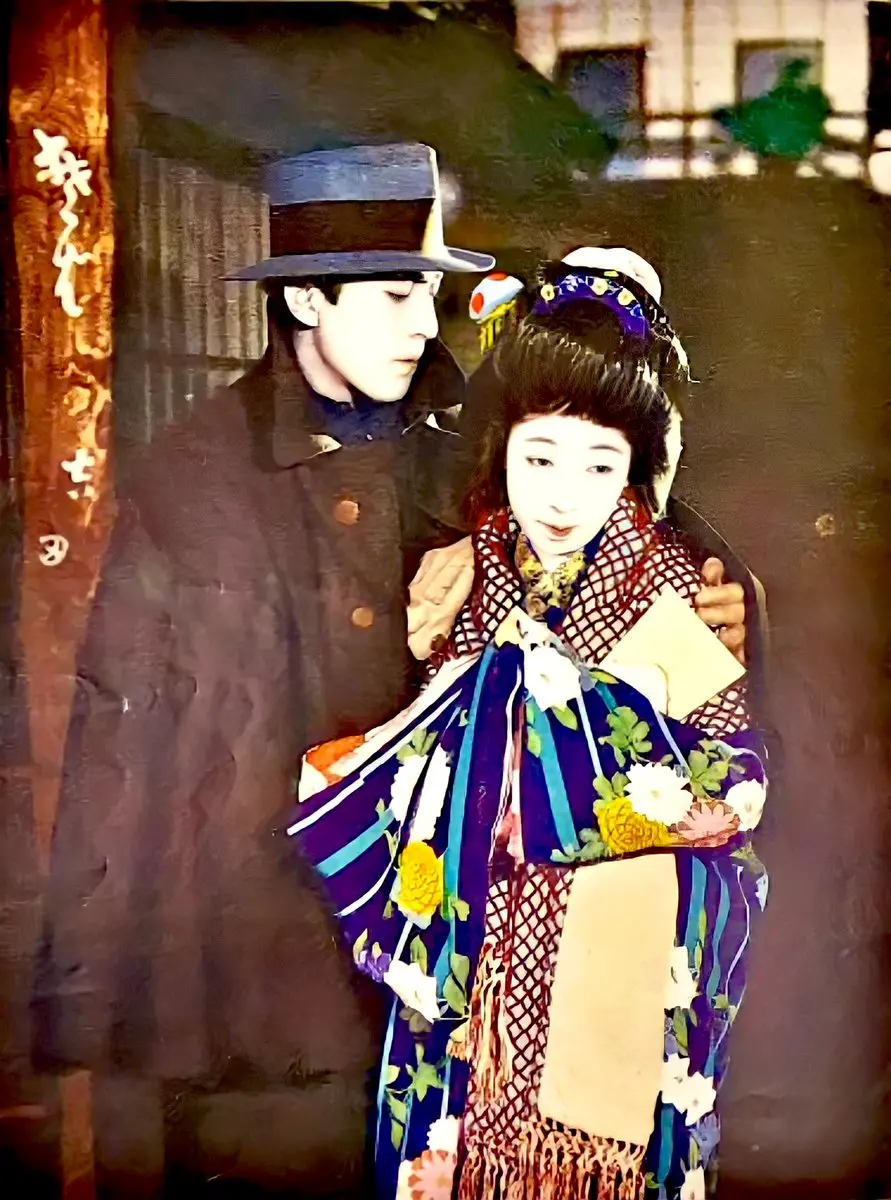
A definitive 6.7/10 rating for a film that redefined the boundaries of cult cinema. Kaminingyô no haru no sasayaki remains a cornerstone of transgressive art.
Can a film from nearly a century ago, with its quiet pace and subtle emotional palette, truly captivate a contemporary audience? Short answer: yes, but with significant caveats. 'Kaminingyô no haru no sasayaki' is a rare, delicate artifact, a whisper from a bygone cinematic era that offers profound insights into early Japanese storytelling and visual artistry.
This film is unequivocally for cinephiles, historians of Japanese cinema, and those with a deep appreciation for introspective, character-driven dramas. It is decidedly NOT for viewers seeking fast-paced narratives, overt dramatic conflict, or modern production values. If your cinematic diet consists solely of blockbusters and rapid-fire dialogue, this film will likely test your patience, but for the right audience, it offers a rich, melancholic reward.
'Kaminingyô no haru no sasayaki' (The Paper Doll's Spring Whisper) is more than just a film; it's a preserved moment, a delicate brushstroke on the vast canvas of cinematic history. Directed by Eizô Tanaka, a figure whose contributions to early Japanese cinema are often overshadowed by later luminaries, this work stands as a testament to the foundational artistry of the period. It’s a film that demands patience, rewarding it with glimpses into a world long gone, yet universal in its emotional undercurrents.
The film's plot, centered on the ephemeral romance between Hana and Kenji, is deceptively simple. Yet, within this simplicity lies a profound exploration of love, sacrifice, and the relentless march of time. Hana, portrayed with a haunting fragility by Matsuko Senoo, is the titular 'paper doll'—a woman whose inner strength is masked by a serene, almost stoic exterior. Her craft, the meticulous folding of paper, becomes a potent metaphor for her own carefully constructed emotional world.
This film works because of its unwavering commitment to atmosphere and character interiority. It operates on a wavelength of suggestion, allowing the audience to infer emotions rather than having them explicitly stated. This subtlety is a hallmark of early Japanese filmmaking and, when successful, creates a deeply resonant experience.
This film fails because its deliberate pacing and lack of overt conflict will alienate many modern viewers. The narrative progression can feel glacial, and the emotional restraint, while artistically valid, might be perceived as a lack of engagement for those accustomed to more demonstrative performances.
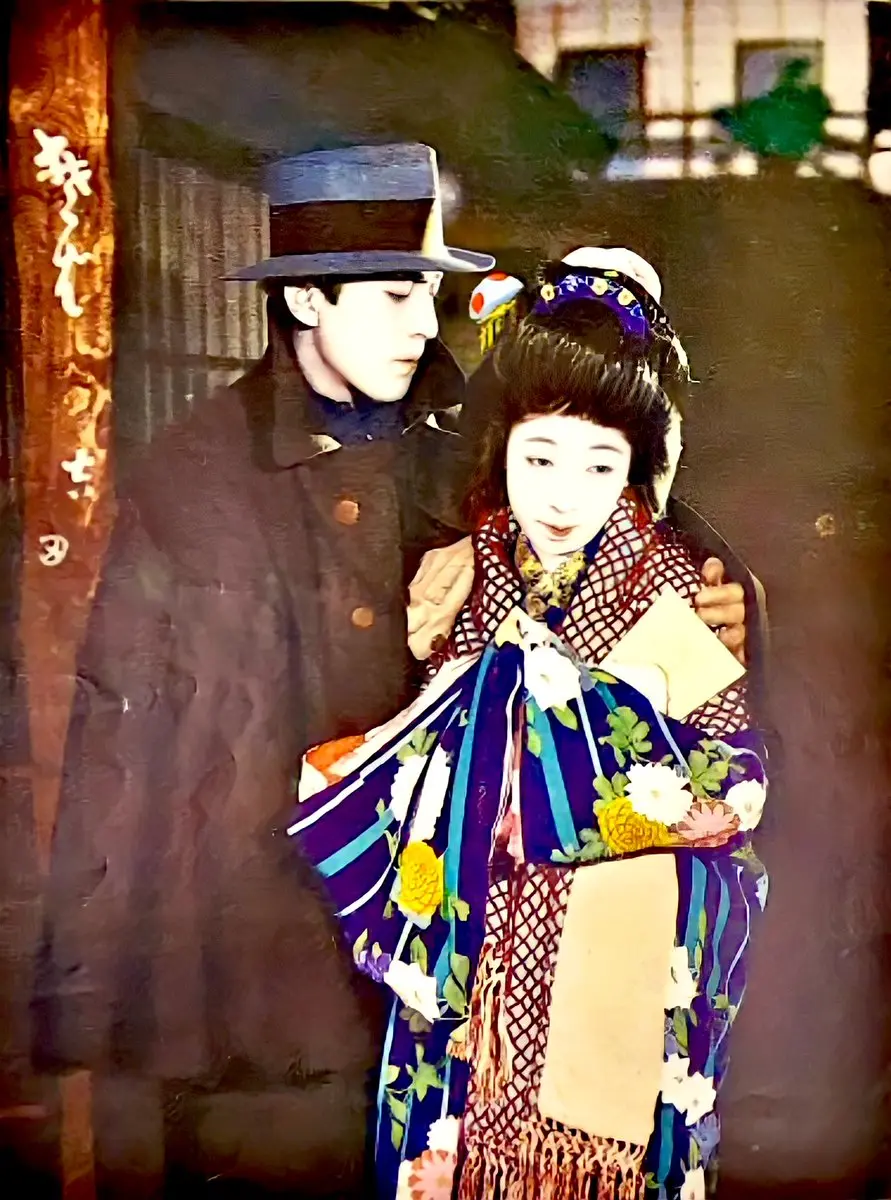
You should watch it if you are fascinated by the origins of narrative film, appreciate visual poetry over dialogue, and are willing to immerse yourself in a melancholic, reflective story that prioritizes mood and unspoken feeling.
The title itself, 'Kaminingyô no haru no sasayaki,' is rich with symbolism. The 'paper doll' evokes fragility, beauty, and perhaps a sense of being manipulated by fate or circumstance. The 'spring whisper' suggests new beginnings, transient beauty, and the quiet, almost imperceptible passage of time. This thematic depth is woven throughout the film, particularly in the visual motifs of blossoming flowers and the delicate paper creations.
Set in the Taishō era (1912-1926), the film subtly captures a period of significant cultural transition in Japan. It was a time when traditional values coexisted, often uneasily, with burgeoning Western influences. While the film doesn't overtly engage in social commentary, the backdrop of a changing urban landscape and the artistic aspirations of Kenji speak to a society grappling with its identity. Hana's traditional craft, contrasted with Kenji's pursuit of Western-style painting, is a quiet commentary on these shifts.
The film's most surprising observation is how its profound emotional impact relies almost entirely on visual storytelling and the nuanced expressions of its lead actors, rather than on dialogue, which is sparse. It’s a masterclass in silent film acting, even if the film itself isn't strictly silent.
The strength of 'Kaminingyô no haru no sasayaki' lies significantly in its cast. Matsuko Senoo as Hana delivers a performance of remarkable subtlety. Her eyes, often downcast or gazing into the middle distance, convey a world of unspoken emotion – resignation, hope, quiet sorrow. It's a performance that doesn't demand attention but earns it through its sheer authenticity. One particular scene, where she silently folds a paper crane after Kenji's departure, her fingers trembling almost imperceptibly, speaks volumes more than any monologue could.
Kōji Shima, as the ambitious artist Kenji, provides a compelling contrast. His passion is palpable, yet he manages to imbue Kenji with a sense of internal conflict – the pull between his love for Hana and his artistic dreams. His portrayal avoids the typical melodrama of the era, instead opting for a more grounded, relatable struggle. The farewell scene, where his face is etched with both longing and determination, is particularly memorable.
The supporting cast, including Tokihiko Okada and Yôko Umemura, contribute to the film's rich tapestry, each adding a layer of authenticity to the world of the film. Their interactions, though brief, feel lived-in and contribute to the overall melancholic tone.
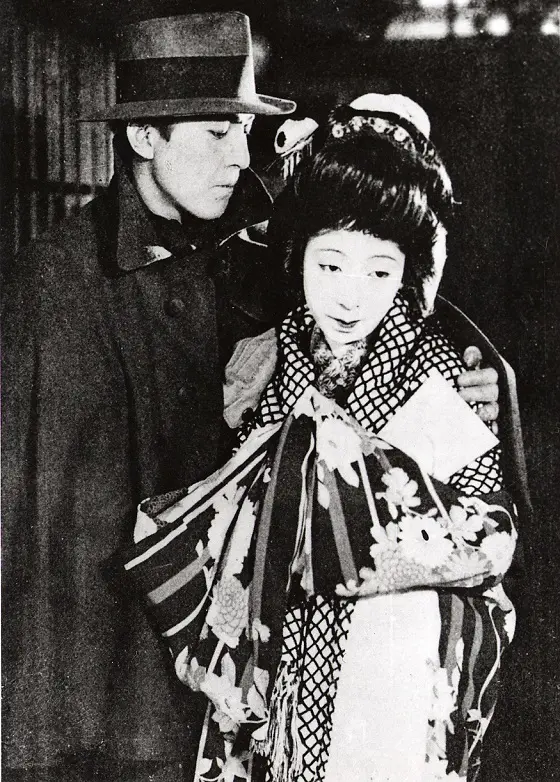
Eizô Tanaka's direction, while not groundbreaking by today's standards, is commendably focused on mood and visual storytelling. The cinematography, though limited by the technology of the time, often achieves moments of stark beauty. Shots of traditional Japanese architecture, serene gardens, and the meticulous close-ups of Hana's hands at work are particularly striking.
The pacing is deliberate, almost meditative. This slow burn allows the audience to soak in the atmosphere and the subtle shifts in character emotion. However, this is also where the film presents its biggest hurdle for modern viewers. The narrative unfurls with a languid grace that can feel frustratingly slow to those accustomed to more dynamic editing. There are long stretches where little 'happens' in the conventional sense, but much is conveyed through lingering shots and implied glances.
The tone is consistently melancholic and reflective. It's a film steeped in a sense of quiet longing and the bittersweet nature of life. This consistent tone is a strength, creating a cohesive emotional experience, but it also means the film rarely deviates into moments of overt joy or dramatic catharsis. It works. But it’s flawed.
While 'Kaminingyô no haru no sasayaki' might not be as widely recognized as some of its contemporaries or later Japanese classics, its influence, however subtle, can be felt in the understated emotional dramas that would define much of Japanese cinema. One could argue that its focus on the inner lives of characters and its visual restraint laid groundwork for the likes of Yasujirō Ozu, even if their styles diverged significantly. It's a foundational text for understanding the evolution of the form.
Comparing it to other films of its era, like Tennessee's Pardner or Lily of the Dust, which often leaned into more overt melodrama, 'Kaminingyô no haru no sasayaki' distinguishes itself through its poetic restraint. It's less about grand gestures and more about the quiet ache of the human heart. This makes it a more challenging watch for some, but also a more rewarding one for those attuned to its particular frequency.
'Kaminingyô no haru no sasayaki' is not a film for everyone, and it certainly isn't a casual watch. It’s an exercise in patience and appreciation, a window into a cinematic past that prioritised mood, subtle gesture, and unspoken emotion over overt declarations. For those willing to meet it on its own terms, it offers a profoundly moving experience, a quiet lament on love and loss that transcends its age. It’s a film that lingers, a delicate whisper that, once heard, is not easily forgotten. While its flaws in pacing and accessibility are undeniable, its historical significance and artistic merit solidify its place as an essential, if challenging, piece of early Japanese cinema. It’s a film I believe every serious cinephile should endeavor to experience, even if only once, to understand the roots of a rich cinematic tradition.

IMDb 5.7
1921
Community
Log in to comment.