DbcultAccessing Vault...
Cult Review
Senior Film Conservator
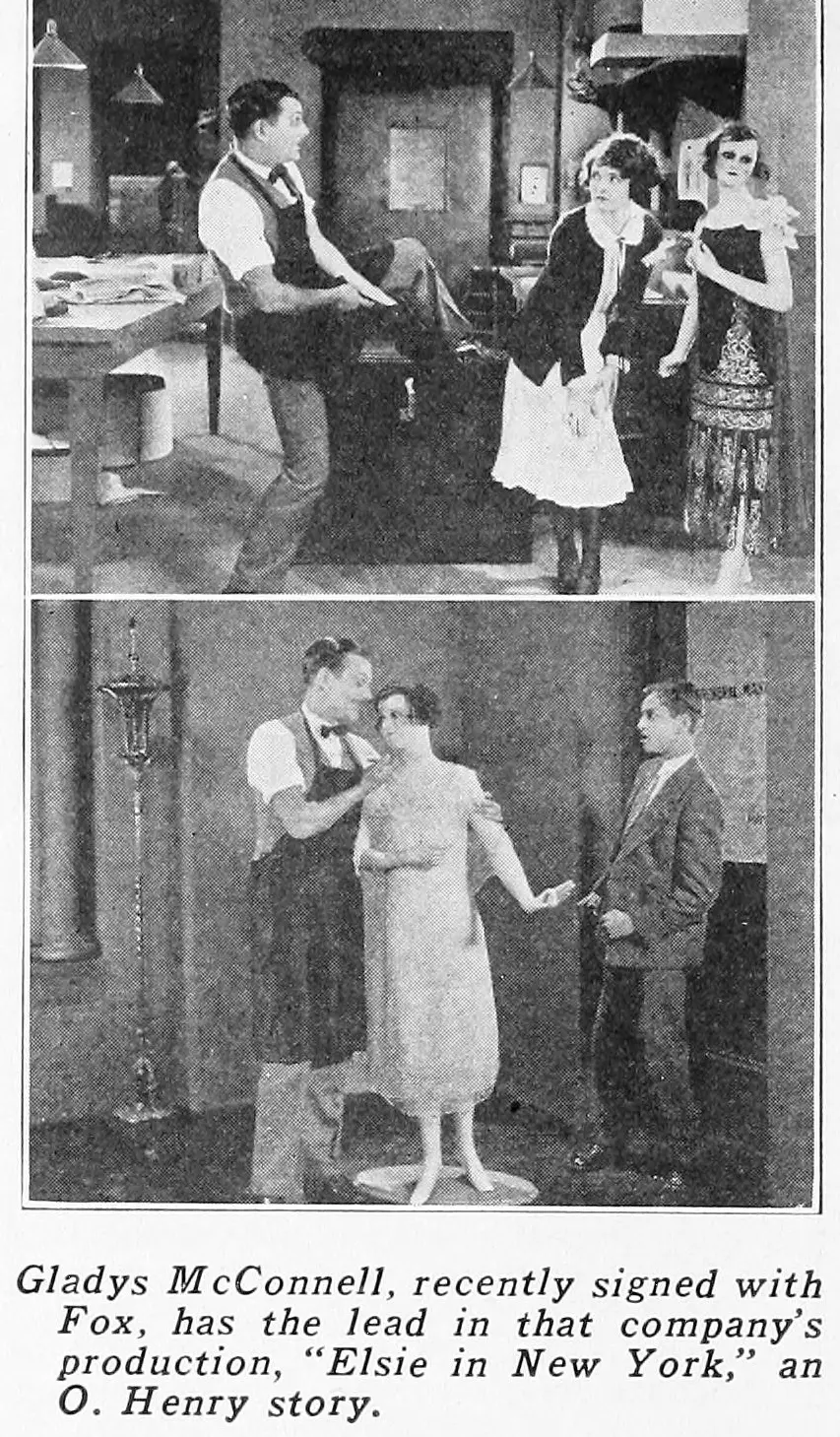
Short answer: Yes, but only if you have an appetite for the specific brand of narrative irony that defined the early 20th century. While it lacks the high-octane spectacle of modern cinema, its charm lies in its social observation and a surprisingly punchy ending.
This film is for enthusiasts of silent-era storytelling and those who appreciate workplace dynamics through a historical lens. It is NOT for viewers who demand fast pacing or those who find the 'damsel in distress' tropes of the 1920s too grating to overlook.
1) This film works because it perfectly captures the anxiety of the 'new girl' in the city, using the wholesale firm as a microcosm for the larger, unforgiving world of Manhattan commerce.
2) This film fails because the middle section involving Guido the florist leans too heavily on repetitive slapstick, which distracts from the more interesting tension between Tom and Max.
3) You should watch it if you want to see a masterclass in how silent film actors used physical presence to convey complex corporate hierarchies without a single word of spoken dialogue.
Yes. For a film nearly a century old, Elsie in New York remains remarkably relatable in its depiction of office politics. We have all met a 'Max'—the mid-level manager who confuses authority with ownership. We have all seen the 'Laurette,' whose professional security is threatened by a newcomer.
The film offers a window into a world where a 'letter of introduction' was your resume. It’s a quaint but effective reminder of how much, and how little, the professional world has changed. The resolution is satisfying, even if the path to get there is occasionally clunky.
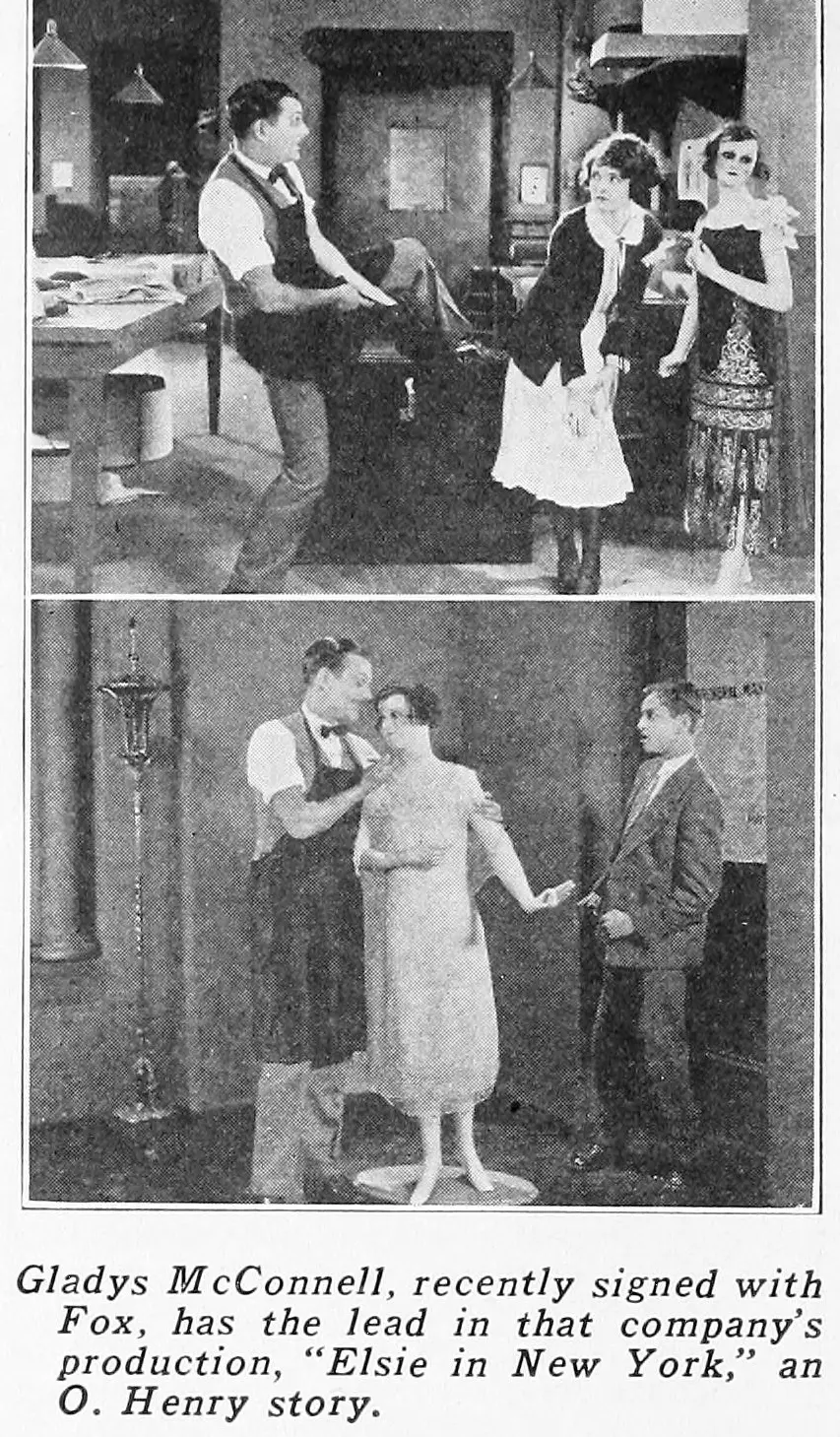
Adapting O. Henry is a double-edged sword. His stories are built on the 'sting' in the tail—the final twist that recontextualizes everything. In Elsie in New York, the writers manage to maintain this spirit by keeping Tom’s true identity hidden until the final reel.
Compared to other films of the era like The Master Key, which relies on more overt mystery, Elsie uses social class as its primary puzzle. The 'twist' isn't just a plot point; it’s a commentary on the invisibility of the working class. Tom is ignored because he is a shipping clerk, yet he holds all the power.
The pacing, however, suffers from the era's tendency to over-explain the comedic detours. The scenes with Guido the florist, while intended to show Elsie's resourcefulness, feel like they belong in a different movie. They lack the grounded stakes of the scenes set within the wholesale firm.
Gladys McConnell plays Elsie with a mix of wide-eyed wonder and a steel spine. It would have been easy to play her as a passive victim, but McConnell gives her moments of agency. When she rejects Tom initially, it’s not out of spite, but a misplaced sense of duty and a desire to navigate her own path.
William Bakewell as Tom is the standout. He possesses a naturalistic screen presence that feels more modern than many of his contemporaries. His performance here is a fascinating contrast to the more melodramatic styles seen in films like Bonds of Love.
The rivalry between Max (Hallam Cooley) and Tom is the film's engine. Cooley plays the villain with a oily, over-confident swagger that makes his eventual 'trouncing' all the more cathartic. The physical confrontation at the end is choreographed with a raw energy that was likely quite shocking for 1926 audiences.
The cinematography in the shipping department is the highlight. The director uses the depth of the warehouse floor to create a sense of scale, making Elsie look small and vulnerable amidst the crates and moving parts. This visual metaphor for the industrial machine is incredibly effective.
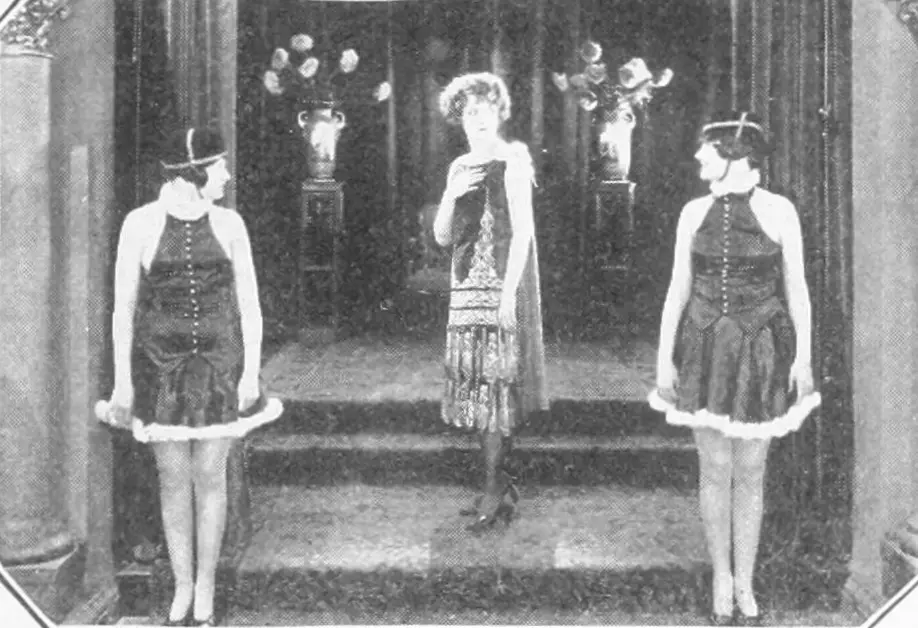
The film excels in its use of interiors. The wholesale firm is not just a backdrop; it’s a character. The contrast between the glamorous showroom where Laurette struts and the dusty, chaotic shipping floor where Tom works illustrates the class divide within the company.
Unlike the more experimental camera work found in The Virgin of Stamboul, Elsie in New York opts for a more static, observational style. This works in its favor, allowing the viewer to focus on the subtle micro-expressions of the cast. The lighting in the final dinner scene is particularly noteworthy, using shadows to heighten the tension before Guido’s wife arrives.
However, the film occasionally falls into the trap of over-relying on title cards. Some of the dialogue could have been conveyed through action. But for the most part, the visual language is clear. You don't need a card to tell you that Max is a creep; his body language says it all.
Elsie in New York is an accidental documentary on the plight of the working woman. Elsie isn't just looking for love; she's looking for a livelihood. Her conflict with Laurette is a brutal depiction of how women were often forced to compete for the limited 'respectable' positions available in the city.
We see similar themes of female struggle in The Pitfall, but Elsie offers a more optimistic outcome. It suggests that the city is a place where you can reinvent yourself, even if you have to fake a fiancé to do it. It’s a cynical take on the American Dream, but one that rings true.
The Guido subplot, while comedic, also touches on the immigrant experience in New York. Guido is portrayed as a caricature, which is a common and unfortunate trope of the era, but his inclusion highlights the melting pot nature of the setting. It’s a messy, loud, and complicated city.
Elsie in New York is a fascinating relic. It works. But it’s flawed. The film succeeds as a character study and a piece of social history, even when it stumbles over its own comedic ambitions. It lacks the polish of later 1920s masterpieces, but it has a heart that is hard to ignore.
The ending remains one of the most satisfying 'punch-ups' in silent cinema. Seeing the arrogant Max get his comeuppance is a universal pleasure that requires no translation. While it may not be as grand as Enemies of Women, it is a much more human story.
"A charming, if slightly uneven, journey through the gears of 1920s Manhattan. It’s a story about the power of being underestimated."
Ultimately, Elsie in New York earns its place in the silent film canon not through spectacle, but through its relatable core. It’s a story about a girl, a job, and the surprising ways the world can right itself. If you can get past the dated tropes, there is a very smart movie hiding underneath.
IMDb —
1917
Community
Log in to comment.