DbcultAccessing Vault...
Cult Review
Senior Film Conservator
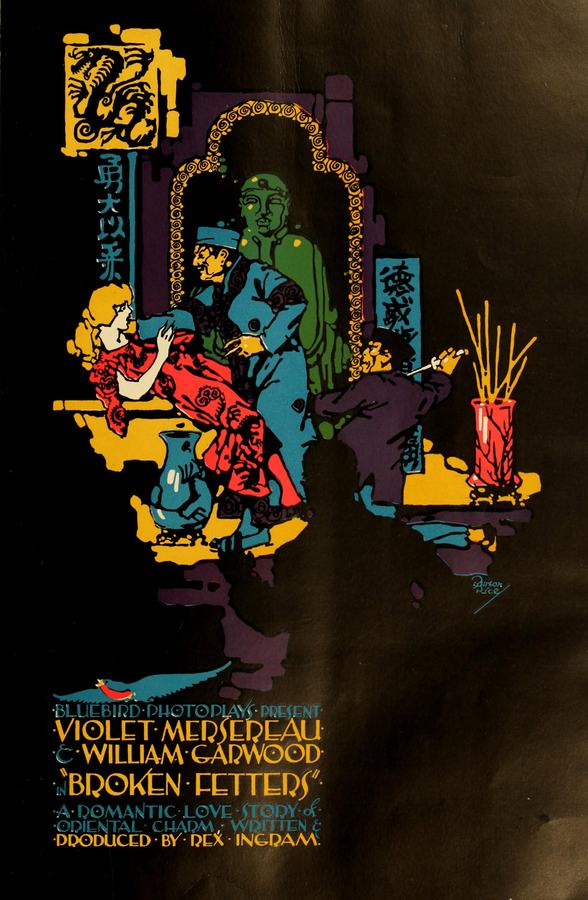
In the annals of early cinema, certain films resonate with an intensity that transcends their vintage, offering profound insights into the human condition. Rex Ingram's "Broken Fetters" (1916) stands as one such compelling artifact, a silent drama that, despite its age, speaks volumes about resilience, exploitation, and the enduring quest for freedom. It’s a narrative steeped in melodrama, yet underpinned by a raw emotional core that continues to captivate, drawing viewers into a world where innocence is shattered and liberation becomes an arduous, almost insurmountable aspiration. This isn't merely a tale of good versus evil; it's a nuanced exploration of cultural displacement, the insidious nature of human trafficking, and the unexpected allies forged in the crucible of adversity. Ingram, a director known for his visual flair and ability to elicit powerful performances, crafts a story that, while rooted in the sensibilities of its era, touches upon universal anxieties and hopes. The film presents a tapestry woven with threads of betrayal, yearning, and the unwavering spark of human dignity, demanding attention not just as a historical curiosity, but as a potent piece of storytelling.
At the heart of "Broken Fetters" is Mignon, portrayed with affecting grace by Violet Mersereau. Her journey begins in China, a land that, for her, is both home and a place of profound tragedy. The brutal murder of her American diplomat father casts a long shadow over her nascent years, leaving her an orphan in a foreign land. Providentially, she is taken under the wing of a wealthy and benevolent Chinese family friend, providing her with a life of comfort, albeit one tinged with an unspoken longing for her ancestral roots. This early upbringing imbues Mignon with a unique bicultural identity, a blend of Eastern grace and an inherent American spirit. Her desire to return to the United States isn't merely a whimsical fancy; it's a deep-seated yearning for a connection to a heritage she barely knows, a quest for a sense of belonging that transcends the material comforts of her current existence. This aspiration, however noble, becomes the very vulnerability that a malevolent force exploits. Mersereau’s portrayal here is crucial, conveying a delicate balance of youthful naiveté and an underlying strength that hints at the trials she is yet to face. Her expressions, even in the silent idiom, communicate a profound sense of yearning and a quiet dignity that prepares the audience for the harrowing turns her life is about to take. The film masterfully sets up this initial contrast: a young woman of privilege, dreaming of a brighter future, unaware of the lurking shadows.
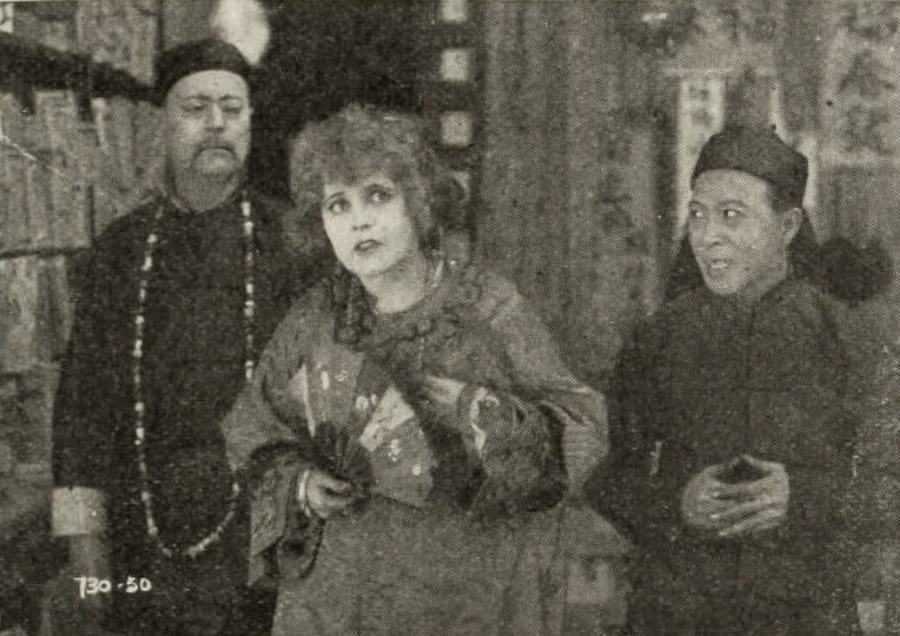
Mignon's innocent desire for repatriation is tragically hijacked by Foo Shai, a character personifying pure, unadulterated malevolence, brought to chilling life by Paul Panzer. Foo Shai is no mere opportunist; he is a calculating, ruthless slave trader, a purveyor of human misery who preys on the vulnerable. His promise to facilitate Mignon's passage to America is nothing more than an elaborate deception, a cruel ruse designed to ensnare her in his illicit enterprise. The moment they arrive in New York, the façade crumbles, and Mignon finds herself not in the land of opportunity she envisioned, but in a suffocating cage of captivity and abuse. Panzer’s performance as Foo Shai is a masterclass in silent film villainy, his every gesture and expression radiating menace and control. He embodies the antithesis of freedom, an embodiment of the darkest aspects of humanity. The film doesn't shy away from depicting the brutal reality of Mignon's situation, even if implicit, allowing the audience to feel the suffocating weight of her powerlessness. This transition from hopeful immigrant to captive victim is stark and brutal, forming the central conflict of the narrative. It’s a poignant commentary on the dangers lurking beneath the surface of grand promises, particularly for those who are marginalized or culturally adrift. Foo Shai’s cruelty isn't just physical; it's psychological, aimed at breaking Mignon's spirit, severing her ties to her past, and extinguishing her hope for a future.
Amidst the bleakness of Mignon's captivity, two distinct figures emerge as potential saviors, each representing a different facet of hope and human connection. Lawrence, a local artist portrayed by William Garwood, is drawn to Mignon's ethereal beauty and evident suffering. His burgeoning affection for her is genuine, a testament to the human capacity for empathy even in the face of profound injustice. However, Lawrence, for all his good intentions and burgeoning love, finds himself largely powerless against Foo Shai's entrenched network of control. He represents the well-meaning outsider, whose moral compass points true but whose practical ability to effect change is limited by societal constraints and the sheer ruthlessness of the antagonist. His efforts, while heartfelt, highlight the formidable obstacles Mignon faces. In stark contrast stands Chang, Mignon's steadfast friend from her days in China, brought to life by Charles Tang. Chang is not merely an observer; he is an active, determined force for liberation. His loyalty transcends geographical boundaries and personal risk, embodying a profound sense of duty and affection. Chang’s character introduces a dynamic element of proactive resistance, an unwavering commitment to Mignon's freedom that forms the narrative's propulsive force. While Lawrence struggles with the limitations of his position, Chang actively schemes, confronts, and strategizes, becoming the true catalyst for Mignon's potential rescue. This dichotomy between passive empathy and active intervention provides a compelling exploration of different forms of heroism, underscoring that true liberation often requires more than just good intentions – it demands audacious action and resolute courage.
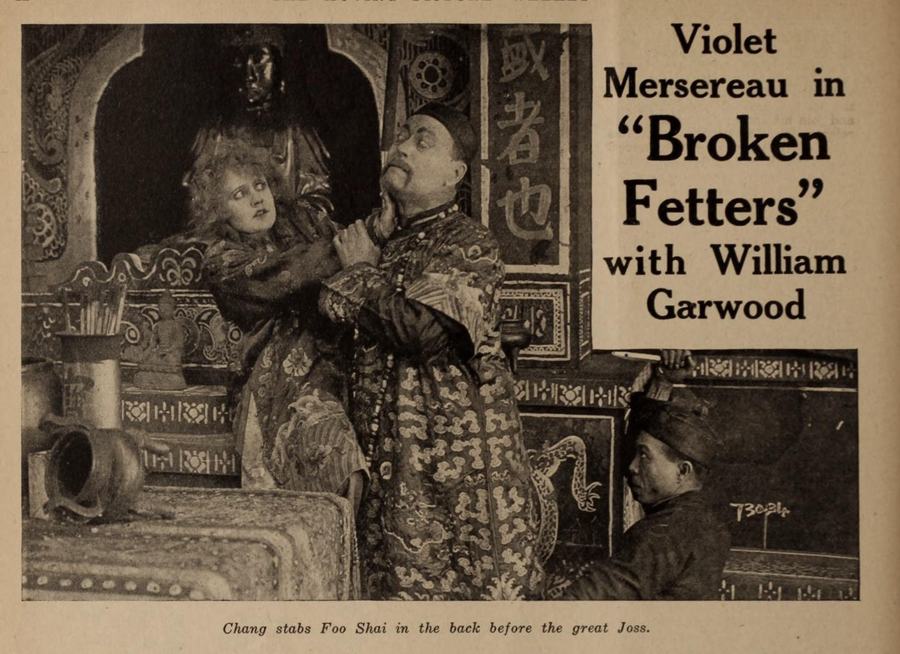
Rex Ingram, as the writer and director, demonstrates a remarkable command of visual storytelling, a crucial skill in the silent film era. His direction in "Broken Fetters" is characterized by a sophisticated use of framing, composition, and pacing to convey complex emotions and narrative tension without the aid of spoken dialogue. Ingram understands that silence, far from being an absence, can be a powerful amplifier of feeling. He meticulously crafts scenes that highlight Mignon's isolation and despair, often using stark contrasts between light and shadow to underscore her plight. The settings, from the perceived exoticism of China to the cold, unforgiving urban landscape of New York, are not just backdrops; they are integral to the narrative, reflecting Mignon's emotional state and the shifting fortunes of her journey. The visual language of the film is rich with symbolism, from the metaphorical chains that bind Mignon to the eventual, literal breaking of her fetters. Ingram's ability to draw nuanced performances from his cast, particularly Violet Mersereau, is evident in the way their expressions and body language communicate entire arcs of emotion. He orchestrates dramatic confrontations and tender moments with equal skill, ensuring that the audience remains deeply invested in Mignon's fate. The pacing builds steadily, from the initial tragedy to the insidious entrapment, culminating in the desperate struggle for freedom, maintaining a gripping sense of urgency throughout. Ingram’s vision ensures that even without sound, the film resonates with a powerful, almost visceral, emotional impact, demonstrating his prowess as a cinematic architect.
Beyond its dramatic narrative, "Broken Fetters" functions as a fascinating lens through which to view the social and cultural anxieties of its time. Released in 1916, the film touches upon themes that were undoubtedly resonant with contemporary audiences, particularly concerning immigration, the perceived dangers of the 'other,' and the vulnerability of women. The depiction of Foo Shai, while arguably leaning into certain problematic stereotypes of the era, also highlights a very real fear of exploitation and human trafficking, issues that unfortunately remain relevant. The contrast between Mignon's initial idyllic existence in China and her brutal reality in America serves as a commentary on the often-misguided perceptions of a promised land, revealing that depravity can lurk in any corner of the globe, regardless of cultural sophistication. The film subtly critiques societal structures that allow such exploitation to flourish, and the limitations placed upon individuals, particularly women, in seeking justice or freedom. It reflects a period when the burgeoning global connections also brought forth fears of cultural clashes and the darker side of international exchange. While some elements might be viewed differently through a modern lens, the film's core message about the universal right to freedom and dignity transcends its historical context. It invites viewers to consider the ethical responsibilities of a society towards its most vulnerable members and the moral courage required to challenge entrenched injustices. The narrative, therefore, is not just a personal story of Mignon, but a broader commentary on the societal 'fetters' that restrict liberty and human potential.
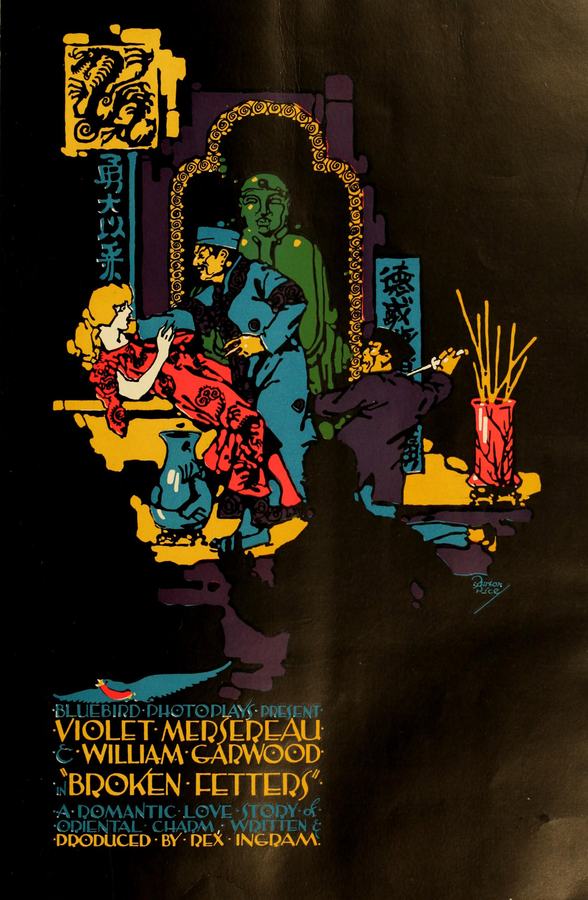
When considering "Broken Fetters" within the broader landscape of early cinema, its thematic explorations of female agency, captivity, and the struggle against oppressive forces find echoes in several contemporaneous works. The film's portrayal of Mignon's journey from victimhood to a determined fight for self-liberation, albeit with external aid, resonates with the spirit often seen in films like The Woman Who Dared. Both films feature female protagonists who, confronted with dire circumstances and societal injustices, find the inner fortitude to challenge their fates, even if the paths to their defiance differ significantly. While Mignon's struggle is more overtly physical and externally imposed, the underlying theme of a woman pushing against the boundaries of her assigned role or dire situation is strikingly similar. Furthermore, the film's nuanced depiction of Mignon's internal suffering and the covert efforts to free her – particularly Chang's clandestine operations – brings to mind the psychological tension inherent in narratives such as The Silent Battle. That film, too, explores the often-unseen struggles and the quiet, persistent fights waged against formidable, sometimes shadowy, adversaries. The 'silent battle' Mignon endures is both literal and metaphorical: her inability to voice her plight openly, coupled with the psychological warfare waged by Foo Shai, makes her struggle profoundly internal until Chang galvanizes external action. These comparisons are not to suggest direct influences, but rather to highlight how "Broken Fetters" participates in a broader cinematic conversation about human resilience, the fight for justice, and the varied forms that courage can take in the face of overwhelming odds. It positions Ingram's work not as an isolated curiosity, but as a significant contribution to the evolving lexicon of dramatic storytelling in the early 20th century, exploring universal themes through the specific lens of its period and genre. The common thread is the human spirit's indomitable will to break free, whether from societal expectations or physical chains, forging a path toward autonomy against all odds.
"Broken Fetters" ultimately stands as a testament to the power of early cinema to tackle complex, emotionally charged subjects with remarkable depth and sensitivity. Rex Ingram, alongside his dedicated cast including Charles Tang, Charles Fang, Charles H. France, William Garwood, Frank Smith, Paddy Sullivan, Thomas Hart Benton, Kittens Reichert, William Dyer, Paul Panzer, Earl Simmons, Guy Morville, Violet Mersereau, and Isabel Patterson, crafted a film that is more than a historical relic; it is a vibrant narrative about the enduring human spirit. It explores the dark underbelly of human exploitation, but also shines a light on the unwavering loyalty of friendship and the persistent spark of hope that even the most oppressive conditions cannot extinguish. The film's title itself is a powerful metaphor, speaking not just to physical chains, but to the breaking of psychological and societal bonds that seek to limit individual freedom and dignity. For modern audiences, "Broken Fetters" offers a compelling glimpse into cinematic history, a reminder of the foundational narratives that shaped the art form, and a timeless message about the necessity of fighting for one's own liberation and aiding those who are trapped. It remains a poignant and impactful viewing experience, proving that some stories, particularly those centered on the human struggle for freedom, possess an eternal resonance that transcends the limitations of their original medium.
IMDb 7.3
1929
Community
Log in to comment.