DbcultAccessing Vault...
Cult Review
Senior Film Conservator
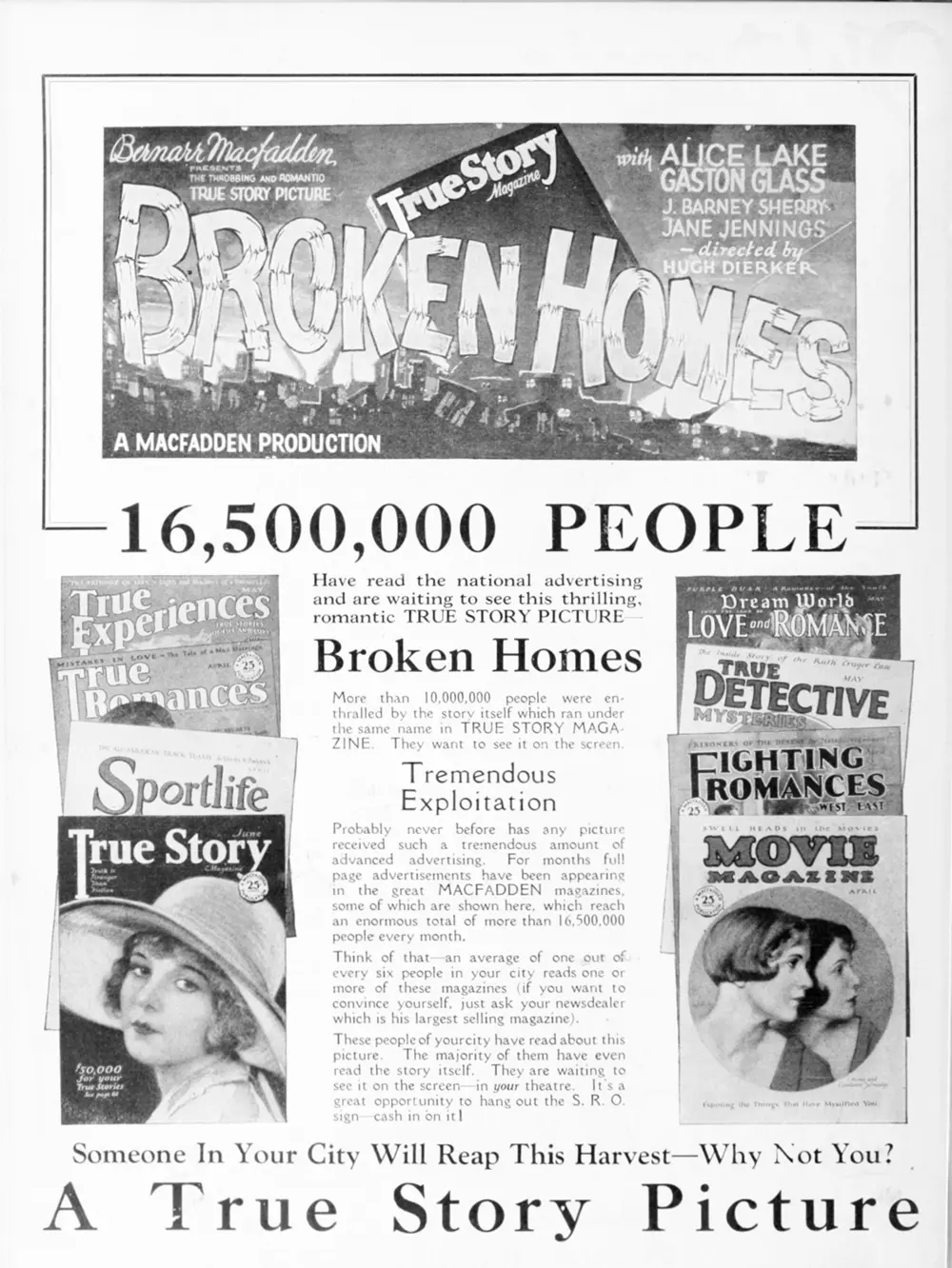
Is 'Broken Homes' a film worth watching today? Yes, but it’s not without its flaws. This 1920s drama, directed by Gaston Glass, offers a nuanced exploration of family, trust, and moral ambiguity, set against the backdrop of the American South. While it works as a period piece, it struggles with pacing and character development. Nevertheless, it’s a compelling watch for those interested in early Hollywood and historical dramas.
‘Broken Homes’ is a film that works because of its strong cast and the biting social commentary of the era. However, it fails because of its uneven pacing and occasional technical issues that can take away from the viewing experience. If you’re a fan of early Hollywood or historical dramas, you should watch it for the performances and the period details, even if you’re prepared to face some flaws.
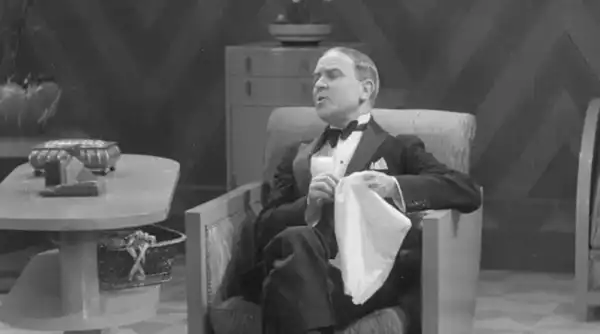
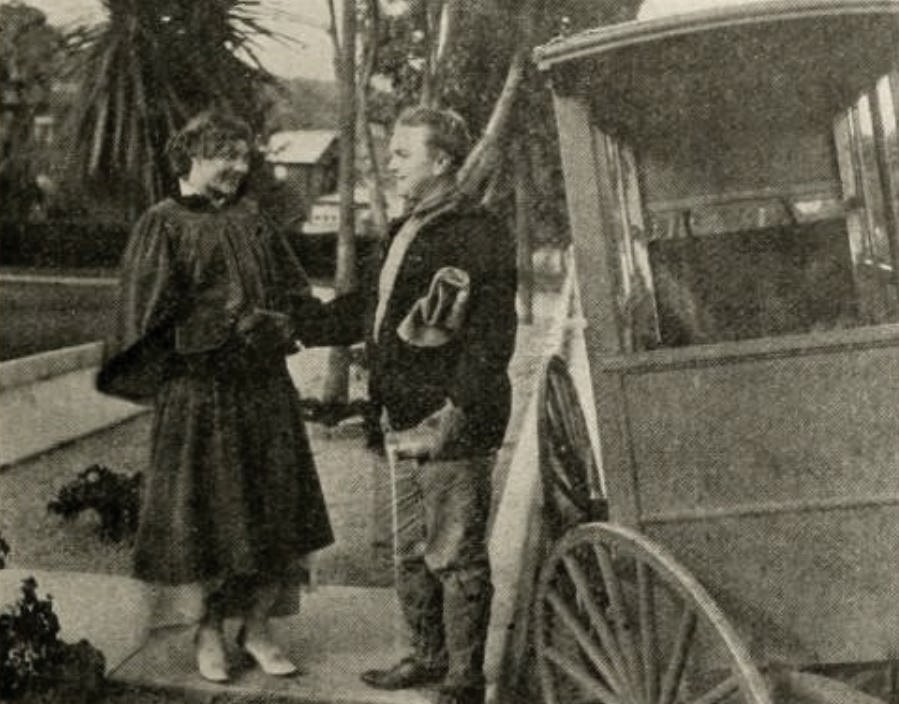
The cast of 'Broken Homes' is top-notch, with standout performances from Ruth Stonehouse and J. Barney Sherry. The chemistry between the characters, particularly the relationship between Julia and Arlene, is well-crafted and believable. The film’s setting in the 1920s American South adds a rich layer of historical context and cultural commentary, making it a valuable study for viewers interested in the era. The cinematography is also noteworthy, capturing the period’s aesthetic with a mix of stylized and realistic visuals.
While 'Broken Homes' has strong performances and a compelling setting, its pacing can be a problem. The film drags in some scenes, particularly during extended dialogue or exposition, which can make the narrative feel slow and meandering. Additionally, the film’s technical aspects, such as the editing and sound, are somewhat dated by modern standards, which can be distracting.
You should watch 'Broken Homes' if you’re a fan of early Hollywood and historical dramas, or if you’re interested in exploring the complexities of family and morality in the early 20th century. The film offers a glimpse into a specific time and place, making it a valuable piece of cinematic history. If you’re looking for a more polished or contemporary film, however, you might want to pass.
The performances in 'Broken Homes' are the standout aspect of the film. Ruth Stonehouse gives a nuanced and emotional performance as Julia, capturing the character’s inner turmoil and vulnerability. J. Barney Sherry also delivers a strong performance as the deacon, bringing a sense of dignity and moral authority to the role. The supporting cast, including Alice Lake and Betty Jewel, also contribute to the film’s authenticity, each bringing a layer of depth to their characters.
Gaston Glass’s direction is solid but not exceptional. The film benefits from a clear and focused vision, but there are moments where the pacing feels off or the direction could be more dynamic. The visual storytelling is competently executed, but the film occasionally lingers on scenes that could have been trimmed for a more streamlined narrative. Despite these shortcomings, Glass’s direction is still a significant factor in the film’s success.
The cinematography in 'Broken Homes' is a highlight of the film, capturing the 1920s American South with a mix of stylized and realistic visuals. The use of natural light and the choice of settings create a rich and immersive atmosphere. The film’s use of color and composition adds to the period’s aesthetic, making it a visually appealing experience. However, the occasional use of grainy or washed-out shots can be distracting and may not appeal to modern viewers.
The pacing of 'Broken Homes' is one of its most significant drawbacks. While the film is well-structured and has a clear narrative arc, there are moments where the pacing feels slow or uneven. The extended dialogue and exposition scenes can be tedious and may detract from the overall viewing experience. The film could benefit from a tighter edit, particularly in these sections, to maintain a more constant pace and engage the audience more effectively.
The tone of 'Broken Homes' is a delicate balance between drama and social commentary. The film explores themes of family, trust, and moral ambiguity with a sense of realism and authenticity. The social commentary, particularly regarding the treatment of women and unwed mothers, is biting and relevant, making the film a valuable study of its time. However, the tone can sometimes feel heavy or preachy, which may not appeal to all viewers.
Yes, 'Broken Homes' is a film that’s worth watching, especially for those interested in early Hollywood and historical dramas. The performances are strong, the setting is rich with historical context, and the social commentary is relevant and impactful. However, the film’s pacing and occasional technical issues can be a drawback. If you’re prepared to face these flaws and appreciate the period’s aesthetic, you should give it a watch.
It works. But it’s flawed. 'Broken Homes' is a compelling period piece with strong performances and a rich historical setting, making it a valuable addition to any film enthusiast’s watchlist. However, its pacing and occasional technical issues can be a drawback. If you’re prepared to face these flaws and appreciate the film’s strengths, you should give it a watch. It’s a film that’s worth your time, but it’s not without its blemishes.

IMDb 6.3
1932
Community
Log in to comment.