DbcultAccessing Vault...
Cult Review
Senior Film Conservator
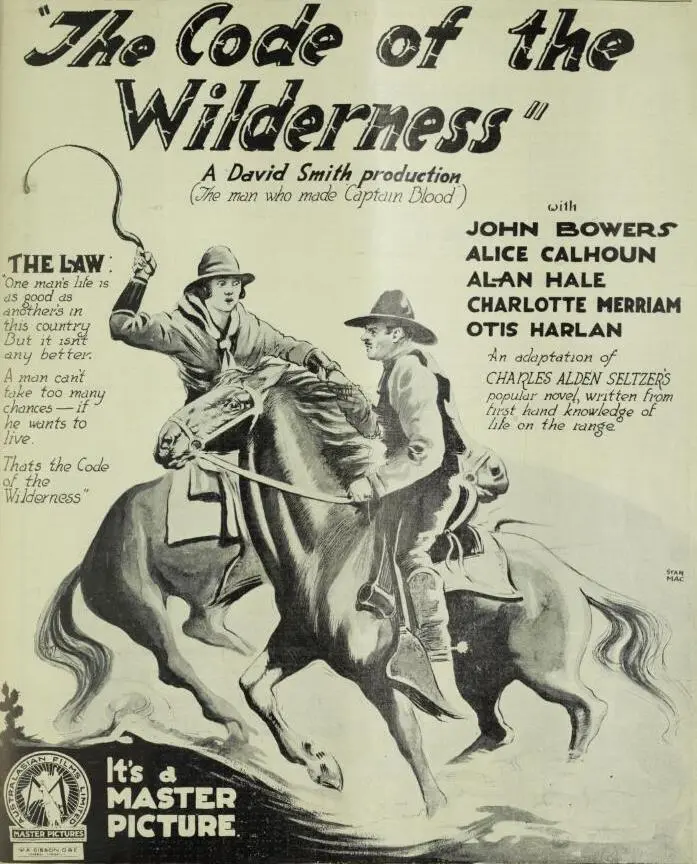
Ruth Harkness, a young woman of independent spirit, inherits the Flying W ranch, a sprawling expanse of untamed wilderness, from her deceased parents. Accompanied by her fiancé, her aunt, and her uncle, she sets out to take possession of the property, unaware of the challenges that lie ahead. The first obstacle she encounters is her foreman, a man of gruff, no-nonsense demeanor who rules the ranch with an iron fist. Ruth, though initially resistant to his harsh methods, begins to understand the necessity of discipline and the importance of a strong, unified team to manage the ranch effectively.
The narrative is further complicated when her fiancé, driven by his own ambitions, conspires with two other ranchmen to undermine Ruth's authority and take control of the Flying W. The ensuing conflict is a series of tense confrontations and dangerous escapades, each one testing the resolve of the characters and deepening the emotional stakes. Ruth, despite the adversity, remains steadfast, her character growing stronger as she learns to lead and inspire her team.
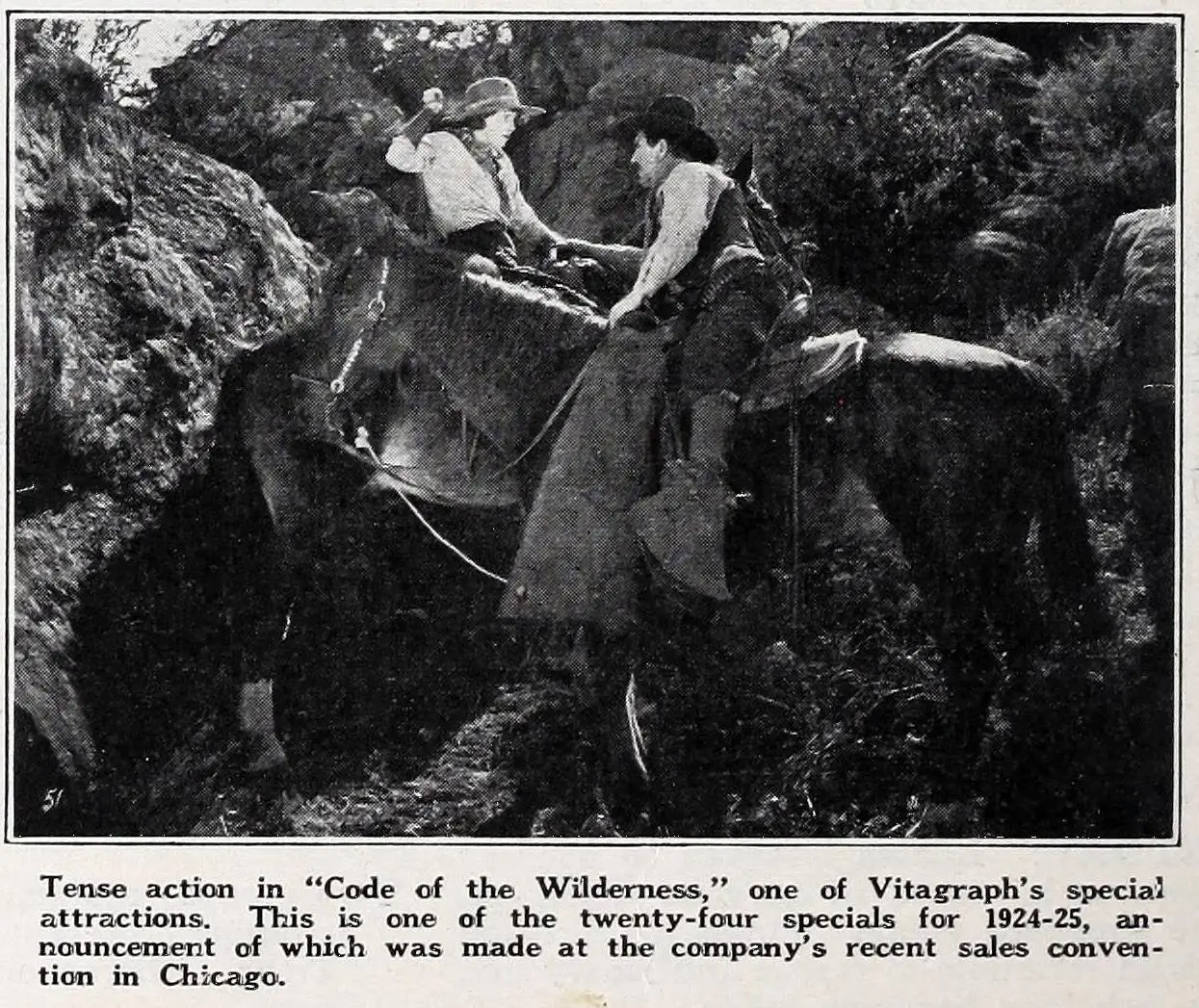
Amidst the turmoil, an unexpected romance blossoms between Ruth and a trusted employee, Octavia. This subplot adds a layer of personal fulfillment and emotional depth to the film, contrasting with the more dramatic elements of the ranch life. As the story unfolds, viewers are taken on a journey through the rugged terrain of the wilderness, the dynamics of power and control, and the human capacity for both resilience and betrayal.
The film is a testament to the genre's ability to blend romance and drama seamlessly with the grit and determination required to manage a vast and unforgiving landscape. The performances, particularly that of Alan Hale as the ruthless yet respected foreman, are nothing short of stellar. The chemistry between the lead actors, especially between Alan Hale and Kitty Bradbury, is palpable, adding layers of complexity to the narrative.
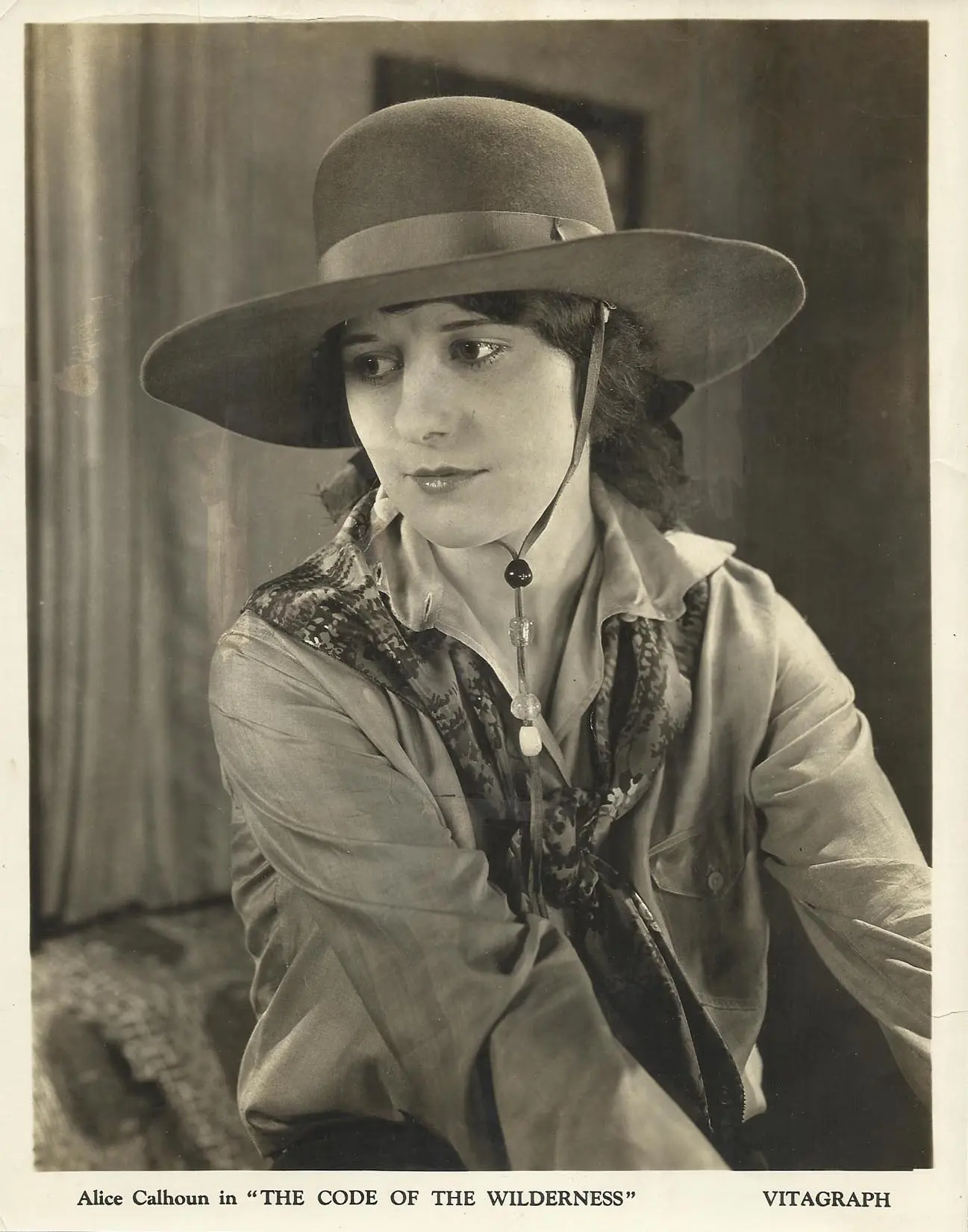
Visually, 'Code of the Wilderness' captures the essence of the American West with stunning cinematography that highlights the beauty and harshness of the landscape. The sound design, while limited by the era, adds a sense of authenticity to the setting, immersing the audience in the world of the Flying W. The score, though not elaborate, enhances the emotional impact of key scenes, particularly during the climactic confrontations and moments of introspection.
From a filmmaking perspective, 'Code of the Wilderness' is a well-crafted piece that stands out for its nuanced portrayal of character development. Each character, from the stoic foreman to the ambitious fiancé, is given room to grow and evolve, making their interactions all the more compelling. The script, penned by Jay Pilcher and Charles Alden Seltzer, is rich in dialogue and subtext, providing the audience with insights into the motivations and desires of the characters.
While the film may not be without its flaws, particularly in its handling of some of the more dramatic elements, it remains a significant entry in the Western genre. Its exploration of themes such as leadership, family, and the struggle for personal and professional fulfillment make it a noteworthy addition to the cinematic canon. Fans of classic cinema and the Western genre will find much to appreciate in 'Code of the Wilderness,' a film that not only entertains but also offers a thoughtful commentary on the human condition.
For those interested in further exploring the Western genre, you might also consider watching 'Sure-Fire Flint,' 'The Happy Warrior,' or 'A Corner in Cotton.' Each of these films offers a unique perspective on the challenges and triumphs of life on the frontier, much like 'Code of the Wilderness' does. Whether you are drawn to the rugged landscapes or the intricate character dynamics, these films provide a rich tapestry of storytelling that captures the spirit of the American West.

IMDb 6.6
1924
Community
Log in to comment.