DbcultAccessing Vault...
Cult Review
Senior Film Conservator
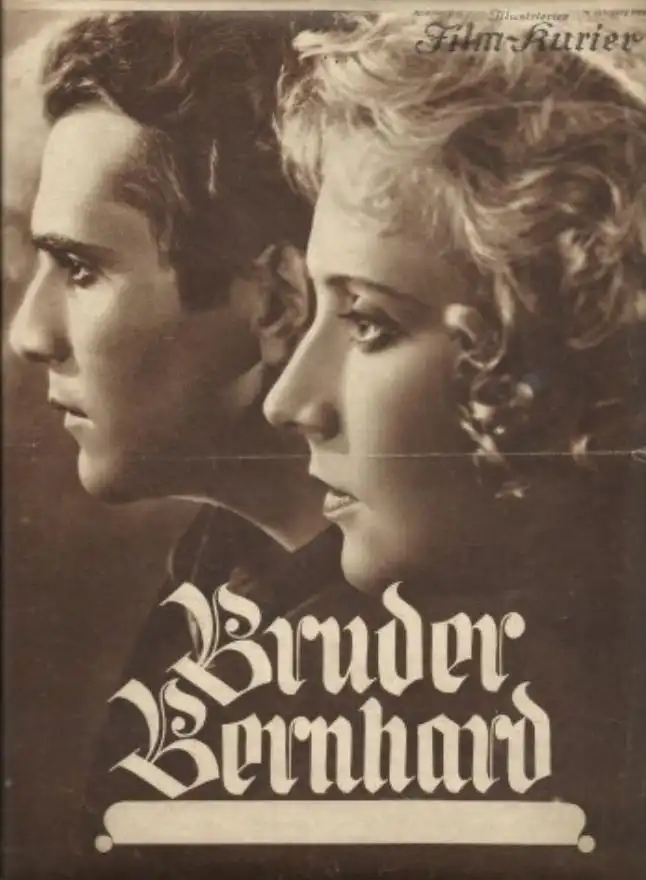
So, Bruder Bernhard. Is it worth tracking down today? For the average movie watcher, probably not, unless you have a real soft spot for silent films or a keen interest in early German cinema. For that niche audience, though, there’s something genuinely compelling here. If you’re looking for a quick, flashy watch, you’ll probably hate it. This one asks for your patience. 🕰️
The film itself feels like a quiet sigh. It centers on Bernhard, a monk, and his inner world. It’s not an action-packed plot, which is typical for the era, but the emotional currents run surprisingly deep.
Georg Henrich, who plays Bernhard, really carries the whole thing. His face, man, it’s just full of *everything*. You see the weight of his vows, the quiet desperation, all without a single spoken word. There's a particular scene where he’s just sitting by a window, light hitting him just so, and you feel the struggle right there in his posture.
The pacing is… deliberate. Which isn’t a knock against it, just an observation. There are moments that just hang, sometimes for what feels like a little too long, but then you realize it's building this strange, heavy atmosphere. Like the way the camera lingers on the monastery walls, or a shadowed corner. It feels cold, you know?
There’s a small detail I remember, a shot of a flickering candle in Bernhard's cell. It’s so simple, but it just emphasizes the solitude, the quiet, the *bareness* of his life. You almost feel the draft.
The story, such as it is, unfolds with a kind of gentle inevitability. It's not about big, shocking twists. It’s more about watching a soul grapple with what’s asked of it, and what it truly desires. There’s a scene where he’s helping some villagers, and for a brief moment, you see this almost *normal* joy in his eyes. It’s a fleeting thing.
Vera Schmiterlöw, too, has some very intense moments. Her expressions are so stark, so immediate. You don’t need dialogue to understand the ache. She brings this sort of raw, almost fragile energy to her character that contrasts really well with Bernhard’s more contained suffering.
Honestly, some of the crowd scenes have this slightly distant, almost staged quality, like they’re just waiting for direction. But then you get these incredible close-ups of the main actors, and it pulls you right back in. The contrast is pretty striking.
The movie doesn't really try to give easy answers, which I appreciate. It just presents this man's journey, his quiet torment. It’s a film that asks you to *feel* rather than just watch. And sometimes, that can be a tough ask for a modern audience.
I wouldn't call it a perfect film, not by a long shot. Some parts drag, and the print quality might vary depending on where you find it. But there’s a certain **raw honesty** to it. It really gets under your skin if you let it. A quiet, melancholy experience that sticks around in your head long after the screen goes dark. ✨

IMDb 5.3
1930
Community
Log in to comment.