DbcultAccessing Vault...
Cult Review
Senior Film Conservator
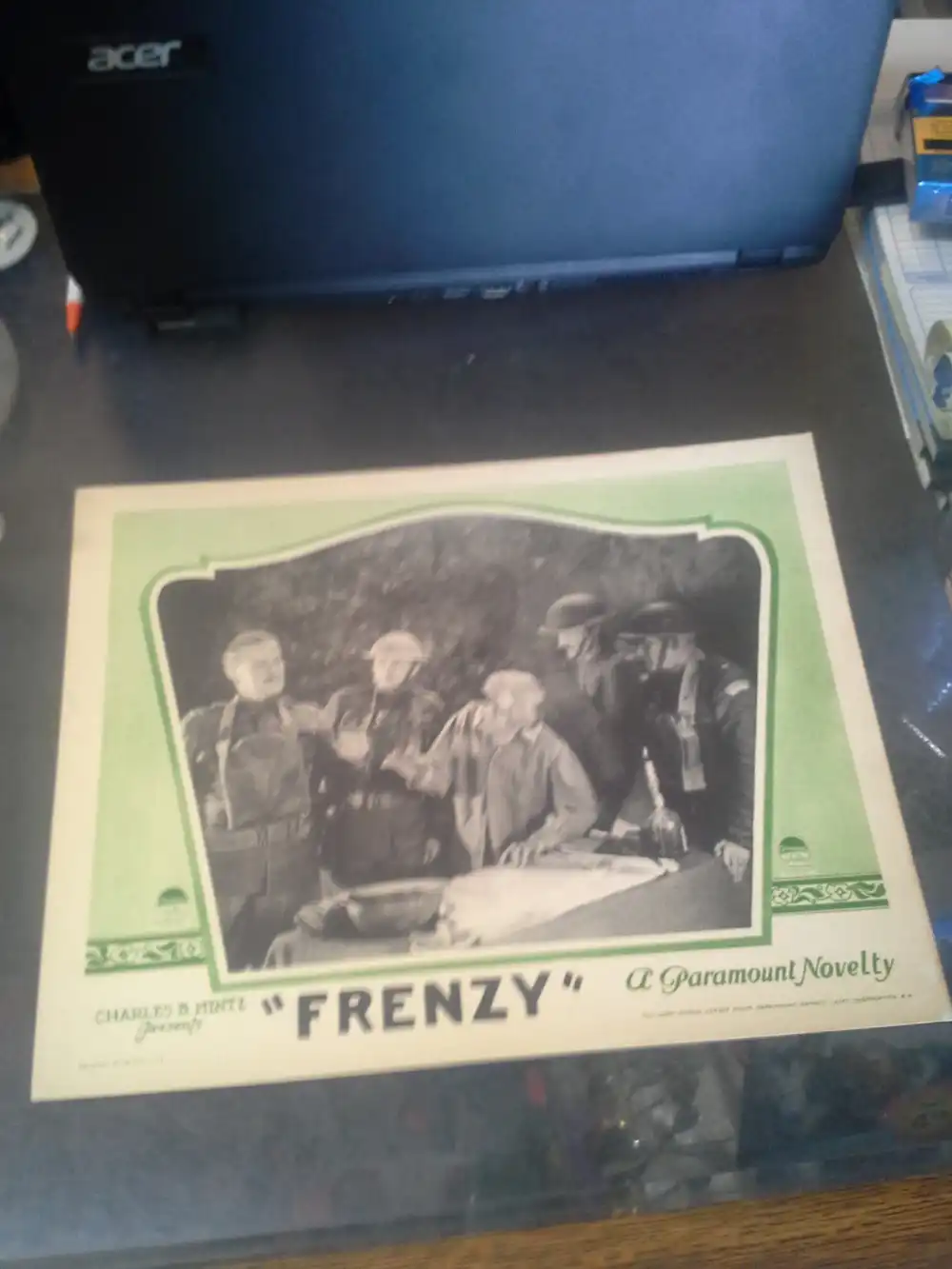
So, you're thinking about watching Frenzy? 🤔 Look, if you’re someone who loves digging into old films, especially those with that distinct early cinema feel, then yeah, give it a shot. It's not a popcorn flick, not by a long shot. But if you're looking for slick storytelling or modern pacing, you'll probably hate it. This one is for the patient, the curious, the ones who appreciate a deep dive into film history, even when the plot isn't screaming at you.
From the get-go, Frenzy feels like it's trying to tell you something big, but it’s doing it in a language we don't always speak anymore. You get Mary Carr, who, let's be honest, just radiates that 'worried but steadfast mother' energy. She’s got this way of looking off-screen that makes you feel like the *weight of the world* is just a few feet away. And then there's Nigel De Brulier. He’s often playing these intense, almost haunted characters, and here, he doesn't disappoint. His eyes just bore into you, even across all those decades.
There are these moments, small things, where the film just breathes. Like a shot of a hand clenching, or a quick glance between characters that feels loaded with unspoken tension. You can almost feel the movie trying to convince you this moment matters, and usually, it does, even if you’re not entirely sure *why* yet.
The pacing, as you might guess for a film of its vintage, isn't exactly zippy. There's a scene, I can't quite place it now, where someone is just... walking. And they walk for what feels like a solid minute. It's not bad, not really, but you start to notice the scuffs on their shoes, the way the light hits the dusty ground. It makes you wonder about the journey, not just the destination.
Nigel De Brulier has a particular scene, I think it's somewhere in the middle. He's just standing there, and the camera just *holds* on his face. No big gestures, no dramatic action, just this intense, almost frightening stillness. It lingers so long it becomes funny, then suddenly it’s not funny at all. It’s kinda unsettling, actually. Like you're peering into someone's soul for a bit too long. 😬
And Mary Carr. Bless her. Her performances always have this quiet strength. You see it in her eyes, even when the intertitles are telling you she's at her wit's end. There’s a specific close-up of her, a moment of pure, raw anguish. It's not over-the-top, just a subtle tremor, a slight downturn of the mouth. It just makes you feel for her, you know? Like you want to reach through the screen and offer her a cup of tea.
The whole thing has this sort of dreamlike quality, too. The way the shadows fall, the slightly grainy texture of the film itself. It makes everything feel a little bit more ethereal. Sometimes the editing is a little jumpy, like someone was trying to piece together a puzzle with a few missing bits, but it kinda adds to the charm, if you’re in the right mood. It gives it that handmade feel, you know?
One of the things that stuck with me was how they managed to convey a sense of genuine panic, a real 'frenzy,' without a lot of the usual tricks. It's not about quick cuts or booming scores; it’s more about the actors' expressions, the rapid back-and-forth between their faces. It makes you think about how much they had to rely on just pure acting back then. No fancy CGI to hide behind. It's all right there, in their faces. 🎭
So, should you watch it? If you're a film student, a historian, or just someone who appreciates the art of early filmmaking, definitely. It’s a fascinating look at how emotions were conveyed before sound took over. If you're just looking for a casual movie night, maybe grab something else. This one needs a bit more of you. It's a film that asks you to lean in and engage with its older rhythm, its quiet power. And sometimes, that's exactly what you need.
IMDb 6
1933
Community
Log in to comment.