DbcultAccessing Vault...
Cult Review
Senior Film Conservator
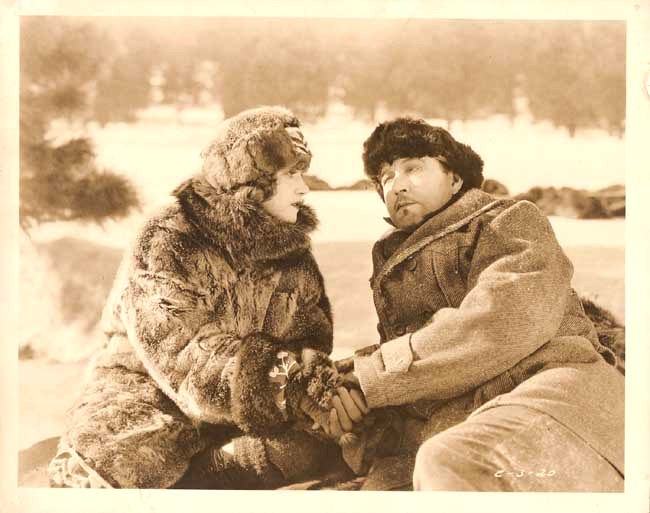
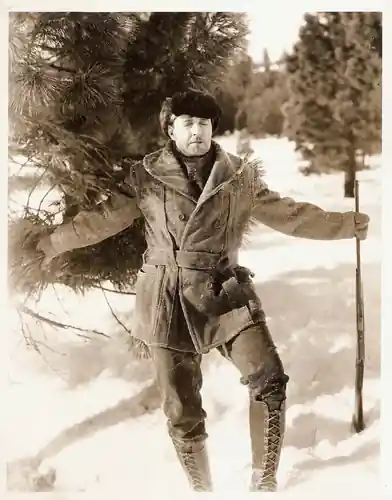
When Sidney D'Albrook steps onto the screen as Kit Carew, the audience is immediately struck by the paradox of a man whose hands are stained with ore yet whose heart beats to the rhythm of a far‑off aristocratic waltz. The film opens with a stark, monochrome tableau of the Alaskan frontier—snow‑capped peaks, the clink of pickaxes, the low rumble of distant avalanches. In these opening minutes, the cinematography, reminiscent of the visual austerity seen in The Silent Man, establishes a visual language of isolation that will later clash dramatically with the opulent interiors of English manor houses.
The telegram that summons Kit to England functions as a narrative catalyst, thrusting him from the raw, elemental world of mining into a labyrinth of legalese and lineage. The script, penned by John Stone and George Goodchild, treats the inheritance not merely as a plot device but as a thematic mirror reflecting the broader tension between self‑made wealth and inherited privilege. As Kit confronts the stepbrothers—portrayed with oily charm by Léon Bary and Colin Chase—their scheming feels eerily contemporary, echoing the manipulative dynamics explored in Dangerous Lies. Their dialogue is peppered with legal jargon, yet the actors deliver it with a cadence that feels almost lyrical, underscoring the film’s preoccupation with the seductive power of language.
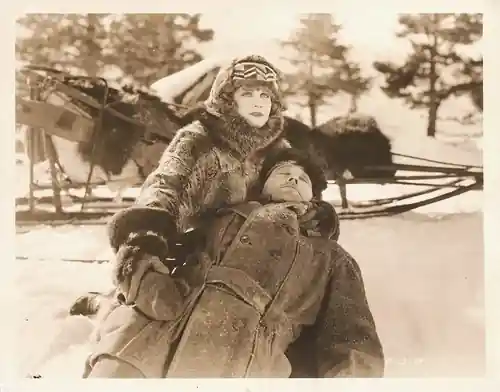
Arline Pretty’s Blanche is a study in restrained rebellion. She is introduced in a dimly lit drawing room, the amber glow of a single lamp casting elongated shadows across her face—a visual echo of the chiaroscuro that defines classic European cinema. Her grief over Frank Farfax’s death is palpable, yet it is her subtle resistance to her stepbrothers’ machinations that defines her character arc. In moments when she confides in Kit, the camera lingers on her eyes, allowing the audience to read the unspoken narrative of a woman trapped by societal expectations but yearning for agency. This dynamic is reminiscent of the conflicted heroine in A Model's Confession, where personal desire collides with familial duty.
Kit’s transition from the rugged north to the polished corridors of English aristocracy is rendered with a palpable sense of dislocation. The film’s mise‑en‑scene employs contrasting colour palettes: the cold blues of the Alaskan exteriors give way to the warm, amber‑tinted interiors of the English estate. This visual dichotomy is reinforced by the score, which juxtaposes a low, throbbing drumbeat—evocative of mining labor—with a delicate string arrangement that underscores the aristocratic setting. The clash is not merely aesthetic; it is philosophical. Kit’s straightforward, almost brutal honesty collides with the stepbrothers’ duplicitous etiquette. Their attempts to outwit him with forged documents and whispered conspiracies feel like a high‑stakes game of chess, where Kit’s pawn‑like background becomes a surprising queen.
Dustin Farnum, though in a supporting role, brings a gravitas that anchors the film’s emotional core. His portrayal of the loyal foreman who remains in Kit’s thoughts throughout the English saga adds a layer of continuity, reminding viewers of the protagonist’s roots. Hayford Hobbs, as the scheming stepbrother, delivers a performance that balances charm with menace, a duality that keeps the audience perpetually guessing. Director John Stone’s pacing is deliberate; he allows scenes to breathe, granting the audience time to absorb the weight of each betrayal and each tender moment. The decision to forgo an overt climax in favor of a simmering, tension‑laden confrontation—set in the estate’s library, where dust motes dance in shafts of light—demonstrates a confidence in visual storytelling that aligns with the subtlety of classic silent-era dramas.
At its heart, Bucking the Barrier interrogates the elasticity of loyalty. Kit’s devotion to Frank Farfax, a man he never truly knew beyond the mining camps, propels him across continents. This loyalty is tested when he discovers that the inheritance is less a gift and more a battlefield. The romance with Blanche serves as both a refuge and a complication; their love is a fragile bridge spanning two disparate worlds. Their interactions are laced with subtext: every glance, every whispered confession is laden with the knowledge that any misstep could unravel their fragile happiness. The film suggests that love, much like mining, requires both patience and a willingness to confront darkness.
When placed alongside contemporaneous works such as The Border Legion and Over the Border, Bucking the Barrier distinguishes itself through its hybrid genre approach—melding Western grit with British melodrama. While the former films lean heavily on action-driven narratives, Bucking the Barrier opts for a character‑centric exploration, allowing the audience to witness the psychological toll of transatlantic displacement. The film’s editing, notably the cross‑cutting between the icy Alaskan mines and the soot‑filled London streets, creates a rhythmic echo that underscores the protagonist’s internal conflict.
The production design excels in rendering two distinct milieus. The Alaskan set, constructed with authentic mining equipment and rugged wooden structures, feels tactile and lived‑in. In contrast, the English manor’s opulent décor—crystal chandeliers, gilt‑edged mirrors, and richly patterned carpets—conveys a sense of inherited wealth that is both alluring and oppressive. Costume design mirrors this dichotomy: Kit’s weather‑worn woolens gradually give way to tailored suits, symbolizing his forced assimilation. The cinematographer employs deep focus shots within the manor’s library, allowing background details—such as a portrait of an ancestor with a stern gaze—to comment silently on the present power dynamics.
The film’s three‑act structure is meticulously calibrated. Act one establishes Kit’s isolation and the inciting incident; act two delves into the intrigue, escalating the stakes with each revelation of the stepbrothers’ scheming; act three culminates in a tense confrontation that resolves both the inheritance dispute and Kit’s romantic arc. The pacing never feels rushed; each revelation is given space to resonate, allowing the audience to process the moral ambiguity of each character. The final resolution—where Kit and Blanche secure the estate through a combination of legal acumen and personal sacrifice—feels earned, avoiding the pitfalls of a contrived happy ending.
Bucking the Barrier endures as a compelling study of cultural displacement and the timeless allure of inheritance drama. Its themes echo in modern narratives about wealth disparity and the clash between self‑made success and inherited privilege. For contemporary viewers, the film offers a lens through which to examine how personal identity is reshaped when confronted with foreign power structures. Moreover, the film’s visual palette—dark oranges, muted yellows, and sea‑blue accents—has inspired recent indie filmmakers seeking to evoke a similar mood of tension between warmth and cold.
Bucking the Barrier stands as a testament to the power of storytelling that transcends genre conventions. Its meticulous craftsmanship, layered performances, and thematic depth render it a must‑watch for aficionados of classic cinema. Whether you are drawn to the stark beauty of the Alaskan frontier or the intricate machinations of English aristocracy, the film delivers a resonant, emotionally charged experience that lingers long after the final frame fades to black.
IMDb 7.6
1930
Community
Log in to comment.