DbcultAccessing Vault...
5.9/10
Senior Film Conservator
A definitive 5.9/10 rating for a film that redefined the boundaries of cult cinema. Malombra remains a cornerstone of transgressive art.
From the shadowy annals of early Italian cinema emerges Malombra, a film that transcends mere narrative to become a deeply unsettling psychological exploration. Directed by Carmine Gallone and based on Antonio Fogazzaro's celebrated novel, this 1917 masterpiece plunges viewers into a maelstrom of gothic obsession, identity dissolution, and spectral possession. It's a cinematic experience that, even a century later, retains its potent ability to disquiet and captivate, a testament to its groundbreaking approach to psychological horror and the nuanced performances that bring its tormented characters to life.
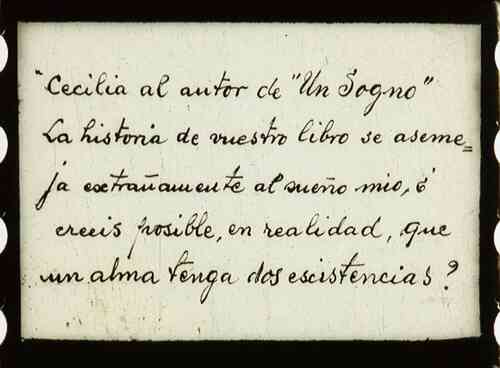
The film's premise, deceptively simple, unravels into a complex tapestry of inherited trauma and existential dread. We are introduced to Marina di Malombra, portrayed with breathtaking intensity by Lyda Borelli, a young woman consigned to the isolated grandeur of her uncle Cesare's (Giorgio Fini) ancestral castle. Her existence, cloistered and devoid of genuine affection, is punctuated only by the dusty whispers of the past. It is within this suffocating environment that Marina stumbles upon a collection of letters penned by a distant ancestor, Isabella, who reportedly perished within the castle walls under mysterious circumstances. As Marina immerses herself in Isabella's anguished correspondence, a profound and terrifying transformation begins to take hold. She starts to believe, with chilling conviction, that she is the reincarnation of Isabella, destined to avenge her predecessor's perceived injustices. This psychological transmigration forms the very core of Malombra, making it a pioneering work in the realm of cinematic psychological drama, far predating many more celebrated examples of the genre.
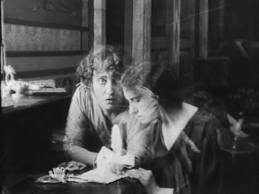
Lyda Borelli's performance as Marina is nothing short of mesmerizing. In an era where silent film acting often leaned towards exaggerated melodrama, Borelli delivers a nuanced portrayal of a soul progressively unraveling. Her expressive eyes, subtle gestures, and almost ethereal presence convey the internal struggle between Marina's innate self and the encroaching spirit of Isabella. The gradual descent into delusion is depicted with such conviction that the audience is left questioning the boundaries of sanity alongside Marina herself. It's a performance that solidifies her status as one of the great divas of early Italian cinema, showcasing a depth of emotional range that few of her contemporaries could match. One might draw parallels to the intense, almost operatic emotionality found in other silent era performances, yet Borelli’s particular brand of psychological immersion sets her apart, carving a unique niche for her within the cinematic pantheon.
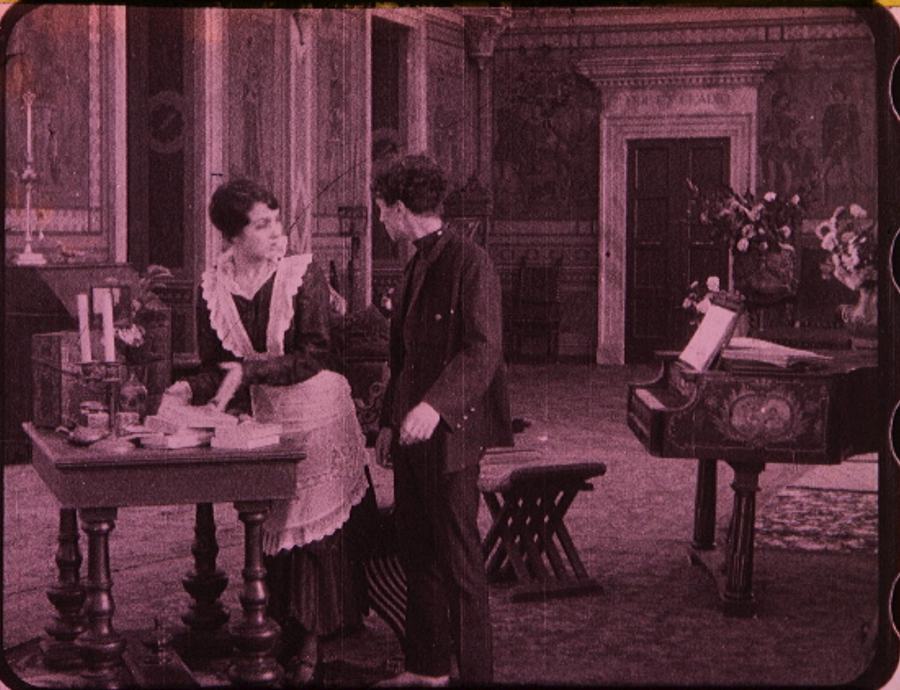
The supporting cast, though often overshadowed by Borelli's luminous presence, provides crucial anchors to the unfolding tragedy. Giorgio Fini as Cesare di Malombra embodies the stern, almost tyrannical patriarch whose rigid control inadvertently fuels Marina's descent. His portrayal of a man blind to the burgeoning madness under his roof is both chilling and pathetic. Giulia Cassini-Rizzotto, Amedeo Ciaffi, Francesco Cacace, Noemi De Ferrari, Consuelo Spada, Augusto Mastripietri, Berta Nelson, and Amleto Novelli collectively weave a rich tapestry of secondary characters, each contributing to the oppressive atmosphere of the castle and the limited world Marina inhabits. Their interactions, though often brief, serve to isolate Marina further, making her psychological journey all the more poignant and inevitable. The ensemble's commitment to the gothic aesthetic and the era's dramatic sensibilities ensures that the world of Malombra feels fully realized, even without the benefit of spoken dialogue.
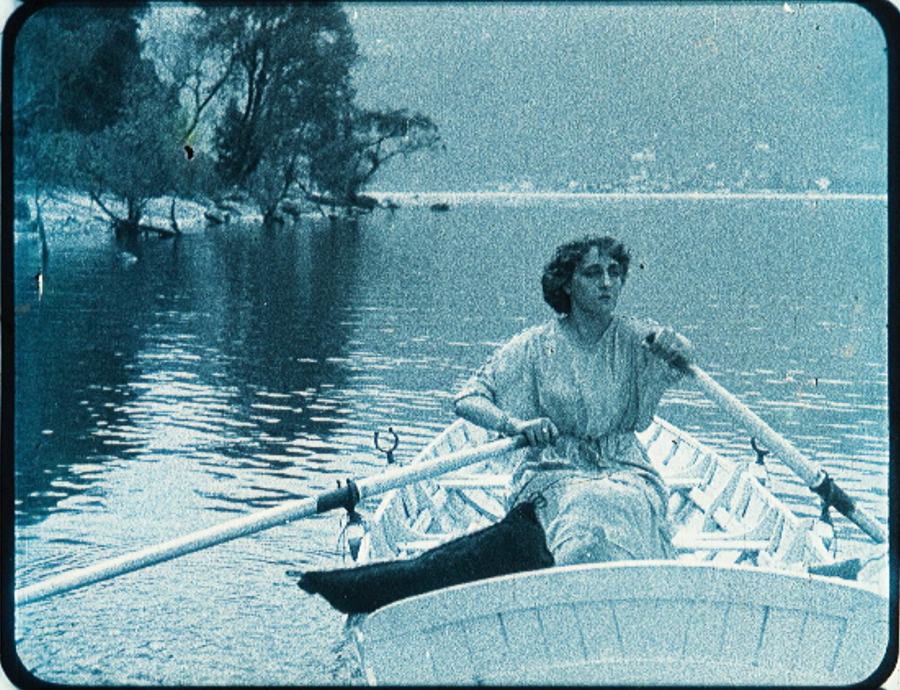
Cinematically, Malombra is a triumph of atmosphere and visual storytelling. Gallone masterfully utilizes the castle itself as a character, its vast, echoing halls and shadowy chambers reflecting Marina's internal turmoil. The cinematography employs stark contrasts between light and shadow, creating a pervasive sense of dread and claustrophobia. Close-ups on Borelli's face amplify her emotional states, drawing the viewer intimately into her spiraling madness. The director’s keen eye for composition transforms static shots into living portraits of despair and impending doom. This meticulous attention to visual detail elevates the film beyond a simple adaptation, making it a landmark in the visual language of silent cinema. The very architecture seems to breathe with the weight of history and the melancholic spirit of Isabella, a silent accomplice in Marina’s tragic transformation.
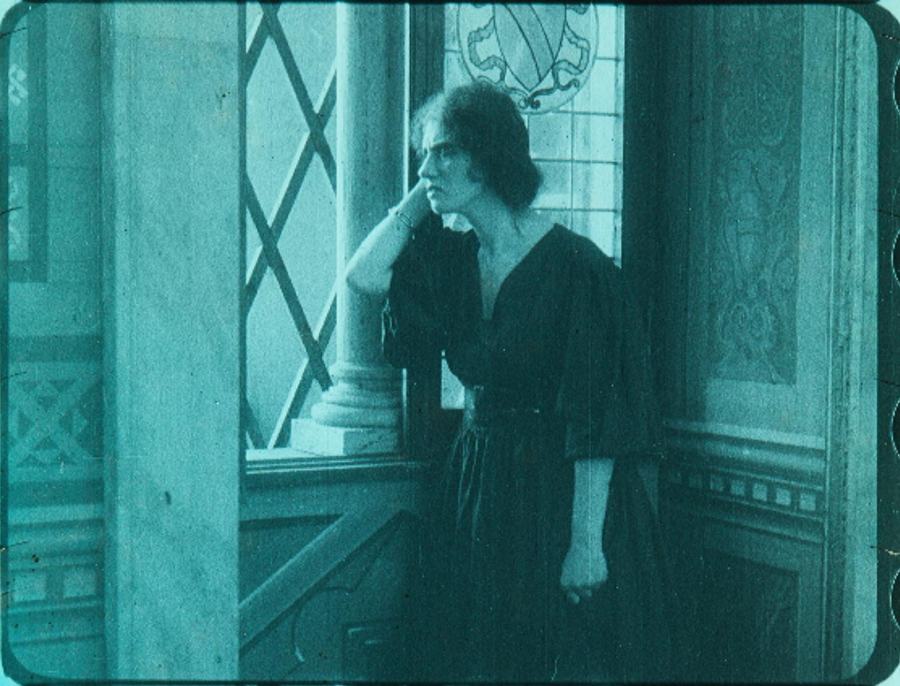
The thematic richness of Malombra is another key to its enduring power. It delves into themes of female repression, the suffocating grip of societal expectations, and the dangerous allure of escapism into fantasy. Marina's identification with Isabella can be seen as a desperate attempt to reclaim agency and identity in a world that seeks to define and confine her. The film probes the very nature of identity itself: is it an inherent, immutable core, or a fluid construct susceptible to external influence and psychological suggestion? Fogazzaro’s novel, a cornerstone of Italian verismo literature infused with romanticism and spiritualism, provides a fertile ground for these explorations, and Gallone translates its complex psychological landscape into compelling visual drama. While other films of the era, such as The Evil Women Do or The Devil's Bondwoman, might explore darker aspects of female characters, Malombra distinguishes itself by focusing on internal psychological unraveling rather than external villainy, presenting a more nuanced and tragic portrait of a woman consumed by forces beyond her control.
In an era dominated by adventure serials like The Count of Monte Cristo or more straightforward melodramas, Malombra stands out for its sophisticated psychological depth. It eschews simplistic heroics or clear-cut morality in favor of a murky, internal struggle. The supernatural elements, rather than being overt, are subtly woven into the fabric of Marina’s perception, leaving the audience to ponder whether Isabella's spirit truly possesses her or if it is merely a manifestation of Marina's own fractured psyche. This ambiguity is one of the film's greatest strengths, allowing for multiple interpretations and reinforcing its status as a work of psychological realism despite its gothic trappings. Its exploration of identity and the self can even be seen as a precursor to themes later explored in films like The Birth of Character, albeit through a much darker, more gothic lens.
The film's enduring legacy is a testament to its artistic merits and its courage to tackle complex psychological themes. It represents a significant moment in the development of Italian silent cinema, showcasing its potential for artistic expression beyond mere spectacle. For modern audiences, Malombra offers a fascinating glimpse into the nascent stages of cinematic horror and psychological drama, revealing how early filmmakers harnessed the unique capabilities of the medium to evoke profound emotional and intellectual responses. It’s a work that demands patient engagement, rewarding the viewer with a rich, unsettling experience that lingers long after the final frame. Unlike the often straightforward narratives of films like One Million Dollars or Dick Whittington and his Cat, Malombra invites introspection and analysis, cementing its place as a cornerstone of art cinema.
In conclusion, Malombra is far more than a historical curiosity; it is a vibrant, terrifying, and deeply moving work of art. Lyda Borelli's iconic performance, Gallone's masterful direction, and Fogazzaro's compelling narrative converge to create a film that speaks volumes about the human psyche, the weight of the past, and the fragility of identity. It's a reminder that true horror often resides not in external monsters, but in the dark recesses of the mind, a space that Malombra explores with chilling precision and unforgettable artistry. Its sophisticated narrative and visual style stand in stark contrast to simpler melodramas such as Tempest and Sunshine, affirming its status as a truly innovative piece of early cinema. It remains a powerful, often overlooked, gem that deserves rediscovery and re-evaluation by anyone interested in the origins of psychological cinema and the enduring power of gothic storytelling.

IMDb —
1931
Community
Log in to comment.