DbcultAccessing Vault...
Cult Review
Senior Film Conservator
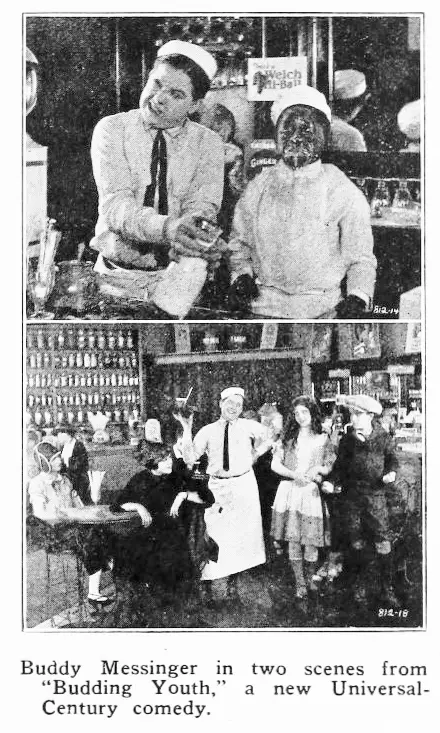
James Berry and the ensemble cast bring to life a narrative that is as fresh as it is nuanced, exploring themes of identity, rebellion, and the quest for belonging against the backdrop of a small town in the 1950s. The film's setting, a quaint, somewhat isolated community, serves as a microcosm for the broader cultural and social changes that were reshaping America during that period.
The central conflict revolves around a group of teenagers who, in their quest for independence and self-discovery, often find themselves at odds with the expectations of their community and the adults who govern it. The characters are multi-dimensional, with each one grappling with their own unique challenges and desires. The chemistry between the actors is palpable, lending the film a sense of authenticity that is rare in contemporary cinema.
Director Andrew S. Barker, in his second feature, showcases a deft hand at storytelling, balancing moments of intense drama with quieter, more introspective scenes that provide insight into the characters' inner worlds. His use of natural lighting and the stark, sometimes oppressive visuals of the small town effectively convey the weight of the characters' struggles, making the film a visual as well as emotional experience.
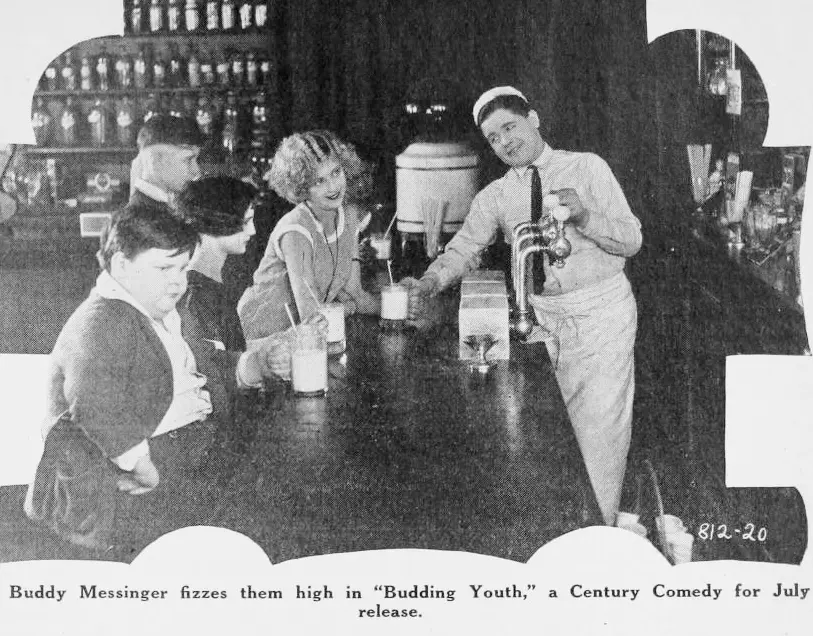
James Berry, in a standout performance, brings a depth to his character that is both compelling and relatable. His portrayal of the protagonist, a boy on the cusp of manhood, is nuanced and sincere, capturing the essence of youthful rebellion and the fear of stepping too far out of one's comfort zone. Supporting performances by The Century Kids, Tommy Hicks, Martha Sleeper, L.J. O'Connor, and Buddy Messinger are equally impressive, each bringing their own unique perspectives to the narrative.
The screenplay, penned by a team of experienced writers, is both sharp and thoughtful, weaving together a tapestry of relationships and conflicts that speak to the universal experiences of adolescence. The dialogue is crisp and authentic, with a mix of frustration, humor, and raw emotion that keeps the audience engaged throughout. The film's pacing is measured, allowing for moments of reflection and character development that are crucial to the story's emotional impact.
Themes of identity and belonging are explored through the characters' various conflicts and choices. The protagonist, in particular, grapples with the tension between embracing his individuality and conforming to the expectations of his peers and community. This struggle is emblematic of the broader theme of self-discovery and the search for one's place in the world. The film does an excellent job of portraying the complexity of these issues, acknowledging both the pain and the growth that come with them.
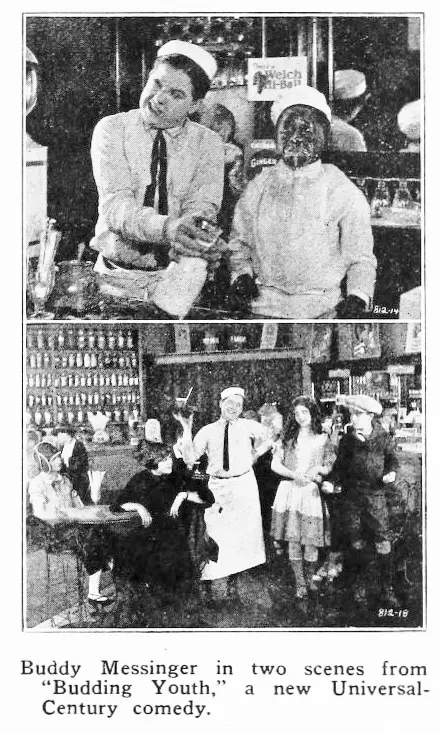
Budding Youth is a film that stands out in its genre for its ability to capture the essence of adolescence in a way that feels both timeless and relevant. It is a reminder of the universal experiences that define the teenage years, from the thrill of discovering oneself to the heartache of falling short of expectations. The film's intimate portrayal of these experiences is both moving and insightful, making it a must-watch for anyone who has ever wondered what it means to be young and searching for their place in the world.
Comparatively, 'Budding Youth' shares thematic similarities with films like 'Honor Among Men,' which also delves into the complexities of interpersonal relationships and the values that shape a community. However, where 'Honor Among Men' focuses more on the clash between tradition and modernity, 'Budding Youth' zeroes in on the internal struggles and external pressures that define the adolescent experience. Similarly, 'Oath-Bound' explores similar themes of loyalty and the challenges of growing up, although it is set in a different cultural context and deals with different issues.
Ultimately, 'Budding Youth' is a film that delivers on its promise of capturing the essence of adolescence. It is a work of art that resonates on multiple levels, offering a profound and authentic portrayal of the human experience. For those who value nuanced storytelling and character-driven narratives, this film is a must-see.

IMDb —
1927
Community
Log in to comment.