DbcultAccessing Vault...
5.2/10
Senior Film Conservator
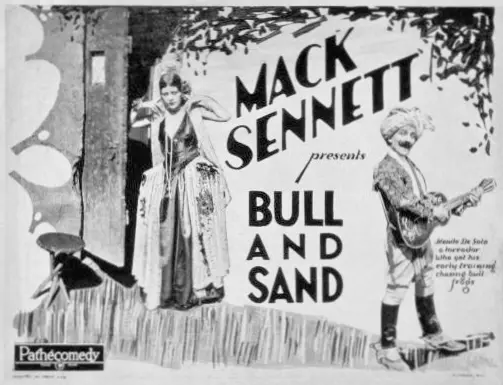
A definitive 5.2/10 rating for a film that redefined the boundaries of cult cinema. Bull and Sand remains a cornerstone of transgressive art.
Step into the whimsical, often bewildering, world of early 20th-century cinema, and you might stumble upon a gem as utterly unique as 1922’s Bull and Sand. This isn't merely a film; it’s a kaleidoscopic fever dream, a testament to the unbridled imagination and slapstick exuberance that defined the silent era. Forget the somber dramas or the earnest romances typically associated with the period; this picture, a delightful mélange of romantic comedy, adventure, and proto-sci-fi, defies easy categorization. It plunges its audience into a narrative so outlandish, so gloriously absurd, that it transcends its humble origins to become a truly unforgettable experience. At its core lies the timeless pursuit of love, but the avenues through which it’s chased are anything but conventional, involving everything from the dusty arenas of bullfighting to the uncharted realms of outer space. It’s a bold declaration that cinema, even in its infancy, was capable of boundless invention, pushing the boundaries of what was conceivable on screen.
Our protagonist, Adonis, portrayed with an endearing blend of hapless sincerity and determined ambition by Dan Maines, is hardly the archetypal hero. He's the King of Bullomania's personal chauffeur, a position that grants him proximity to royalty but little in the way of social standing. His heart, however, knows no such class distinctions, having been irrevocably captured by the ethereal beauty of Princess Ernestine, played with charming vivacity by Madeline Hurlock. Hurlock imbues Ernestine with a spirited independence that makes her more than just a damsel in distress; she’s a woman of agency, even when circumstances conspire against her. Adonis’s love for Ernestine is the engine that drives the entire narrative, a pure, unadulterated passion that impels him to embark on a series of increasingly ludicrous endeavors. To win her hand, or at least to prove himself worthy of her attention, he does what any logical man in love in Bullomania would do: he enrolls in a bullfighting school. This initial premise, already teetering on the edge of farce, sets the tone for the escalating madness that is to follow.
The bullfighting sequences, while undoubtedly staged with the limitations of early cinema, manage to convey a sense of genuine peril mixed with comedic timing. Maines's physical comedy shines here, as he navigates the arena with a mixture of clumsy bravery and sheer terror, embodying the everyman thrown into an extraordinary situation. It's a classic comedic trope, but executed with a fresh energy that keeps the audience engaged. However, Adonis’s romantic aspirations are not without competition. Enter Manuel Risotto, a celebrated toreador, brought to life with flamboyant villainy by Vernon Dent. Dent, a familiar face in silent comedies, perfectly captures the suave menace of Risotto, making him a formidable, if somewhat cartoonish, antagonist. Risotto, unlike Adonis, possesses both the social standing and the perceived bravery to vie for the princess's affections, and he’s not above resorting to more nefarious means to secure his prize. His abduction of Princess Ernestine is the catalyst that truly kicks the plot into high gear, transforming a quirky romance into an full-blown adventure.
The ensuing car chase is a masterclass in silent film spectacle, a dizzying display of early automotive stunts and frenetic pacing. The King, driven by Adonis, is in hot pursuit of Risotto, creating a dynamic triangle of desperation, villainy, and comedic ineptitude. It’s in this moment of high tension that Adonis’s character truly faces his first major setback. Through a combination of bad luck, poor judgment, or perhaps just the sheer chaotic energy of the chase, he allows Risotto to escape with the princess. This failure is not merely a
IMDb 6.1
1934
Community
Log in to comment.