DbcultAccessing Vault...
6.4/10
Senior Film Conservator
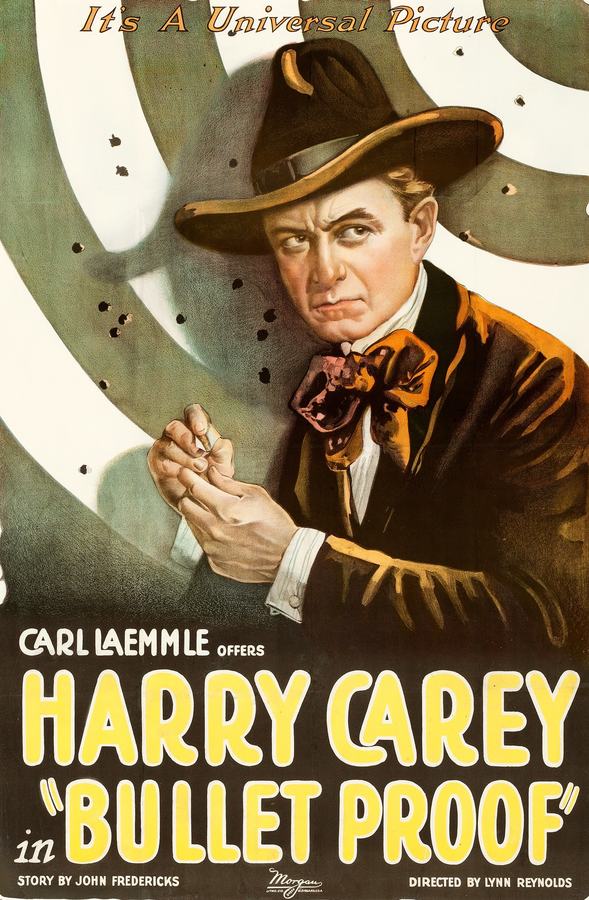
A definitive 6.4/10 rating for a film that redefined the boundaries of cult cinema. Bullet Proof remains a cornerstone of transgressive art.
In the vast, often overlooked archives of silent cinema, particularly within the sprawling genre of the Western, certain films emerge not just as historical artifacts but as compelling narratives that resonate even today. John Ford’s early work often comes to mind, but there are countless other gems, some more polished than others, that contributed to the genre's formative years. Among them stands Bullet Proof, a 1920 production featuring the iconic Harry Carey, a stalwart of the early Western. This isn't merely a tale of cowboys and outlaws; it’s a visceral exploration of vengeance, the capricious nature of fate, and the complex, often unpredictable, currents of human affection set against a rugged, indifferent landscape. To truly appreciate its narrative ambition, one must immerse themselves in the era's storytelling conventions, where broad gestures and expressive physiognomy conveyed emotions that modern dialogue often struggles to capture.
The plot, penned by John Frederick and Lynn Reynolds, is a tapestry woven with threads of classic Western tropes, yet infused with a surprising emotional depth. At its core is Pierre Winton, portrayed with a compelling blend of stoicism and simmering intensity by Harry Carey. His initial motivation is clear, almost archetypal: the pursuit of McGuirk, the bandit responsible for the brutal slaying of his father. This foundational act of vengeance sets a dark, resolute tone for Pierre’s journey, immediately aligning him with the lone avenger figures so prevalent in the genre. However, the narrative quickly diverges from a simple revenge quest, introducing elements of serendipity and tragedy that complicate Pierre’s path. The rock slide, a seemingly random act of nature, serves as a powerful symbol of the frontier’s inherent dangers and its capacity to alter human destinies in an instant. It is here that Pierre encounters Mary Brown, rendered vulnerable and injured by the same indifferent forces that threaten him. Their connection is instantaneous, a spark ignited in the face of adversity, suggesting that love, much like life, can bloom unexpectedly in the harshest environments.
The plot then introduces a significant narrative turn: Pierre's entanglement with Jim Boone's outlaw gang. This forced alliance, born out of necessity after another rock slide leaves Pierre unconscious and separated from Mary, positions him in a moral gray area. It’s a classic Western predicament: the good man forced into the company of the bad, challenging his principles and forcing him to adapt. This period with the outlaws also introduces Jackie, Boone’s daughter, whose burgeoning affection for Pierre creates a poignant love triangle. This emotional conflict is skillfully developed, highlighting Pierre's unwavering fidelity to Mary despite the new, compelling presence of Jackie. The tension between his sworn love and the growing bond with Jackie is palpable, a testament to the script's ability to craft intricate human relationships amidst the rugged action. The dance scene, a rare moment of communal gathering in an otherwise desolate landscape, becomes the crucible for this emotional drama, exposing Jackie’s raw jealousy and setting the stage for the narrative’s final, violent acts. The destruction of Jackie's home by McGuirk serves as a brutal re-introduction of the primary antagonist, linking the personal vendetta with the broader chaos of the frontier and giving Pierre a renewed, intensified purpose. The ultimate confrontation with McGuirk is less about a simple kill and more about the restoration of a disrupted order, both personal and societal.
Harry Carey, a name synonymous with the early Western, brings a remarkable authenticity to the role of Pierre Winton. His performance is a masterclass in silent film acting, relying heavily on subtle facial expressions, deliberate movements, and a powerful screen presence that transcends the lack of spoken dialogue. Carey's Pierre is not a flamboyant hero; he is a man of quiet determination, his eyes often conveying more emotion than a thousand words ever could. Whether grappling with the grief of his father's death, the tender stirrings of love for Mary, or the conflicted loyalties within Boone's gang, Carey imbues Pierre with a profound internal struggle that is utterly convincing. His portrayal underscores the rugged individualism and moral fortitude expected of Western heroes of the era, yet he also allows glimpses of vulnerability that humanize the character beyond mere archetype.
The supporting cast, while perhaps less celebrated, contributes significantly to the film's emotional landscape. Beatrice Burnham as Mary Brown embodies the delicate yet resilient frontier woman, her portrayal evoking sympathy and admiration. Kathleen O'Connor, as Jackie, delivers a nuanced performance of a woman torn between fierce loyalty to her outlaw family and a burgeoning, ultimately unrequited, love. Her jealousy, though a catalyst for further drama, is presented not as a cartoonish villainy, but as a deeply human response to emotional pain. J. Farrell MacDonald, a prolific character actor of the era, likely brought his customary gravitas to his role, grounding the more melodramatic elements of the plot. The effective portrayal of McGuirk, the villain, by Robert McKim, ensures that the threat feels real and menacing, giving weight to Pierre's quest for retribution. The collective efforts of this ensemble, under the guidance of the director, create a believable world where high stakes and raw emotions are constantly at play. For those interested in seeing other powerful female performances from this era, one might compare Beatrice Burnham's portrayal to that found in The Wild Woman, examining how different actresses navigated similar narrative constraints.
In the silent era, the visual language of cinema was paramount. Directors had to rely on strong compositions, evocative lighting, and dynamic editing to convey narrative and emotion. While specific details about the director of Bullet Proof are not readily available in the provided information, the effectiveness of the story and performances suggests a capable hand guiding the production. The use of the natural landscape, a hallmark of the Western genre, would have been crucial in Bullet Proof. The rock slides, for instance, are not merely plot devices; they are visual manifestations of the untamed, unpredictable nature of the West itself. Such scenes would have required careful staging and early special effects, demonstrating the ingenuity of filmmakers in an era before advanced technology. The sweeping vistas, the dusty trails, and the stark contrast between human figures and the vast wilderness would have been employed to underscore the characters' isolation and the epic scale of their struggles. This visual grandeur often served to elevate even conventional narratives, imbuing them with a sense of mythic importance.
The action sequences, particularly the pursuit of McGuirk, would have been choreographed for maximum impact, utilizing the kinetic energy of horses and the dramatic tension of close quarters combat. Silent films often excelled in these physical sequences, relying on fast cuts and dynamic camera angles to create excitement. The visual contrast between the desolate wilderness and moments of human connection, such as the dance, would also have been carefully crafted to highlight the emotional highs and lows of the narrative. The very title, Bullet Proof, suggests a certain ruggedness, a resilience inherent not only in the characters but in the very spirit of the Western myth. This visual aesthetic, focusing on the grandeur and danger of the frontier, aligns it with other foundational Westerns of the period, creating a consistent cinematic language for the genre. One might draw parallels to the rugged landscapes and action present in films like Wildfire, which similarly leveraged its setting for dramatic effect.
The Western genre, even in its nascent stages, captivated audiences with its tales of lawmen and outlaws, pioneers and native tribes, all struggling for survival and dominance in a land of boundless opportunity and peril. Bullet Proof fits squarely within this tradition, offering a morality play dressed in dust and denim. The themes explored – justice, loyalty, love, and the price of vengeance – are universal, but they gain a particular resonance when set against the backdrop of the American West, a landscape often romanticized as the last bastion of true freedom and rugged individualism. The film’s resolution, with Jackie's realization that her feelings for Pierre are merely friendship, and Pierre and Mary's decision to go East, speaks to a common narrative arc in many Westerns: the hero, having tamed a piece of the wild, or resolved his personal demons, seeks a more settled, domestic life. It suggests a movement from the lawless frontier towards the burgeoning civilization, a symbolic journey that many characters in the genre undertake.
While perhaps not as widely remembered as some of Harry Carey's collaborations with John Ford, Bullet Proof nonetheless represents a significant piece of silent Western history. It showcases the talents of its lead actor and demonstrates the genre's early capacity for complex emotional storytelling alongside thrilling action. It's a testament to the enduring power of these foundational films that they continue to offer insights into the cinematic techniques and narrative conventions that would shape Hollywood for decades to come. Viewing such a film today is not just an exercise in historical appreciation; it’s an opportunity to connect with a raw, unadorned form of storytelling that prioritized visual impact and emotional resonance above all else. The journey of Pierre Winton, fraught with peril and emotional entanglement, becomes a microcosm of the larger American mythos, a tale of struggle, perseverance, and ultimately, the pursuit of a new beginning. The cyclical nature of conflict and resolution, often seen in narratives of the era, can also be observed in films like The Turn of the Road or The Road to the Dawn, where characters frequently navigate challenging paths towards a perceived better future. The film’s title itself, Bullet Proof, can be interpreted not just literally, but metaphorically – suggesting a resilience of spirit, a determination to overcome adversity no matter how many metaphorical 'bullets' life throws one's way.
In conclusion, Bullet Proof stands as a compelling example of early silent Western cinema, a genre that, through its often-underestimated artistry, laid the groundwork for much of what followed. It's a film that manages to blend the high-stakes action expected of a frontier narrative with a surprisingly intricate exploration of human relationships and moral dilemmas. Harry Carey's performance is, as always, a highlight, anchoring the film with his characteristic gravitas and understated emotional power. The script, while adhering to certain genre conventions, introduces enough twists and turns – particularly the recurring motif of the rock slide as a force of fate, and the complex love triangle – to keep the audience thoroughly engaged. The resolution, which sees the protagonists choosing to leave the wild West behind for a new life in the East, provides a satisfying sense of closure, not just for their personal story but also as a symbolic nod to the evolving American landscape. It reminds us that even in the most rugged of tales, there's always room for hope, for a fresh start, and for the enduring power of love to guide one through the most treacherous terrain.
For silent film enthusiasts, or indeed anyone with an interest in the foundational stories of American cinema, Bullet Proof offers a rich viewing experience. It's a reminder that even without spoken dialogue, the power of visual storytelling, compelling performances, and a well-crafted narrative can transcend time, offering a window into a bygone era of filmmaking that was anything but primitive. It's a testament to the enduring appeal of the Western, a genre that continues to explore themes of justice, freedom, and the human spirit's resilience against an often-brutal world. The film is more than just a historical artifact; it's a vibrant, engaging piece of cinematic art that deserves to be seen and appreciated for its contributions to the silent era's narrative and aesthetic prowess.
IMDb 6
1931
Community
Log in to comment.