DbcultAccessing Vault...
7.3/10
Senior Film Conservator
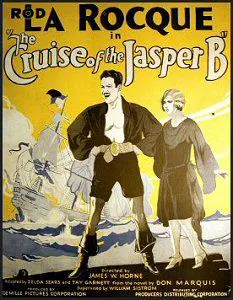
A definitive 7.3/10 rating for a film that redefined the boundaries of cult cinema. The Cruise of the Jasper B remains a cornerstone of transgressive art.
Is The Cruise of the Jasper B worth your time in the modern era? Short answer: Yes, but only if you have a high tolerance for the manic, logic-defying energy of 1920s slapstick. This film is for silent comedy purists who love physical set-pieces and historical curiosities; it is not for those seeking a sophisticated, coherent, or emotionally grounded narrative.
Released in 1926, this film captures a specific moment in cinematic history where the boundaries of reality were regularly tested for the sake of a laugh. It’s a loud movie that happens to be silent. It’s fast. It’s loud. It’s weird. It doesn't just ask for your attention; it demands your surrender to its internal, broken logic.
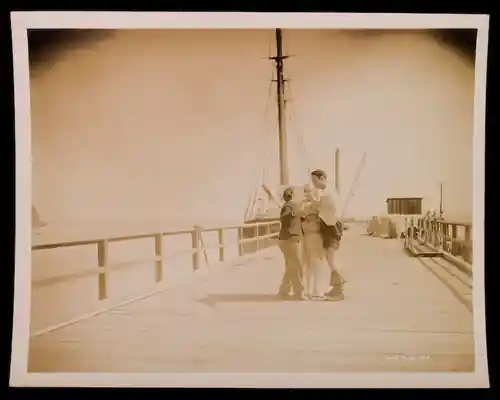
1) This film works because it embraces the absolute absurdity of its premise without blinking, turning a grounded ship into a playground for surrealist comedy.
2) This film fails because its frantic pacing occasionally sacrifices character development for the sake of a gag, leaving the audience breathless but emotionally detached.
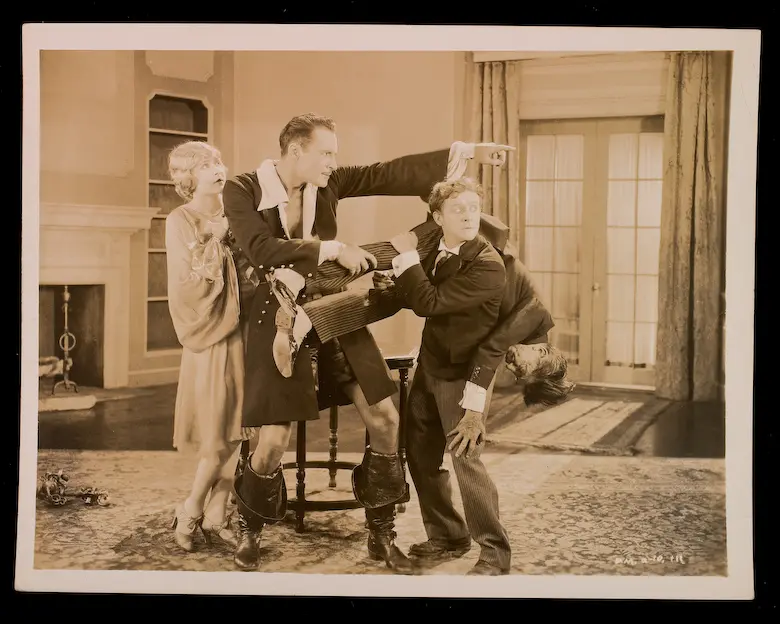
3) You should watch it if you want to see how silent cinema pushed the boundaries of physical impossibility before CGI existed, specifically through the lens of Rod La Rocque’s surprising comedic turn.
The trope of the "inheritance with a catch" is as old as the medium itself, but The Cruise of the Jasper B takes it to a fever pitch. Jerry Cleggett, played with an unexpected vulnerability by Rod La Rocque, isn't just a man looking for love; he’s a man looking for a legal loophole to escape poverty. Unlike the more grounded romantic stakes in films like A Cumberland Romance, the stakes here are purely transactional and frantic.
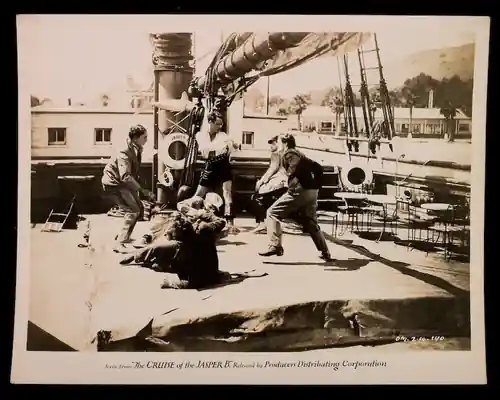
The Jasper B itself is the star of the show. It’s a ship that has been turned into a house, yet the film treats it with the reverence of a seafaring vessel. This creates a cognitive dissonance that fuels the comedy. When the "ship" begins to move through the streets, the film transitions from a standard farce into something approaching surrealism. It’s a brick with delusions of grandeur.
Rod La Rocque was often known for his more dramatic or suave roles, but here he leans into the klutziness required for a top-tier silent comedy. His performance feels like he’s trying to out-Keaton Keaton. While he doesn’t quite reach that peak of deadpan perfection, his desperation is palpable and hilarious. He uses his entire body to convey the ticking clock, often looking like a man who is physically vibrating with anxiety.
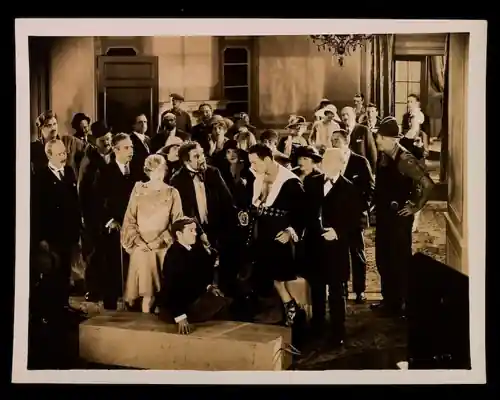
In one specific scene, Jerry attempts to maintain his dignity while the ship undergoes a series of impossible physical shifts. The way La Rocque manages to keep his balance—or fail to keep it—shows a level of athletic commitment that modern actors rarely achieve. He is supported by a cast of veteran character actors, including the inimitable Snitz Edwards, whose face alone provides more entertainment than most modern scripts. The ensemble work here is tighter than what you might see in Politics, focusing on physical timing rather than political satire.
The Cruise of the Jasper B is worth watching for anyone who values the inventive, physics-defying slapstick of the late silent era. It offers a unique blend of nautical farce and inheritance-driven tension that remains engaging today. If you appreciate high-energy physical comedy and want to see a different side of Rod La Rocque, this film is a must-see. It serves as a fascinating bridge between the early short-form comedies like Cooks and Crooks and the more elaborate features of the late 20s.
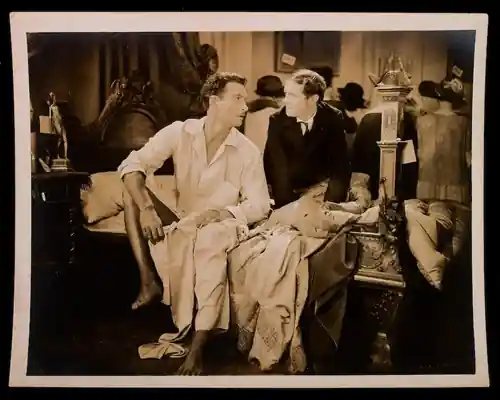
Tay Garnett, working alongside a team of writers including Zelda Sears and Don Marquis, crafts a film that feels like a runaway train. The direction is focused on movement. There is very little static space in this movie. Even when characters are standing still, the camera or the background elements seem to be in a state of flux. This creates a sense of perpetual motion that can be exhausting, yet it’s undeniably impressive.
Compare this to the more deliberate pacing of Der verlorene Schuh. Where that film uses space to create mood, The Cruise of the Jasper B uses space as an obstacle course. The cinematography utilizes iris shots and clever framing to highlight the claustrophobia of the ship, making the eventual "cruise" through the streets feel like a massive explosion of freedom and chaos.
One surprising observation is how the film treats the concept of the "ancestor." Jerry isn't just following a will; he is haunted by the ghost of a buccaneer’s expectations. There is a subtle, perhaps unintentional, commentary on the weight of the past. While Jerry wants the money, he is also trying to live up to a legacy of adventure that he is clearly not built for. This adds a layer of pathos to the comedy—Jerry is a man out of time, literally and figuratively.
The film also manages to be quite progressive in its visual storytelling. The way it handles the "ship on land" sequences predates the kind of environmental gags we would see decades later in animation. It’s a live-action cartoon. It works. But it’s flawed. The flaw lies in its inability to slow down. Sometimes, the audience needs to breathe, and Garnett refuses to provide the oxygen.
Pros:
Cons:
The Cruise of the Jasper B is a delightful, unhinged relic of the silent era. It doesn't have the emotional depth of The Virgin Queen or the poetic stillness of In the Land of Morning Calm, but it doesn't want to. It wants to make you laugh at the impossibility of its premise, and in that, it succeeds wildly. It is a testament to a time when cinema was unafraid to be completely ridiculous. If you can handle the speed, it's a journey worth taking. It is a chaotic, beautiful mess of a movie that reminds us why we fell in love with the moving image in the first place.

IMDb —
1921
Community
Log in to comment.