DbcultAccessing Vault...
Cult Review
Senior Film Conservator
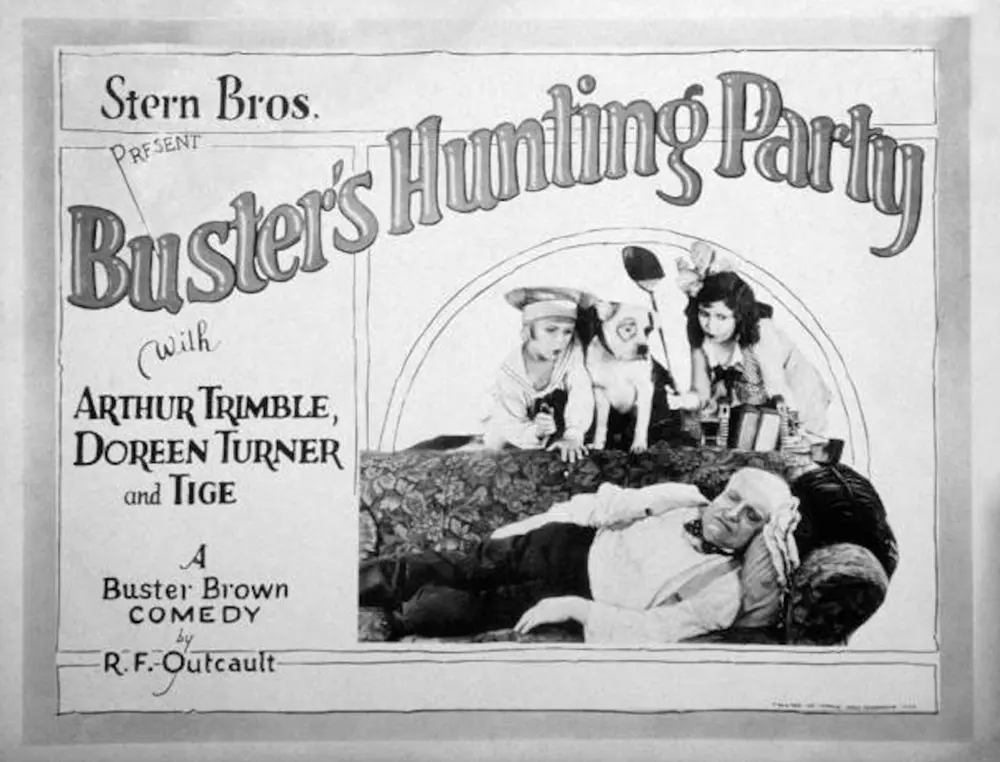
Is Buster's Hunting Party worth watching today? Short answer: yes, but with significant caveats. This isn't a film for casual viewers seeking modern narrative thrills, but an invaluable artifact for cinephiles, historians, and anyone curious about the nascent stages of cinematic storytelling.
This early silent short, starring the incomparable The Wonder Dog Pal, serves as a delightful, if simplistic, window into a foundational period of filmmaking. It's a charming diversion for those who appreciate the evolution of the medium, yet will likely prove a challenging watch for audiences accustomed to contemporary pacing and production values.
"Buster's Hunting Party" exists not as a grand narrative achievement, but as a fascinating fragment of cinema's formative years. Directed by Richard F. Outcault, a name perhaps more synonymous with early comic strips, this film embodies the experimental and often whimsical spirit of the era. It's a testament to a time when the very act of capturing moving images was a marvel, and a simple premise could captivate an audience.
The film's plot, centered around a hunting expedition featuring a dog, is straightforward to the point of being almost non-existent by today's standards. Yet, within its brevity, it offers a glimpse into societal pastimes and the burgeoning use of animals in performance. It speaks volumes about what constituted entertainment before dialogue, complex camera movements, or intricate editing became standard.
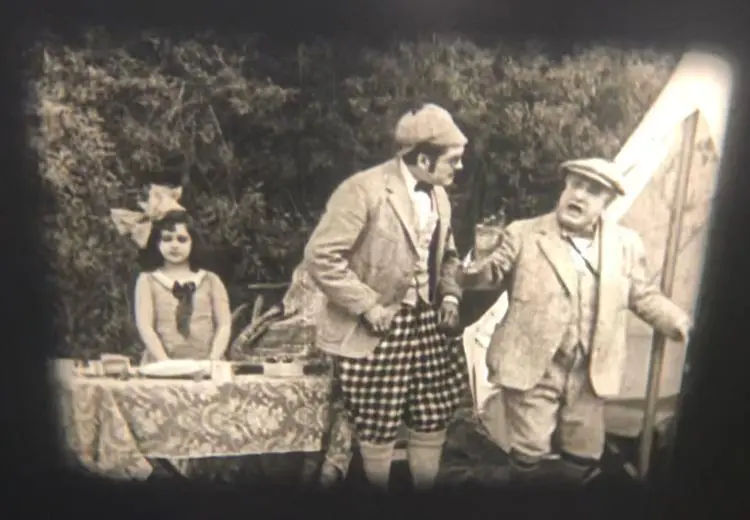
This film works because it offers an unvarnished look at the innocent ambition of early filmmakers, showcasing the raw appeal of a charismatic animal actor.
It fails because its extreme simplicity and lack of narrative depth make it largely inaccessible to modern audiences without significant historical context.
You should watch it if you are a film historian, a student of early media, or someone deeply interested in the origins of animal performances on screen.
The true revelation of "Buster's Hunting Party" is undoubtedly The Wonder Dog Pal. In an era before sophisticated training techniques and special effects, Pal's performance is genuinely remarkable. The film doesn't just feature a dog; it truly centers on Pal's personality and natural charisma. One can almost see the filmmakers, including Outcault, simply pointing the camera and letting Pal's instincts and charm carry the scene.
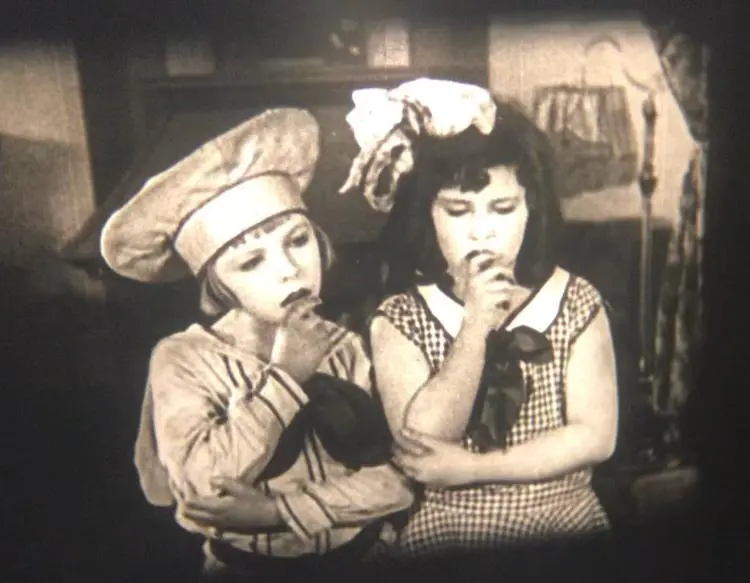
Consider the moments where Pal interacts with the hunting gear, perhaps playfully tugging at a dropped hat or exhibiting a keen interest in the game. These aren't just cute vignettes; they are early examples of character development through non-verbal action. Pal isn't merely a prop; he's an active participant, a true performer who understands the camera's gaze, even if subconsciously.
His presence elevates what could have been a mundane home movie into a charming piece of early cinema. Pal's screen presence, though unrefined by modern standards, possesses an authenticity that many human actors of the period struggled to achieve without the aid of dialogue. It’s an unconventional observation, but Pal’s naturalism often outshines the more theatrical gestures of his human co-stars.
Richard F. Outcault's direction is, as expected for the period, rudimentary yet effective. The camera is largely static, serving as an observer rather than an active storyteller. Shots are typically wide, capturing the full scene and allowing the audience to take in all the action, particularly Pal's movements. There's a certain unpretentious honesty to this approach.
The staging, while simple, is deliberate. Characters and objects are positioned to convey information without the need for intertitles, a common practice in very early shorts. For instance, the way Arthur Trimble might gesture broadly or Doreen Turner might point, these actions are the primary conveyors of narrative progression. It’s a foundational lesson in visual storytelling, even if it feels incredibly slow to modern eyes.
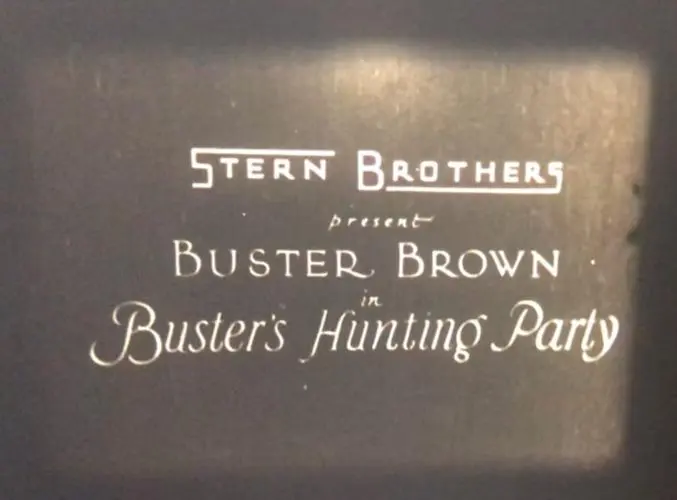
One might observe a sequence where Pal is tasked with retrieving something. The camera remains fixed, allowing the dog's journey across the frame to be the focal point. This lack of cuts or dynamic angles forces the viewer to engage with the long take, appreciating the duration of the action. It's a stark contrast to the rapid-fire editing we've grown accustomed to, making Buster's Hunting Party feel almost meditative in its simplicity.
Doreen Turner and Arthur Trimble, the human counterparts to Pal, deliver performances typical of early silent cinema. Their acting is often broad, relying on exaggerated gestures and facial expressions to convey emotion and intent. Without spoken words, every movement, every tilt of the head, had to carry significant weight. This can feel theatrical and even comical to contemporary audiences, but it was the accepted lexicon of the time.
Trimble, perhaps portraying the primary hunter, likely employs a stern or determined demeanor, punctuated by moments of lightheartedness when interacting with Pal. Turner, possibly the companion, might offer more gentle expressions or reactions. Their roles are largely to facilitate Pal's actions and provide a human context for the hunting party. Their chemistry with Pal is key; it's less about their interaction with each other and more about their reaction to the star canine.
This type of acting, while fascinating from a historical perspective, can be a barrier for some viewers. It requires an imaginative leap, an understanding that these actors were pioneers, developing a new craft without established rules. Their performances are valuable not for their psychological depth, but for their historical significance in the evolution of screen acting. It works. But it’s flawed. The raw, unpolished nature of their craft is both endearing and occasionally jarring.

The pacing of "Buster's Hunting Party" is deliberate, even leisurely. Given its likely short runtime, each scene is allowed to breathe, unfolding without urgency. This slow burn is characteristic of many early films, where the novelty of moving pictures often superseded the need for a tightly wound plot. The tone is overwhelmingly lighthearted and wholesome, a gentle diversion suitable for all ages.
There's an innocence to the film that is deeply appealing, a stark contrast to the often cynical or complex narratives of modern cinema. It doesn't aim to challenge or provoke; its goal is simply to entertain through the charm of its animal star and the quaint depiction of a simple outing. This inherent simplicity is both its greatest strength and its most significant hurdle for contemporary viewers.
The lasting impression of "Buster's Hunting Party" is not of a forgotten classic, but of a treasured artifact. It reminds us that cinema began with fundamental ideas, with a wonder at the moving image itself. It's a film that, much like The Life of Moses or The Forbidden City, speaks to the incredible diversity and ambition of early filmmakers across the globe, even with limited resources. It stands as a testament to the enduring appeal of animal actors, a tradition that continues to this day.
Absolutely, but only if you approach it with the right mindset. This isn't entertainment in the modern sense. It's an educational experience. It offers a direct connection to cinema's origins.
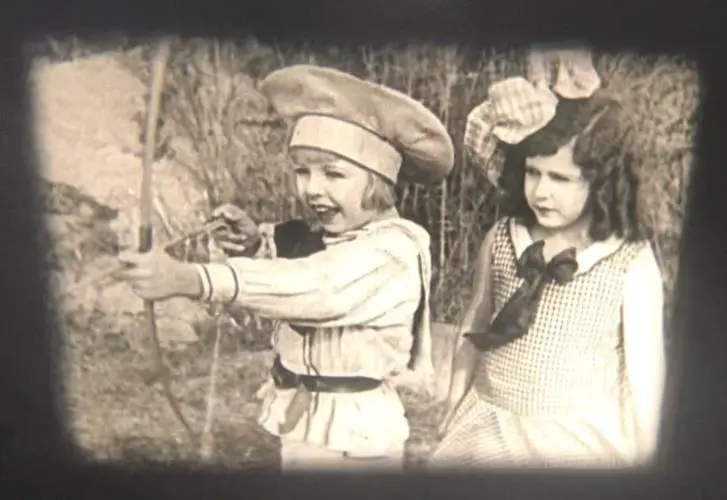
For film students, historians, or enthusiasts of silent cinema, it's essential viewing. It showcases early filmmaking techniques. It highlights the role of animal actors. It provides context for the industry's growth.
However, if you're looking for compelling storytelling, dynamic action, or intricate character arcs, you will be disappointed. This film is a historical document. Its value lies in its existence and what it represents. It's a quiet moment from a loud past.
"Buster's Hunting Party" is not a film to be judged by contemporary metrics of entertainment or storytelling. It is a historical document, a charming relic from a bygone era that offers invaluable insights into the very foundations of cinema. Its value lies not in its ability to thrill or surprise a modern audience, but in its capacity to transport us back to a time when the moving image itself was magic.
For those willing to set aside modern expectations and embrace its quaint simplicity, Buster's Hunting Party provides a delightful, if brief, journey into the past. It's a reminder of how far cinema has come, and a testament to the timeless appeal of a good dog on screen. While it won't be topping any 'best films ever' lists, its place in cinematic history is undeniable and, for the right viewer, profoundly rewarding.
IMDb 6.4
1926
Community
Log in to comment.