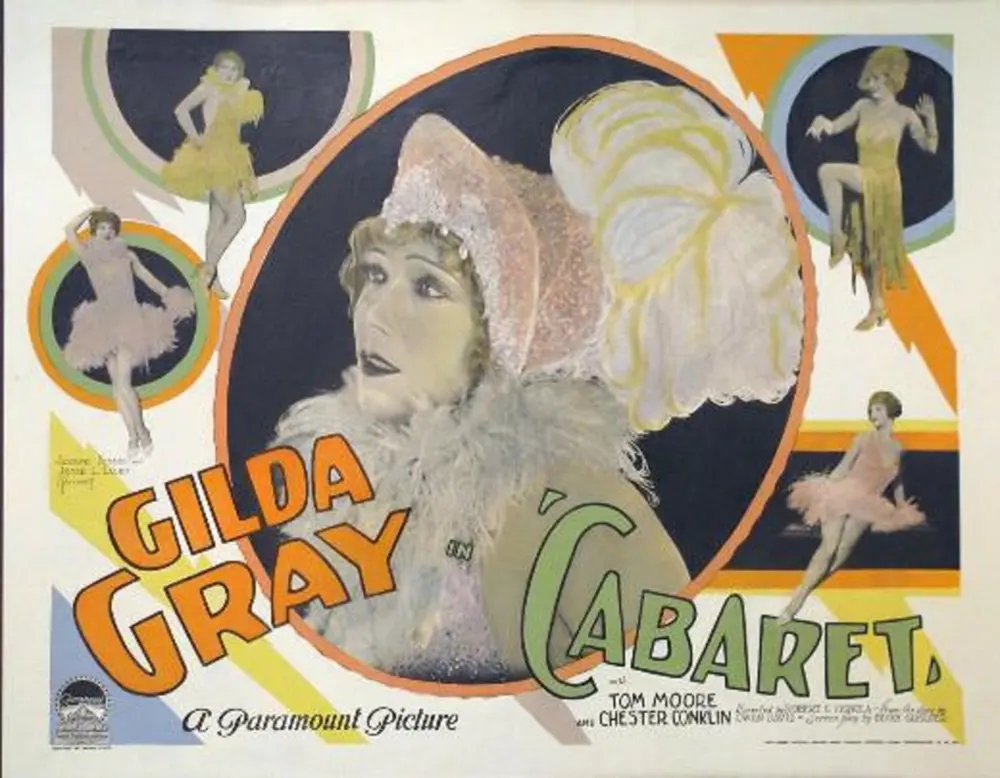
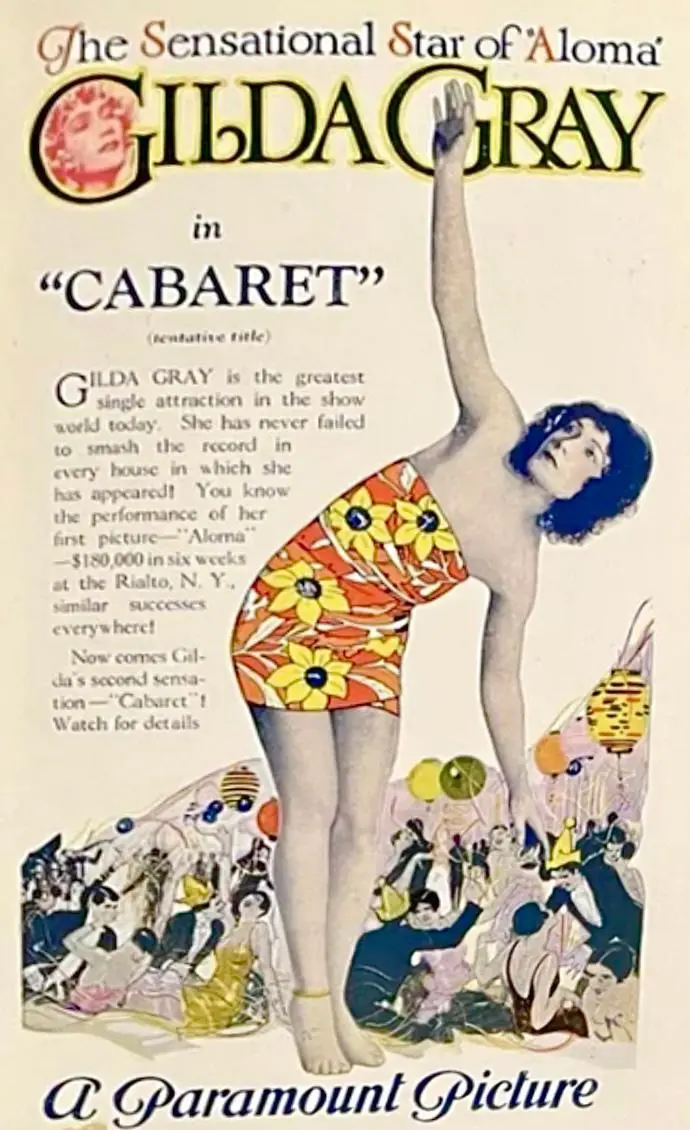
A definitive 1.7/10 rating for a film that redefined the boundaries of cult cinema. Cabaret remains a cornerstone of transgressive art.
Is Cabaret worth watching today? For silent film enthusiasts and those curious about early crime dramas, the answer is a resounding yes, though with notable caveats for a modern audience. This 1927 production, while not without its rough edges, offers a fascinating window into a bygone era of cinematic storytelling, brimming with a raw energy that transcends its lack of spoken dialogue.
This film is best suited for viewers who appreciate historical cinema, complex character studies unfurled through visual narrative, and those willing to engage with the unique artistry of the silent era. It is not for audiences seeking fast-paced action, modern dialogue, or polished, contemporary narrative structures without a historical lens. If you demand immediate gratification or find the conventions of silent film challenging, you might struggle to connect with its deliberate pacing.
Scene from Cabaret
Cinematic perspective: Exploring the visual vocabulary of Cabaret (1927) through its definitive frames.
Let's cut to the chase:
This film works because of its unflinching portrayal of urban desperation, anchored by compelling silent performances that convey profound emotion without a single spoken word. Its atmospheric visual language and morally ambiguous characters create a captivating, if somewhat bleak, world.
Scene from Cabaret
Cinematic perspective: Exploring the visual vocabulary of Cabaret (1927) through its definitive frames.
This film fails because its pacing occasionally sags, some narrative threads feel underdeveloped, and certain melodramatic conventions of the era might feel dated to contemporary eyes. It asks for patience that not all viewers are prepared to give.
You should watch it if you are a cinephile keen on understanding the genesis of the crime drama genre, if you cherish the expressive power of silent acting, or if you simply enjoy stories where loyalty and survival clash against the rigid demands of justice.
Scene from Cabaret
Cinematic perspective: Exploring the visual vocabulary of Cabaret (1927) through its definitive frames.
A Glimpse into the Silent Underworld: The Plot Reimagined
At its core, Cabaret is a stark narrative of ambition, survival, and the inescapable gravitational pull of one's origins. We follow Gloria Trask, a woman who has clawed her way out of the squalor of the East Side to become a dazzling star within Costigan's bustling nightclub. Her success, however, is a fragile veneer, constantly threatened by the shadows of her past.
Her world is complicated by two disparate figures: Tom Westcott, a detective whose moral compass is unyielding, and Sam Roberts, a gangster who embodies the very darkness Gloria sought to escape. Roberts’ entanglement with Gloria's brother, Andy, sets the stage for inevitable tragedy. Andy, trapped and threatened by Roberts’ insidious influence, finds himself cornered, leading to a desperate act of self-defense in Gloria’s private dressing room.
Scene from Cabaret
Cinematic perspective: Exploring the visual vocabulary of Cabaret (1927) through its definitive frames.
This pivotal moment ignites a tense procedural. Gloria, driven by an almost primal loyalty to her brother, orchestrates his escape aboard a South American liner, attempting to erase the crime from existence. But Westcott, a man for whom justice is paramount, is already on the trail. His relentless pursuit leads him to Blanche, Roberts’ girlfriend, a reluctant witness whose testimony is crucial. The film masterfully builds tension as Westcott, through sheer force of will and shrewd psychological tactics, peels back Blanche’s initial denials, forcing her to confront the truth: Roberts was armed, and Andy’s action, while fatal, was not murder but a desperate struggle for life. It’s a compelling reinterpretation of the classic crime setup, emphasizing the moral grey areas that define true grit.
Performances That Speak Volumes Without a Sound
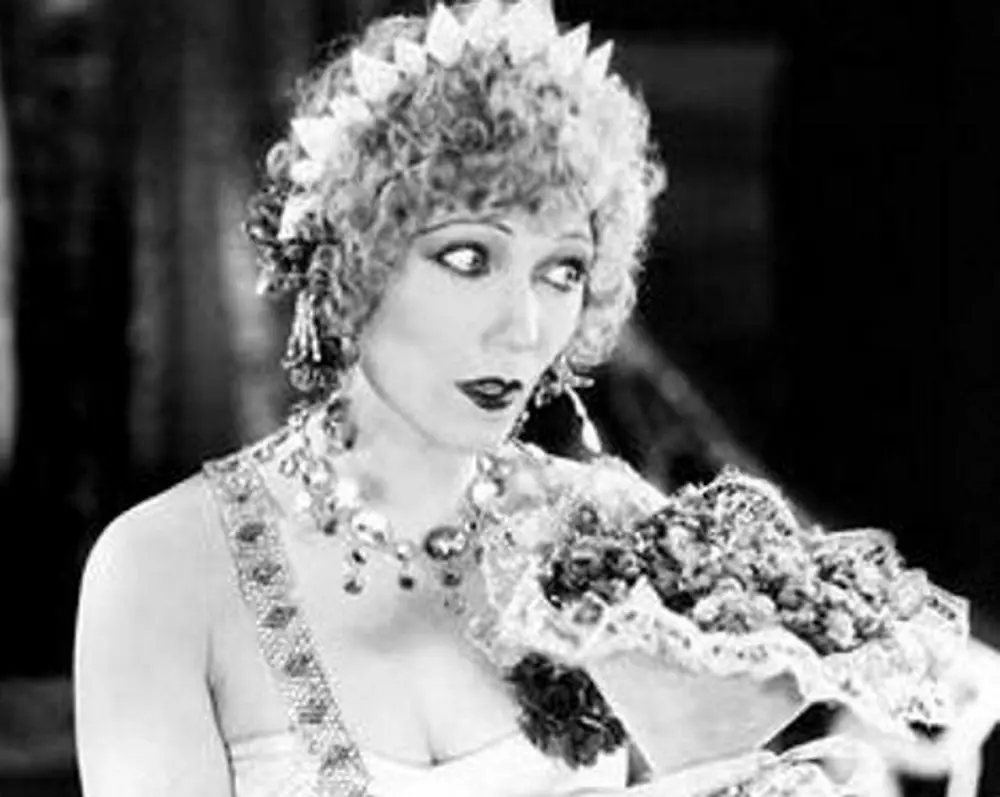
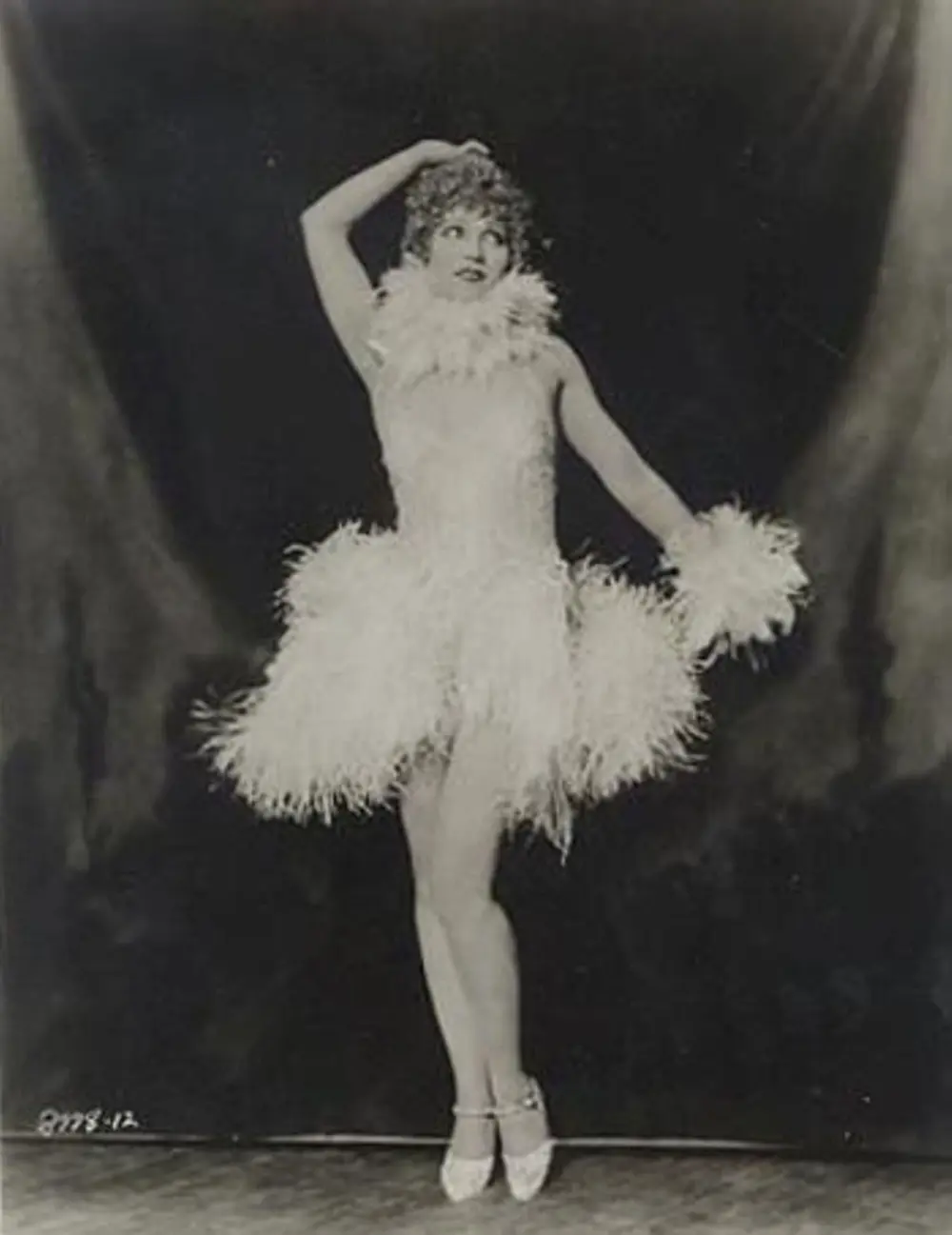
The success of any silent film hinges entirely on the expressive power of its cast, and Cabaret largely delivers. Gilda Gray, as Gloria Trask, commands the screen with a potent blend of glamour and vulnerability. Her transformation from an East Side waif to a nightclub sensation is conveyed not just through costume changes, but through her posture, her gaze, and the subtle shifts in her demeanor. One particularly memorable moment is her silent agony as she helps Andy escape, her face a canvas of conflicting emotions – fear, love, and a desperate hope for his survival.
Scene from Cabaret
Cinematic perspective: Exploring the visual vocabulary of Cabaret (1927) through its definitive frames.
Charles Byer, as Andy, embodies the tragic figure caught in circumstances beyond his control. His portrayal of growing desperation and fear is palpable, culminating in the visceral terror of the dressing room confrontation. Byer’s physical acting, particularly in moments of high stress, paints a vivid picture of a man pushed to his breaking point. It’s a performance that doesn’t just show emotion; it radiates it.
Tom Moore, as Detective Tom Westcott, offers a stoic yet determined presence. He’s the moral anchor, and Moore conveys Westcott’s unwavering commitment to truth through his firm jawline, piercing eyes, and deliberate movements. His interrogation scene with Blanche is a masterclass in silent psychological warfare, where every gesture and facial nuance speaks volumes. William Harrigan, as the menacing Sam Roberts, is suitably slimy and threatening, establishing a clear antagonist through his sneering expressions and intimidating physicality. While some of the supporting performances occasionally lean into the broader, more theatrical style common to the era, the central quartet largely grounds the film in a believable, if heightened, reality. Their collective ability to tell a complex story without dialogue is a testament to the era's unique acting demands, making the film a valuable study for anyone interested in the evolution of screen performance.
Direction, Cinematography, and the Art of Visual Storytelling
The directorial choices in Cabaret, helmed by an uncredited director, are instrumental in establishing its gritty, noir-like atmosphere. The film excels in its visual storytelling, using evocative sets and lighting to convey mood and narrative information. The contrast between the opulent, yet often