DbcultAccessing Vault...
Cult Review
Senior Film Conservator
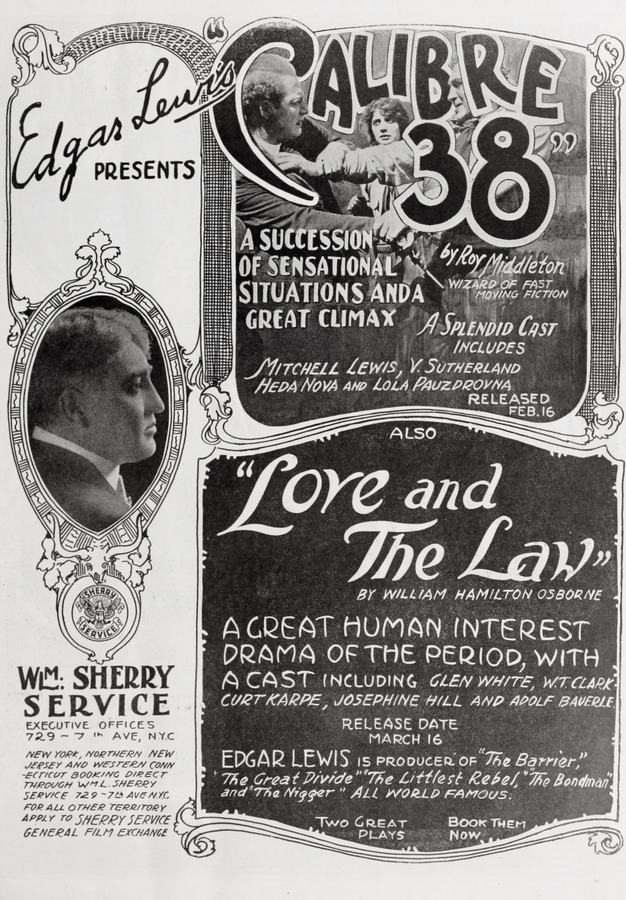
Stepping into the world of "Calibre 38" feels akin to unearthing a forgotten relic, a cinematic artifact that, despite its vintage, pulsates with an enduring relevance. This isn't merely a tale of the Old West; it's a profound exploration of human frailty, the corrosive nature of jealousy, and the relentless pursuit of truth in a landscape where justice often feels as untamed as the wilderness itself. From its opening frames, the film establishes a palpable sense of emotional turmoil, drawing the audience into a narrative tapestry woven with threads of betrayal, suspicion, and an unexpected blossoming of affection. It deftly navigates the treacherous waters of personal vendettas and societal expectations, painting a vivid portrait of a community grappling with the aftermath of a shocking crime.
The emotional bedrock of "Calibre 38" is laid bare with the initial heartbreak of Austin Brandt, a Montana cattleman whose steadfast world is dramatically upended by Rosemary's capricious decision to elope with the enigmatic Royce Greer. This early narrative beat is crucial, setting a tone of romantic disappointment that echoes throughout the film. Brandt, portrayed with a quiet dignity by Mitchell Lewis, embodies the archetype of the stoic Westerner, capable of enduring hardship but not immune to the sting of rejection. His subsequent solace found in the companionship of his 20-year-old niece, Joan, played by Hedda Nova, introduces a tender, almost paternal affection that subtly hints at future possibilities, yet remains untainted by any impropriety. This relationship is a critical counterpoint to the tumult that follows, representing a haven of genuine connection amidst escalating chaos. It's a nuanced portrayal of familial comfort evolving into something deeper, a quiet understanding that blossoms organically.
Rosemary's eventual return to Custer City, not as a repentant lover but as the proprietor of a dance hall alongside her husband, Greer, adds another layer of complexity. This transformation, from a woman who once spurned Brandt to one now seemingly trapped in a loveless, even abusive, marriage, is a poignant commentary on the choices made and the paths regretted. Her husband, Royce Greer (Victor Sutherland), is immediately established as a character shrouded in menace, his mistreatment of Rosemary serving as a clear indicator of his volatile nature. This dynamic intensifies the emotional landscape, creating a sense of foreboding that permeates their every interaction. The film masterfully uses this marital discord not just as character development but as a looming shadow, hinting at the darker undercurrents that will soon engulf the entire town.
The narrative truly ignites with the arrival of Eastern capitalist Robert Barton and his son, Ford. Their presence is initially framed around a financial misunderstanding with Brandt, a common enough conflict in the burgeoning frontier towns where land and wealth were often contested. However, the film quickly pivots from this economic dispute to a far more sinister event. Following a sharp reprimand delivered to his son, Robert Barton is discovered dead in his bed, a sudden and shocking development that plunges the community into a maelstrom of suspicion. This pivotal moment is expertly handled, immediately establishing an intricate web of potential motives and conflicting accusations. The suddenness of Barton's death, coupled with the preceding argument, casts an immediate pall over Brandt, making him an obvious, albeit potentially innocent, suspect in the eyes of the distraught Ford.
The immediate aftermath sees the community fracturing. Ford Barton (William A. Williams), consumed by grief and a sense of injustice, initially points the finger at Brandt, a logical conclusion given the recent financial animosity. Yet, an opposing faction, led by the opportunistic and malevolent Greer and his gang, swiftly redirects blame, accusing Ford himself of patricide. This rapid shift in accusations highlights the volatile nature of frontier justice, where rumor and personal vendetta can quickly overshadow reasoned investigation. The film, through these conflicting claims, underscores the precariousness of reputation and the ease with which one can be condemned without substantial evidence. It’s a compelling portrayal of a society on the cusp of civilization, where the rule of law is still nascent and often swayed by powerful, self-serving individuals. The ambiguity surrounding the initial accusations is a stroke of narrative genius, keeping the audience guessing and invested in the unfolding mystery.
Convinced of his own innocence and desperate to clear his name, Ford makes a courageous and somewhat unexpected appeal to Brandt for assistance in uncovering the true murderer. This alliance, born out of necessity rather than pre-existing camaraderie, forms the central investigative thrust of the film. It's a classic Western trope, the reluctant partnership, but here it's imbued with a deeper psychological resonance, as both men are outsiders in their own ways – Brandt, the jilted lover, and Ford, the Easterner thrust into a brutal frontier reality. Their joint inquiry quickly yields a crucial piece of evidence: Robert Barton was shot with a .38 caliber bullet. This detail, seemingly innocuous, becomes a powerful clue, leading directly to Greer, who is known to carry such a revolver. The film meticulously builds this connection, allowing the audience to piece together the puzzle alongside the protagonists, enhancing the sense of collaborative discovery.
The tension escalates dramatically as Greer's mob, a menacing force representing the lawless element of Custer City, storms Brandt's house, demanding Ford be handed over. This confrontation is a masterclass in suspense, pitting Brandt's moral fortitude against the sheer brute force of Greer's gang. It's in this crucible of danger that Brandt truly shines, transforming from the heartbroken cattleman into a resolute defender of justice. His steadfast refusal to surrender Ford, coupled with his shrewd interrogation, ultimately forces a confession from Greer. This climactic scene is a testament to the power of conviction and the triumph of truth over intimidation. Greer's subsequent dragging away by the authorities signifies not just the resolution of the murder mystery but also a symbolic cleansing of the town, albeit a temporary one, from his corrupting influence. The film, in this sequence, beautifully encapsulates the struggle for order in a chaotic world.
With Greer’s culpability undeniably established, the narrative gracefully shifts its focus to the emotional fallout and the burgeoning relationships that emerge from the ashes of tragedy. Rosemary, now free from the tyrannical grasp of her deceased husband, makes a decisive departure from Custer City. Her farewell note, a poignant confession of her enduring love for Brandt, adds a bittersweet layer to the proceedings. It’s a testament to the enduring power of first loves and the paths not taken, offering Brandt a measure of closure and perhaps a quiet vindication. This revelation, while not leading to a direct reunion, underscores the film's exploration of complex romantic entanglements and the lingering impact of past decisions. It's a mature handling of a potentially melodramatic plot point, choosing emotional realism over a facile happy ending for all.
In contrast to Rosemary's departure, a new, hopeful chapter begins for Joan and Ford. Their journey from initial acquaintances to partners in a shared quest for justice has forged an unbreakable bond. The film culminates in their finding happiness together, a resolution that feels earned and genuinely heartwarming. This new romance represents the triumph of purity and resilience over the darkness that had pervaded the town. It’s a classic narrative arc, where the innocent find their reward and a new generation looks towards a brighter future. The ending of "Calibre 38" is not merely a wrap-up of plot points; it's a statement about the enduring human capacity for connection and renewal, even in the face of profound adversity. It leaves the audience with a sense of optimism, a belief that even in the rugged, often brutal, landscape of the Old West, love and justice can ultimately prevail.
The strength of "Calibre 38" lies not just in its intricate plot but in its richly drawn characters. Mitchell Lewis, as Austin Brandt, delivers a performance of remarkable depth, portraying a man capable of profound sorrow, steadfast loyalty, and quiet heroism. His transformation from a jilted lover to a determined truth-seeker is both believable and compelling. Hedda Nova imbues Joan with a spirited innocence that evolves into mature strength, making her character's eventual happiness with Ford feel genuinely deserved. Victor Sutherland's Royce Greer is a chilling antagonist, a man whose casual cruelty and ambition drive much of the film's conflict. His portrayal is nuanced enough to avoid caricature, presenting a figure whose menace is both external and deeply internal. William A. Williams, as Ford Barton, effectively conveys the Easterner's initial naiveté and subsequent hardening, his journey from suspicion to trust being a central emotional arc.
Mary Carr, as Rosemary, navigates a complex emotional landscape. Her character is not simply a femme fatale or a damsel in distress; she is a woman caught between past affections and a harsh present, her ultimate confession a testament to the lingering power of true love. Even the minor characters, like Edward Roseman and Lola Pauzdrovna, contribute to the rich tapestry of Custer City, adding authenticity to the frontier setting. The ensemble cast, under the direction inferred from Roy Middleton's astute writing, creates a believable and engaging world, where every individual plays a crucial role in the unfolding drama. Their interactions, whether tender or tense, propel the narrative forward with an undeniable momentum, making the stakes feel consistently high.
"Calibre 38" transcends its genre trappings to explore universal themes that resonate far beyond the dusty plains of Montana. At its heart, it is a profound meditation on the nature of justice, particularly in a nascent society where formal legal structures are still finding their footing. The film contrasts the impulsive, often violent, brand of justice sought by Greer and his gang with the more methodical, truth-seeking approach taken by Brandt and Ford. It implicitly argues for the superiority of reasoned investigation and moral conviction over mob rule and personal vendetta. This struggle for legitimate justice against lawlessness is a recurring motif in Westerns, but "Calibre 38" articulates it with a particular clarity and urgency.
Beyond justice, the film delves into the complexities of human relationships and the various forms love can take. The unrequited, yet enduring, love of Brandt for Rosemary, the burgeoning innocent affection between Joan and Ford, and the toxic, abusive dynamic between Rosemary and Greer all contribute to a multifaceted examination of romantic and familial bonds. It highlights how love can be a source of both profound joy and immense sorrow, shaping destinies and driving actions. The film also subtly touches upon the clash between the established East and the untamed West, personified by Ford Barton's journey of adaptation and understanding. This cultural friction adds another layer of depth, symbolizing the broader societal changes occurring during that era.
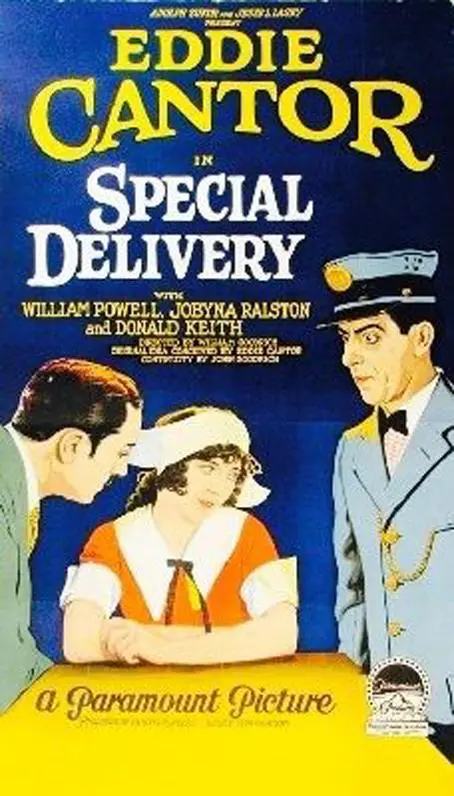
Comparing its thematic approach to contemporaries, one might find echoes of the psychological drama prevalent in films like The Suspect, where the weight of accusation and the search for truth drive the narrative. The romantic complexities and the idea of a woman caught between two men can be seen in films such as The Bachelor's Romance, though "Calibre 38" imbues its romance with a darker, more perilous backdrop. The frontier setting and the struggle against lawlessness resonate with the rugged spirit found in The Call of the North, but here it's intertwined with a domestic drama and a murder mystery that elevates it beyond a simple adventure tale. The film masterfully blends these elements, creating a unique and compelling narrative that stands on its own merits.
While specific directorial credits beyond the writer are not detailed, the film's narrative coherence and emotional impact suggest a thoughtful hand at the helm. The visual language, typical of the era, likely relies on expressive acting, clear staging, and perhaps the evocative use of natural landscapes to convey mood and atmosphere. One can imagine the stark beauty of the Montana plains serving as a silent, yet powerful, character, reflecting the harsh realities and the potential for new beginnings within the story. The pacing of the mystery, from the initial shock to the methodical investigation and the dramatic confrontation, is expertly managed, ensuring that suspense never wanes. The film understands the power of visual cues, from the glint of a revolver to the subtle expressions of fear or determination on an actor's face, to advance the plot and deepen character understanding.
The use of close-ups to capture the emotional turmoil of Brandt or the calculating menace of Greer would have been crucial in conveying the film's psychological depth. Similarly, wider shots establishing the isolation of the frontier or the bustling, yet dangerous, atmosphere of Custer City would have contributed significantly to the world-building. Even without explicit details on cinematography or editing, the narrative's effectiveness speaks volumes about the overall craftsmanship. It avoids the pitfalls of melodrama, opting instead for a grounded, albeit heightened, portrayal of human drama. The film's ability to maintain a delicate balance between romance, mystery, and Western action is a testament to its well-conceived structure and execution.
"Calibre 38" stands as a compelling testament to the storytelling prowess of early cinema. It’s a film that, despite its age, offers a rich narrative experience, replete with complex characters, a gripping mystery, and resonant emotional arcs. Roy Middleton’s writing is the backbone, crafting a tale that is both thrilling and deeply human. The performances across the board, particularly from Mitchell Lewis and Victor Sutherland, elevate the material, making their characters’ struggles and triumphs feel genuinely impactful. It’s a film that reminds us that the foundational elements of compelling drama – love, betrayal, justice, and redemption – are timeless, capable of captivating audiences across generations.
For those who appreciate the nuanced storytelling of classic Westerns and the intricate dance of a well-executed mystery, "Calibre 38" is an absolute must-see. It’s more than just a period piece; it’s a vibrant, living narrative that continues to speak to the enduring spirit of the frontier and the universal search for truth and connection. It solidifies its place not just as a historical curiosity, but as a genuinely engaging cinematic experience that deserves to be rediscovered and celebrated. Its legacy lies in its ability to blend genre conventions with a keen insight into the human condition, making it a truly remarkable entry in the annals of early American cinema. Its intricate plot, memorable characters, and satisfying resolution ensure its enduring appeal, positioning it as a standout example of its era.
IMDb —
1926
Community
Log in to comment.