DbcultAccessing Vault...
Cult Review
Senior Film Conservator
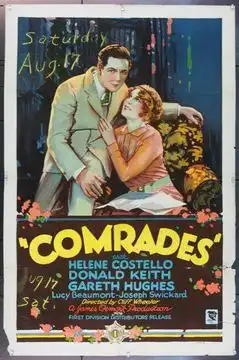
Look, if you're coming to Comrades expecting anything resembling modern pacing or nuanced performances, you're going to have a rough time. This one is for the dedicated, for those who find a strange beauty in the clunky gears of early cinema, or maybe just really like watching actors try to convey profound despair with only their eyebrows. It's a curiosity, absolutely, but not one for a casual Tuesday night viewing. If you're into the mechanics of how stories were told back then, or just want to see Helene Costello really go for it, then maybe, just maybe, give it a shot.
The film opens with this incredibly drawn-out sequence of villagers just… walking. And walking. It’s meant to establish the dreary setting, I guess, but it feels like ten minutes before anything actually happens. You start to wonder if the projectionist accidentally put in a loop. Then Josef Swickard appears, and you expect things to pick up, but he just adds another layer of slow, deliberate movement to the mix. It sets a tone, sure, but also tests your patience right from the jump.
Helene Costello, though. She’s giving it her absolute all. There’s a scene where her character, Anya, discovers the betrayal, and the camera just pushes in on her face. Her eyes are wide, then narrow, then wide again, and her hands fly up to her mouth. It’s pure melodrama, but you can’t look away. It’s so earnest it almost becomes genuinely moving. Almost. Then Leon Janney comes in with his perpetually furrowed brow, and any subtlety just evaporates. He’s got one expression for 'concerned' and another for 'deeply concerned,' and that’s about it.
There’s a bizarre jump cut around the 40-minute mark, right when the 'comrades' are having their big argument in the dusty town square. One moment, James Lloyd is pointing dramatically, the next he’s suddenly three feet to the left, still mid-gesture. It pulls you right out. You wonder if a reel was damaged or if it was just a choice. A bad choice. It's the kind of moment that makes you pause, rewind, and then shrug, because what else can you do?
And the costumes. Enis Beyer’s character, the sort of village elder type, wears this impeccably clean, almost theatrical waistcoat throughout the entire film, even when everyone else looks like they’ve been dragged through a hedge backward. It just stands out. It makes you question the reality they’re trying to build, even in a film already operating on its own strange logic. It's like no one told him they were filming a gritty drama.
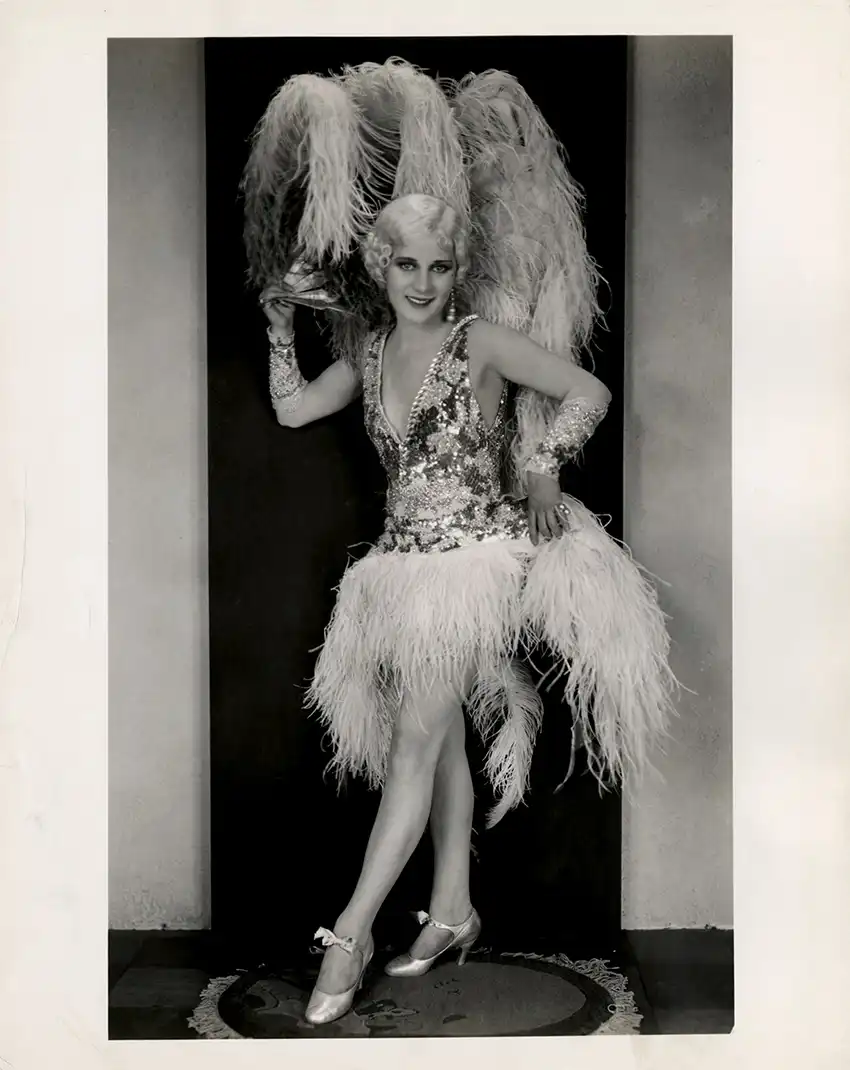
The crowd scenes have this oddly empty feeling, like half the extras wandered off for a snack break. You see a handful of people in the background, but they’re often just standing there, looking a bit bored. It makes the 'struggling community' feel less like a community and more like a few people who happened to be around when the camera rolled.
Despite all the clunkiness, there’s this quiet scene where Lucy Beaumont’s character, the old woman, is just sitting by a window, looking out at nothing. No intertitle, no dramatic music. Just her, framed against the light. It’s maybe thirty seconds, but it packs more emotional weight than the preceding half-hour of shouting and hand-wringing. A genuine moment of stillness that feels earned, almost accidental in its beauty. It reminds you of some of the more effective, understated moments in The Glory of Youth, though that film had a much firmer grasp on its emotional core.
The film tries to pivot from stark realism to almost slapstick during a chase sequence involving a horse and cart. One minute it’s all about the crushing weight of poverty, the next the cart wheel is comically falling off and Gareth Hughes is flailing his arms. It’s a jarring shift, and frankly, it just doesn’t land. It feels like two different movies stitched together, and not in a clever, postmodern way. Just a messy way.
You spend a lot of time just watching the background in this movie. The way the light hits the dusty streets, the expressions of the non-speaking extras who occasionally look directly into the camera. It’s less about the plot and more about these little accidental glimpses into another time. It’s frustrating, sure, but also kind of fascinating in its own way. You can almost feel the movie trying to convince you this moment matters, even when the execution is a bit off.
So, is Comrades a masterpiece? Absolutely not. Is it a historical curiosity with some genuinely baffling choices and a few accidental moments of beauty? Yeah, I think so. You won’t remember the plot, but you might remember that one strange jump cut, or Helene Costello’s eyes. Maybe even that clean waistcoat. It’s a film that leaves you with more questions than answers, and not always in a good way, but it certainly leaves an impression.
IMDb 6.5
1926
Community
Log in to comment.