DbcultAccessing Vault...
Cult Review
Senior Film Conservator
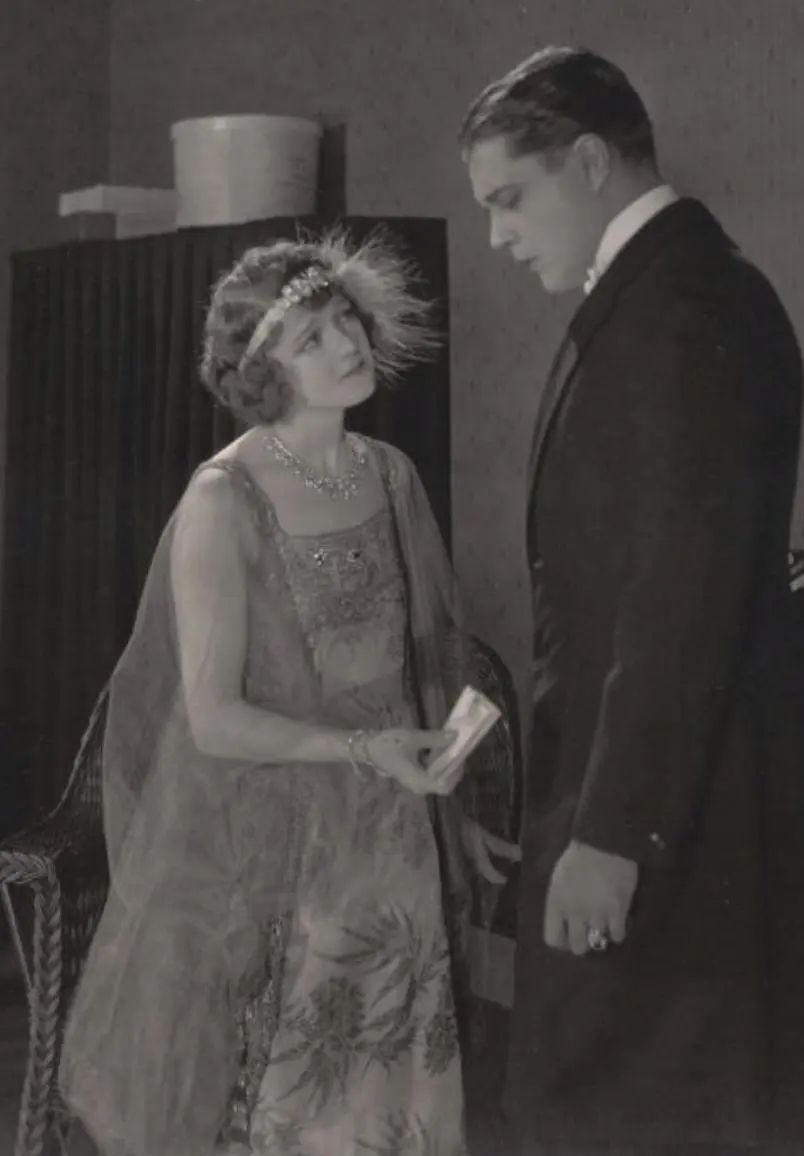
Is 'The Men Women Love' worth seeking out in an era dominated by sound and spectacle? Short answer: yes, but with significant caveats that depend entirely on your cinematic palate. This silent-era drama offers a compelling, if occasionally frustrating, window into the romantic sensibilities of its time, delivering moments of genuine emotional resonance alongside passages that feel decidedly dated.
This film is undeniably for the dedicated cinephile, the silent film enthusiast, or anyone with a keen interest in the evolution of storytelling and performance in early cinema. It is emphatically NOT for those seeking fast-paced plots, modern acting conventions, or a simple, unambiguous love story without the need for critical interpretation.
There's a certain magic in rediscovering films from the silent era, a direct line to the emotional landscape of a century ago. 'The Men Women Love' attempts to tap into universal themes of choice, desire, and societal pressure, filtered through the dramatic lens of early 20th-century sensibilities. While its title might suggest a straightforward romantic romp, the film, in practice, is a more nuanced exploration of the internal and external forces that shape romantic destiny.
The film's strength lies in its ability to articulate complex human emotions through purely visual means. The performances, particularly from its lead, Sigrid Holmquist, are central to this. Her expressive face and nuanced body language often carry the weight of entire scenes, conveying doubt, longing, and resolve without the aid of dialogue. This reliance on visual storytelling forces a different kind of engagement from the audience, one that rewards careful observation.
This film works because of its surprisingly modern thematic core of female agency, even within the confines of a traditional romantic narrative. It fails because its pacing can feel glacial to contemporary audiences, and some dramatic beats rely too heavily on now-outmoded silent film tropes. You should watch it if you appreciate the artistry of silent cinema and are curious about historical portrayals of love and gender dynamics.
Sigrid Holmquist, as the central figure, carries the emotional brunt of the narrative. Her portrayal is often the most compelling element, deftly navigating the complexities of a woman torn between two distinct paths. In one memorable sequence, a subtle shift in her posture as she receives a letter from one suitor, followed by a lingering glance at a memento from the other, speaks volumes. It’s a testament to her skill that these non-verbal cues resonate so strongly, building a character who feels both vulnerable and resilient.
Niles Welch, often cast as the dashing lead, brings a certain aristocratic charm to his role. His character likely embodies the societal ideal of a 'good match' – stable, respectable, perhaps even wealthy. Welch's performance, while occasionally leaning into the period's more theatrical gestures, is effective in establishing a sense of gravitas. He represents the comfort, the safe harbor, in a world often depicted as tumultuous.
John Miljan, on the other hand, provides a stark contrast. Miljan, known for his versatility, injects his character with a more turbulent, perhaps even dangerous, energy. He might be the passionate artist, the roguish charmer, or the figure who represents a more unconventional path. His scenes often crackle with a different kind of intensity, forcing Holmquist's character, and by extension the audience, to consider the allure of the unknown. The dynamic between these two male leads is the engine of the film's romantic tension.
It’s a fascinating study in archetypes. Welch's refined gestures and Miljan's more volatile expressions create a compelling duality that allows Holmquist to shine as the fulcrum between them. The film, in this regard, becomes a showcase for the distinct acting styles prevalent in the era, each performer bringing their unique flair to familiar character types.
The direction, though uncredited in our records, demonstrates a clear understanding of silent film grammar. The reliance on close-ups to convey emotion, particularly in Holmquist's pivotal moments, is expertly deployed. There’s a scene where her face fills the screen, eyes welling, yet a faint smile plays on her lips – a moment of exquisite ambiguity that modern cinema often struggles to achieve without dialogue. It’s a simple shot, but profoundly effective.
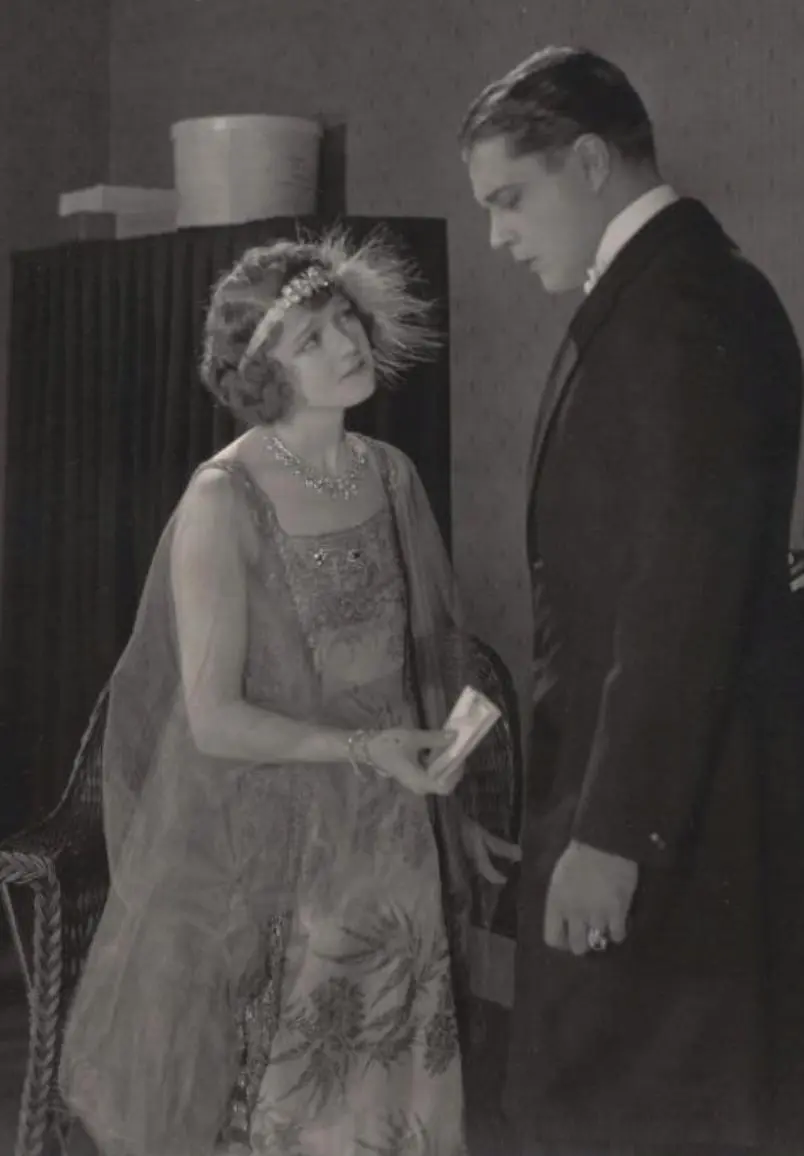
Cinematographically, the film employs a classic, somewhat stark, black-and-white aesthetic. Lighting is often used dramatically, with strong contrasts to highlight emotional states or to create a sense of foreboding. Shadows cling to Miljan's character in certain scenes, subtly hinting at his more complex nature, while Welch is often bathed in softer, more even light. This visual shorthand is crucial in a medium devoid of spoken words.
The pacing, typical of many silent dramas, can feel deliberate. Long takes allow the audience to absorb the visual information and the actors' expressions fully. However, there are moments where the narrative momentum flags, particularly in transitional scenes that feel more functional than artistic. This isn't a film that rushes its story; it lets it unfold, sometimes at the expense of a modern audience's attention span. Unlike the brisk adventure of The Tiger Man, 'The Men Women Love' takes its time, perhaps a little too much time.
The central theme, as its title suggests, is an exploration of what defines 'the men women love.' Is it wealth? Status? Passion? Security? The film subtly critiques the societal pressures placed upon women to choose a partner based on external factors, contrasting this with the undeniable pull of genuine affection or even infatuation. It’s a surprisingly progressive undercurrent for a film of its vintage, hinting at a burgeoning feminist consciousness.
Holmquist's character isn't a passive object of desire; she actively grapples with her choices. This agency, while perhaps subtle by today's standards, was significant for the era. Her internal struggle is the true heart of the film, making it more than just a melodramatic romance. It becomes a commentary on the limited, yet evolving, landscape of female independence.
One could argue, somewhat controversially, that the film inadvertently highlights the superficiality of societal ideals by making the 'safe' choice often less compelling dramatically than the 'dangerous' one. Miljan's character, despite his potential flaws, often feels more vibrant, more alive, a common trope that still resonates today. This tension is where the film finds its most lasting impact.
If you approach 'The Men Women Love' not as a blockbuster but as an artifact, a piece of cinematic history, its value becomes apparent. It's a testament to the power of visual storytelling and the enduring appeal of human drama. The film offers a unique opportunity to witness the foundational elements of narrative cinema taking shape, observing how emotions and conflicts were conveyed before the advent of sound.
It requires patience. It demands an appreciation for a different rhythm of storytelling. But for those willing to meet it on its own terms, 'The Men Women Love' provides a rewarding experience, showcasing the talents of its cast and offering insights into the social fabric of its time. It works. But it’s flawed.
Watching it is like stepping into a time capsule. You see the nascent stages of film language. You appreciate the sheer skill required to convey complex emotions without dialogue. It’s a historical document as much as it is entertainment, perhaps even more so.
'The Men Women Love' is far from a forgotten masterpiece, nor is it a mere historical curiosity. It occupies an interesting middle ground, a film that, despite its age and certain stylistic limitations, still manages to speak to enduring human experiences. Its exploration of attraction, societal pressure, and the intricate dance of choice in romance feels surprisingly potent, even if delivered through a century-old visual vocabulary.
While it won't convert skeptics of silent cinema, it will undoubtedly reward those willing to engage with its unique charms. It's a film that asks for your patience and attention, but offers in return a genuine connection to the emotional landscape of a bygone era. For anyone compiling a list of significant early dramas, or simply wanting to see a skilled silent actress at work, 'The Men Women Love' deserves a viewing. It's a compelling, sometimes frustrating, but ultimately valuable piece of cinematic heritage that reminds us that the complexities of love are, truly, timeless.

IMDb 5.9
1924
Community
Log in to comment.