DbcultAccessing Vault...
Cult Review
Senior Film Conservator
Is 'Call a Cab' worth watching today? Short answer: surprisingly, yes, but with significant caveats. This film is a curious artifact for silent film enthusiasts, historians of early American comedy, and those with an appreciation for slapstick's foundational elements. It is decidedly not for viewers seeking modern pacing, sophisticated narrative, or high production values.
For the casual viewer, the film's charms may be elusive, buried beneath layers of historical context and a comedic style long out of fashion. Yet, for those willing to engage with its particular brand of humor, there are genuine insights into the birth of American screen comedy.
Before we delve deeper, let's lay out the core facts:
At its core, 'Call a Cab' is a simple premise stretched to its comedic limits: the cutthroat world of competing taxi companies. In an era before ride-sharing apps and streamlined logistics, the streets were a battleground, and this film captures that chaos with a gleeful, exaggerated abandon. It's less a narrative and more a series of escalating gags, a blueprint rather than a fully realized structure.
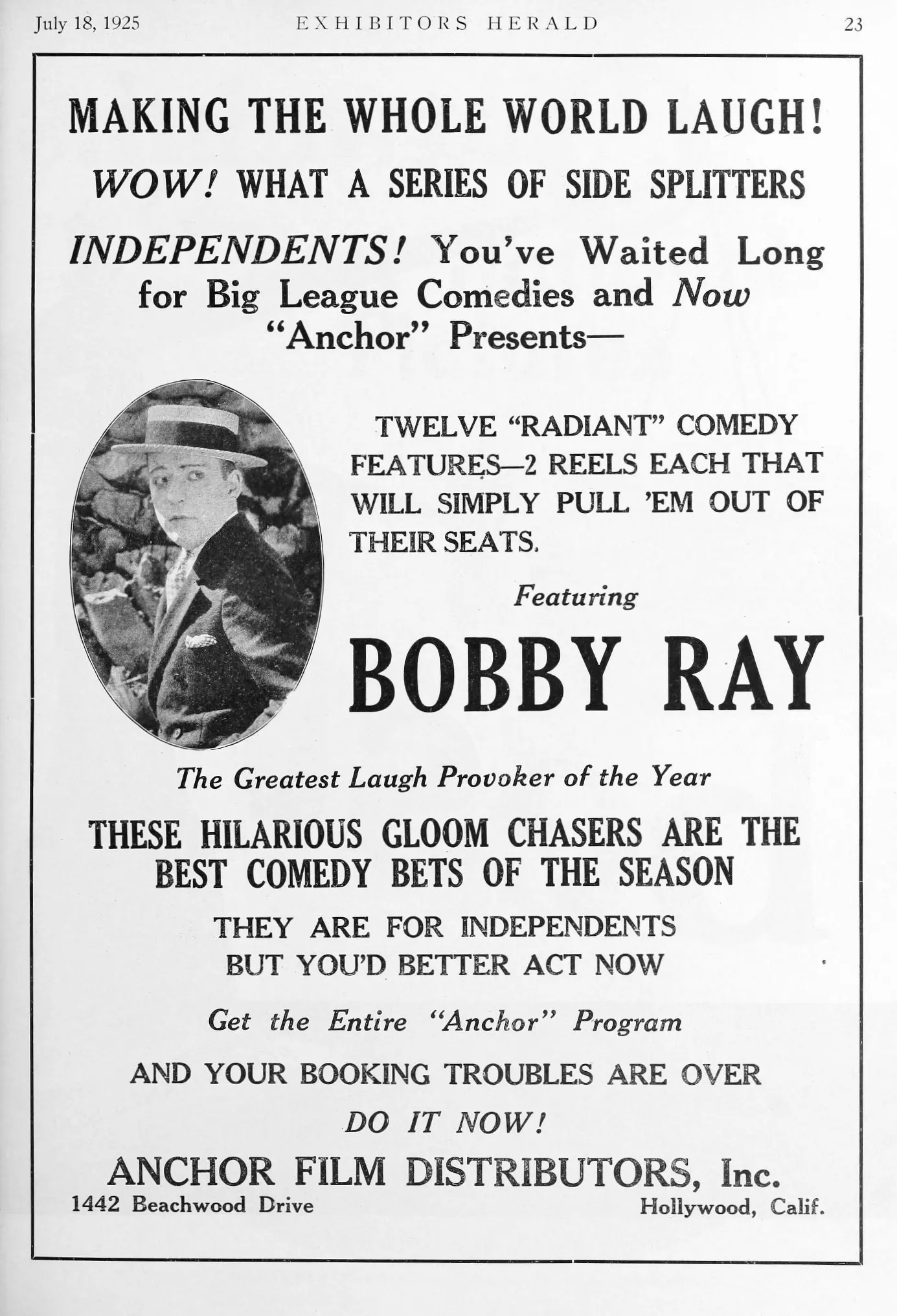
The film doesn't bother with character development or intricate subplots. Instead, it throws its drivers, played by Frank Coghlan Jr. and Bobby Ray, into a relentless chase for fares. Each interaction is a mini-drama of competitive one-upmanship, from literal fender-benders to more elaborate schemes to hijack customers. One particularly memorable sequence involves a passenger being practically kidnapped from one cab to another, highlighting the desperate measures these drivers would take. This kind of physical comedy, while rudimentary, speaks to a direct, visceral humor that predates sophisticated dialogue.
What's fascinating is how the film, despite its comedic intent, inadvertently captures the nascent chaos of urban development and the wild west mentality of early entrepreneurialism. The streets are a free-for-all, and the taxi drivers are its gladiators, fighting for every penny. It’s a snapshot of a specific time and place, filtered through the lens of burlesque, offering a glimpse into the anxieties and absurdities of a rapidly modernizing society.
While some might dismiss 'Call a Cab' as mere archival curiosity, I contend that its raw, untamed energy offers a more honest reflection of early cinematic ambition than many more polished, but ultimately less daring, contemporaries. It’s a film that isn't afraid to be loud, messy, and entirely unsubtle, much like the industry it parodies.
Frank Coghlan Jr. and Bobby Ray, the film's central performers, embody the energetic, almost manic spirit required for silent slapstick. Their performances are less about nuanced acting and more about physical prowess and exaggerated facial expressions. Coghlan, in particular, demonstrates a youthful exuberance, often seen flailing or contorting his body to convey frustration or triumph.
Their acting style is typical of the era, relying heavily on pantomime and broad gestures to communicate emotion and intent without the aid of dialogue. There's a particular scene where Coghlan attempts to literally pull a fare out of a rival's cab, a moment that relies entirely on his physical comedy and frantic gesticulations to sell the humor. It's effective for its time, but modern viewers accustomed to subtle performances might find it jarringly over-the-top.
Bobby Ray complements Coghlan with a similar commitment to the physical. Their rivalry feels genuine through their shared commitment to the comedic chase, even if their characters are little more than archetypes. They are the everyman drivers, struggling for survival, and their shared plight, despite their competition, creates a strange kinship that underpins the burlesque.
Compared to the more refined physical comedy of a Buster Keaton or Charlie Chaplin, Coghlan and Ray's work here feels more improvisational and less choreographed. This isn't a critique of their talent, but rather an observation of the film's overall aesthetic. It's raw. It’s unpolished. It’s a testament to the early days when comedic performance was still finding its footing, often relying on sheer force of personality and boundless energy, much like the frantic pace of Henpecked and Pecked Hens from a similar period.
The direction in 'Call a Cab' is functional, serving primarily to capture the action and keep the pace brisk. There's little in the way of innovative camera work or complex staging. The focus is on clarity: showing the gags, the chases, and the reactions. This is a film that prioritizes immediate comedic impact over artistic flourishes.
The cinematography, as expected for a film of this vintage, is straightforward. Shots are often static, capturing the full scope of the action without much movement from the camera itself. Close-ups are used sparingly, usually to highlight a particularly exaggerated facial expression or a key comedic prop. The lighting is naturalistic, often relying on available daylight, which gives the outdoor scenes an authentic, if somewhat flat, appearance.
One could argue that this simplicity is part of the film's charm. It’s a direct window into how films were made before the advent of elaborate cranes, dollies, and complex editing techniques. The lack of visual sophistication forces the humor to come from the performances and the inherent absurdity of the situations. For instance, a long shot of two cabs furiously swerving through traffic, almost colliding, is effective not because of dynamic camera angles, but because the sheer audacity of the stunt is visible and immediate.
While it won't be lauded for its visual innovation, 'Call a Cab' nonetheless offers valuable insight into the practicalities of early filmmaking. It shows how directors, with limited tools, still managed to convey excitement and humor. It’s a foundational text, not a polished film, much like the foundational, often overlooked, works such as The Eternal Magdalene, which also tells us a lot about its era's sensibilities.
The pacing of 'Call a Cab' is relentless, almost manic. From the moment the rivalry is established, the film rarely slows down. It's a series of short, punchy scenes, each building on the previous one's comedic energy. This rapid-fire approach is typical of early slapstick, designed to keep audiences engaged through constant motion and escalating absurdity.
However, this relentless pace can also be its undoing for modern viewers. Without much narrative variation, the film risks feeling repetitive. The gags, while initially amusing, sometimes blend into one another, creating a sense of comedic fatigue. It’s a film that demands a certain tolerance for its singular focus on physical comedy and competitive antics.
The tone is purely lighthearted burlesque. There are no dramatic stakes, no underlying tension beyond the immediate comedic conflict. The film exists solely to entertain through laughter, avoiding any deeper emotional resonance. This unwavering commitment to humor, even at the expense of character depth or plot complexity, is both its strength and its limitation.
It works. But it’s flawed. The charm lies in its earnestness and its unpretentious delivery of gags. It’s a film that doesn't try to be anything more than it is: a simple, amusing take on a commonplace urban phenomenon. This directness, while perhaps simplistic by today’s standards, provides a fascinating contrast to the more intricate narrative structures that would emerge in later decades.
Yes, but with specific expectations. This film is an important historical document. It shows early comedic sensibilities. It demonstrates foundational slapstick. Modern audiences might find it slow or repetitive. Its humor is broad and physical. It lacks modern narrative depth. For scholars of silent cinema, it's a valuable piece. For casual viewers, it might feel like a chore. Its primary value is educational, offering a window into a bygone era of filmmaking and humor.
'Call a Cab' is not a film for everyone, nor does it pretend to be. It is a time capsule, a boisterous, if somewhat unrefined, relic of early American comedy. Its value lies not in its ability to entertain a broad modern audience, but in its historical significance and its candid portrayal of a specific cultural moment through the lens of burlesque. For those willing to approach it as an academic exercise or a deep dive into the roots of screen humor, it offers genuine, if fleeting, rewards. It's a bumpy ride, but one that offers a unique perspective on where cinema began its journey of making us laugh.
IMDb —
1928
Community
Log in to comment.