DbcultAccessing Vault...
5.6/10
Senior Film Conservator
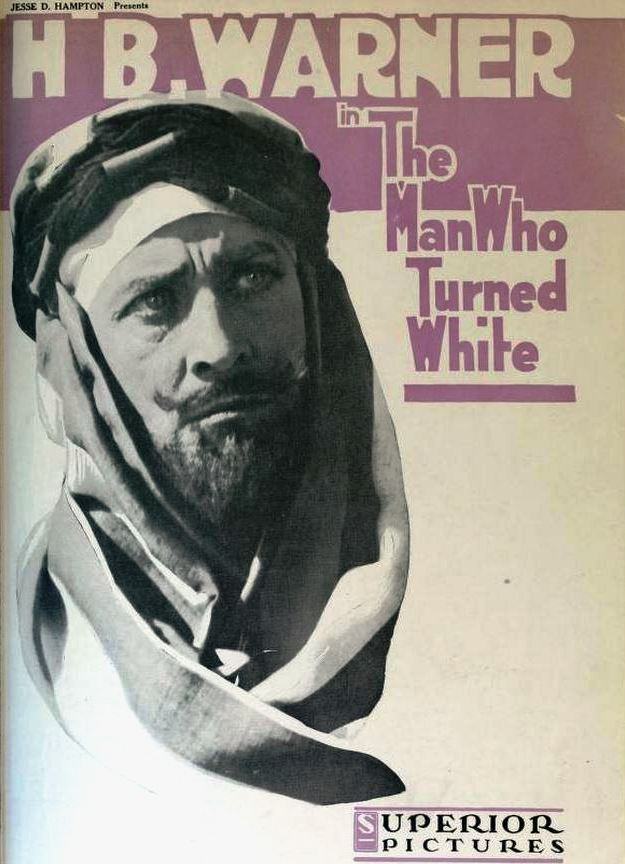
A definitive 5.6/10 rating for a film that redefined the boundaries of cult cinema. The Man Who Turned White remains a cornerstone of transgressive art.
In the grand tapestry of early cinema, few narratives dared to challenge prevailing societal norms and delve into the complex psychological landscapes of their characters with the audacity seen in 1919’s The Man Who Turned White. A silent film that, despite the passage of over a century, resonates with themes of identity, disillusionment, and redemption, it stands as a testament to the evocative power of visual storytelling. Directed with an eye for stark contrasts and human drama, this cinematic artifact, penned by George Elwood Jenks and F. McGrew Willis, invites us to journey into the heart of the African desert, a crucible where a man’s soul is tested, broken, and ultimately, reborn. It’s a narrative that, even without spoken dialogue, communicates volumes about the human condition, the corrosive nature of injustice, and the transformative power of connection.
The premise of The Man Who Turned White is as intriguing as it is provocative. We are introduced to a white man, whose name and former life are deliberately obscured in the initial stages, allowing his subsequent transformation to carry greater weight. He is not merely a man wronged; he is a soul utterly embittered by an unspecified injustice, an affront so profound that it compels him to repudiate his entire societal framework. This isn't a mere change of address; it's a radical renunciation of his 'kind,' a deliberate turning of his back on the very race and culture that once defined him. The African desert, often depicted as a place of exotic adventure or harsh survival in films of the era, here becomes a symbolic wilderness, mirroring the protagonist's internal desolation. It is within this unforgiving expanse that he sheds the vestiges of his former self, embracing a new identity as the formidable leader of a band of outlaws. This transformation is not painted as a mere act of rebellion but as a profound existential choice, a self-imposed exile from a world that, in his eyes, has betrayed him. His command over these rogues speaks volumes about his charisma and perhaps, a deeper, more primal understanding of survival that he cultivates in his new, lawless domain. It’s a fascinating inversion of the traditional hero’s journey, beginning with a deliberate fall from grace rather than a reluctant ascent.
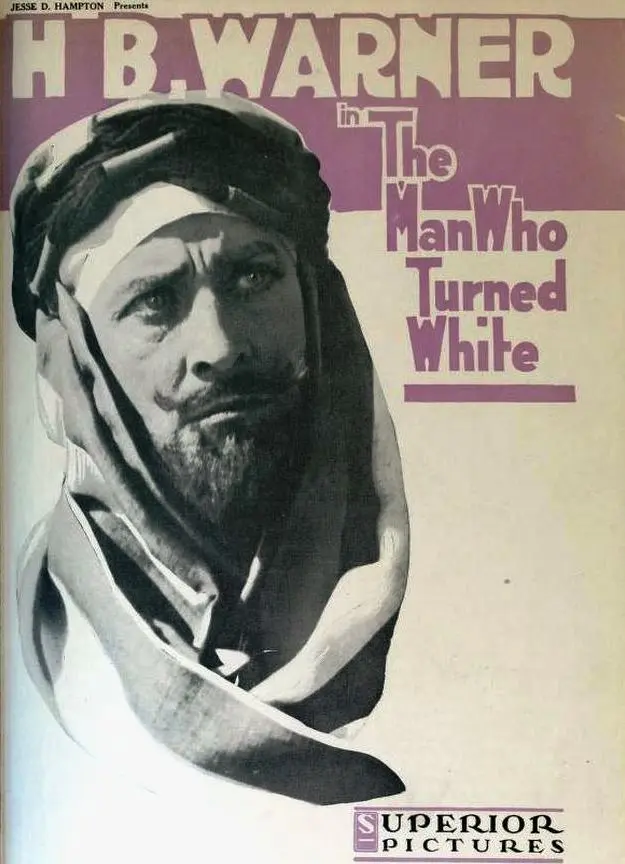
At the heart of this compelling narrative is H.B. Warner, an actor whose silent era performances often exuded a gravitas and nuanced emotional depth that transcended the limitations of the medium. Here, Warner is tasked with embodying a man who undergoes a complete psychological metamorphosis. His initial portrayal must convey the deep-seated resentment and disillusionment that drive him to abandon his former life. Through subtle facial expressions, powerful body language, and the expressive use of his eyes—the quintessential tools of the silent actor—Warner communicates the weight of his character's past and the fierce resolve of his present. As the outlaw leader, he projects an aura of authority and danger, yet beneath the hardened exterior, one can discern the lingering scars of his past. This is not a caricature of a villain but a complex individual, shaped by trauma and driven by a warped sense of justice. His performance is particularly critical in depicting the gradual shift that occurs with the arrival of the young woman. Warner masterfully navigates this delicate emotional terrain, showing us a man slowly thawing, his cynicism giving way to a nascent hope. The subtlety of his acting ensures that this transformation feels earned, rather than abrupt, making the audience invest deeply in his journey. It’s a performance that stands shoulder to shoulder with other powerful silent-era portrayals of moral ambiguity and redemption, perhaps echoing the internal struggles seen in characters from films like The Love That Dares, where personal conviction battles societal expectation, or even the complex anti-heroes of action-oriented dramas like Captain Starlight, or Gentleman of the Road, where rogue figures navigate their own moral codes.
The choice of the African desert as the primary setting is far from incidental. It serves not merely as a backdrop but as an active participant in the narrative, a character in itself. The vast, untamed landscape underscores the protagonist's profound isolation and the raw, unvarnished nature of his new existence. The silent film era, often reliant on expansive outdoor shots and evocative cinematography, would have leveraged the desert's stark beauty and formidable challenges to great effect. One can imagine sweeping vistas of dunes, the harsh glare of the sun, and the oppressive heat contributing to the sense of struggle and isolation. This environment strips away all pretense, forcing characters to confront their fundamental selves. It’s a place where societal rules dissolve, and a new order, dictated by survival and strength, emerges. The desert's unforgiving nature parallels the protagonist's own hardened heart, while its boundless horizons hint at the possibility of new beginnings. The visual language of such a setting, even without color or sound, would have been immensely powerful, conveying the epic scope of this man's self-exile. Compare this to the gritty, often desolate settings of films like Bare Fists, where the environment itself becomes a character, testing the very limits of human endurance and moral fibre. The desert in The Man Who Turned White is more than just scenery; it’s a crucible for transformation, a silent witness to a man's spiritual death and eventual rebirth.
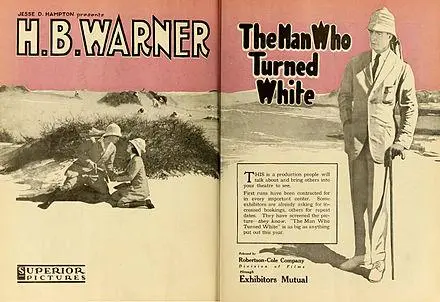
Beyond the surface narrative of an outlaw leader, The Man Who Turned White delves into profound thematic territory. The central theme of identity is explored through the protagonist's deliberate rejection of his 'kind' and his subsequent journey of self-discovery. What does it mean to be 'white' if one disavows the values and structures associated with it? The film, through its title and plot description, grapples with the cultural and racial constructs of identity prevalent in the early 20th century. The 'injustice' that triggers his transformation serves as a potent commentary on the flaws inherent in societal systems, hinting at corruption, prejudice, or betrayal that can drive an individual to such extreme measures. This exploration of societal disillusionment and personal justice finds echoes in other dramas of the era, such as The Co-respondent, which often examined the harsh realities of legal and social judgments. The film asks whether one can truly escape their origins or if, inevitably, some core aspect of self remains, waiting to be rekindled. The outlaw life, while offering a temporary escape from conventional morality, ultimately proves insufficient for true spiritual peace. The writers, George Elwood Jenks and F. McGrew Willis, craft a narrative that, while perhaps simplistic by modern standards, was revolutionary in its willingness to tackle such abstract concepts within a popular entertainment format. They challenge the audience to consider the profound impact of perceived injustice on an individual's psyche and the length to which one might go to reclaim a sense of agency, even if it means stepping outside the bounds of law and order. This psychological depth elevates the film beyond a mere adventure story into a poignant character study.
The narrative’s pivotal turning point arrives with the chance encounter between the hardened outlaw and a 'lovely young woman.' In many silent films, the female character often serves as a moral compass or a symbol of purity, and here, Barbara Castleton, likely playing this pivotal role, embodies that archetype with compelling grace. Her presence in the desolate desert is an anomaly, a beacon of light in a landscape of shadows and despair. She is not portrayed as a damsel in distress in the conventional sense, but rather as a catalyst for profound change. Her inherent goodness, her unwavering faith, and perhaps her sheer innocence, begin to chip away at the protagonist's cynicism and bitterness. This isn't a sudden, melodramatic conversion, but a gradual process of reawakening. The film subtly suggests that her belief in the innate good of humanity, and specifically in the potential for good within him, begins to 'restore his faith in his race.' This phrase, while laden with the socio-racial implications of its era, signifies a return to empathy, to community, and to the values he once abandoned. It’s a testament to the power of human connection and the redemptive capacity of love and understanding. This theme of a woman's influence leading to a man's moral or spiritual awakening is a recurring motif in early cinema, seen in films like A Woman's Power or The Gates of Gladness, where the feminine ideal often serves to elevate or redeem a fallen male figure. The encounter here is less about romance and more about a profound spiritual reorientation, a discovery that true peace lies not in rejection, but in reconciliation.
While H.B. Warner commands the screen, the supporting cast, including Jay Dwiggins, Carmen Phillips, Eugenie Forde, Manuel R. Ojeda, Walter Perry, and Wedgwood Nowell, undoubtedly contributed to the film’s texture and depth. Their portrayals of the outlaw band, the desert inhabitants, or other figures in the narrative would have provided the necessary contrast and human element to the protagonist's journey. Carmen Phillips, often cast in vampish or strong female roles, might have offered a counterpoint to the 'lovely young woman,' adding another layer of complexity to the desert's moral landscape. The director, whose name isn't provided but whose vision is palpable through the surviving plot details, would have been crucial in orchestrating the visual narrative. Silent film direction required a keen understanding of composition, editing, and the ability to elicit powerful performances without spoken dialogue. The pacing, the use of intertitles for exposition and emotional emphasis, and the overall visual aesthetic would have been carefully crafted to build tension, convey emotion, and guide the audience through this intricate tale of moral transformation. The film's ability to communicate such a complex character arc and thematic depth in the silent era speaks volumes about the artistry involved in its creation. Each gesture, each glance, each cinematic frame was a deliberate choice, intended to convey meaning and evoke a visceral response from the audience. This meticulous craftsmanship is a hallmark of the period's best works, striving for clarity and emotional resonance through purely visual means.
As a cinematic artifact from 1919, The Man Who Turned White offers more than just historical curiosity; it provides a window into the narrative concerns and social anxieties of its time. Its exploration of identity, justice, and redemption, framed within a stark, dramatic setting, continues to resonate. While the racial undertones inherent in the phrase 'restores his faith in his race' must be viewed through a critical historical lens, the core human story of disillusionment and reawakening remains potent. It reminds us that even in the most extreme circumstances, the human spirit yearns for connection, for purpose beyond bitterness, and for a return to a moral center. The film’s boldness in presenting a protagonist who so completely rejects his origins, only to be drawn back by the power of human goodness, makes it a fascinating entry in the silent film canon. It challenges viewers to consider what truly defines us—is it our birthright, our societal affiliations, or the choices we make in the face of adversity? The Man Who Turned White, even in its fragments or plot summaries, serves as a powerful reminder of the profound storytelling capabilities of early cinema, proving that even without sound, a film can speak volumes to the enduring complexities of the human heart. Its narrative audacity, combined with what must have been compelling performances and evocative cinematography, solidifies its place as a significant, if perhaps lesser-known, work that deserves renewed appreciation for its thematic depth and dramatic ambition.
IMDb 6.3
1925
Community
Log in to comment.