DbcultAccessing Vault...
6/10
Senior Film Conservator
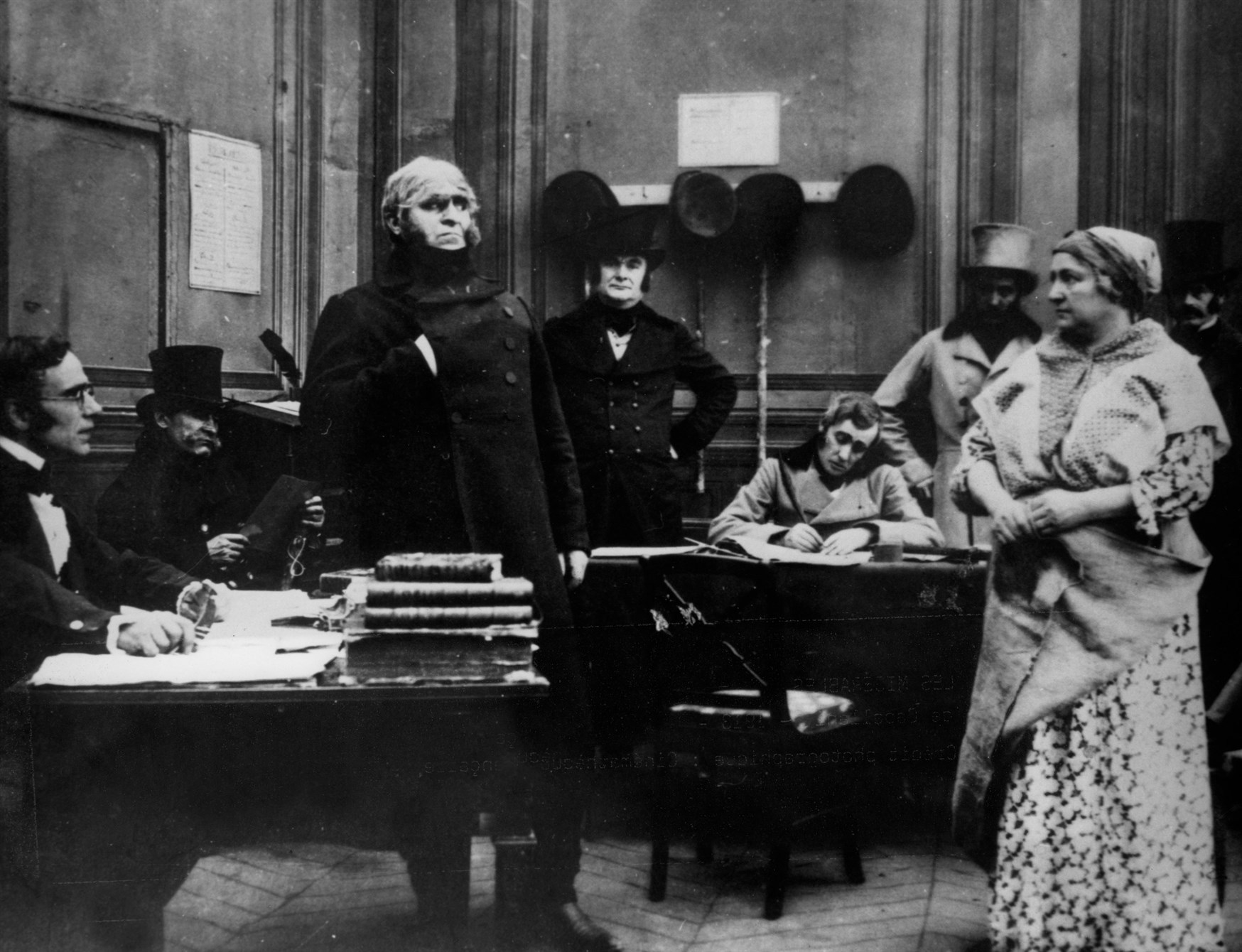
A definitive 6/10 rating for a film that redefined the boundaries of cult cinema. Les Misérables, Part 1: Jean Valjean remains a cornerstone of transgressive art.
Stepping back into the nascent years of cinema, one encounters works that, despite their age and the limitations of their medium, resonate with an astonishing depth and emotional power. Among these, Paul Capellani’s 1913 adaptation of Victor Hugo’s monumental novel, Les Misérables, Part 1: Jean Valjean, stands as a towering achievement. It’s not merely a historical curiosity but a vibrant, pulsating narrative that captures the very essence of Hugo’s epic struggle between divine grace and human law, between compassion and unyielding dogma. For those accustomed to the sprawling narratives of modern cinema, or even the more polished silent features of a decade later, this early installment offers a raw, visceral experience, a testament to the storytelling prowess of its era.
In an age where films like The Life and Passion of Jesus Christ and Dante's Inferno were pushing the boundaries of narrative ambition, Capellani dared to tackle a literary titan. Hugo's Les Misérables is a universe unto itself, a sprawling tapestry of human suffering, redemption, and the socio-political turmoil of 19th-century France. To condense even the first segment of this saga into a silent film required not just directorial vision, but an acute understanding of visual storytelling. This film, focusing squarely on the tormented soul of Jean Valjean and the relentless pursuit by Inspector Javert, manages to distill the central conflict with remarkable clarity and dramatic intensity.
The very name Les Misérables conjures images of societal injustice, personal sacrifice, and the eternal quest for redemption. Capellani, with the assistance of his stellar cast, manages to evoke these profound themes without a single spoken word. The early 20th century was a fertile ground for literary adaptations, with classics like Oliver Twist and The Three Musketeers finding their way onto the silver screen. What sets Jean Valjean apart is its commitment to the psychological depth of its characters, particularly the titular protagonist. Henry Krauss, as Jean Valjean, delivers a performance that transcends the theatrical conventions of the era. His large, expressive eyes and deliberate gestures convey the crushing weight of his past, the flicker of hope offered by Bishop Myriel, and the constant dread of Javert's shadow.
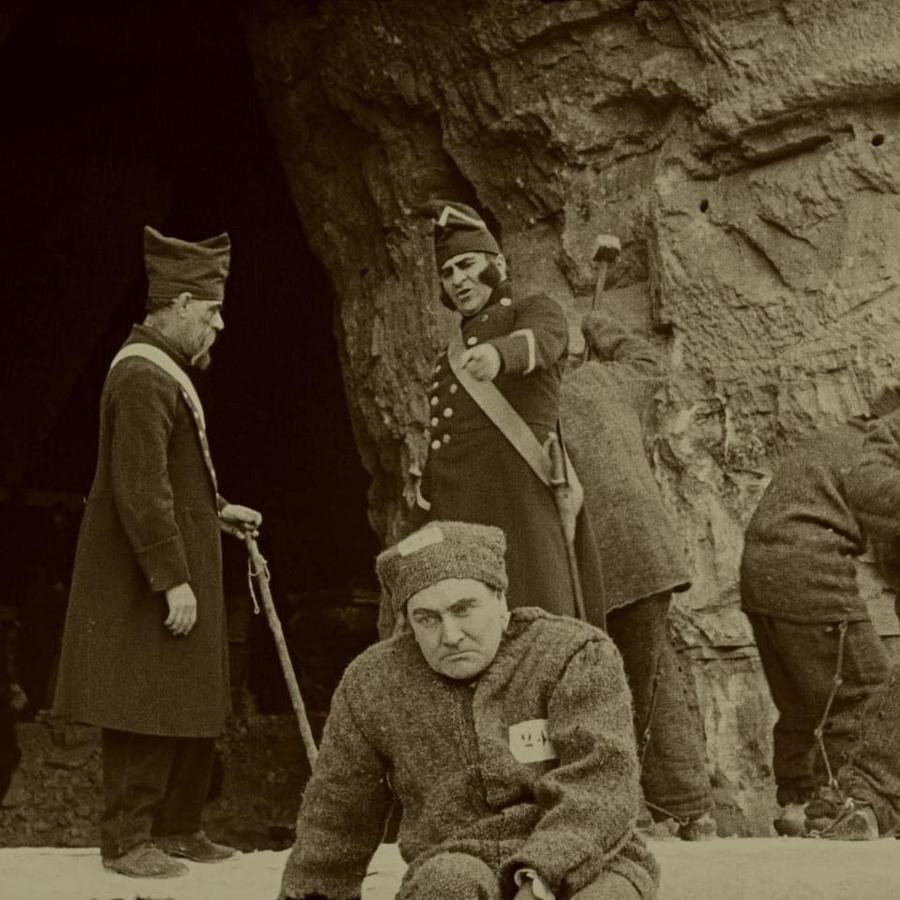
Krauss's portrayal is a masterclass in silent film acting. He embodies the journey from a hardened, resentful convict to a benevolent, respected figure, all while carrying the burden of his secret. We witness his transformation, not through exposition, but through the nuanced shifts in his posture, the subtle changes in his facial expressions, and the palpable weariness that never quite leaves him. It's a performance that holds its own even when compared to later, more technically advanced portrayals. The physical demands of silent acting, relying solely on pantomime and exaggerated emotion, are met with an admirable restraint that prevents the character from devolving into caricature. This allows the audience to truly empathize with Valjean’s plight, feeling the injustice of his initial imprisonment and the persistent agony of his fugitive existence.
Opposite Krauss is Henri Étiévant as Javert, the relentless inspector. Étiévant’s Javert is not a mustache-twirling villain but a man utterly consumed by his interpretation of justice. He represents the unyielding, mechanistic arm of the law, devoid of mercy or understanding for the complexities of human circumstance. His pursuit of Valjean is not personal vendetta, but a fanatical devotion to principle. Étiévant’s performance is chilling in its unwavering intensity. His fixed gaze and rigid demeanor project an aura of inescapable fate, making Valjean’s attempts at a new life feel perpetually precarious. The silent medium, in fact, amplifies Javert's singular obsession; his presence is often felt even when he is not on screen, a looming threat communicated through Valjean's constant vigilance. This creates a tension that permeates every frame, a psychological cat-and-mouse game played out against the grim backdrop of French society.
The dynamic between Valjean and Javert is the narrative engine of this film, and indeed, of Hugo's entire work. It's a philosophical debate made flesh, an eternal conflict between the letter of the law and the spirit of compassion. Where Valjean seeks to transcend his past through acts of kindness and self-sacrifice, Javert remains tethered to a rigid moral code that sees no room for nuance or redemption. This thematic core, so powerfully articulated in the novel, is rendered with surprising clarity in Capellani's silent interpretation. The film manages to communicate the weight of their opposing ideologies through visual cues, body language, and the stark contrast in their characters' interactions with the world around them. It's a testament to the universal power of Hugo's story that even stripped of dialogue, its core ethical dilemmas remain profoundly impactful.
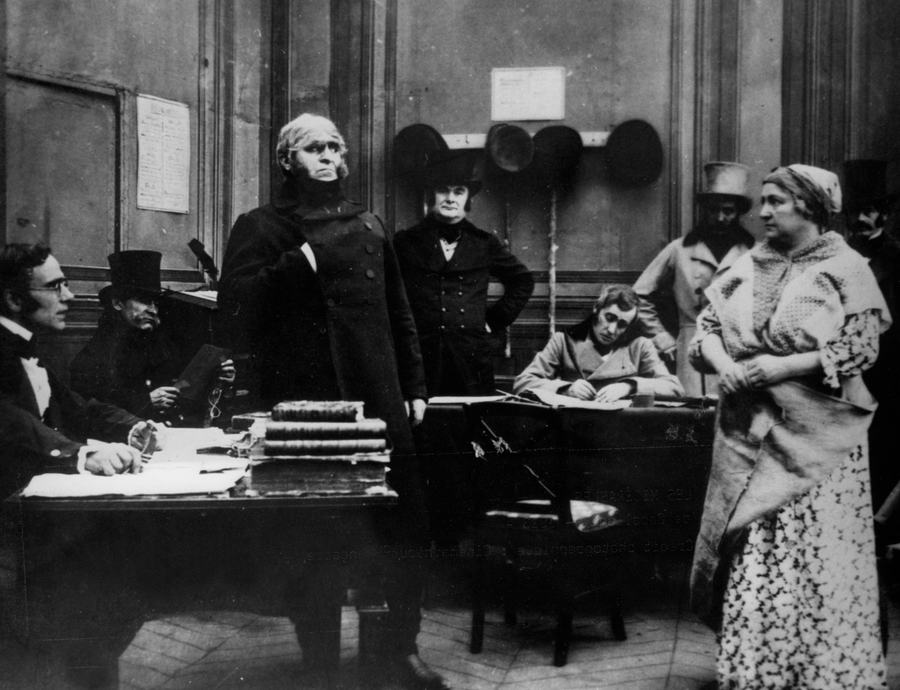
Capellani’s direction, while perhaps lacking the elaborate camera movements or intricate editing that would define later silent epics like The Last Days of Pompeii, is nonetheless effective in its clarity and emotional directness. The use of intertitles is judicious, providing necessary plot points and dialogue snippets without overwhelming the visual narrative. The mise-en-scène, though often theatrical in its staging, is carefully composed to highlight character emotions and societal contrasts. The grim squalor of the prison and the contrasting, albeit still humble, settings of Valjean’s later life are depicted with a stark realism that grounds the fantastical elements of the plot.
One must remember the context of 1913 cinema. Films were still largely theatrical in their blocking and performance, but the seeds of cinematic grammar were being sown. Capellani utilizes close-ups for emotional impact, particularly on Krauss’s face, allowing the audience to intimately connect with Valjean’s inner turmoil. The pacing, though deliberate by modern standards, allows for the gradual unfolding of character and consequence, building tension through sustained sequences rather than rapid cuts. This deliberate rhythm invites the viewer to immerse themselves in the unfolding drama, to ponder the moral quandaries presented, much like one would when reading the source material.
The inclusion of Maria Ventura and Mistinguett in the cast, though their roles might be less central in this specific part focused on Jean Valjean, adds a layer of depth and authenticity to the ensemble. Their presence reminds us of the broader canvas of Hugo's world, a world populated by a diverse array of characters, each suffering their own unique form of misery. While this installment primarily establishes Valjean's journey, the subtle hints of other lives intersecting with his foreshadow the larger narrative to come, a narrative that would eventually encompass the tragic fate of Fantine and the revolutionary fervor of Paris. This early French cinema often excelled at dramatic, character-driven narratives, a tradition that would continue to flourish in films like Fantômas: In the Shadow of the Guillotine, albeit with a different genre focus.
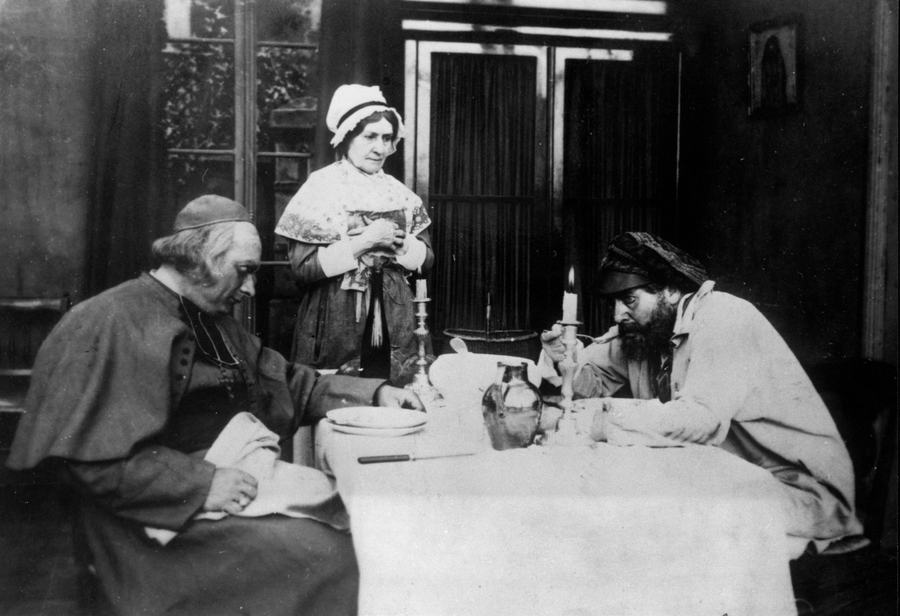
At its heart, Les Misérables, Part 1: Jean Valjean is a profound meditation on the nature of justice and the possibility of redemption. It challenges the simplistic notion that a criminal, once branded, can never truly escape their past or atone for their sins. Valjean's transformation, spurred by the unexpected kindness of the Bishop, is a powerful argument for mercy and the transformative power of compassion. The film doesn't shy away from depicting the harsh realities of the penal system of the time, painting a grim picture of dehumanization and despair. This social critique, so central to Hugo's novel, finds a compelling visual voice in Capellani’s direction, highlighting the stark inequalities and the brutal consequences of a rigid legal framework.
The film also explores the idea of identity and the struggle to redefine oneself in the face of societal judgment. Valjean's constant need to conceal his true identity, to live under an assumed name, speaks volumes about the unforgiving nature of a society that offers little second chance. This theme resonates deeply, even today, in discussions about rehabilitation and the reintegration of former offenders. The story posits that true justice might lie not in punishment, but in the opportunity for atonement and positive contribution to society. This nuanced perspective elevates the film beyond a simple chase narrative, imbuing it with significant philosophical weight.
For enthusiasts of early cinema and literary adaptations, Les Misérables, Part 1: Jean Valjean offers a fascinating glimpse into how complex narratives were tackled in the silent era. It’s a testament to the enduring power of Victor Hugo’s storytelling that it could be so effectively translated to a medium still finding its voice. Paul Capellani and his cast, particularly Henry Krauss, deserve immense credit for crafting a film that, despite its technical simplicity by today's standards, achieves a remarkable emotional depth and narrative coherence. This film is not just a historical artifact; it is a vibrant piece of cinematic history that continues to speak to the universal human experience of struggle, hope, and the relentless pursuit of a better life.
Considering other grand narratives brought to the screen during this period, such as Quo Vadis? or even the more allegorical Pilgrim's Progress, Capellani's Jean Valjean stands out for its intimate focus on a single character's moral journey amidst epic social commentary. It’s a foundational work that laid the groundwork for future adaptations of Hugo’s masterpiece, proving that the silent screen was more than capable of handling narratives of immense scope and emotional subtlety. The film captures the essence of Hugo's work, a tale that transcends time and medium, reminding us of the perennial conflicts within the human heart and society at large.
To watch Les Misérables, Part 1: Jean Valjean today is to engage with a piece of living history, a film that, despite its century-plus age, still possesses the power to move and provoke thought. It reminds us that the fundamental struggles of humanity—the quest for justice, the yearning for mercy, the burden of the past—are timeless. It’s a poignant reminder of cinema’s early capacity to tackle profound literary works, translating their intricate themes and unforgettable characters into a universally understood visual language. This film is more than just an adaptation; it is a foundational stone in the edifice of cinematic storytelling, a compelling argument for the silent era's artistic vitality and its enduring legacy.
The influence of Les Misérables as a narrative, regardless of its medium, is undeniable. This early film version, even in its truncated form, serves as a powerful introduction to the themes and characters that have captivated audiences for generations. It sets a high bar for emotional resonance and character development within the confines of silent cinema, inviting viewers to delve deeper into Hugo's world and its countless subsequent interpretations. It stands as a powerful testament to the universal appeal of a story about the downtrodden, the relentless pursuit of justice, and the transformative power of human kindness in a world often devoid of it.
IMDb 5.4
1919
Community
Log in to comment.