DbcultAccessing Vault...
5.5/10
Senior Film Conservator
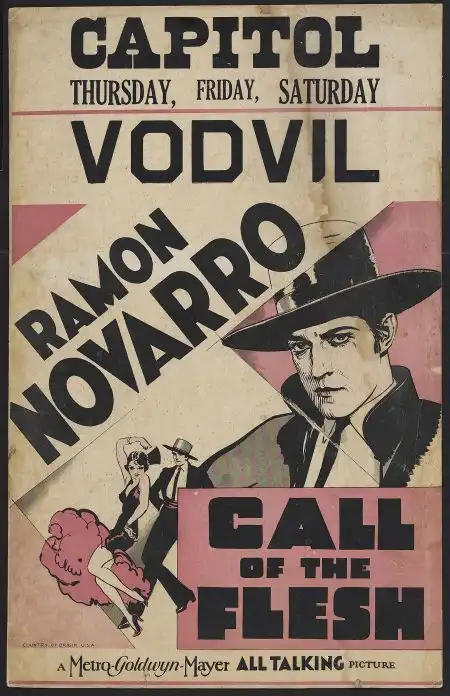
A definitive 5.5/10 rating for a film that redefined the boundaries of cult cinema. Call of the Flesh remains a cornerstone of transgressive art.
"Call of the Flesh" is one of those old-timers that might just surprise you if you're into melodramas with a capital M. If you enjoy a good old-fashioned love triangle wrapped in some serious ambition, you'll probably find something to latch onto here. However, if slow pacing and silent film-era acting styles make you want to check your watch, maybe give this one a pass. It’s a journey, for sure.
So, we meet Juan, played by Ramon Novarro. He’s singing his heart out in a bustling cantina, but you can tell he wants more than just the rowdy crowd. His voice, or rather, the idea of it, is his ticket out.
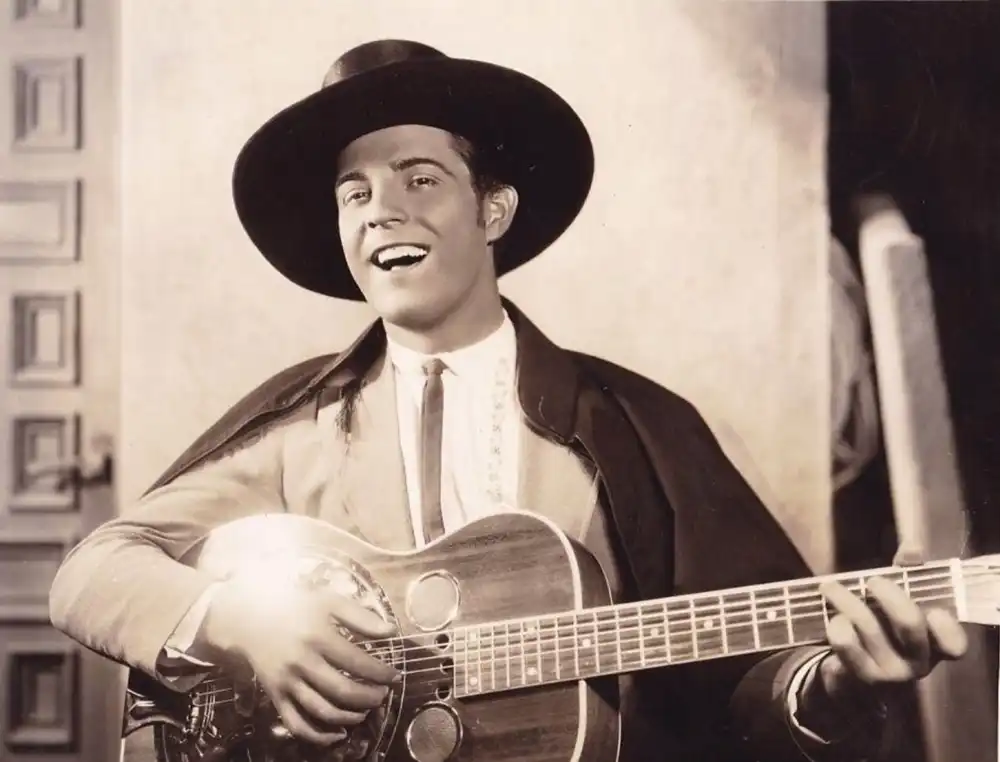
His mentor, Estaban, has this almost obsessive quality about him. He sees Juan's potential for opera and really pushes him. It's not just encouragement; it's like he's living his own dreams through Juan. That intensity is pretty clear.
Then Maria shows up, Dorothy Jordan, playing an escaped nun. She’s quiet at first, a bit shell-shocked. You can almost feel the quiet desperation she carries. The way she looks at Juan the first time… it’s a spark.
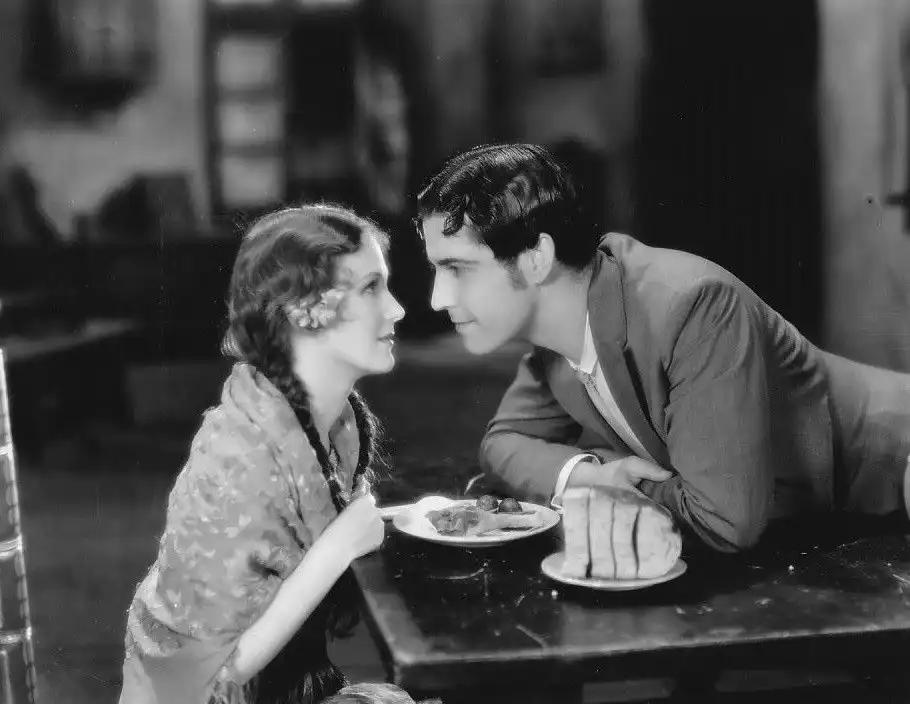
Their romance unfolds pretty quickly, as these things do in old films. One moment he's singing for the crowd, the next he’s totally captivated by this gentle woman. It feels a bit rushed, but you just accept it.
The film spends a lot of time on Juan's internal struggle. Should he marry Maria and settle down? Or chase the big dream of opera? It’s classic stuff, but Novarro really sells the anguish. You see it in his eyes, the way he clenches his jaw.
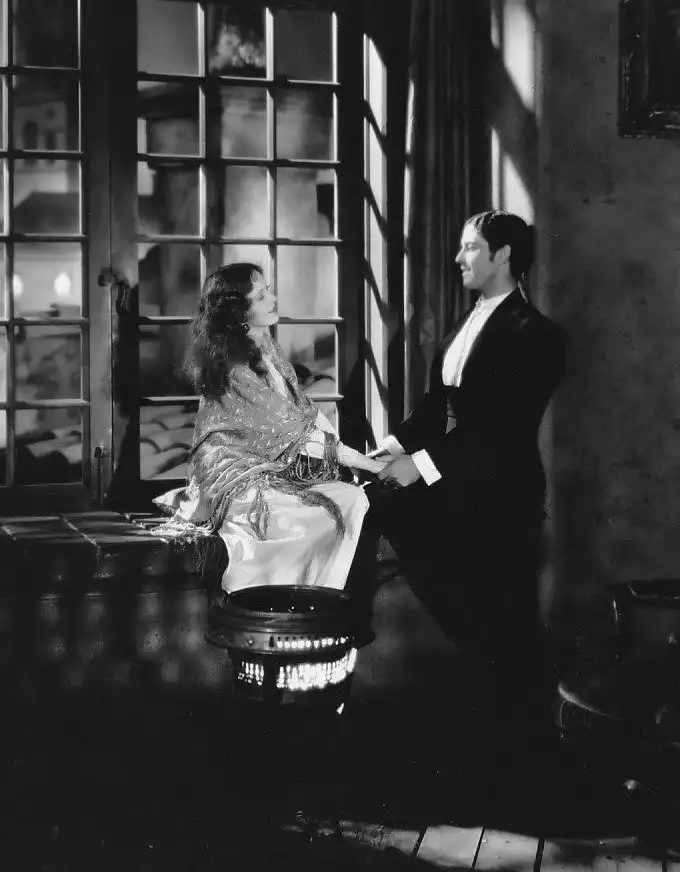
There’s a scene where Estaban is coaching Juan, and he just keeps repeating the same phrase. It goes on a bit too long. You start to wonder if Juan is ever going to get it right. It adds to the tension, but also, a little bit of "get on with it, already."
Maria's journey is interesting. She’s supposed to be this quiet, devout woman. But she makes these really bold moves for Juan. It makes her more than just a damsel in distress, which is nice. She’s got a fire in her.
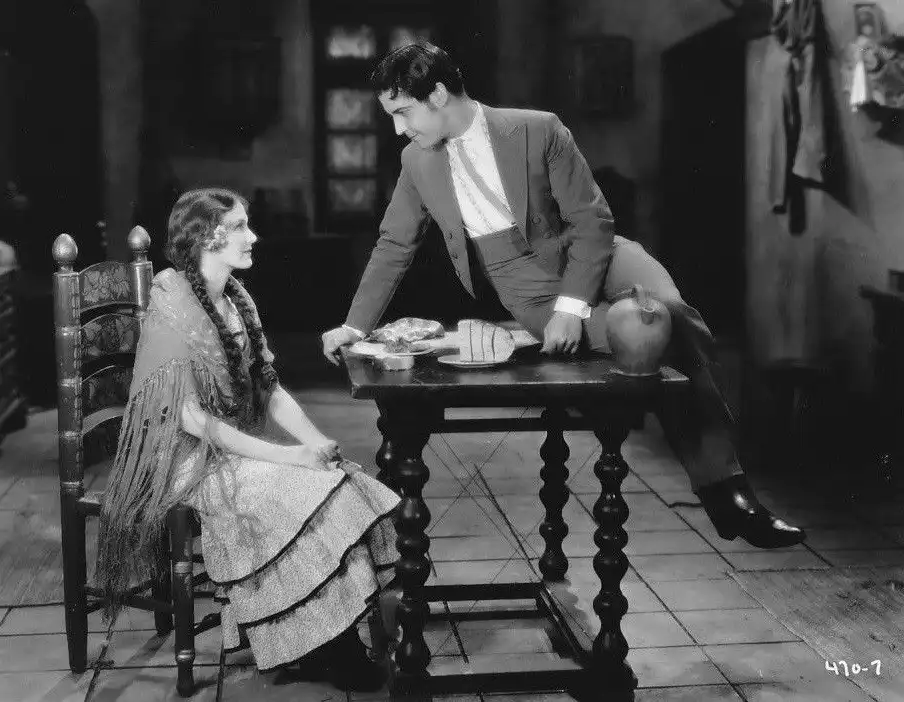
The "opposition" part of the plot comes from a few places. The world of opera doesn't exactly welcome a humble cantina singer with open arms. And then there's the whole nun thing, which creates its own set of problems. It’s all very dramatic.
One shot of Novarro singing, looking up to the heavens, is just so earnest. He really wants it. You can almost feel the sweat and effort. It’s a good moment.
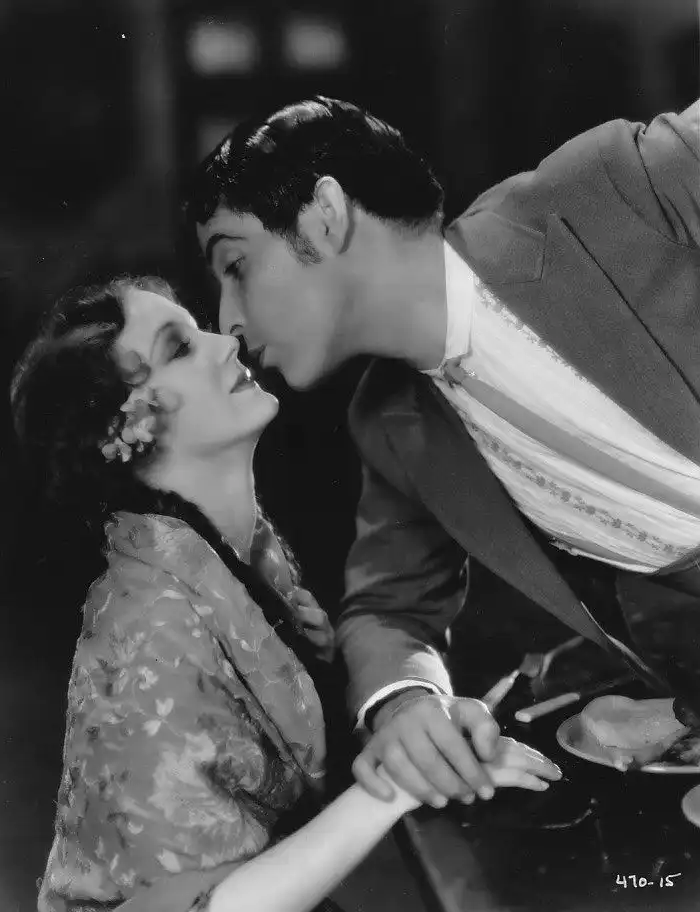
The crowd scenes in the cantina have this energy to them. Lots of dancing, people laughing. But when Juan is singing a serious piece, it's like everyone freezes. It's a neat contrast.
Sometimes the acting feels a little big, you know? Lots of hand-wringing and dramatic stares. But that's part of the charm of these old movies. You have to lean into it a bit.
The ending, without giving too much away, ties things up in a way that feels both inevitable and a little heartbreaking. It’s not a neat bow, which is actually a strength. It leaves you thinking about the choices people make.
You know, for a film this old, it really holds your attention if you let it. It's not trying to be flashy. Just tell a story about big feelings and hard decisions. And it mostly pulls that off.
IMDb 5.9
1931
Community
Log in to comment.