Is Marriage License? worth watching today? Short answer: yes, but with significant caveats. This 1926 silent drama offers a fascinating, albeit often frustrating, glimpse into the societal pressures and melodramatic conventions of its era, making it a compelling watch for cinephiles and historians, but likely a challenging one for casual viewers.
It's a film for those who appreciate the unique storytelling language of the silent era, who are interested in early portrayals of women's struggles against rigid societal norms, or who simply enjoy a good, old-fashioned melodrama where every emotion is writ large. Conversely, it is decidedly not for audiences seeking fast-paced narratives, subtle character development, or films that don't demand a certain patience for their dramatic build-up.
This film works because of Patsy O'Byrne's deeply sympathetic portrayal of Wanda, which anchors the film's emotional core and elevates the often-contrived plot with genuine pathos.
This film fails because its narrative relies heavily on a relentless series of misfortunes that, while characteristic of the period, can feel excessively manipulative and drawn-out to a contemporary audience.
Scene from Marriage License?
Cinematic perspective: Exploring the visual vocabulary of Marriage License? (1926) through its definitive frames.
You should watch it if you appreciate silent cinema's unique storytelling language, are interested in early portrayals of women's struggles against societal norms, or enjoy a good, old-fashioned melodrama where every emotion is writ large.
A Web of Aristocratic Cruelty and Maternal Sacrifice
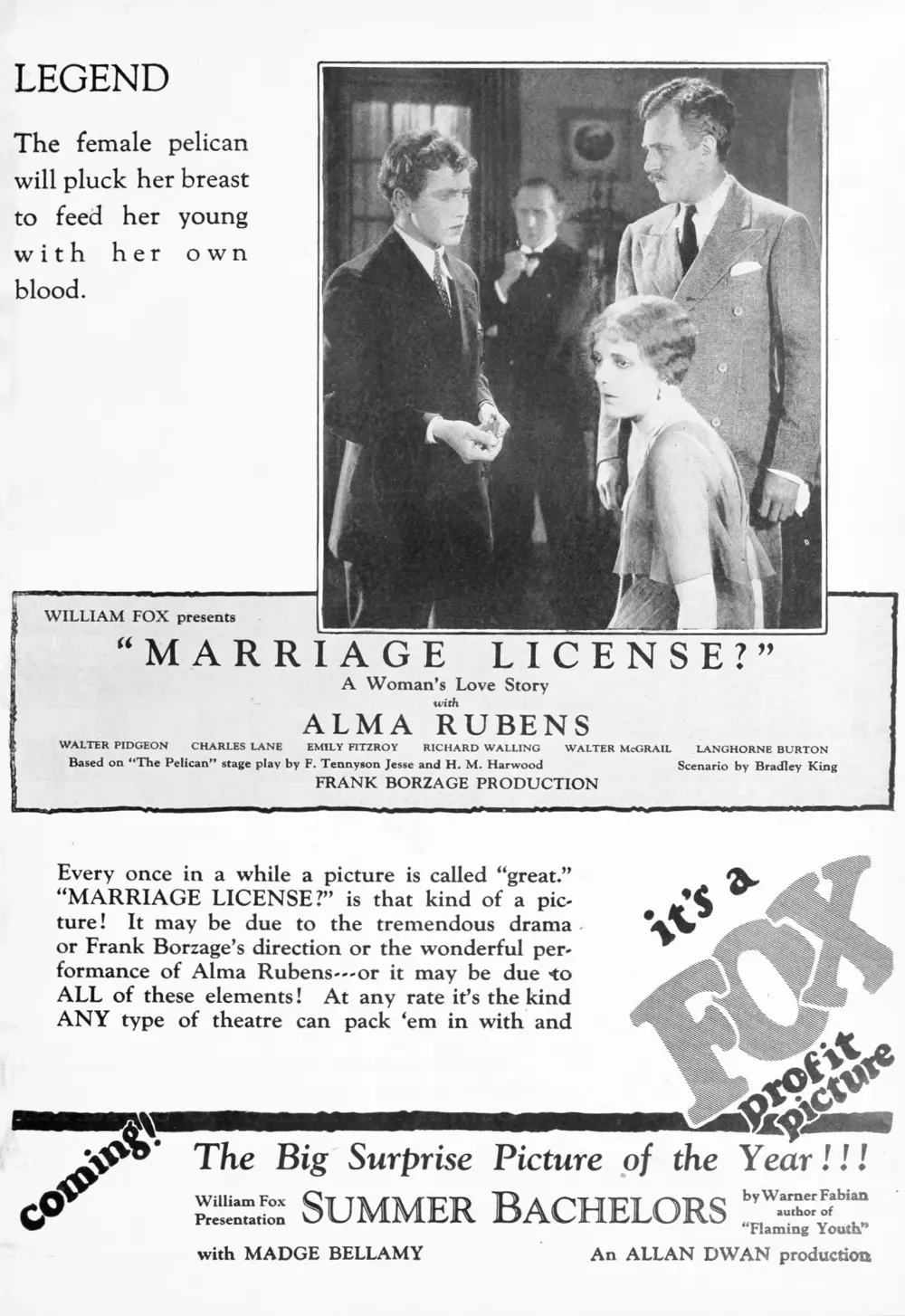
Wilfrid North’s 1926 silent film, Marriage License?, plunges viewers into the life of Wanda Heriot, a Canadian woman whose marriage into an English noble family quickly devolves into a nightmare of social ostracization and legal injustice. From the outset, the film establishes a stark contrast between Wanda’s innate sincerity and the suffocating traditions of her husband Marcus’s aristocratic lineage, a world dominated by the cold, calculating Lady Heriot.
The plot, penned by Bradley King, H.M. Harwood, Elizabeth Pickett, and F. Tennyson Jesse, masterfully crafts a scenario where Wanda’s innocent friendship with an elderly man is twisted into a scandal by her manipulative mother-in-law. This leads to a devastating divorce and the cruel declaration of her child’s illegitimacy – a societal branding that, in the early 20th century, carried immense weight and lasting stigma.
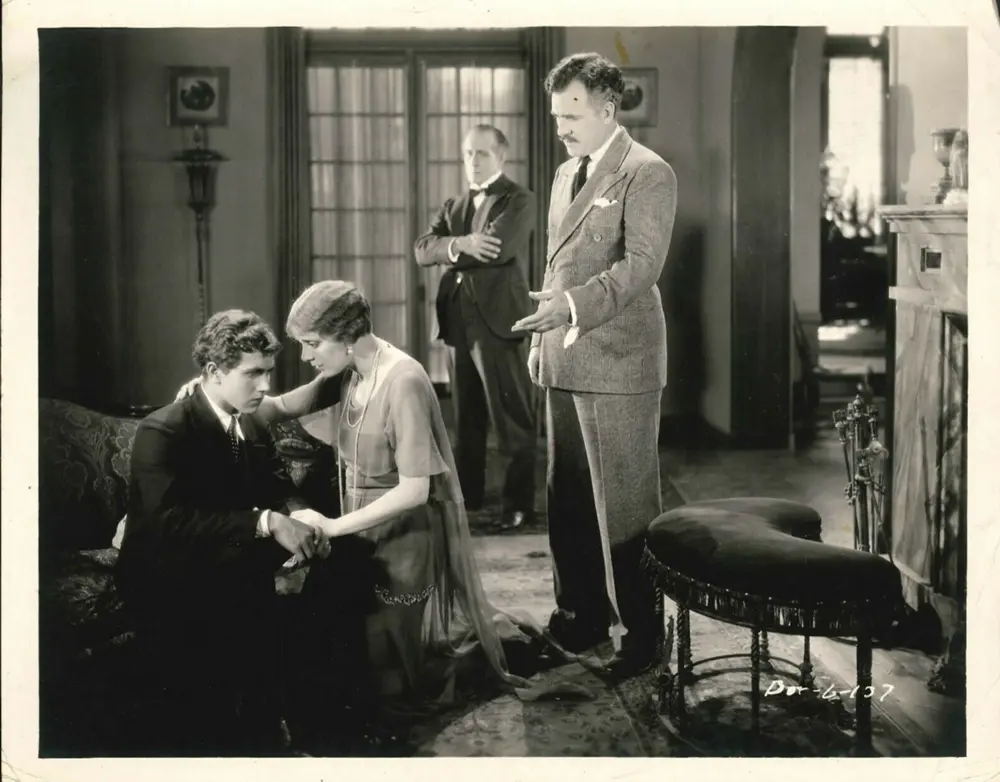
The narrative then leaps forward, finding Wanda years later having rebuilt a semblance of happiness with Paul, a man who sees her for her true worth. This fragile peace is shattered when her ex-husband, Marcus, belatedly discovers their son, Robin, has grown into a young man with aspirations of becoming a soldier. The revelation that Robin’s future is imperiled by his illegitimate status forces Wanda into an impossible choice.
Scene from Marriage License?
Cinematic perspective: Exploring the visual vocabulary of Marriage License? (1926) through its definitive frames.
Her ultimate decision – to sacrifice her newfound love and remarry the now-repentant Marcus to legitimize her son – forms the tragic crux of the film. It's a narrative deeply rooted in the melodramatic conventions of its time, yet it resonates with a timeless theme of maternal devotion battling against unforgiving societal structures.
Wilfrid North's Direction: Pacing the Pathos
Director Wilfrid North handles the melodrama with a steady hand, though not always with the briskness modern audiences might expect. The film's pacing is deliberately measured, allowing each emotional beat to land, sometimes to the point of deliberate, almost excruciating, tension. This approach is typical of silent era dramas, where the visual communication of emotion often superseded rapid plot progression.
North excels in creating a palpable sense of injustice. The scenes depicting Wanda's initial rejection by the Heriot family, particularly the cold glances and dismissive gestures, are effectively staged. He frequently employs close-ups to capture the nuances of Patsy O'Byrne's performance, ensuring her suffering is the focal point, a technique crucial for silent film empathy.
However, the film’s commitment to its melodramatic arc occasionally leads to narrative stretches that feel protracted. The period between Wanda's divorce and her reconnection with Marcus, for instance, while necessary for character development, could have benefited from tighter editing. It's a common pitfall of the era, where the audience was expected to luxuriate in the emotional journey rather than race through it.
Scene from Marriage License?
Cinematic perspective: Exploring the visual vocabulary of Marriage License? (1926) through its definitive frames.
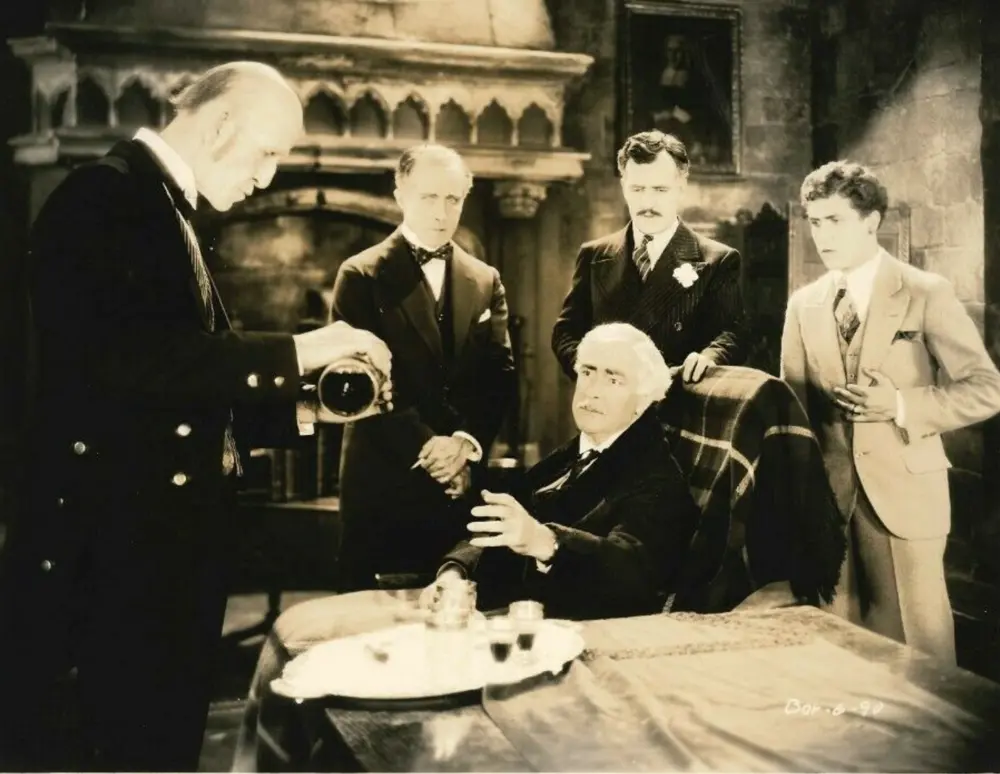
One particularly effective directorial choice is the juxtaposition of Wanda's quiet despair with the opulent, yet suffocating, environment of the Heriot estate. The grandeur of the settings only amplifies her isolation, a visual metaphor for her entrapment within their rigid social codes. This visual storytelling is where North truly shines, even if the overall pacing sometimes tests contemporary patience.
Patsy O'Byrne's Performance: The Heart of the Film
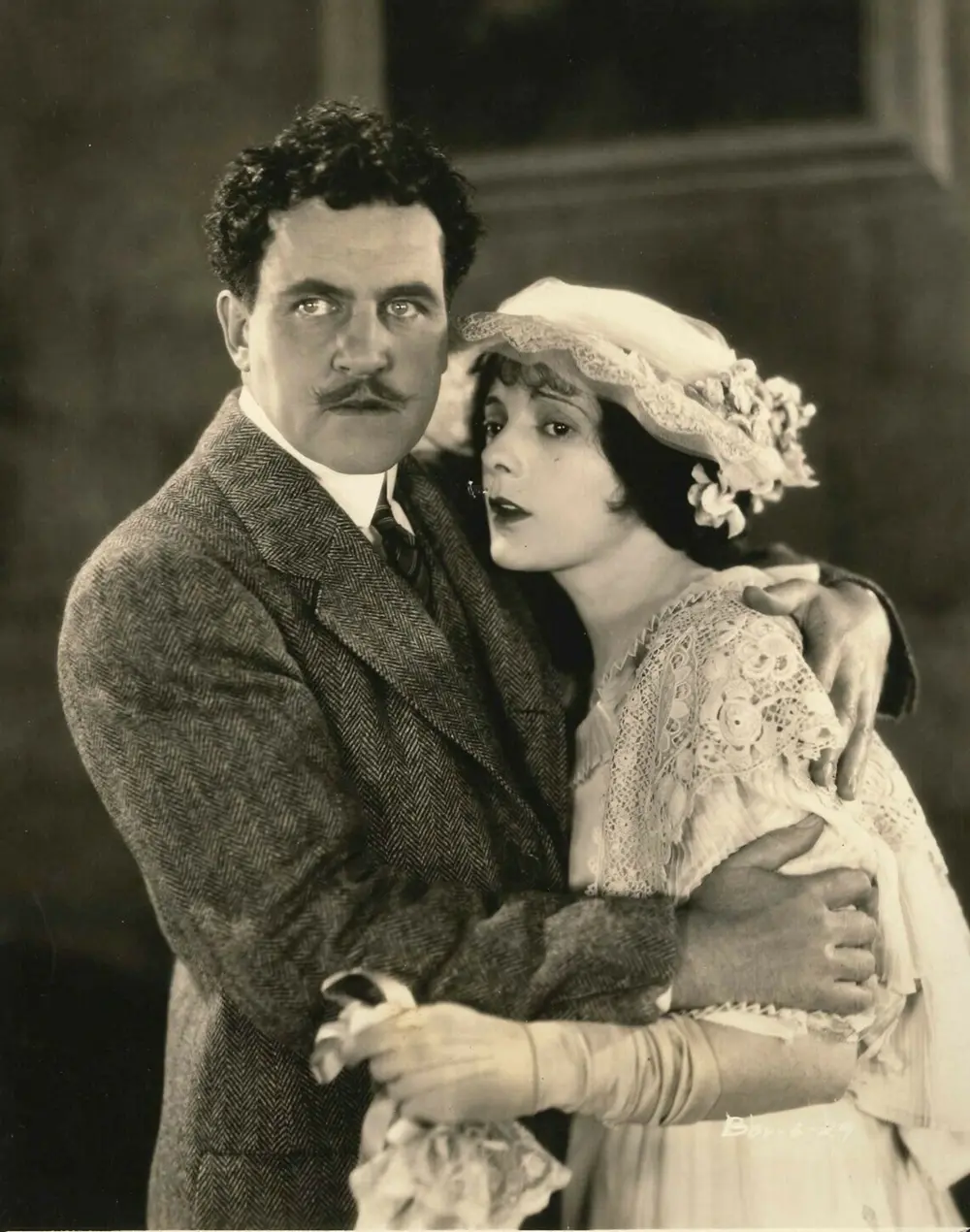
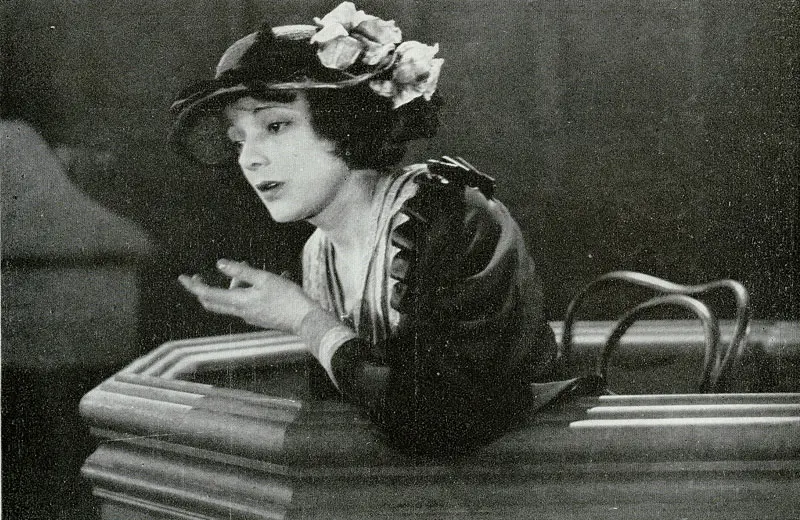
Without question, the standout element of Marriage License? is Patsy O'Byrne's performance as Wanda Heriot. In an era where silent acting often bordered on the theatrical, O'Byrne delivers a portrayal that feels remarkably grounded and authentic. Her expressive eyes and subtle shifts in posture convey a profound depth of emotion, from the initial joy of her marriage to the crushing weight of her subsequent misfortunes.
O'Byrne avoids the histrionics that could easily derail such a tragic character. Instead, she imbues Wanda with a quiet resilience. Her suffering is never performative; it feels internal, a constant ache that defines her existence. Watch her reaction in the courtroom scene when her child is declared illegitimate; the subtle tremor of her hand, the slight catch in her breath (implied through physical acting), speaks volumes more than any exaggerated gesture could.
Her chemistry with Walter Pidgeon, who plays Paul, is genuinely tender, making Wanda's ultimate sacrifice all the more heartbreaking. Their scenes together offer a brief, precious glimpse of happiness, sharply contrasted with the grim reality of her past. This makes her final decision resonate deeply, a true testament to O'Byrne's ability to create a character worth investing in emotionally.
Scene from Marriage License?
Cinematic perspective: Exploring the visual vocabulary of Marriage License? (1926) through its definitive frames.
It’s a performance that truly elevates the material. While the plot itself might lean into the more extreme conventions of melodrama, O'Byrne's earnestness grounds it, making Wanda's plight feel real and her choices understandable, even when they are agonizing. She is the film's beating heart, and without her, the narrative would surely collapse under its own tragic weight.
Cinematography and Visual Storytelling: A Glimpse into the Past
The cinematography in Marriage License?, while not groundbreaking for its time, is competently handled and effectively serves the narrative. The use of lighting is particularly noteworthy, often employing stark contrasts to highlight Wanda's emotional state. Dark, shadowed interiors emphasize her despair, while sunlit scenes with Paul momentarily suggest hope and freedom.
Intertitles are used judiciously, providing necessary exposition and character thoughts without overwhelming the visual flow. They act as windows into the characters' minds, particularly Wanda's, allowing the audience to understand her internal struggles when external expressions might be too subtle for a wide shot. This balance between visual and textual storytelling is a hallmark of effective silent cinema.
The film's settings, from the grandeur of the English estate to the more modest environments Wanda inhabits after her divorce, are well-utilized to reflect her changing fortunes. The visual language of class distinction is clear, with the Heriot family's lavish surroundings serving as a constant reminder of the world Wanda is both desperate to escape and compelled to re-enter for her son's sake.
Scene from Marriage License?
Cinematic perspective: Exploring the visual vocabulary of Marriage License? (1926) through its definitive frames.
Compared to more visually experimental films of the era, Marriage License? is relatively straightforward. It prioritizes clarity and emotional impact over stylistic flourishes. This isn't a criticism, but rather an observation of its pragmatic approach to visual storytelling, which remains effective in conveying its heavy themes.
Themes of Sacrifice, Class, and Legitimacy
Marriage License? is a masterclass in exploring the rigid social hierarchies and gender expectations of the early 20th century. Wanda's journey is a stark portrayal of how a woman's identity and worth were often tied to her marital status and the legitimacy of her offspring. Her initial rejection by the Heriot family isn't just personal; it's a systemic dismissal of an 'outsider' threatening the purity of their aristocratic line.
The film's most powerful theme is undoubtedly sacrifice. Wanda's choice to abandon her true love for the sake of her son's social standing is agonizingly portrayed. It's a brutal reminder of a time when individual happiness could be utterly subsumed by the demands of family honor and societal acceptance. This theme resonates even today, albeit in different contexts, where parents often make profound sacrifices for their children's futures.
The film also subtly critiques the hypocrisy of the upper classes. Lady Heriot's scheming, driven by a desire to maintain family purity, ultimately causes immense suffering, highlighting the destructive nature of unchecked aristocratic pride. Marcus, though repentant, is initially a weak character, unable to stand against his family, further emphasizing the oppressive nature of their traditions.
One could even argue that the film, despite its melodramatic trappings, offers a surprisingly proto-feminist undercurrent. Wanda, though ultimately making a traditional choice, is consistently portrayed as strong, resilient, and morally superior to her oppressors. She endures, she fights, and she loves fiercely, even when the world conspires against her. This makes her a compelling, if tragic, figure.
Is This Film Worth Watching?
Yes, Marriage License? is worth watching for anyone with a genuine interest in silent cinema, historical dramas, or the evolution of storytelling. Its strengths lie in its powerful central performance, its clear thematic explorations of sacrifice and social injustice, and its well-executed melodrama. It provides a valuable window into the societal concerns and entertainment styles of the 1920s.
However, be prepared for a viewing experience that demands patience. The pacing is deliberate, and the dramatic conventions are firmly rooted in its era. It's not a film for those seeking modern action or subtle psychological thrillers. It works. But it’s flawed. This film is a historical artifact with enduring emotional power, particularly for those willing to engage with its unique cinematic language.
Key Takeaways
Best for: Silent film enthusiasts, students of film history, and those who appreciate classic melodrama and strong female leads.
Not for: Viewers who dislike slow pacing, overt melodrama, or the visual language of silent cinema.
Standout element: Patsy O'Byrne’s deeply empathetic and nuanced performance as Wanda Heriot, which elevates the entire film.
Biggest flaw: The narrative's relentless piling on of misfortune can feel overly manipulative and drawn-out for a modern audience.
Pros and Cons
Pros:
Exceptional central performance by Patsy O'Byrne.
Powerful exploration of themes like maternal sacrifice and social injustice.
Effective visual storytelling through cinematography and acting.
Offers a compelling historical glimpse into early 20th-century societal norms.
Emotional resonance, particularly in Wanda's final decision.
Cons:
Pacing can be very slow, typical of silent films but challenging for modern viewers.
Relies heavily on melodramatic plot contrivances and constant suffering.
Some supporting performances are less compelling, fading behind O'Byrne.
The narrative’s predictable arc may feel dated to some audiences.
Lack of truly innovative cinematic techniques compared to other silent masterpieces like Camille.
Verdict
Marriage License? is a film that demands a certain appreciation for its era, but it rewards that patience with a surprisingly potent emotional core. While its adherence to silent film melodrama can feel antiquated at times, the sheer power of Patsy O'Byrne’s performance as Wanda Heriot elevates the entire production, making her tragic journey genuinely moving. It’s a testament to the enduring power of human emotion conveyed without a single spoken word.
This isn't a film for everyone, nor is it a forgotten masterpiece that will universally captivate. But for those who cherish the unique artistry of silent cinema and are willing to engage with its particular rhythms, Marriage License? offers a valuable and affecting experience. It’s a powerful reminder of how societal pressures once dictated individual destinies, and how some sacrifices, however heartbreaking, were considered the ultimate act of love. Give it a watch, but approach it with the understanding that you're stepping into a different cinematic world, one where the whispers of the past speak volumes.