DbcultAccessing Vault...
6.6/10
Senior Film Conservator
A definitive 6.6/10 rating for a film that redefined the boundaries of cult cinema. Call of the Wild remains a cornerstone of transgressive art.
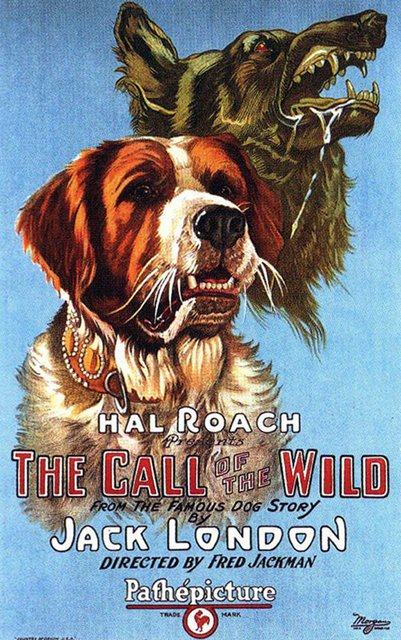
There are stories that transcend time, narratives so deeply woven into the fabric of human experience that they echo across generations, finding new voices and fresh interpretations with each passing era. Jack London’s The Call of the Wild is undeniably one such saga, a primal scream from the heart of the wilderness that explores the very essence of existence, loyalty, and the relentless pull of instinct. The 1923 film adaptation, simply titled Call of the Wild, directed by Fred Jackman, stands as an early cinematic testament to this enduring literary masterpiece, offering audiences of the silent era a visceral journey into the untamed Yukon. While later iterations might boast more sophisticated special effects or nuanced performances, this silent classic captures a raw, unvarnished spirit that is both compelling and profoundly moving, a true cinematic relic that still resonates with its powerful themes.
The narrative begins in the idyllic warmth of Judge Miller’s Californian estate, where Buck, a magnificent Saint Bernard, lives a life of pampered ease and serene domesticity. He is a creature of comfort, accustomed to the gentle rhythms of a secure home, his days marked by playful frolics and affectionate interactions. This tranquil existence, however, is shattered with shocking abruptness. In a swift, brutal act of betrayal, Buck is stolen, ripped from his familiar world by a gardener seeking quick illicit profit. This initial transgression, a cruel testament to human avarice, serves as the catalyst for Buck’s extraordinary transformation. He is unceremoniously thrust into a dark crate, beginning a harrowing journey north, a journey that strips away his civilized veneer layer by agonizing layer. The transition from the sun-drenched comfort of California to the frigid, unforgiving landscape of the Canadian Yukon is not merely geographical; it is a profound descent into a world where the laws of man are supplanted by the harsh, immutable laws of nature.
The film masterfully conveys this brutalization, even within the confines of silent cinema. Buck’s initial confusion and fear give way to a simmering resentment, then a fierce, primal instinct for survival. He encounters a succession of cruel masters, each more indifferent or outright sadistic than the last, who see him merely as a beast of burden, a tool to be exploited for the gold rush. The crack of the whip, the gnawing hunger, the relentless toil of the sled team – these become his new reality. He learns quickly that survival in this new world demands a ruthlessness he never knew he possessed. He must fight for food, for dominance within the dog pack, and for his very life against both his human tormentors and the unforgiving elements. This period is a harsh education, stripping away the soft edges of his upbringing and forging within him a spirit both hardened and acutely aware of its own capabilities. It’s a compelling depiction of a creature being pushed to its absolute limits, revealing the dormant wildness that lurks beneath the surface of even the most domesticated animal.
Just as Buck's spirit seems poised to break under the relentless cruelty, a beacon of humanity emerges in the form of John Thornton, played by the ruggedly charismatic Jack Mulhall. Thornton is a prospector, a man shaped by the wilderness himself, but one whose heart remains untouched by its harshness. Unlike Buck's previous owners, Thornton sees not a beast of burden, but a magnificent creature with an indomitable spirit. He intervenes when Buck is on the verge of being beaten to death, offering not just rescue, but genuine compassion and understanding. This act of kindness marks a pivotal turning point, for Buck has rarely, if ever, experienced such profound empathy since leaving Judge Miller's home. The bond that develops between Buck and Thornton is not one of master and pet, but of mutual respect and deep affection, forged in the crucible of shared existence in the wild. It’s a relationship built on trust, loyalty, and an unspoken understanding that transcends the species barrier.
Mulhall’s portrayal of Thornton, though silent, conveys a quiet strength and an inherent goodness that makes his character instantly endearing. He is the antithesis of the avarice and brutality that Buck has faced, representing the best of humanity against the backdrop of its worst. The film spends considerable time exploring the nuances of their relationship, showing how Buck’s unwavering devotion to Thornton grows with each shared experience. Whether it's the simple act of sharing a meal, the quiet moments by the campfire, or the arduous journeys through treacherous terrain, their connection deepens. This profound bond becomes the emotional anchor of the film, illustrating how love and loyalty can flourish even in the most desolate and dangerous environments. It’s a testament to the idea that true companionship can be found in the most unexpected places, offering a vital counterpoint to the relentless struggle for survival.
In a film centered around an animal protagonist, the 'performance' of Buck is paramount, and the dog actor chosen for the role delivers a truly remarkable portrayal. It’s easy to underestimate the challenges of directing animals in early cinema, yet Buck conveys a startling range of emotions – from the initial confusion and fear to the hardened resolve of a survivor, and finally, the profound devotion to Thornton. His physicality, his expressions, and his interactions with the human cast are incredibly compelling, a testament to careful animal training and perhaps even a degree of natural instinct. The close-ups on Buck’s face, often conveying more than any intertitle could, highlight the silent film’s reliance on visual storytelling and the expressive power of its subjects. This isn't just a dog following commands; it's a character whose journey we feel deeply.
Jack Mulhall, as John Thornton, provides the essential human anchor to Buck’s journey. His performance is understated yet powerful, conveying a warmth and sincerity that makes his bond with Buck entirely believable. He doesn't overact, a common pitfall in silent cinema, but rather projects a quiet strength and genuine affection that grounds the more fantastical elements of Buck's heroism. The supporting cast, including Sidney D'Albrook and Walter Long in villainous roles, effectively portray the human greed and cruelty that drive much of Buck’s suffering. While their performances might lean into the theatricality common to the era, they serve their purpose in highlighting the stark contrast with Thornton's benevolence. Fred Jackman's direction is particularly commendable in how he orchestrates the animal sequences, making them feel authentic and impactful, capturing the raw energy and danger of the wilderness without losing sight of the emotional core of the story. The film's ability to elicit such strong emotional responses from its audience, relying almost entirely on visual cues and the power of its central animal 'performance,' speaks volumes about its effectiveness.
At its core, Call of the Wild is a profound exploration of the eternal conflict between civilization and wilderness, nature versus nurture. Buck's journey is a literal and metaphorical shedding of his domesticated skin, a gradual regression to his primal instincts. The film meticulously illustrates how the 'call of the wild' is not just an external force, but an ancient, dormant instinct within Buck that is awakened by the harsh realities of his new environment. He learns to hunt, to fight, and to survive by the law of the fang and claw, yet he never fully abandons the capacity for love and loyalty instilled in him by his human connections. This duality is what makes Buck such a compelling protagonist: a creature caught between two worlds, embodying the best of both.
The theme of loyalty is particularly resonant. Buck's devotion to John Thornton is absolute, a bond that transcends mere training or ownership. It's a testament to the power of genuine affection and respect. This loyalty is dramatically showcased in a thrilling sequence where Buck saves Thornton from mortal danger, an act of selfless heroism that solidifies their unbreakable connection. This scene, a highlight of the film, not only provides thrilling action but also underscores the profound emotional depth of their relationship. The film also touches upon themes of resilience, the indomitable spirit of life in the face of adversity, and the human quest for fortune in a land that demands ultimate sacrifice. It's a meditation on what it means to truly live, to face down fear, and to find one's true place in the grand, indifferent tapestry of nature. The stark beauty of the Yukon, even if sometimes conveyed through studio sets for an early film, serves as a powerful backdrop for these timeless struggles.
As a product of 1923, Call of the Wild offers a fascinating glimpse into the nascent art of filmmaking. The challenges of shooting in what was then considered remote locations, or convincingly recreating them in a studio, were immense. Director Fred Jackman, an experienced cinematographer himself, navigates these hurdles with admirable skill, utilizing clever editing and staged sequences to create a sense of scale and danger. While modern audiences might find some of the techniques quaint or less realistic than contemporary CGI, the film's ability to tell such a compelling story with the tools available at the time is a testament to the ingenuity of early filmmakers. The reliance on intertitles to convey dialogue and internal thoughts, while a hallmark of the silent era, never detracts from the emotional impact, thanks to the expressive performances and clear visual storytelling.
When considering other films of the era, the ambition of Call of the Wild stands out. While a film like Stop Thief (1920) might entertain with its comedic chases and early cinematic trickery, Call of the Wild aims for a deeper, more existential narrative, exploring the very nature of being. Similarly, while The Fortune Hunter (1920) focuses on human ambition and societal aspirations, Call of the Wild grounds its quest for 'fortune' in the raw, untamed spirit of the wild, a spiritual rather than material pursuit. The thematic exploration of transgression, as seen in a film like Transgression (1922), finds a parallel in Buck's own journey across the boundaries of domesticated life into the primal wilderness, challenging the very definition of his existence. This early adaptation, therefore, is not just a historical curiosity but a significant attempt to translate a complex literary work into a compelling visual experience, laying groundwork for future adventure and animal-centric films.
The enduring legacy of Jack London's novel ensures that its cinematic adaptations will always hold a special place. This 1923 version, though often overshadowed by its more recent, technologically advanced successors, serves as a crucial historical marker. It reminds us of a time when the magic of cinema was still raw and exploratory, capable of captivating audiences with simple yet powerful storytelling. It is a film that, despite its age, still manages to convey the brutal beauty of the Yukon, the harrowing journey of a magnificent animal, and the profound, transformative power of both cruelty and compassion.
In conclusion, Fred Jackman’s 1923 Call of the Wild is far more than a mere historical footnote; it is a vibrant, emotionally resonant adaptation that captures the fierce heart of Jack London’s timeless narrative. It’s a film that, through its compelling visual storytelling and the remarkable 'performance' of its canine star, invites viewers to ponder the delicate balance between civilization and instinct, the depths of loyalty, and the relentless pull of one’s true nature. While the silent era's conventions might require a different viewing sensibility, the core themes and the sheer power of Buck’s odyssey remain undiminished. It stands as a testament to the enduring appeal of London's story and the early cinema's capacity for epic, heartfelt storytelling, leaving an indelible echo of the wild within the viewer long after the final frame.
IMDb —
1933
Community
Log in to comment.