DbcultAccessing Vault...
6.5/10
Senior Film Conservator
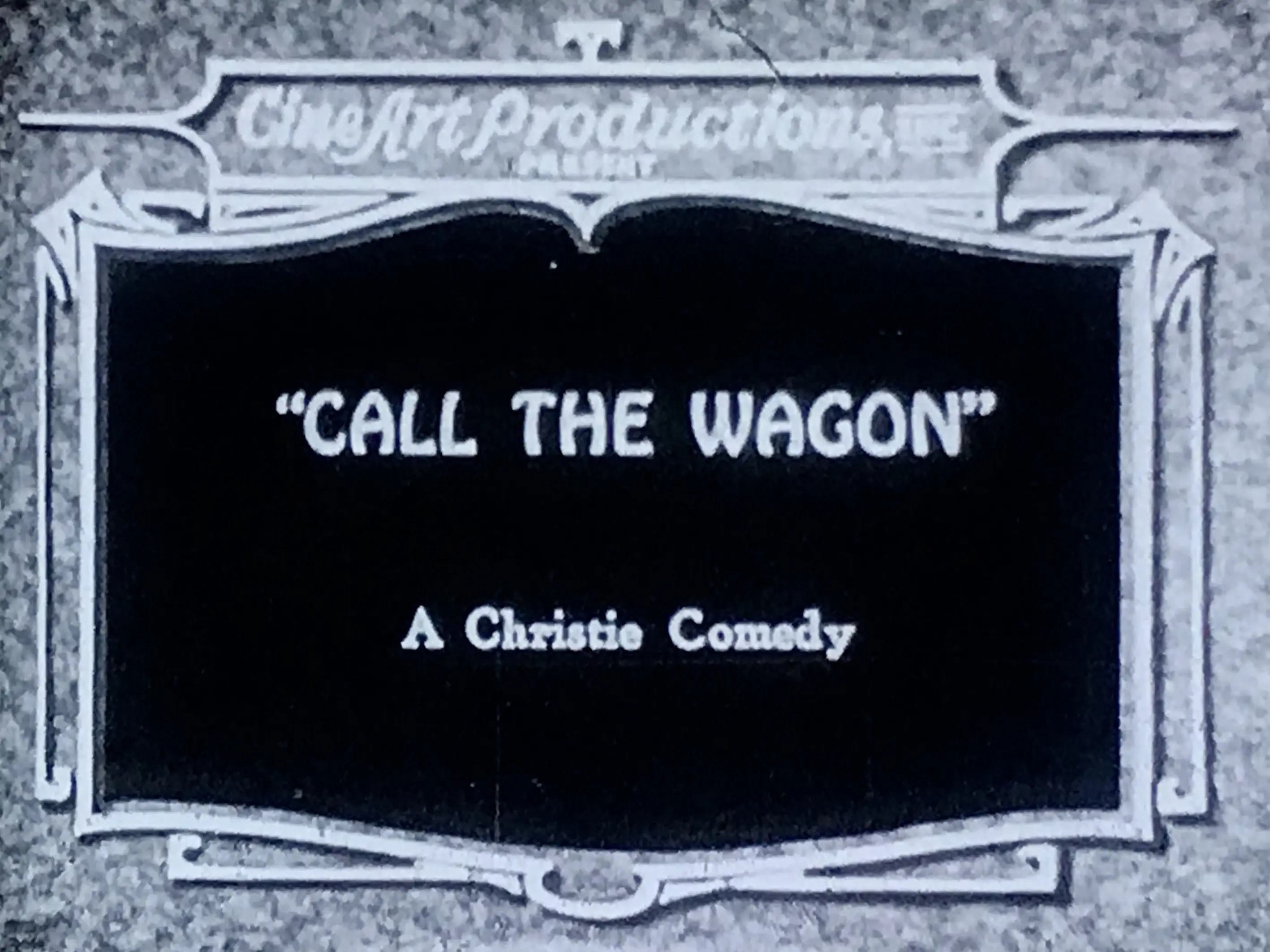
A definitive 6.5/10 rating for a film that redefined the boundaries of cult cinema. Call the Wagon remains a cornerstone of transgressive art.
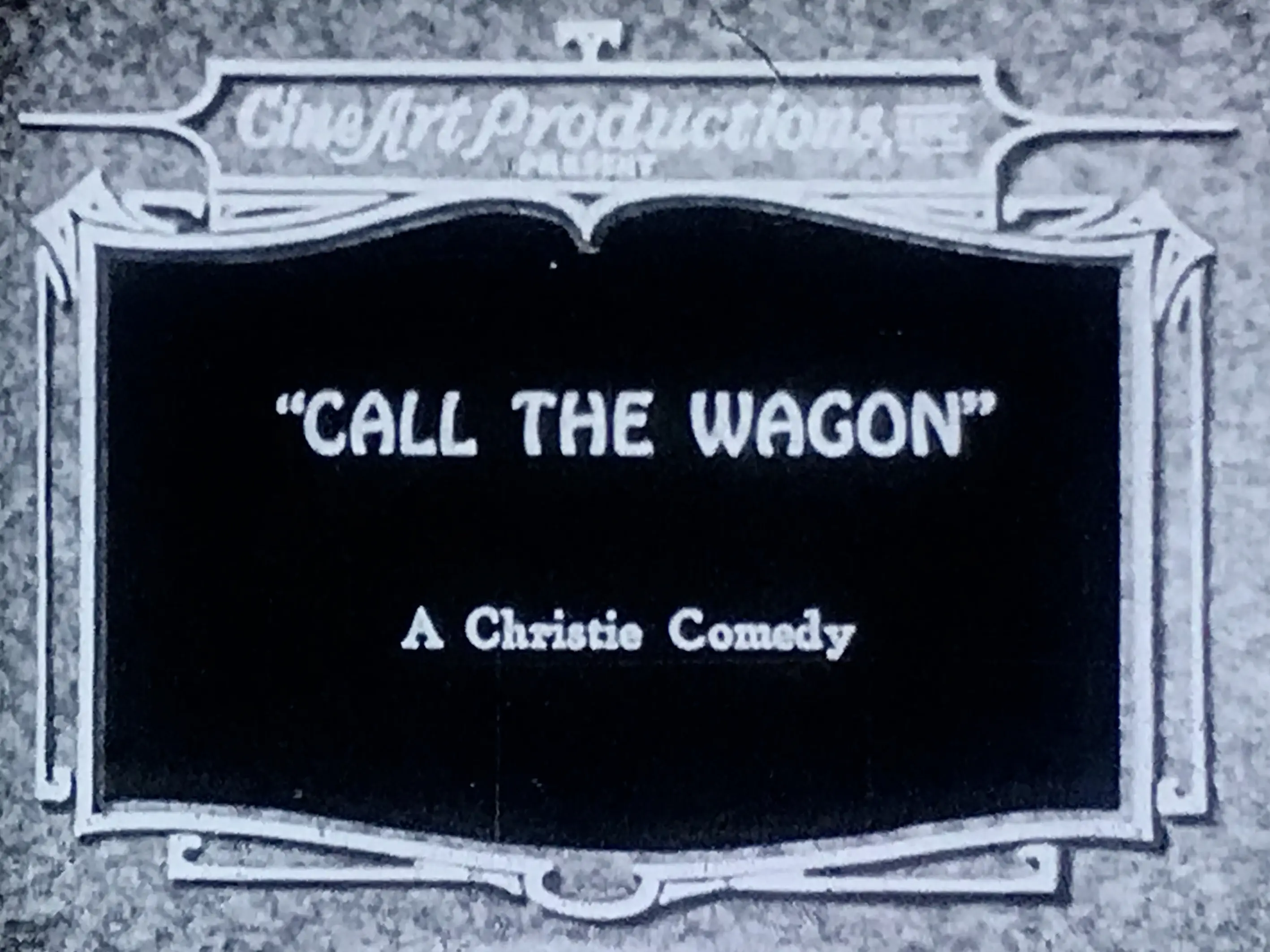
When the reels of the 1920s flickered to life, audiences were treated to a parade of capers that blended romance, slap‑slap, and social satire. Call the Wagon stands as a quintessential example, weaving a narrative that is simultaneously farcical and oddly tender. At its core lies Dick, a young man whose infatuation with the luminous Mary propels him into a series of increasingly audacious deceptions.
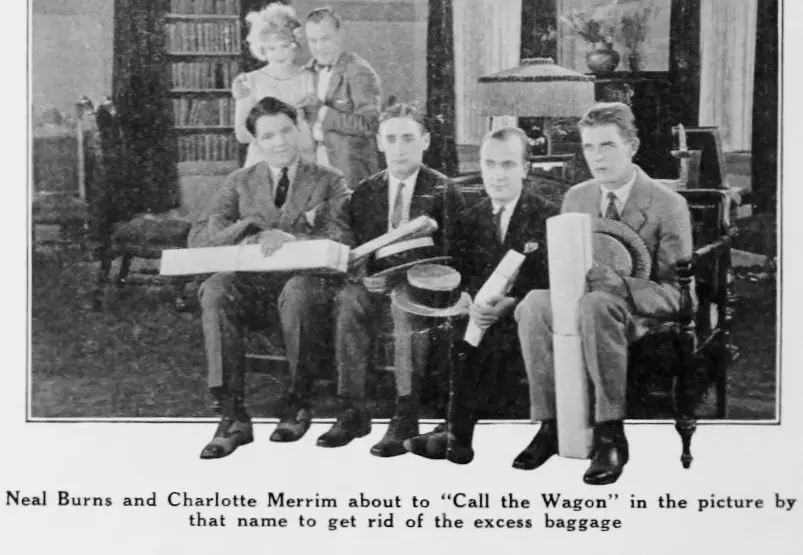
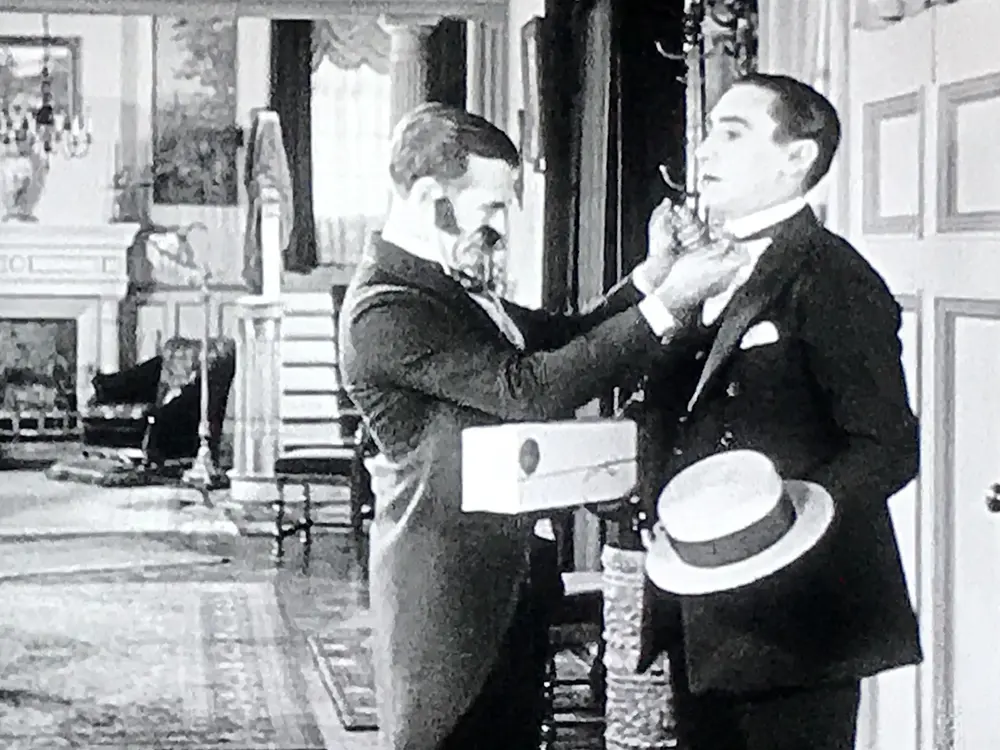
The film opens with a tableau of suitors—each more eager than the last—circling Mary like moths to a flame. Dick, portrayed with earnest desperation by Neal Burns, surveys the competition and resolves to infiltrate the household as a butler. This decision is not merely a plot device; it is a commentary on class fluidity in the Roaring Twenties, where the boundaries between servant and master were being renegotiated in both cinema and society.
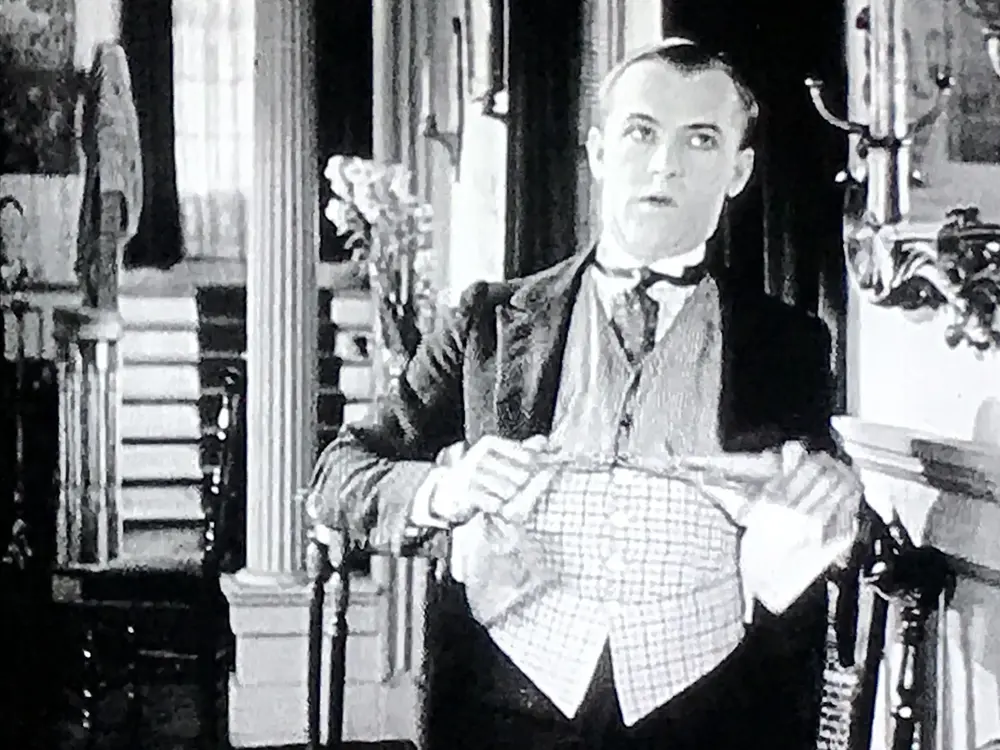
Dick’s impersonation is executed with a blend of physical comedy and subtle nuance. He adopts the stiff posture of a domestic, the clipped diction of a servant, and the furtive glances of a lover in disguise. The audience is invited to relish the tension between his public subservience and private yearning, a duality that echoes the thematic undercurrents of The Little White Savage, where identity is both mask and revelation.
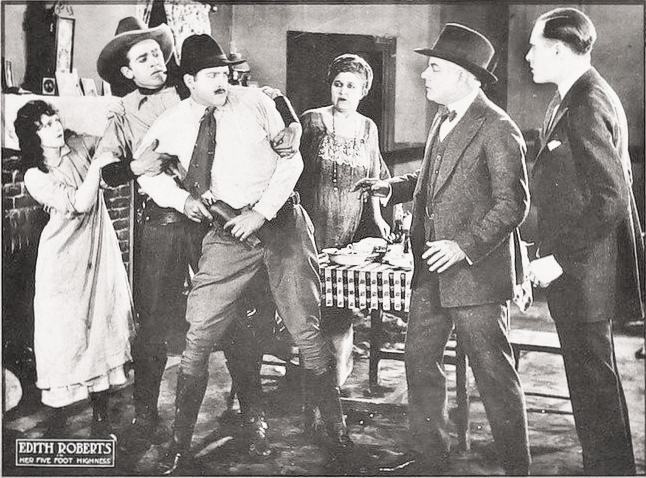
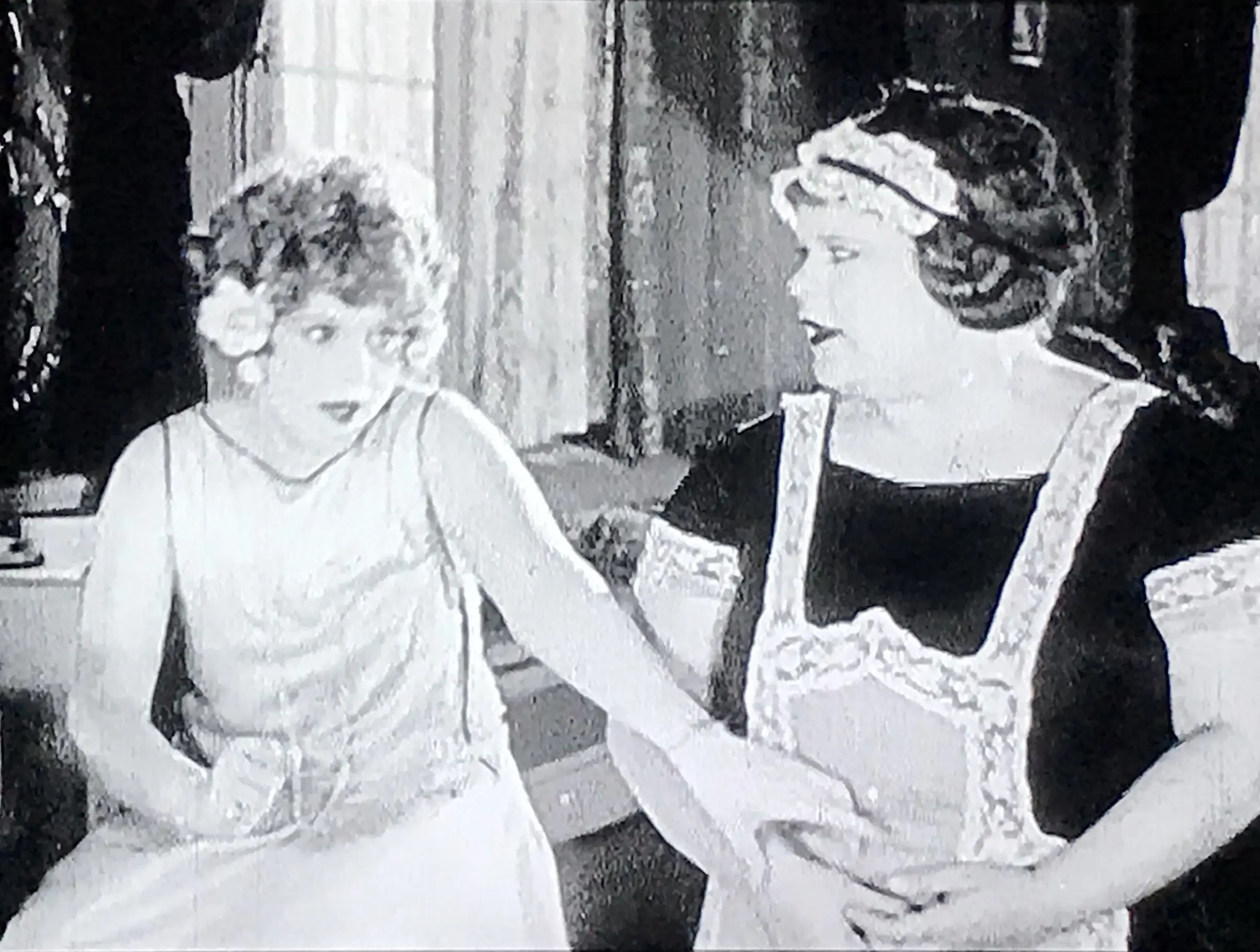
The ruse, however, is short‑lived. A perceptive maid—played with sly wit by Babe London—uncovers Dick’s charade. The ensuing confrontation is a masterclass in silent‑era timing: a rapid exchange of gestures, a tumble down the staircase, and a dramatic ejection that sends Dick crashing through the front door. The scene is punctuated by Billy Bletcher’s exaggerated gasp, a sound effect that, while absent in true silence, is implied through the actors’ exaggerated facial expressions.
Undeterred, Dick’s next stratagem is as absurd as it is inventive. He convinces the maid to spread a rumor that Mary is bald and wears false teeth—a fabrication designed to repel her admirers. This plot twist is a brilliant illustration of the film’s willingness to flirt with the grotesque for comedic payoff. The rumor spreads like wildfire, and the suitors, horrified by the imagined deformities, retreat in disarray. The audience, meanwhile, is left to contemplate the ethics of deception: does the end—protecting Mary’s virtue—justify the means?
The film’s supporting cast adds layers of texture. Lila Leslie, as the dignified matriarch, offers a stoic counterpoint to the chaos, while Charlotte Merriam’s fleeting cameo as a rival suitor injects a moment of genuine pathos. George B. French’s portrayal of the bewildered patriarch provides a grounding presence, reminding viewers that the absurdity unfolds within a recognizable domestic sphere.
Visually, the cinematography employs a restrained palette, allowing the actors’ expressive faces to dominate the frame. The use of chiaroscuro lighting accentuates the secretive nature of Dick’s nocturnal visits, while the occasional burst of daylight underscores moments of revelation. The film’s intertitles are succinct, employing a dry wit that mirrors the on‑screen antics.
Beyond its comedic surface, Call the Wagon engages with broader cultural dialogues. The notion of a man assuming a servant’s role to gain access to a woman reflects contemporary anxieties about class mobility and gender dynamics. In this regard, the film resonates with A Coo‑ee from Home, which also interrogates the intersection of love and social hierarchy.
The narrative’s climax—Dick’s revelation of the bald‑and‑toothless myth—does not culminate in a conventional romantic reunion. Instead, Mary, initially bewildered, ultimately laughs at the absurdity, suggesting a mutual recognition of the farcical nature of their courtship. This resolution subverts the expected happy ending, opting for a more nuanced acknowledgment that love, in its purest form, can endure even the most ridiculous of deceptions.
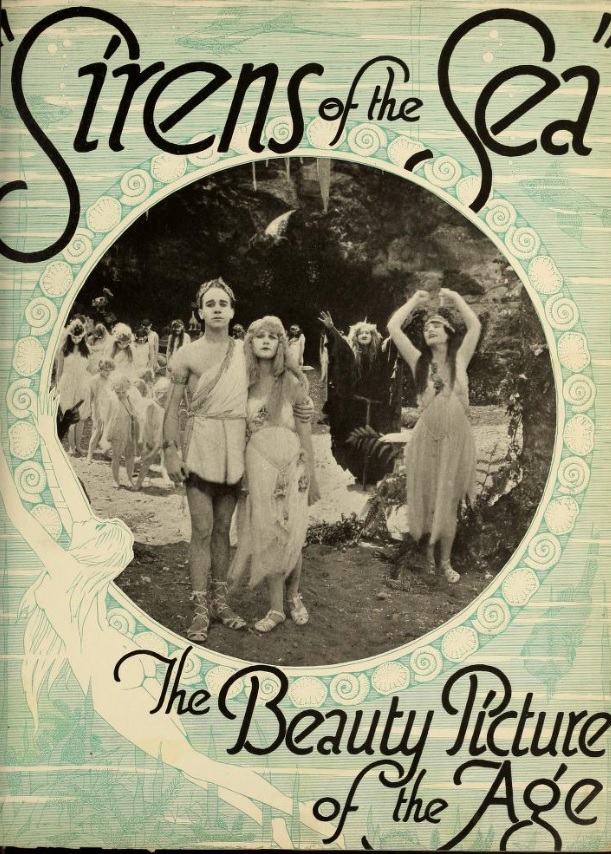
Comparatively, the film shares thematic DNA with Alias Mrs. Jessop, where identity masquerade drives the plot, and with Girl of the Sea, which similarly blends romance with whimsical subterfuge. Yet, Call the Wagon distinguishes itself through its relentless pacing and its willingness to push the boundaries of plausibility.
The screenplay, penned by Robert Hall, is a study in economical storytelling. Each scene propels the narrative forward, and the dialogue—though limited to intertitles—packs a punch of double entendre and clever wordplay. Hall’s script demonstrates an acute awareness of the silent medium’s constraints, using visual gags to supplement the sparse textual cues.
From a modern perspective, the film’s humor may appear dated, yet its underlying commentary on the performative aspects of courtship remains strikingly relevant. In an age where social media personas often eclipse authentic selves, Dick’s butler façade feels eerily prescient. The film invites viewers to question how much of love is genuine and how much is a carefully curated performance.
In terms of legacy, Call the Wagon occupies a modest yet meaningful niche within the silent comedy canon. It may not possess the iconic status of Chaplin’s masterpieces, but its inventive plot mechanics and spirited performances have earned it a place in scholarly discussions of early twentieth‑century cinema. For aficionados of the era, the film offers a delightful glimpse into the era’s narrative daring.
Overall, the film succeeds on multiple fronts: it delivers laugh‑out‑loud moments, it offers a subtle critique of class and gender expectations, and it showcases a cast capable of conveying nuance without uttering a word. The interplay of dark orange accents (#C2410C) in the intertitles, the occasional splash of yellow (#EAB308) in comedic props, and the sea‑blue glints (#0E7490) in background décor create a visual rhythm that mirrors the story’s ebb and flow. For anyone seeking a silent‑era comedy that balances slapstick with thoughtful subtext, Call the Wagon remains a rewarding watch.
IMDb —
1925
Community
Log in to comment.