DbcultAccessing Vault...
Cult Review
Senior Film Conservator
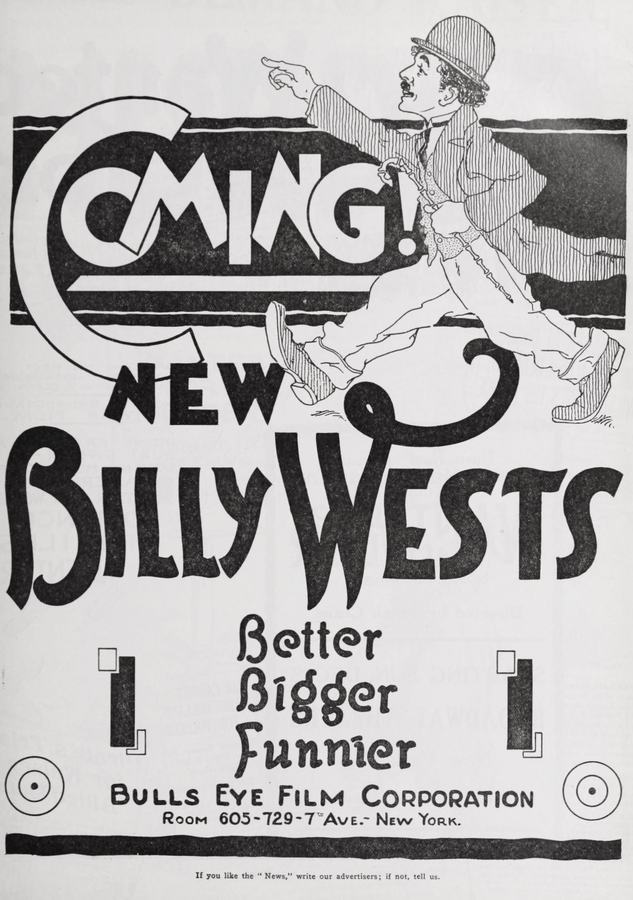
To witness Billy West in the 1917 iteration of The Masquerader is to observe a fascinating intersection of artistry and plagiarism. During an era when the cinematic grammar was still being forged in the fires of the nickelodeon, West occupied a unique, albeit controversial, niche. He was not merely an actor; he was a mirror, a living reflection of Charlie Chaplin’s global phenomenon. Yet, to dismiss this work as derivative is to ignore the granular brilliance of its execution. The film operates on a plane of physical dexterity that rivals the high-stakes drama found in contemporaneous works like Fate's Mockery, though it swaps tragic irony for the visceral impact of a well-timed pratfall.
The narrative architecture of The Masquerader is built upon the foundation of the 'double.' West’s performance is a masterclass in pantomimic nuance, capturing the idiosyncratic twitch of the mustache and the splay-footed waddle with such verisimilitude that the viewer is forced into a state of cognitive dissonance. This isn't just comedy; it is a subversion of identity. While 1917 audiences were treated to the domestic upheavals of The Battle of the Sexes, West was engaging in a different kind of warfare—a battle for the soul of the Everyman character. He navigates the screen with a frantic grace, turning the mundane act of entering a room into a kaleidoscopic display of human fallibility.
Technically, the film is a fascinating relic of the King-Bee production machine. The cinematography, though restricted by the static frame of the period, manages to capture a sense of spatial depth that many of its peers lacked. Consider the way West utilizes the foreground and background to create a sense of impending disaster, a technique that feels more sophisticated than the theatrical staging of Nobody's Wife. There is a rhythmic pulse to the editing; the cuts are timed to the heartbeat of the gag, ensuring that the audience's laughter is never stifled by a lingering shot.
In the broader context of the silent era's evolution, The Masquerader serves as a bridge between the primitive 'chase' films and the more character-driven narratives that would soon follow. It lacks the somber introspection of Behind the Scenes, yet it compensates with a sheer, unadulterated energy. The set pieces are designed with a geometric precision—doors, windows, and furniture become obstacles in a grand obstacle course of the human condition. West’s character is a pinball in a machine designed by a malevolent but hilarious deity.
When we juxtapose West’s comedic timing with the suspenseful atmosphere of Hole in the Wall, we see the burgeoning versatility of the medium. Comedy in 1917 was not an isolated island; it drew from the same well of human anxiety that fueled the dramas of the day. The fear of social ostracization, so prevalent in The Safety Curtain, is played for laughs here, as West’s protagonist attempts to maintain a facade of respectability amidst crumbling circumstances. The 'masquerade' of the title is a multifaceted metaphor—it refers to the character's disguises, West's mimicry of Chaplin, and the inherent artifice of the cinematic image itself.
The film also shares a strange DNA with The Sudden Gentleman, exploring themes of class upward-mobility through the lens of the absurd. West's character is often thrust into environments where he does not belong, and his struggle to adapt provides the narrative's primary tension. This tension is never resolved through dialogue—which, of course, is absent—but through the eloquent language of the body. Every shrug, every blink, and every frantic escape attempt tells a story of survival in an increasingly mechanized world.
The lighting in The Masquerader is surprisingly nuanced for a short-form comedy. While it lacks the expressionistic shadows of The Isle of the Dead, it utilizes high-contrast lighting to emphasize the protagonist's facial expressions. The camera lingers on West’s eyes, capturing a flicker of desperation that elevates the performance beyond mere buffoonery. It is this emotional core that separates a great silent comedian from a mediocre one. Even when the plot descends into the sheer absurdity of The Matrimaniac, there is a groundedness to West’s physical presence that keeps the audience anchored.
Consider the scene involving the grand ballroom—a sequence that rivals the opulence of Madame Butterfly in its ambition, if not its budget. Here, the masquerade reaches its zenith. West moves through the crowd like a ghost in the machine, a disruptive element that exposes the vanity of the elite. It is a classic trope, yet executed with such infectious enthusiasm that it feels revolutionary. The supporting cast, often overlooked in analyses of West’s work, provides the necessary friction. They are the 'straight men' to his chaotic force, their rigid adherence to social norms providing the perfect canvas for his anarchic brushstrokes.
To watch The Masquerader today is to engage with a ghost. We are watching an actor who spent his career in the shadow of a giant, yet in this specific film, West manages to find a voice that is almost his own. There is a darker edge to his comedy, a sense of frantic urgency that Chaplin often smoothed over with pathos. West’s tramp is less a poet and more a survivor, a distinction that aligns him more closely with the gritty realism of Under Suspicion than the sentimentalism of 'The Kid.'
This film also invites comparison to the intricate social satires of The Kinsman. Both films deal with the instability of identity and the ease with which one can be replaced or mistaken for another. In the world of The Masquerader, identity is a costume that can be donned or discarded at will. This theme resonates with the haunting ambiguity of The Ghost Girl, suggesting that beneath the surface of early cinema's genres—be it horror, drama, or comedy—lay a profound anxiety about the nature of the self in the modern age.
One cannot ignore the sheer physical toll of the stunts performed. In an age before CGI and sophisticated safety rigging, every fall was a risk. The athleticism on display here is staggering. While the dramatic weight of Magda relied on emotional endurance, West’s work relied on physical stamina. The pacing of the film is relentless; it starts at a gallop and ends in a sprint, leaving the viewer breathless. This tempo is a testament to the directorial vision that understood the limitations of the short-film format and sought to maximize every second of screen time.
The use of intertitles is sparse, allowing the visual storytelling to carry the heavy lifting. This is pure cinema, unadorned by the crutch of excessive text. It shares this purity with The Eternal Temptress, though the two films occupy opposite ends of the tonal spectrum. Where one uses the image to seduce, the other uses it to provoke laughter. Yet, both understand that the power of the medium lies in the movement of light and shadow across the screen.
As we deconstruct the final sequences of The Masquerader, we are left with a profound sense of the ephemeral nature of fame. Billy West is a name largely forgotten by the general public, overshadowed by the very man he sought to emulate. Yet, within the frames of this film, he achieved a kind of immortality. He captured the spirit of an era that was defined by upheaval and transformation. The film is a time capsule, preserving the aesthetics, the humor, and the social anxieties of 1917.
In conclusion, The Masquerader is a vital piece of the silent film puzzle. It challenges our notions of originality and forces us to appreciate the craft of the imitator. It is a film that rewards close viewing, revealing layers of technical sophistication and thematic depth that are often missed in a casual viewing of slapstick. Whether compared to the high-stakes drama of the period or the experimental horror of the time, it stands as a testament to the versatility and enduring power of the moving image. It is a masquerade worth attending, a performance that, despite its derivative origins, rings with a truth that is entirely its own.
IMDb 6
1935
Community
Log in to comment.