DbcultAccessing Vault...
Cult Review
Senior Film Conservator
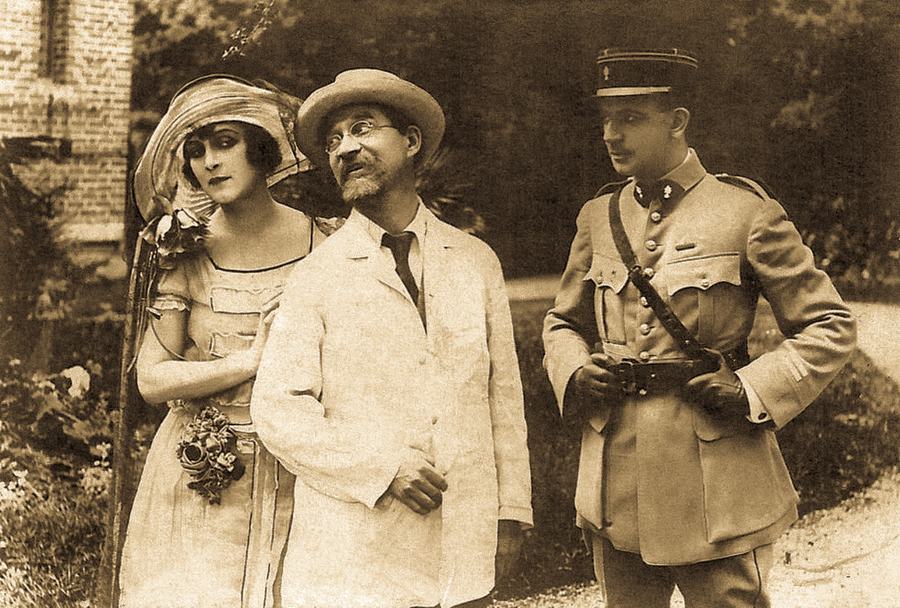
Calvaire d’amour is not a film to be watched—it is a storm to be weathered. Directed by Noelle Bazan and Viktor Tourjansky, this 2023 indie masterpiece is a visceral plunge into the depths of romantic despair, where every frame seems to scream, "Do not look away." With a cast led by Nathalie Lissenko and Charles Vanel, it is a film that lingers in the mind like a scar, its beauty as painful as its truths. This is not merely cinema; it is a ritual of confession, a modern calvary where love is both martyr and executioner.
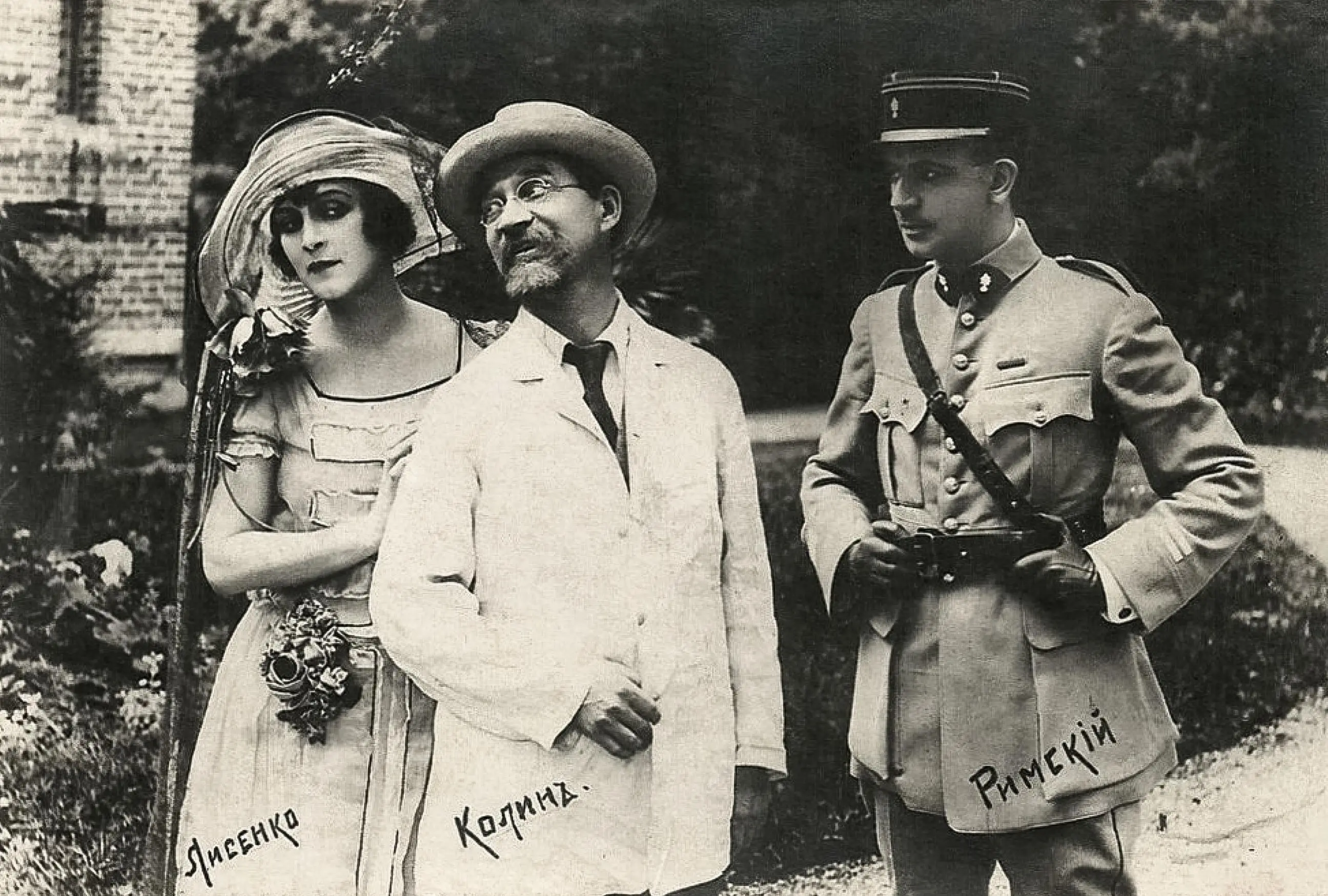
Nathalie Lissenko’s performance as Élodie is a masterclass in restrained intensity. Her portrayal of a woman trapped in a decaying provincial town is equal parts seduction and suffering, her gaze often drifting to the horizon as if searching for a world beyond the rot. Charles Vanel, as the tormented playwright Lucien, is a revelation. His monologues—wrenched from the soul—recall the poetic anguish of The Wild Party but with a rawness that shatters the audience. Nicolas Rimsky and Nicolas Koline, as the brothers embroiled in the central conflict, embody the duality of human nature: one a viper, the other a dove, both poisoned by the same vine.
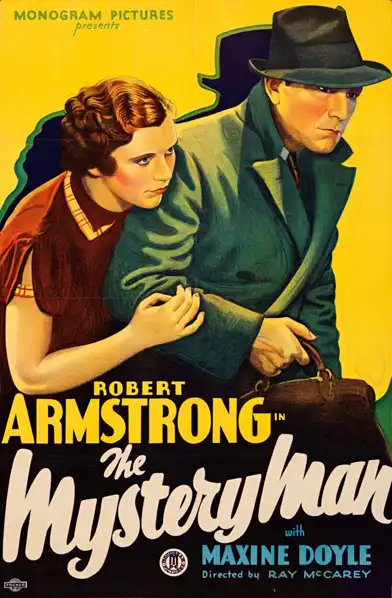
Bazan and Tourjansky’s direction is a masterstroke of chiaroscuro storytelling. The film’s decaying townscape—a mix of Gothic arches and crumbling facades—feels less like a setting and more like a character in its own right. The cinematography, drenched in amber and shadow, owes a debt to The Mysteries of Souls, but the directors elevate it with an almost hallucinatory energy. One scene, where Élodie dances in a rain-soaked graveyard, is a visual hymn to despair, her white dress a ghost against the blackened earth.
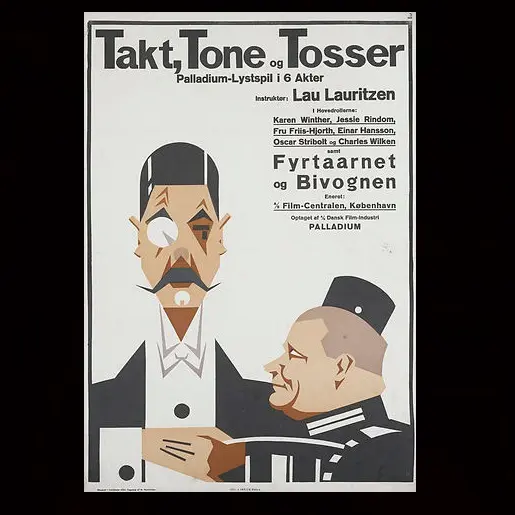
Calvaire d’amour is a meditation on love’s paradoxes. Is it a divine spark or a self-destructive fever? The film suggests both, weaving through themes of existential futility and the grotesque beauty of human obsession. The crucifix in the brothel—a recurring motif—is both a mockery of religion and a symbol of the characters’ own sacred sacrifices. In this, it finds kinship with Der Rätselhafte Klub, but where that film embraced abstraction, Calvaire roots its themes in the visceral.
The film’s score, a blend of dissonant strings and ambient drones, is a character in its own right. It swells like a tide during Élodie’s climactic confession, drowning the audience in the weight of her words. The editing—jittery, fragmented—echoes the characters’ fractured psyches, a technique reminiscent of Strange Idols but with a more deliberate, almost masochistic pacing.
While Calvaire d’amour may not appeal to those who crave narrative clarity, it is a triumph for those who seek cinema as a form of ritual. It is a film that demands to be experienced in a dark theater, where the lights go out and the world of Élodie and Lucien becomes your own. In an era of sleek, algorithmic storytelling, this film is a jagged, glorious outlier—a testament to the power of art to wound and heal in equal measure.
Calvaire d’amour is not just a film; it is an exorcism. It will not be for everyone—its bleakness is unrelenting—but for those who embrace its fervor, it is a transcendent experience. A bold, unflinching work that will echo in your mind long after the credits roll. It is the kind of film that reminds us why we go to the movies: to feel, to shatter, and perhaps, to begin again.
IMDb 6.9
1923
Community
Log in to comment.