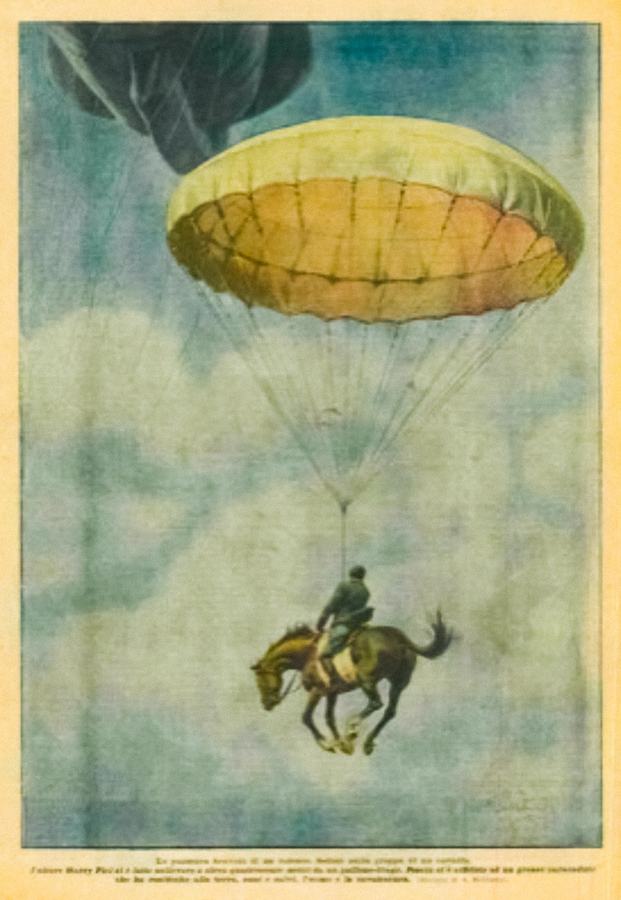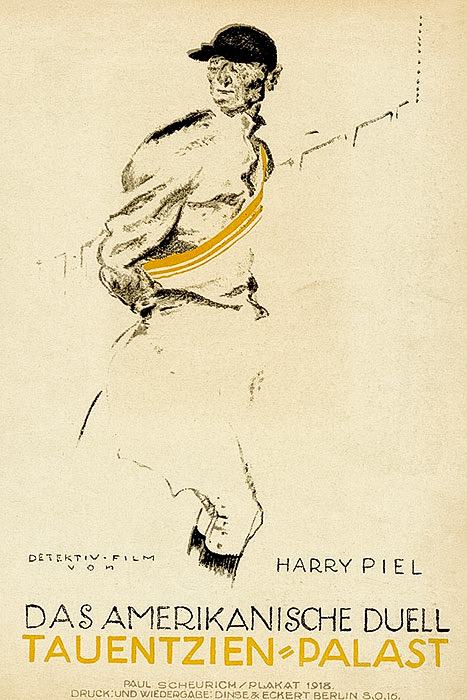
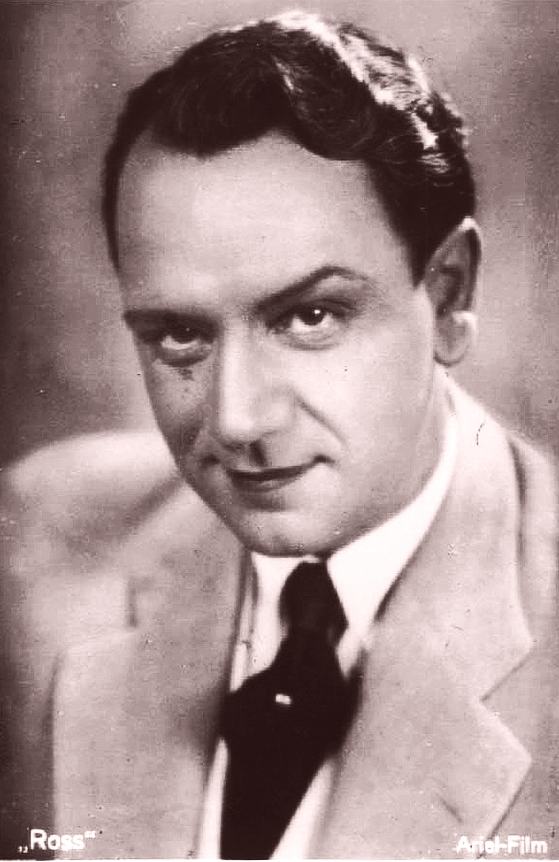
The first glimpse of the Sphinx-Club is a vertiginous iris-shot that sucks you through a keyhole into a universe where gilded griffins leer at chorus girls kicking in perfect synchrony. Cinematographer Carl Hoffmann—moonlighting from his Expressionist chores—bathes the proscenium in a sulphuric glow that feels equal p...


Comparing the cinematic DNA and archive impact of two defining moments in cult history.
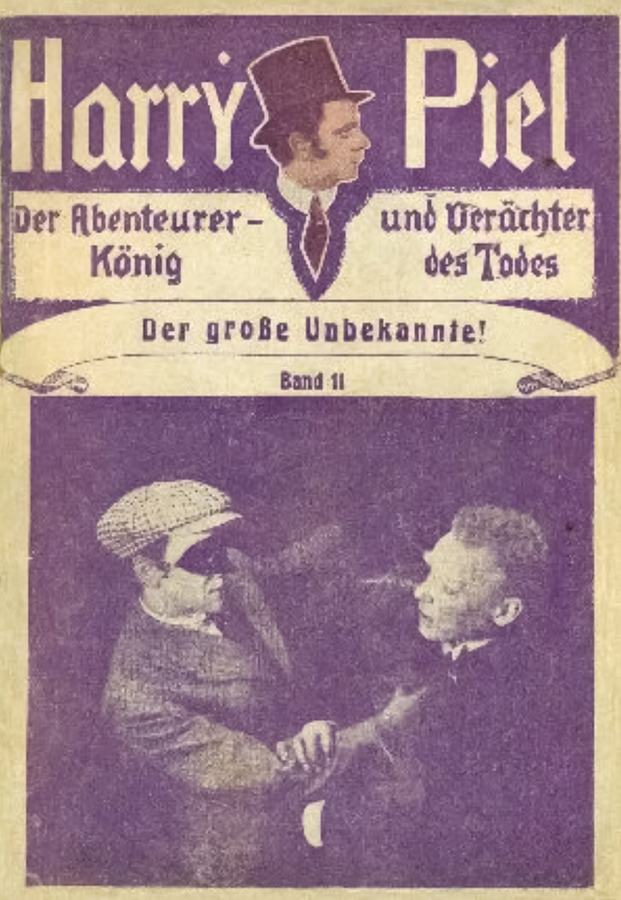
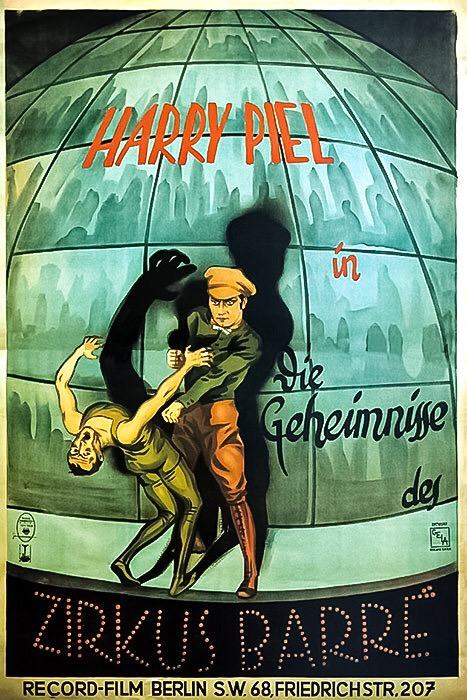
Harry Piel

Harry Piel
Community
Log in to comment.
" The first glimpse of the Sphinx-Club is a vertiginous iris-shot that sucks you through a keyhole into a universe where gilded griffins leer at chorus girls kicking in perfect synchrony. Cinematographer Carl Hoffmann—moonlighting from his Expressionist chores—bathes the proscenium in a sulphuric glow that feels equal parts cathedral and abattoir. The camera then pirouettes above the audience, revealing monocled silhouettes whose faces are never quite in focus, as though the film itself refuses t..."
Paula Barra
Harry Piel, Max Bauer
Germany
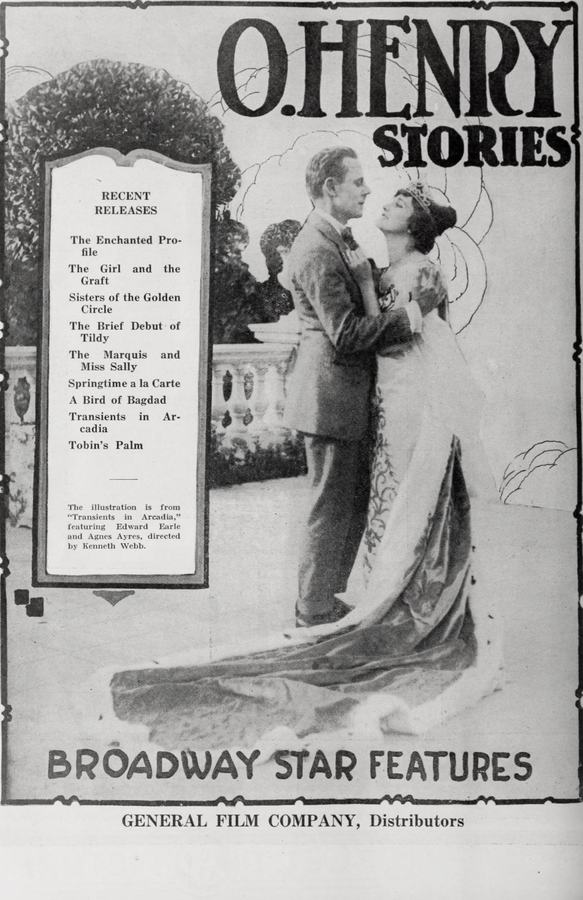

Deep dive into the cult classic
Discover similar cinematic experiences
A Directorial Spotlight on Harry Piel