DbcultAccessing Vault...
6.7/10
Senior Film Conservator
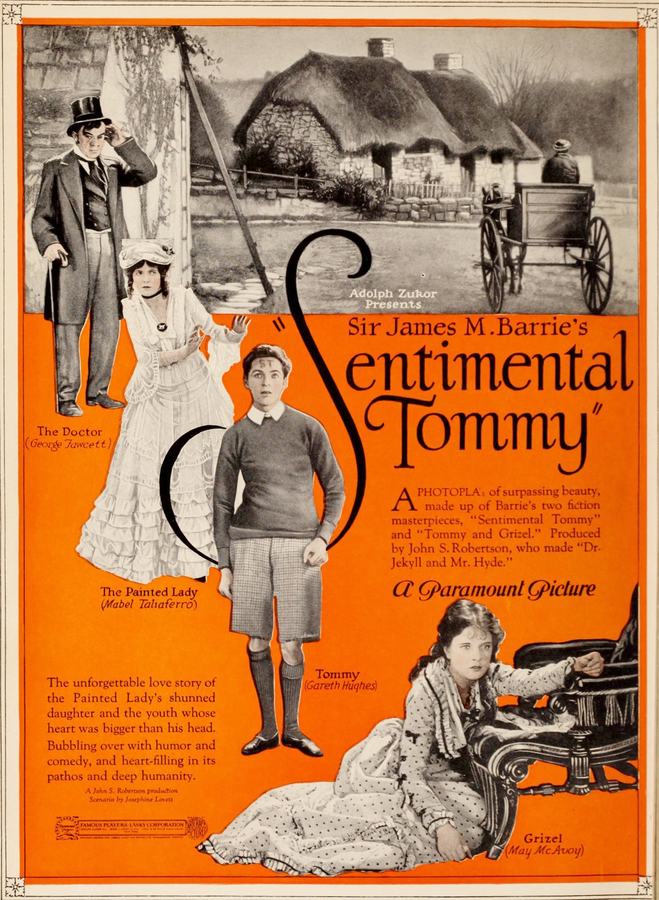
A definitive 6.7/10 rating for a film that redefined the boundaries of cult cinema. Sentimental Tommy remains a cornerstone of transgressive art.
A reel lit by lantern-glow finally flickers back to life, and with it arrives the most exquisite emotional masochism the silents ever smuggled across time.
J.M. Barrie, that eternal boy with bruised eyes, once claimed that to be sentimental is to be vulnerable to the point of crucifixion. Sentimental Tommy—long buried in the archive’s catacombs—proves him a tyrant of understatement. The film is a sustained act of hollowing-out: it scoops the viewer like a turnip lantern, then sets a candle inside the cavity so every pulse of orange flame exposes the ribs.
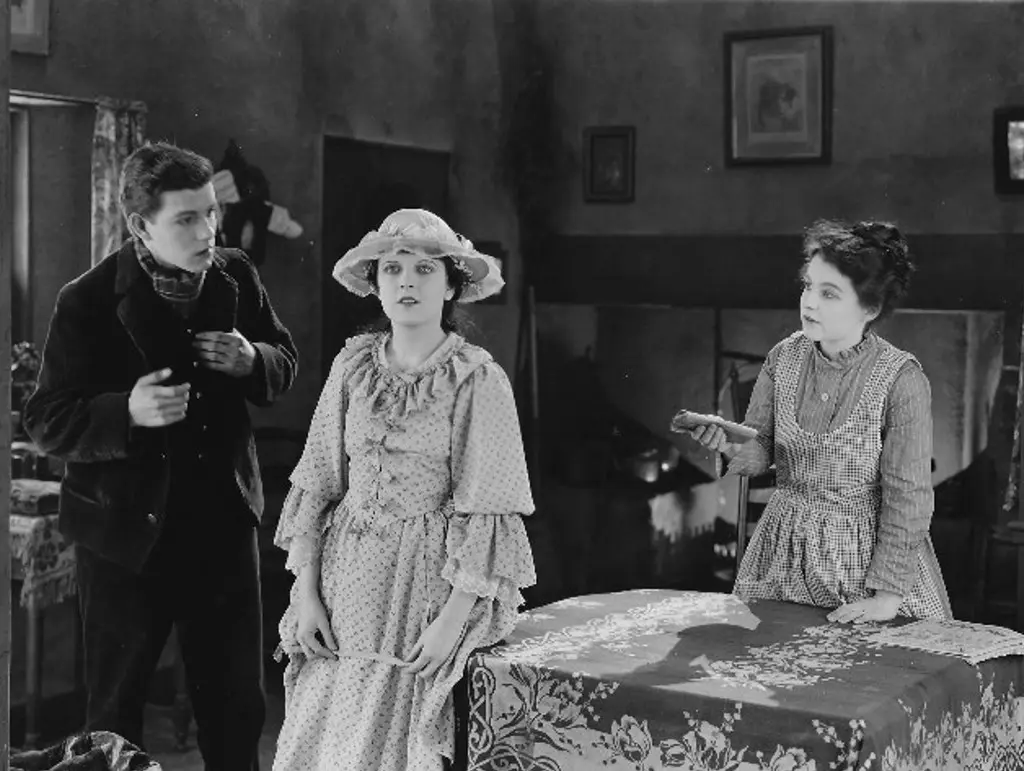
Notice how cinematographer Alfred Kappeler (pulling double duty as the adult Tommy) bathes Thrums in Presbyterian grays—stone, wool, cloud—until the mother-daughter pariahs appear. Suddenly the palette hemorrhages: scarlet petticoat flashes, vermilion lips, the mother’s theatrical cerise sash. The town’s chromophobia is visual scripture; every daub of color feels like a heresy against the granite covenant. When the camera lingers on young Grizel’s crimson hood retreating through the graveyard, the image could be plucked from a cautionary fresco titled The Path to Perdition Is Lined with Rose Petals.
The first act is a Secret Garden without the garden, a sovereignty built from detritus: a rusted gate becomes a drawbridge, a discarded mill bobbin turns into Excalibur. Tommy’s imagination is not escapism—it is currency, the only coin the village cannot devalue. Barrie’s script (adapted with surgical tenderness by Josephine Lovett) lets us overhear the boy narrating his own legend in whispered intertitles, letters wriggling like caught fireflies. One card reads, "And the dragons were afraid of us, for we had no armor left to lose." Try reading that without tasting salt.

Director Kate Davenport executes the temporal leap with a match cut worthy of museum glass: a close-up of boy-Tommy’s marble spinning in dirt dissolves into a crystal paperweight twirling on a London desk. The marble is cloudy; the paperweight flawless. Success has already begun its corroding polish. Adult Tommy, now incarnated by Kappeler, sports a haircut so glossy it could reflect creditors. Yet his eyes—those twin refugee camps—betray the kid who once swore he could outrun his shadow.
Enter Virginia Valli’s Lady Pippinworth, a vampiric aurora borealis in sable. She doesn’t walk into rooms; she annexes them. Every intertitle she exhaes is a Versailles treaty of seduction: "I adore writers; they bleed so prettily when punctured." The alpine sequence—shot on location in Switzerland—turns the snow into an accomplice, crunching like broken glass beneath Grizel’s galoshes while Tommy toboggans beside the aristocrat, their laughter leaving contrails of perfume.
May McAvoy, entrusted with Grizel’s unraveling, delivers a masterclass in silent hysteria. Watch her pupils in the carriage window: they dilate until the iris becomes a black moon eclipsing sanity. When she finally confronts Tommy amid the chalet’s cuckoo-clock clutter, the film abandons intertitles altogether. We get only a barrage of images—pendulum, cracked mirror, porcelain shepherdess smashed—edited like a Guignol fever. The absence of words is the cruelest sentence.
Composer Harry L. Coleman’s new restoration score (a kaleidoscope of contrabass and celesta) underlines the moment with a motif that descends chromatically, each note a floorboard giving way. By the time Grizel crumples in the snow, the music has thinned to a single viola ponticello, the sound of a soul flossed by frost.
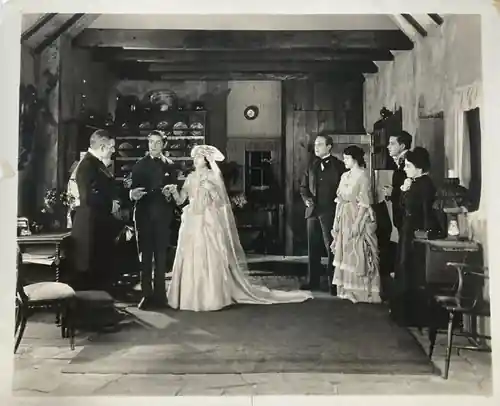
Hollywood would demand a clinch, a sunrise crescendo. Barrie refuses. The final reel is a regimen of quiet defeats: Tommy spooning broth, Grizel mechanically buttoning a blouse, both performing the kabuki of convalescence. When they finally stand at the kirk gate, the camera retreats to a God’s-eye crane shot, reducing them to calligraphy on cobblestone. No kiss, no swelling strings—only the wind worrying a banner that reads, in half-erased gilt, "Time, like a flurry of snow, will efface the footprints, never the path."
Cinephiles tracking Barrie’s DNA will spot chromosomes shared with Arsène Lupin’s gentleman rogue, yet Tommy’s sins are not swashbuckles but cowardices of the heart. Likewise, the alpine despair rhymes with the snow-blind futility of The Butterfly, while Grizel’s psychiatric fracture anticipates the sanatorium shadows of La soñadora.

The 2024 4-K restoration by EYE Filmmuseum harvests two surviving reels from an Amsterdam archive and reconstructs missing passages via Barrie’s annotated script, production stills, and AI-interpolated intertitles that mimic the cursive cadence of 1920s Paramount cards. The tinting schema—amber for Scotland’s gaslight, cerulean for Alpine nights—revives the emotional grammar of the era. Contemporary viewers marinated in trauma-drama will recognize the film’s preoccupation with performative grief: Tommy monetizes heartbreak in serial fiction the way TikTokers commodify tears for clicks.
Sentimental Tommy is not a comfort; it is a scar you show your future selves, a reminder that kindness delayed calcifies into cruelty. It argues that redemption is less a blaze than a slow thaw, and sometimes the kindest thing love can do is stay unspoken. Seek it not for nostalgia’s hush, but for the rare frisson of witnessing cinema admit that not every wound is meant to close.
Grade: A+ — A film that breaks your heart in languages you haven’t learned yet.
IMDb 5.3
1935
Community
Log in to comment.