DbcultAccessing Vault...
5.5/10
Senior Film Conservator
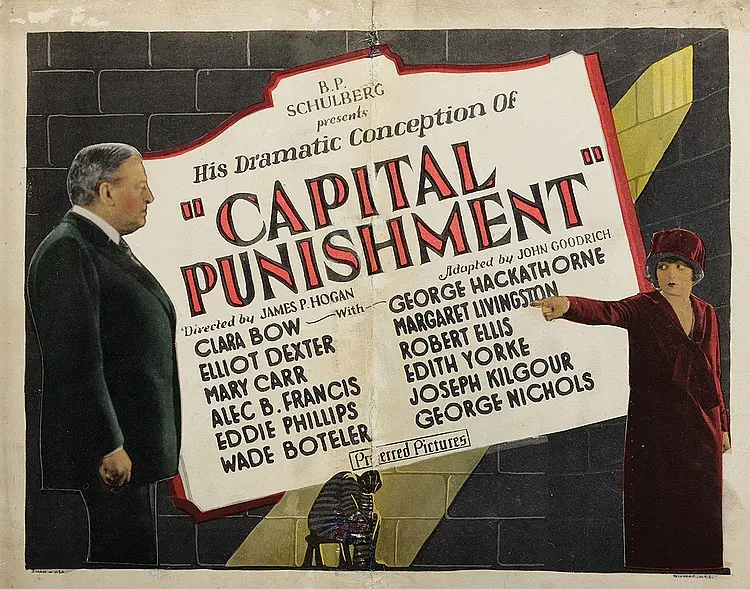
A definitive 5.5/10 rating for a film that redefined the boundaries of cult cinema. Capital Punishment remains a cornerstone of transgressive art.
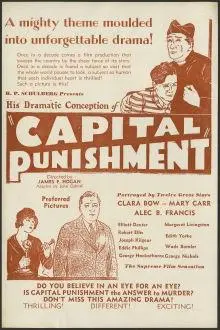
In the annals of silent cinema, certain films stand out not merely for their technical prowess or star power, but for their audacious willingness to tackle profound social and ethical questions. B.P. Schulberg’s 1925 production, Capital Punishment, is unequivocally one such work. More than a mere melodrama, it functions as a societal mirror, reflecting the anxieties and moral quandaries surrounding the death penalty long before such debates became commonplace in mainstream discourse. This isn't just a film; it's a philosophical inquiry wrapped in a gripping narrative, daring to ask: what if the system designed to deliver ultimate justice is, in fact, capable of the ultimate injustice?
The premise, crafted with unsettling ingenuity by writers John F. Goodrich and Florence L. Gilbert, under the guiding hand of Schulberg himself, is shockingly prescient. Imagine a clandestine experiment, conceived by a group of prominent citizens—doctors, lawyers, philanthropists—who wish to definitively prove the deterrent effect of capital punishment. Their method? To frame an innocent man for a murder that never even occurred, orchestrating a full trial, conviction, and even the chilling preparation for execution, all under the guise of an elaborate, controlled simulation. The sheer audacity of this concept is breathtaking, particularly for its era. It immediately sets a tone of intellectual challenge, inviting the audience to grapple with the ethical labyrinth laid out before them.
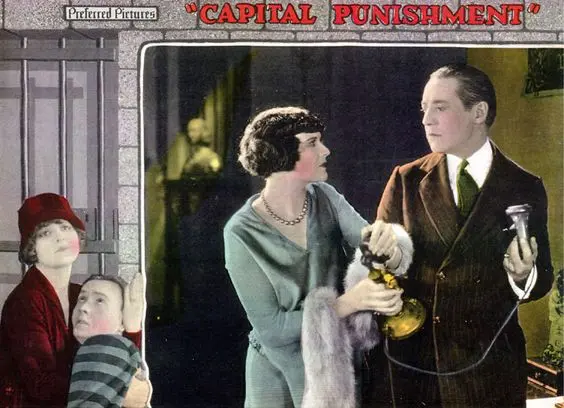
At the heart of this audacious experiment is Harry Phillips, portrayed with a compelling blend of naiveté and burgeoning terror by Robert Ellis. Ellis’s performance is a masterclass in silent film acting, conveying a man utterly bewildered by the Kafkaesque nightmare engulfing him. His initial disbelief, slowly morphing into panic, and finally settling into a profound, soul-crushing despair, is palpable. We witness his gradual unraveling not through dialogue, but through the subtle shifts in his posture, the widening of his eyes, the tremor of his hands. It’s a performance that anchors the film’s moral weight, ensuring that even amidst the grand philosophical debate, the audience never loses sight of the singular, agonizing human experience at stake. His plight is a stark reminder of the individual crushed by the indifferent machinery of the state, a theme that resonates with similar narratives of wrongful accusation, though perhaps less overtly experimental, found in films like The Prodigal Liar, where deceit similarly entraps an unsuspecting soul.
The orchestrators of this macabre charade are equally fascinating, their motivations a complex blend of intellectual curiosity, misguided conviction, and perhaps a touch of hubris. Alec B. Francis, as the lead proponent of the experiment, embodies the well-intentioned but ultimately dangerous intellectual. His conviction in the righteousness of his cause is absolute, yet a subtle undercurrent of doubt begins to surface as the simulated reality inches closer to horrifying truth. Margaret Livingston, as the initially detached observer, provides a crucial counterpoint. Her evolution from clinical participant to a woman grappling with the immense moral implications of their actions is one of the film’s most nuanced arcs. She becomes the audience's conscience, her growing unease mirroring our own as the situation spirals beyond the experimenters’ control.
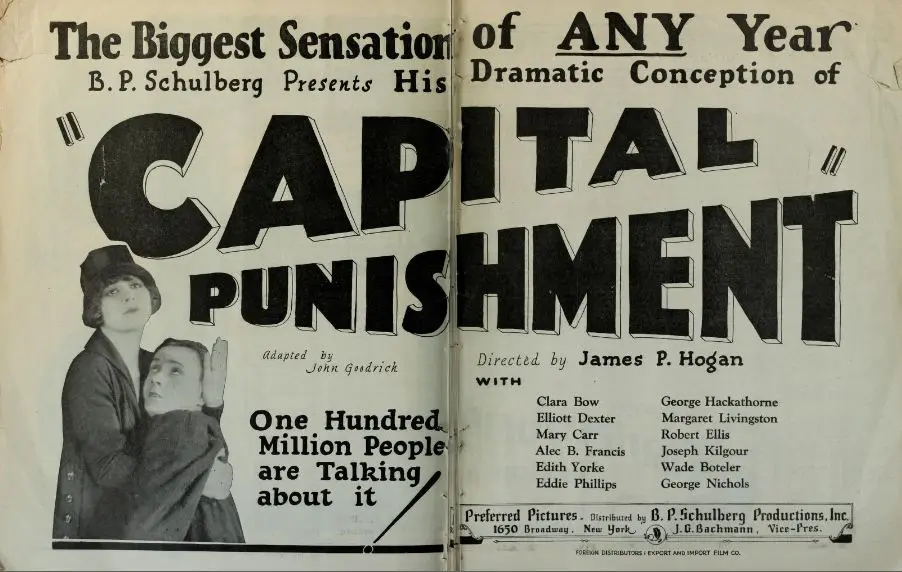
The supporting cast is a formidable assembly, each actor contributing to the film’s intricate tapestry of human emotion and societal roles. Edith Yorke, Eddie Phillips, and Wade Boteler, among others, fill out the ranks of the experimenters and the legal system, portraying a spectrum of reactions from cold calculation to dawning horror. Mary Carr, often a beacon of maternal warmth in her roles, here brings a poignant vulnerability, further amplifying the human cost of the experiment. Joseph Kilgour and John T. Prince, as members of the judicial apparatus, lend an air of authenticity to the courtroom scenes, making the procedural aspects feel chillingly real despite the underlying deception.
Even in smaller roles, talents like Clara Bow shine, hinting at the effervescent star she would soon become. Though her screen time might be limited, her presence adds a layer of youthful innocence that starkly contrasts with the grim proceedings. George Hackathorne, another notable presence, contributes to the emotional resonance, ensuring that the film’s moral quandary is felt not just intellectually, but viscerally. The ensemble’s collective performance ensures that the film is not just a high-concept piece, but a deeply human drama, reminiscent of the intricate character work found in other socially conscious silent films exploring moral decay, such as The Yellow Traffic.
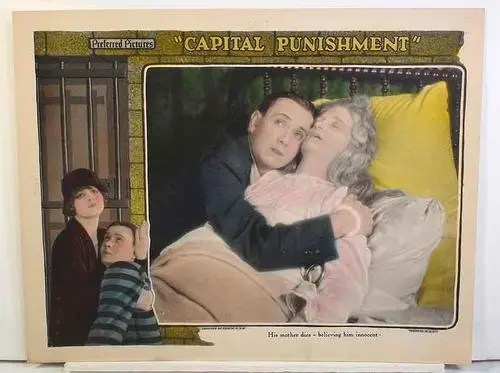
The direction of Capital Punishment is remarkably assured, especially given the complexity of its narrative. The film masterfully builds suspense, carefully ratcheting up the tension as the execution looms closer. The use of intertitles is particularly effective, not just conveying dialogue but also internal thoughts and moral dilemmas, adding layers of psychological depth. The cinematography, while perhaps not as overtly experimental as some European contemporaries like La terre, is nonetheless highly functional and evocative. Shadows are employed to great effect, deepening the sense of dread and moral ambiguity that permeates the narrative. Close-ups are used judiciously to highlight the subtle emotional shifts in the characters' faces, allowing the audience to intimately connect with their internal struggles.
The pacing is deliberate, allowing the audience to fully absorb the gravity of each stage of the judicial process, from arrest to trial to the final walk. This methodical approach enhances the film's message about the irreversible nature of capital punishment. The film doesn't rush to its conclusions; instead, it forces viewers to sit with the discomfort of the unfolding injustice, making them complicit observers in the experiment. This deliberate pacing and focus on procedural detail also brings to mind the legal intricacies explored in films like The Coming of the Law, though Capital Punishment takes a far more cynical view of the legal system's infallibility.
What truly elevates Capital Punishment beyond a mere historical curiosity is its profound thematic resonance. It’s a blistering critique of the death penalty, not just on humanitarian grounds, but on the very practical basis of human fallibility. The film argues, with stark clarity, that no system, no matter how meticulously designed, can ever be immune to error, and when that error costs a life, it becomes an unforgivable stain on society’s conscience. The ‘complications’ that arise in the plot are not just narrative devices; they are the inevitable consequence of hubris, the unpredictable variables of human emotion and external events that no controlled experiment can fully account for.
The film also touches upon themes of class and power, albeit subtly. The experimenters are figures of authority and influence, their actions largely unchecked, highlighting the potential for those in power to manipulate systems for their own intellectual or moral crusades, regardless of the human cost. This echoes the social critiques found in other films of the era that scrutinized the darker underbelly of society, such as Forbidden Fruit (1921), which similarly dissected moral dilemmas and societal pressures.
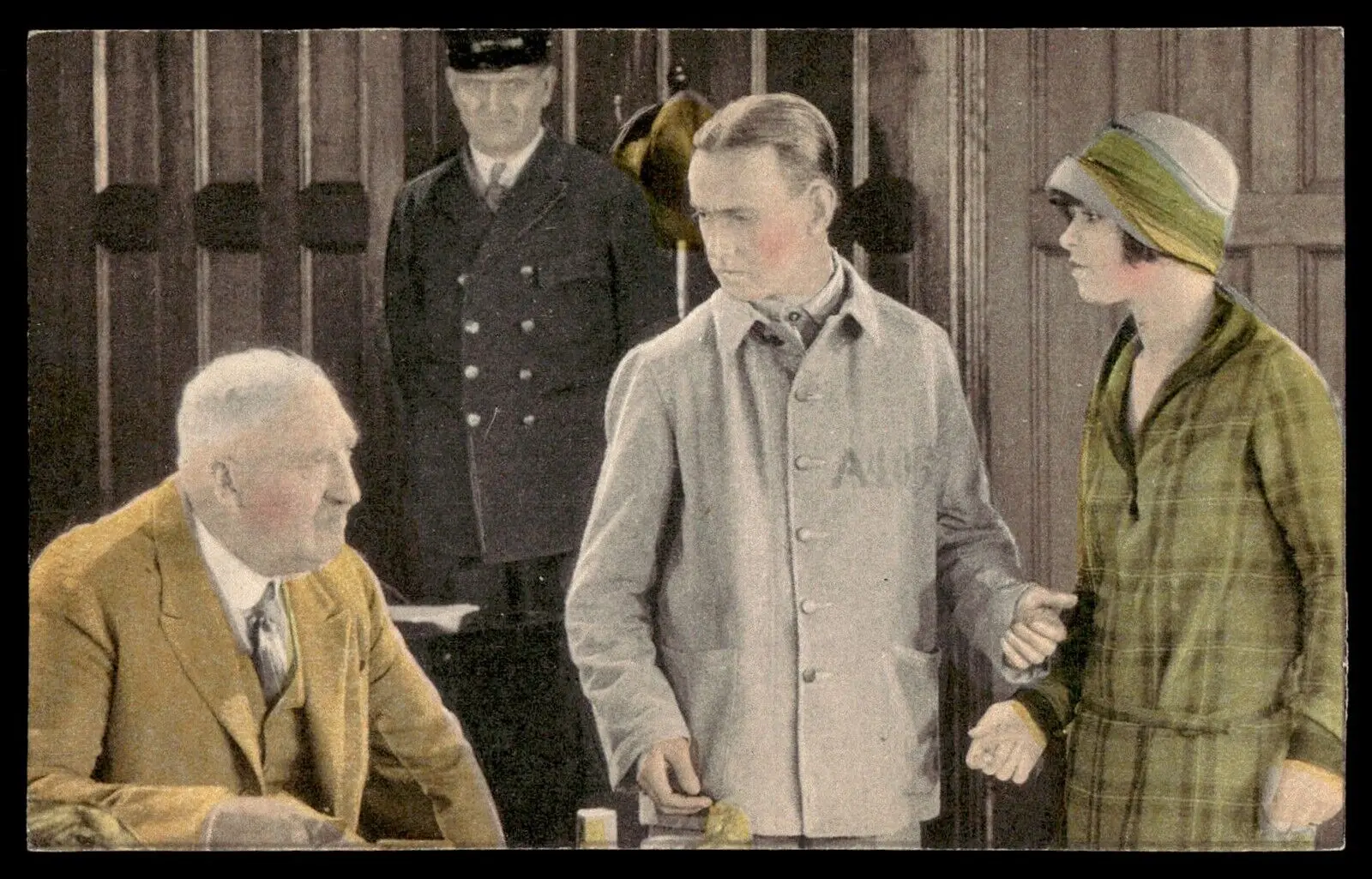
The shift in the experimenters’ resolve, particularly as the final moments approach, is a powerful statement on the psychological toll of their actions. The intellectual detachment crumbles under the weight of impending, irreversible death. This transformation is crucial, as it humanizes the antagonists and transforms the film from a simple cautionary tale into a complex exploration of guilt, responsibility, and the limits of human control. The film suggests that while one might intellectually debate the efficacy of capital punishment, witnessing its application, even a simulated one, forces a confrontation with its brutal reality.
Decades later, Capital Punishment remains remarkably relevant. In an age where discussions about wrongful convictions, judicial reform, and the ethics of the death penalty continue to rage, this silent film serves as a stark, timeless reminder of the profound dangers inherent in a system that wields the power of life and death. It’s not just a historical artifact; it’s a living document of a perennial moral struggle. While other films from the era might focus on lighter fare or grander spectacles, Capital Punishment chose to delve into the very foundations of justice and morality, leaving an indelible mark on those who encounter its potent message.
The film’s power lies in its ability to force introspection. It compels viewers to question not just the death penalty itself, but the broader concept of human infallibility and the potential for systems, even those designed for good, to go awry. It’s a testament to the vision of its writers, John F. Goodrich, Florence L. Gilbert, and B.P. Schulberg, that they crafted a narrative so enduringly potent. For cinephiles and those interested in the intersection of art and social commentary, Capital Punishment is not merely a film to be watched; it’s an experience to be pondered, discussed, and learned from. It stands as a chilling, yet profoundly important, chapter in the history of cinema’s engagement with the most challenging questions facing humanity.
IMDb 6.5
1922
Community
Log in to comment.