DbcultAccessing Vault...
Cult Review
Senior Film Conservator
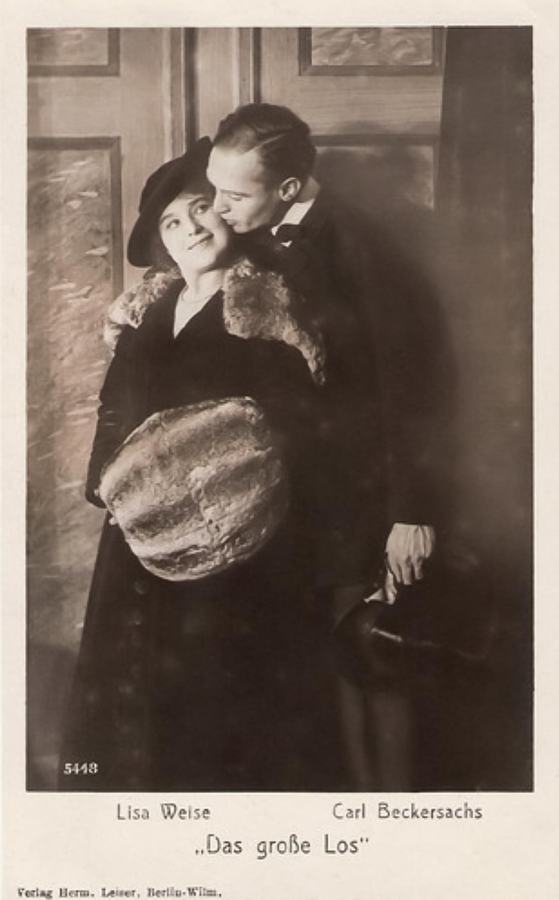
The year 1917 stands as a monumental pivot in the history of global aesthetics, and within the burgeoning German film industry, Das große Los serves as a fascinating specimen of pre-Expressionist narrative audacity. While the world outside the studio walls was embroiled in the cataclysm of the Great War, Rudolf Strauß and Karl Singer crafted a script that looks inward, dissecting the aspirations and foibles of the common man with a surgical precision that feels startlingly contemporary. This is not merely a relic of the silent era; it is a vibrant, breathing critique of the capitalist dream, wrapped in the deceptive packaging of a situational comedy.
At the heart of this cinematic endeavor lies the concept of the 'big win'—a trope that has permeated storytelling since the dawn of currency. However, in the hands of Hermann Picha, the protagonist's journey from obscurity to sudden affluence is treated with a level of histrionic depth that elevates the material. Unlike the more melodramatic approach found in The Greater Law, where fate is often a heavy-handed arbiter of tragedy, Das große Los treats fortune as a chaotic, almost trickster-like deity. The lottery ticket is not just a slip of paper; it is a mirror reflecting the hidden desires and inherent hypocrisies of everyone it touches.
The narrative architecture is built upon a series of increasingly absurd social escalations. As Picha’s character attempts to shed his working-class skin, the film utilizes physical comedy to highlight the friction between his authentic self and the rigid expectations of the elite. This thematic preoccupation with class performance mirrors the struggles seen in The Road to Love, yet here, the tone is decidedly more cynical. There is a palpable sense that the protagonist is entering a lion's den where the currency of admission is not just gold, but the soul itself.
Hermann Picha delivers what can only be described as a masterclass in silent-era character acting. His face is a topography of anxiety and elation, shifting with a fluidity that predates the more stylized movements of the 1920s. He is ably supported by Karl Beckersachs, whose presence provides a grounded, almost stoic counterpoint to Picha’s kinetic energy. The chemistry between the cast members suggests a deep understanding of the ensemble dynamic, a feat often missing in the more star-focused productions of the time like God's Man.
Lisa Weise, playing a pivotal role in this domestic upheaval, brings a necessary emotional gravity to the proceedings. Her character serves as the moral compass in a world spinning off its axis. When compared to the ingenue roles in An Amateur Orphan, Weise displays a sophisticated agency, navigating the shifting tides of her family's fortune with a mixture of pragmatism and grace. The supporting turns by Hermann Hellweger and Berthold Rose round out a cast that feels lived-in, contributing to a sense of realism that anchors the film’s more farcical elements.
Visually, Das große Los is a testament to the ingenuity of early German cinematographers. While it lacks the overt distortion of later masterpieces like *Caligari*, one can see the seeds of Expressionism in the way shadows are utilized to isolate characters during moments of internal conflict. The set design, particularly the transition from the cramped, cluttered proletarian living spaces to the sterile, cavernous halls of the wealthy, serves as a visual metaphor for the protagonist's alienation. This spatial storytelling is reminiscent of the atmospheric tension found in The Land of the Lost, though applied here to a much more terrestrial and satirical landscape.
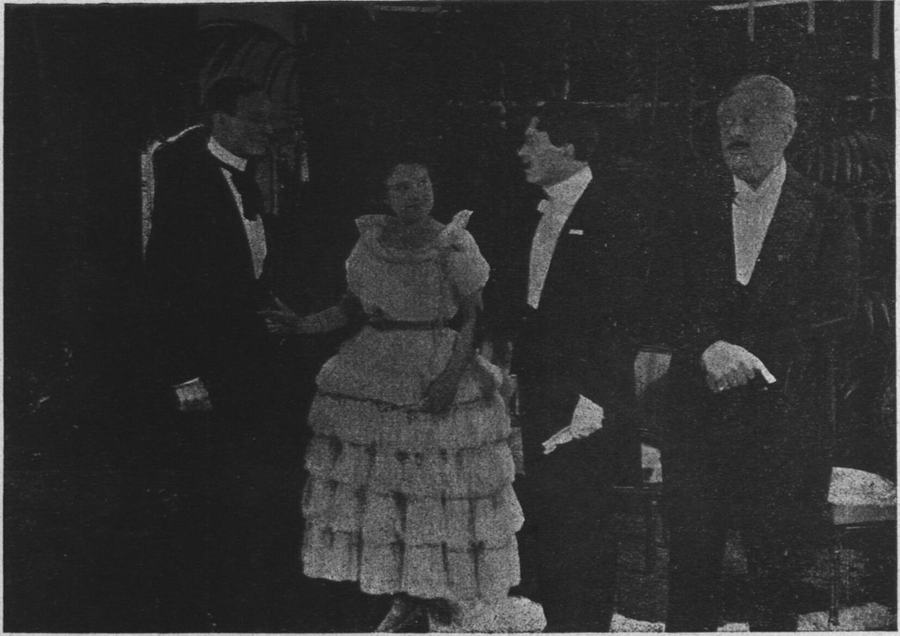
The editing pace is remarkably brisk for a 1917 production. Strauß and Singer’s influence on the structure is evident; the film moves with a rhythmic intensity that mirrors the heartbeat of a man who has just realized his life has changed forever. There is a sequence involving the 'big prize' reveal that is edited with such precision that it rivals the tension of modern thrillers, a stark contrast to the more languid pacing of contemporary films like Az obsitos.
The screenplay is perhaps the film’s most enduring achievement. Strauß and Singer were not content with mere levity; they infused the script with a biting commentary on the German social structure of the era. The dialogue—represented through intertitles—is sharp, often dripping with irony. They explore the idea that the 'big prize' is a burden as much as a blessing, a theme that resonates with the existential dread found in Du sollst keine anderen Götter haben. By focusing on the domestic ripples caused by the lottery win, they highlight the fragility of the family unit when confronted with the corrupting influence of sudden capital.
This is a film that questions the very nature of desire. What happens when the struggle for survival is replaced by the struggle for significance? This question is explored with more nuance here than in the more morality-focused The Truth About Helen. In Das große Los, there are no easy villains, only people caught in the gears of a socioeconomic machine they don't fully understand.
When placed alongside other films of the period, such as The Steel King's Last Wish, which focuses on industrial legacy and inheritance, Das große Los feels more intimate and psychologically focused. It lacks the grandiosity of Hearts of Oak, but compensates with a sharper wit and a more cynical worldview. It shares some DNA with Public Opinion in its exploration of how the gaze of others shifts based on one's economic standing, but it maintains a comedic distance that allows the satire to sting without becoming overbearing.
Furthermore, the film’s handling of romance—particularly the way wealth complicates existing relationships—is far more sophisticated than the idealized versions seen in Young Romance or The Old Homestead. In those films, love is often a static virtue; in Das große Los, love is a variable that fluctuates with the bank balance. This honesty is what makes the film feel so remarkably modern despite its age.
Ultimately, Das große Los is a profound meditation on the human condition disguised as a lighthearted romp. It captures a specific moment in German history—a time of transition, anxiety, and hidden hopes—and distills it into a narrative that remains universally relatable. The film suggests that while we all chase the 'big prize,' the actual winning is merely the beginning of a different, perhaps more complex, set of problems. It avoids the melodramatic pitfalls of The Feast of Life by maintaining a grounded, almost gritty sense of humor about the absurdity of wealth.
For the modern viewer, watching Picha navigate his way through this lottery-induced fever dream is both a delight and a warning. It is a reminder that cinema, even in its infancy, was already capable of asking the big questions. Whether compared to the mystery of Doctor Nicholson and the Blue Diamond or the social drama of its peers, Das große Los holds its own as a brilliant, multifaceted gem of early twentieth-century storytelling. It is a film that demands to be seen not just as a historical curiosity, but as a vibrant piece of art that still has much to say about our obsession with fortune and the masks we wear to attain it.
IMDb 6.5
1934
Community
Log in to comment.